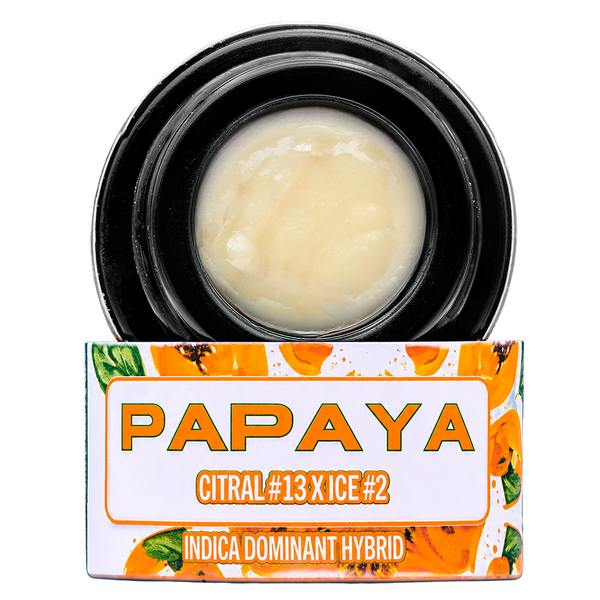
On sale· 20% OFF
THC 81.28%·CBD 0.26%Indica-Hybrid
UmamiiUmamii | Live Rosin Jar | Papaya · 2g
$80.70$100.88
$94after tax

weeddispensarynearme.com
You must be 21 years or older to enter. By entering, you confirm you’re of legal age in your state to purchase cannabis.
For use only by adults 21+ • Keep out of reach of children
Hudson Yards, Manhattan's most architecturally deliberate neighborhood, draws a discerning crowd to its glassy corridors along 10th and 11th Avenues. That same standard for craft and provenance is now shaping how residents and visitors approach cannabis. Rosin — the solventless concentrate pressed from fresh or cured flower — has become the category of choice for adults who prize purity, transparency, and a product that performs as elegantly as its surroundings.
About Rosin
Rosin occupies a singular position in the New York licensed cannabis market. Unlike hydrocarbon extracts that rely on butane or propane as solvents, rosin is produced through the application of heat and pressure alone — a process that preserves the full spectrum of cannabinoids and terpenes exactly as nature and the cultivator intended. The result is a concentrate that connoisseurs describe as a direct, unmediated conversation with the original plant. In a regulated market still maturing, rosin's production simplicity also offers a meaningful layer of consumer confidence: there are no residual solvents to test for, no chemical intermediaries to account for. Within the broader concentrate category, rosin appears in several distinct forms. Fresh-press rosin is derived from live or freshly harvested material and tends toward a lighter, more volatile terpene profile with soft, jam-like textures. Cured rosin, pressed from dried and cured flower or hash, offers a more developed, rounded expression — often with deeper earthy or fuel-driven notes. Hash rosin, made from ice-water-extracted trichomes before pressing, represents the premium tier, prized for its clarity, potency, and the extraordinary density of desirable plant compounds it retains. New York's Office of Cannabis Management has brought rigorous Certificate of Analysis requirements to every licensed concentrate, meaning shoppers at compliant dispensaries can review third-party lab data covering cannabinoid percentages, terpene content, and the absence of contaminants. This regulatory infrastructure is particularly relevant for rosin buyers, who are often the most research-oriented cannabis consumers in the market. Potency in licensed rosin typically ranges from the mid-60s to the upper 80s in total THC percentage, with hash rosin commonly landing at the higher end. Serving sizes are measured in fractions of a gram, and the standard adult-use guidance — start low, go slow — applies with particular weight in this category given those concentration levels.
Rosin for Hudson Yards shoppers
Hudson Yards is not a neighborhood that arrived by accident. Every element of the district, from the angular geometry of the Vessel rising above the Hudson Yards Public Square to the precise retail programming along 10th Avenue, reflects intentional curation. The residents and professionals who have settled into the high-rise towers between 30th and 34th Streets west of 10th Avenue tend to bring that same intentionality to their purchasing decisions. When that sensibility extends to cannabis, rosin fits the profile: a category built on process integrity, minimal intervention, and a demonstrable relationship between input quality and output quality. The neighborhood's western exposure along 11th Avenue and the Hudson River waterfront means that wind off the river can make late evenings and early mornings noticeably brisk even well into spring. For adults who enjoy cannabis at home before a walk along the Hudson River Park greenway or after an evening at one of the neighborhood's dining destinations, a concentrate like rosin offers a controlled, low-volume experience with no combustion byproducts — a practical consideration in glass-walled apartments with shared HVAC systems. A small dab rig or a portable electronic device rated for concentrates requires very little setup and produces a discrete, minimal footprint. The commuter profile here also skews toward finance, architecture, and tech — professionals whose schedules tend toward early mornings and compressed social windows. Rosin's efficiency, a meaningful effect from a fraction of a gram, aligns well with a lifestyle where intentionality extends to time itself.
What to look for
Selecting a rosin in a licensed New York dispensary begins with understanding what the Certificate of Analysis is actually telling you. Total THC and total CBD percentages matter, but the terpene panel is where a great rosin reveals its character. Look for myrcene if you want something with a relaxing, earthy warmth — appropriate for a quiet evening above the Hudson. Limonene and terpinolene tend to present in more citrus-forward, uplifting expressions. Caryophyllene brings a peppery, complex quality that many experienced concentrate consumers find particularly satisfying. The best licensed products list terpene percentages by individual compound, allowing for a genuinely informed choice rather than a guess. Format matters almost as much as chemistry. Fresh-press and live rosin will often have a sauce-like or budder consistency and require a dab tool and either a traditional rig or an electronic concentrate device. These formats preserve the most volatile terpene fractions and deliver the most immediate aromatic complexity. Cured rosin in a harder, more stable shatter-adjacent consistency is slightly more forgiving for those newer to the concentrate format. Some licensed New York products now offer rosin in pre-filled vape cartridge or all-in-one formats, which sacrifice a degree of terpene fidelity in exchange for convenience and portability — a legitimate trade-off for the Hudson Yards professional who wants access during a commute or a rooftop gathering without additional hardware. For shoppers in this ZIP code exploring rosin for the first time, starting with a half-gram of a hash rosin in the 70 to 78 percent total THC range from a cultivar with a familiar terpene profile — something you already know you enjoy in flower form — provides the clearest reference point. Start low, go slow, and allow adequate time between sessions to calibrate.
Why ZenZest for rosin in Hudson Yards
ZenZest Cannabis Dispensary serves the Hudson Yards market through ZenZest Staten Island, located at 2343 Forest Ave, Staten Island, NY 10303, approximately 12.1 miles from the neighborhood's core along 10th Avenue. The store curates a licensed concentrate selection with the same editorial rigor that the broader ZenZest network applies across categories — meaning the rosin shelf reflects an active assessment of cultivator relationships, batch-level quality, and current Certificate of Analysis data rather than simply stocking whatever is available in the wholesale market. For residents and professionals in ZIP code 10001 who prefer not to make the trip, ZenZest offers free same-day delivery on orders over one hundred dollars to more than eighty New York ZIP codes, with 10001 among the eligible addresses. The delivery service brings licensed, lab-tested rosin — whether fresh-press, cured, or hash rosin — directly to a Hudson Yards address with the same compliance standards and product integrity as an in-store purchase. Orders can be reviewed for Certificates of Analysis before checkout, consistent with the neighborhood's expectation that provenance documentation comes standard.
ZenZest Staten Island · 2343 Forest Ave, Staten Island, NY 10303 · 12.1 miles from Hudson Yards.
$94after tax
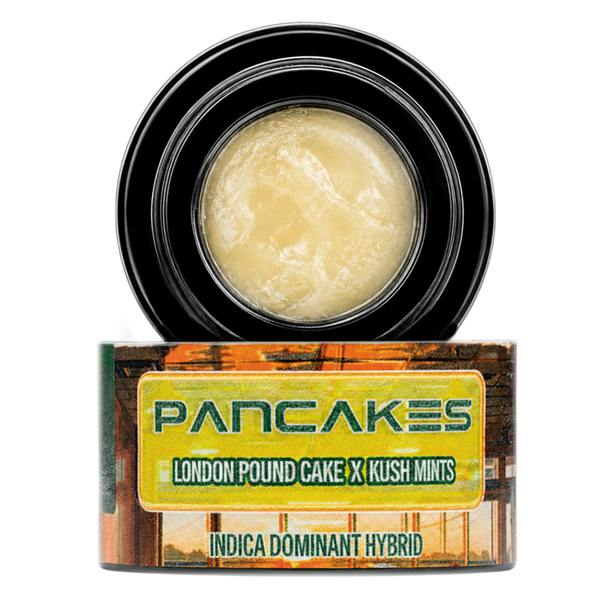
$99after tax

$99after tax
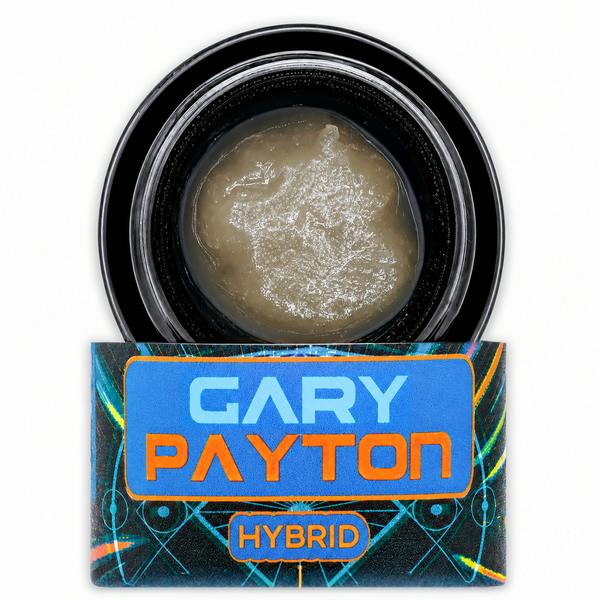
$93after tax
Rosin is a solventless concentrate, meaning heat and mechanical pressure are the only forces used to separate resin from plant material. Every other major concentrate category — live resin, distillate, BHO — introduces a chemical solvent at some stage of production. That distinction matters to consumers who want a product with no residual solvent risk and a terpene profile that has not been disrupted by chemical processing. In New York's licensed market, all concentrates must pass third-party lab testing, but rosin's production method offers an additional layer of process transparency that appeals to discerning buyers.
Rosin can be an excellent entry point into concentrates precisely because its effect profile is a concentrated but recognizable version of what flower delivers — the terpenes and cannabinoid ratios are intact rather than processed into something unfamiliar. However, total THC percentages in rosin commonly run from the mid-60s into the upper 80s, far higher than flower. Adults new to the category should start with a very small amount — significantly less than the suggested serving size if that size is unfamiliar — allow substantial time to assess the effect, and work incrementally. Start low, go slow is not a cliché in this category; it is genuinely practical guidance.
The most common setup is a dab rig — a water pipe designed for concentrates — used with a heated quartz banger. Electronic dab devices, often called e-rigs, offer temperature precision and are increasingly popular for apartment use because they eliminate the open torch flame. Portable electronic concentrate devices exist for on-the-go use. If rosin has been formulated into a cartridge or all-in-one vape format, a standard battery is sufficient. For Hudson Yards high-rise residents with shared building ventilation, low-temperature dabbing produces significantly less visible vapor and odor than higher-temperature methods.
A terpene panel lists individual aromatic compounds and their percentage concentration within the product. Myrcene, the most common cannabis terpene, is associated with earthy and musky qualities and a relaxing character. Limonene presents as citrus and is often described as uplifting. Caryophyllene is spicy and peppery, and is the only terpene known to interact with CB2 receptors. Linalool is floral and calming. For rosin specifically, the terpene panel is the most meaningful differentiator between products with similar THC percentages — it tells you what the experience is likely to feel and taste like more accurately than any single number.
Hash rosin involves an additional extraction step before pressing. Fresh or cured cannabis is first processed in ice water, which separates trichome heads from plant material to produce bubble hash or ice-water hash. That hash — already a concentration of the most desirable plant compounds — is then pressed under heat and pressure to yield hash rosin. The multi-stage process requires more labor, more input material, and more technical precision, which is reflected in the price. The result, when executed well, is a product of exceptional clarity, potency, and terpene density that justifies its position at the top of the concentrate category.
Yes. ZenZest Cannabis Dispensary offers free same-day delivery on orders over one hundred dollars to more than eighty New York ZIP codes, and 10001 is among the eligible addresses. Delivery brings licensed, lab-tested products directly to Hudson Yards residences and buildings with the same product integrity and compliance documentation available in store. The nearest ZenZest physical location is ZenZest Staten Island at 2343 Forest Ave, approximately 12.1 miles from the neighborhood's core, for those who prefer to browse in person.
Rosin is sensitive to heat, light, and air exposure — all of which accelerate terpene degradation and can alter consistency and flavor. The best storage method is an airtight, food-grade silicone or glass concentrate container kept in a cool, dark environment. Many concentrate consumers refrigerate or freeze rosin for longer-term preservation, bringing it to room temperature before use to restore workable consistency. In a Hudson Yards apartment, keeping the product away from windows and the direct heat of kitchen or bathroom environments will meaningfully extend the quality of the terpene profile between sessions.
Licensed rosin in New York typically tests between the low 60s and high 80s in total THC percentage, with hash rosin products often clustering at the higher end of that range. It is worth noting that total THC percentage is not a direct proxy for experiential intensity for every consumer — individual tolerance, consumption method, temperature, and the interaction of cannabinoids with terpenes all influence the effect. That said, the numbers are substantially higher than flower, and a fraction of a gram is a meaningful dose. Treat the THC percentage as a relative scale rather than a guarantee, and adjust your consumption incrementally.
Yes. Rosin pressed from cultivars with elevated limonene, terpinolene, or pinene content tends toward what consumers describe as a more clear-headed, energetic character compared to myrcene-dominant products. Fresh-press or live rosin from a sativa-leaning cultivar with those terpene signatures can be appropriate for a lower-dose daytime session for experienced adult consumers. As always, individual response varies, and start low, go slow applies regardless of the cultivar's directional profile. Reviewing the terpene panel on the Certificate of Analysis before purchasing is the most reliable way to identify a product suited to daytime use.
Hudson Yards was built for a consumer accustomed to verifiable quality standards — the kind of shopper who reads provenance notes on a wine list or asks about sourcing at a restaurant along 10th Avenue. That orientation maps directly onto rosin as a category. The product's appeal is rooted in process transparency, a direct relationship between input quality and output quality, and a premium price point that reflects genuine craft rather than marketing. Neighboring areas with older, denser residential fabric tend toward more accessible flower and pre-roll formats. Hudson Yards, by contrast, has developed a concentrated interest — so to speak — in the category that demands the most from both producer and consumer.
Pick your store
We'll show pricing, deals, and delivery zones for the store you pick. You can switch any time from the header.