On sale· 20% OFF
THC 70.7%Indica-Hybrid
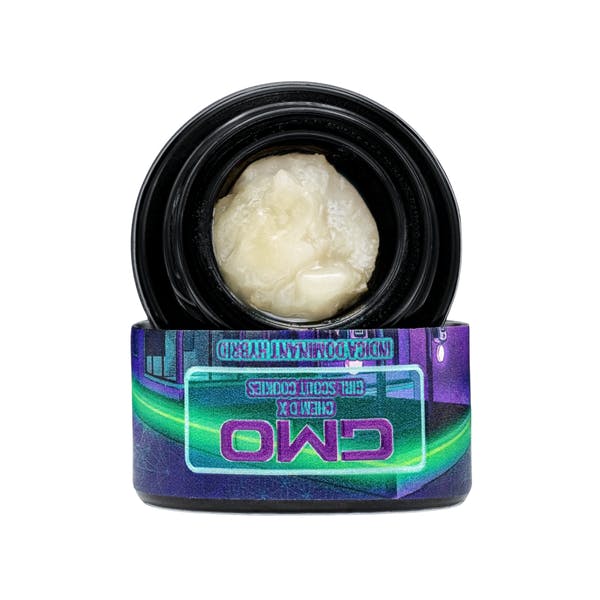
UmamiiUmamii | Live Rosin Jar | GMO · 2g
$80.00$100.00
$93after tax

weeddispensarynearme.com
You must be 21 years or older to enter. By entering, you confirm you’re of legal age in your state to purchase cannabis.
For use only by adults 21+ • Keep out of reach of children
Great Kills, the quiet harbor-side enclave tucked along the southern shore of Staten Island, has quietly developed a discerning palate for solventless cannabis concentrates. Rosin — pressed from flower or hash without a single drop of chemical solvent — suits the neighborhood's unhurried, quality-first sensibility as naturally as a Sunday morning on the docks near Great Kills Harbor.
About Rosin
Rosin occupies a singular position in the New York licensed cannabis market precisely because it demands nothing artificial. The extraction process applies calibrated heat and pressure to cannabis flower, sift, or bubble hash, coaxing a full-spectrum oil that retains the plant's original terpene and cannabinoid profile with remarkable fidelity. What emerges ranges in texture from a translucent, honey-like sap to a creamy, whipped badder depending on post-press technique — and every variation carries the chemical complexity that solvent-based extracts often sacrifice in processing. New York's Office of Cannabis Management licenses a growing cohort of processors producing rosin under strict quality-control frameworks, meaning every product on a licensed dispensary shelf has passed testing for residual solvents (none, by definition), pesticides, heavy metals, and microbial content. That regulatory rigor matters enormously for concentrate shoppers, who are consuming a product at far higher cannabinoid concentrations than standard flower. A licensed rosin from a New York-compliant processor is, in that sense, one of the most traceable and verifiable cannabis products available in the state. From a potency standpoint, rosin typically tests between 60 and 85 percent total cannabinoids, though the number alone tells an incomplete story. Full-spectrum rosins preserve minor cannabinoids — CBG, CBC, trace amounts of THCV — alongside a terpene suite that shapes both effect and flavor in meaningful ways. A myrcene-dominant rosin pressed from a heavy indica cultivar delivers a very different experience from a terpinolene-forward sativa hash rosin, even if their THC percentages appear comparable on a lab sheet. For shoppers navigating New York's licensed market for the first time, rosin represents both a premium and an education. The category rewards curiosity: understanding the starting material (flower rosin versus live rosin versus hash rosin), the pressing temperature, and the resulting texture gives consumers a meaningful vocabulary for asking better questions at the counter.
Rosin for Great Kills shoppers
Great Kills moves at its own pace. Residents who spend their mornings along Hylan Boulevard commuting toward the Staten Island Expressway or boarding the SIM express buses know the rhythm of a long travel day, and they tend to be thoughtful about how and when they consume. Rosin, as a category, fits that measured approach well. A small amount — genuinely small, given the potency concentration — goes a considerable distance, making it economical for regular consumers who have learned to portion deliberately. Unlike flower, which might tempt a casual extra bowl, a half-gram of well-made rosin almost enforces the start-low-go-slow principle that licensed dispensary staff consistently recommend. The harbor itself shapes the Great Kills identity in subtler ways. The neighborhood attracts boaters, kayakers, and families who spend weekends at Great Kills Park along the Raritan Bay shoreline. That outdoor-leisure culture aligns with rosin's relatively clean consumption experience — used with a portable electronic dab device, it produces minimal odor and no combustion byproducts, a practical consideration when recreation happens near other people and open water. The shift toward maritime weekends as autumn arrives along Amboy Road and the surrounding streets also drives interest in more intentional, session-focused products rather than impulsive convenience formats. Demographically, Great Kills skews toward established households — homeowners who value craftsmanship and provenance in what they purchase. That sensibility translates directly to the rosin category, where questions of starting-material quality, small-batch pressing, and single-cultivar sourcing mirror the same conversations happening at a farmers market or a specialty wine shop. Neighbors here are not hunting for the cheapest concentrate; they are looking for the most honest one.
What to look for
Evaluating rosin begins with understanding starting material, because it determines everything downstream. Flower rosin is pressed directly from dried and cured cannabis buds — accessible, affordable, and consistent, though it yields less oil per press than more refined inputs. Hash rosin, by contrast, starts with bubble hash made from ice-water extraction, concentrating trichome heads before a second press. The result is notably cleaner in flavor, often lighter in color (pale gold to near-white), and richer in terpene expression. Live rosin takes that a step further, using fresh-frozen plant material to preserve the full volatile terpene profile that begins degrading the moment a plant is harvested. If budget allows, live hash rosin represents the category's peak for flavor fidelity. Terpenes are the real map when selecting a rosin. Myrcene contributes the earthy, almost herbal warmth associated with physical relaxation — a reasonable evening choice after a long Hylan Boulevard commute. Limonene brings citrus brightness and an uplifted quality that suits social settings. Caryophyllene, which is the only terpene that also binds to CB2 receptors, adds a peppery depth and is often found in cultivars that consumers associate with a calmer mental state. Ask to see the COA — the certificate of analysis — at any licensed dispensary; a credible rosin product will list both cannabinoid percentages and a terpene panel. Format trade-offs matter for Great Kills shoppers specifically. A traditional dab rig offers the fullest flavor expression but requires water, a torch, and a stable surface — better suited to home sessions than a day at the harbor. A portable electronic dab device, or e-rig, solves for mobility without sacrificing much on flavor. Rosin can also be layered into a bowl of flower or used to top a pre-roll, which moderates potency and extends the experience — a sensible approach for consumers who are newer to concentrates or prefer a more gradual onset.
Why ZenZest for rosin in Great Kills
ZenZest Cannabis Dispensary serves the Great Kills community from its Staten Island location at 2343 Forest Ave, Staten Island, NY 10303, approximately 5.1 miles from the neighborhood's center. The Forest Avenue store carries a curated selection of licensed New York rosin products, with staff trained to walk shoppers through starting-material differences, terpene profiles, and format options without pressure. Whether a visitor arrives with a specific cultivar in mind or is simply curious about transitioning from flower to concentrates, the counter experience is built around education first. For residents who prefer not to make the drive, ZenZest offers free same-day delivery on orders over $100 to more than 80 eligible New York ZIP codes, including 10308. Orders can be placed online and fulfilled the same day, meaning a Saturday morning spent at Great Kills Harbor does not have to end with an errand. The delivery program carries the same licensed-product standards as the in-store selection — every item shipped is tested, compliant, and sourced from New York's regulated supply chain.
ZenZest Staten Island · 2343 Forest Ave, Staten Island, NY 10303 · 5.1 miles from Great Kills.
$93after tax
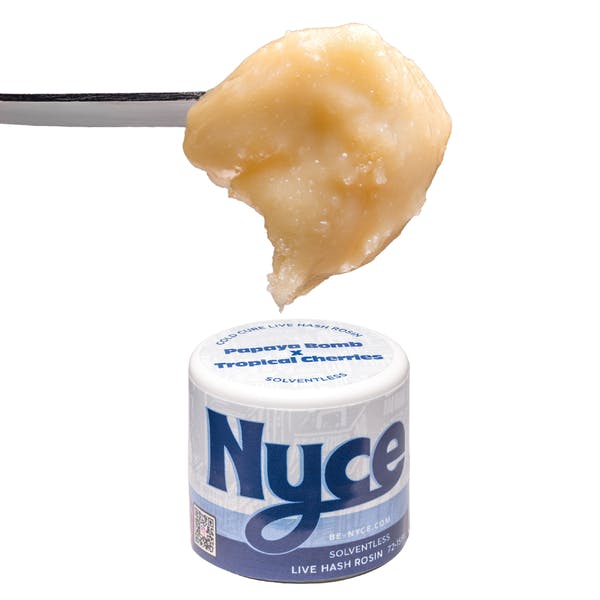
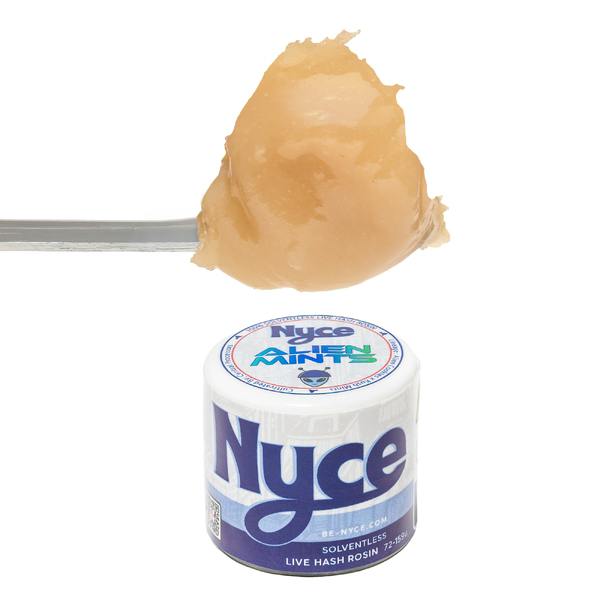
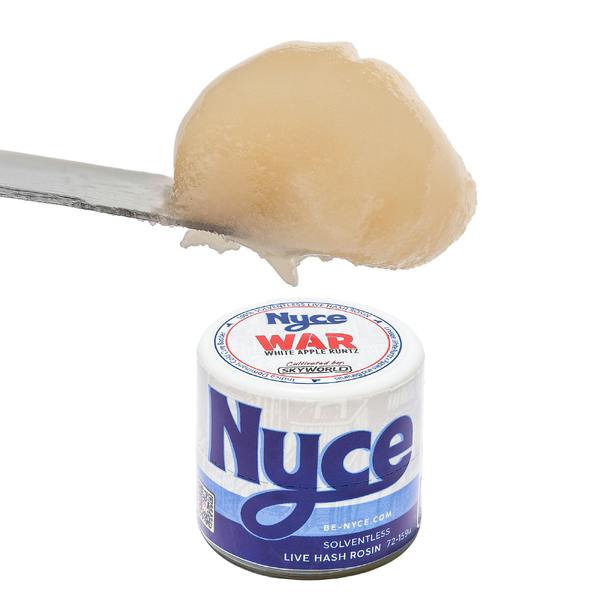
Rosin is produced entirely without chemical solvents. Heat and pressure applied to cannabis flower, sift, or bubble hash yield a full-spectrum oil that carries the plant's original cannabinoid and terpene profile. Solvent-based extracts like BHO or CO2 oil require post-processing to remove chemical residues; rosin has none to remove. For shoppers on Staten Island who prioritize ingredient transparency — the same instinct that draws people to whole-food grocery options — rosin is the concentrate category most aligned with that value.
It can be, with a deliberate approach. Licensed dispensary staff consistently recommend starting with a very small amount — a portion roughly the size of a grain of rice — because rosin's cannabinoid concentration is significantly higher than flower. The start-low-go-slow principle applies especially here. Consumers who are new to concentrates might also consider topping a bowl of flower with a small amount of rosin rather than dabbing it directly, which moderates onset speed and overall intensity while introducing the flavor and effect profile of the product.
Flower rosin is pressed directly from dried cannabis buds and is the most common and affordable entry point in the category. Hash rosin begins with bubble hash — trichome heads separated from plant material through an ice-water washing process — then presses that refined input for a notably cleaner, more flavorful result. Live rosin uses fresh-frozen plant material as its starting point, preserving volatile terpenes that degrade during the drying and curing process. Each tier up in starting-material quality generally reflects an increase in flavor complexity and price.
Rosin is sensitive to heat and light, both of which degrade terpenes and can alter texture over time. Most licensed New York products come in airtight, childproof silicone or glass containers. For short-term storage — a week or two — a cool, dark drawer at room temperature is sufficient. For longer preservation, a small dedicated refrigerator or a cool corner away from kitchen heat works well. Avoid freezing unless the product is specifically packaged for that purpose, as condensation during thawing can introduce unwanted moisture.
A portable electronic dab device, often called an e-rig or e-nail, is the most practical option for Great Kills residents who spend time outdoors near the harbor or park areas. These battery-powered devices reach precise temperatures without an open flame, produce minimal odor, and fit in a jacket pocket. Temperature control is particularly useful with rosin: lower settings (roughly 450–550°F) preserve terpene flavor; higher settings emphasize vapor production. Traditional glass rigs offer superior flavor at home but require a torch, water, and a stable surface.
Myrcene is the most commonly cited terpene associated with physical relaxation and is prevalent in many indica-leaning cultivars used for pressing rosin. Linalool, also found in lavender, appears in certain hash rosins and carries a floral, calming quality. Caryophyllene, a spicy-peppery terpene that interacts with the body's CB2 receptors, rounds out many evening-oriented profiles. Any licensed dispensary can provide a certificate of analysis that lists the terpene panel — asking to see it before purchasing is a reasonable and welcomed practice.
Yes. ZenZest Cannabis Dispensary offers free same-day delivery on orders over $100 to more than 80 New York ZIP codes, and 10308 is among the eligible delivery areas. Orders are placed online and fulfilled the same day during delivery windows. All products delivered are sourced from New York's licensed regulated market, carrying the same compliance and testing standards as in-store purchases. Residents along Amboy Road or near the Great Kills Harbor area can order and receive products without making the drive to Forest Avenue.
The temperature at which rosin is pressed during production directly affects its terpene retention and final texture. Lower pressing temperatures — generally below 180°F — tend to preserve more volatile terpenes, resulting in a lighter-colored, more aromatic product, though often with a lower yield. Higher temperatures extract more oil but at the cost of some terpene degradation and a darker color. When shopping, a pale gold or cream-colored rosin with a pronounced, complex aroma is generally a marker of careful, lower-temperature pressing — a detail worth asking about at the dispensary counter.
Yes. Every cannabis product sold at a licensed New York dispensary — including rosin — must pass mandatory testing administered through laboratories accredited by the Office of Cannabis Management. Required tests screen for residual solvents (rosin will show none by nature of its production method), pesticides, heavy metals, microbial contaminants, and cannabinoid potency. The resulting certificate of analysis is required to accompany every product to the dispensary shelf and should be available for shoppers to review upon request.
Rosin commands a premium over flower primarily because yields are low — pressing can return as little as 10 to 25 percent of the starting material's weight as usable product, and labor-intensive inputs like bubble hash compound that cost further. For a Great Kills shopper, the value calculation depends on consumption habits. A half-gram of quality hash rosin used in small, deliberate portions can extend across multiple sessions in a way that a comparable spend on flower might not. Consumers who have migrated from flower to rosin frequently find that cost-per-session comparisons are more favorable than the sticker price suggests.
Pick your store
We'll show pricing, deals, and delivery zones for the store you pick. You can switch any time from the header.