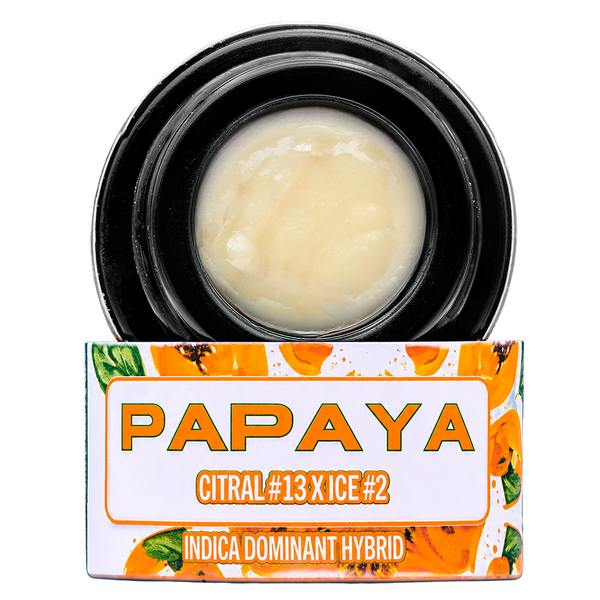
On sale· 20% OFF
THC 81.28%·CBD 0.26%Indica-Hybrid
UmamiiUmamii | Live Rosin Jar | Papaya · 2g
$80.70$100.88
$94after tax

weeddispensarynearme.com
You must be 21 years or older to enter. By entering, you confirm you’re of legal age in your state to purchase cannabis.
For use only by adults 21+ • Keep out of reach of children
Gravesend — the storied Brooklyn neighborhood anchored by Avenue U, Kings Highway, and the hum of McDonald Avenue — has quietly cultivated a discerning cannabis culture. Rosin, the solventless concentrate prized for its purity and full-spectrum expression, fits naturally into a neighborhood that values craftsmanship and authenticity. Here is what every adult consumer in ZIP 11223 should know before purchasing.
About Rosin
Rosin occupies a singular position in the New York licensed cannabis market. Unlike hydrocarbon or CO2 extracts, rosin is produced exclusively through applied heat and pressure — no solvents, no residual chemicals, no post-processing purge required. The result is a concentrate that preserves the plant's original terpene profile and cannabinoid ratios with a fidelity that more aggressive extraction methods simply cannot match. For the growing number of New York consumers who scrutinize certificates of analysis the way a sommelier reads a back label, rosin represents the cleanest available choice. Within the New York Office of Cannabis Management's licensed retail framework, rosin is sold in several distinct forms. Fresh-press rosin is extracted from freshly harvested, never-dried flower, yielding a lighter, more volatile terpene bouquet. Cured rosin begins with dried and cured input material, producing a slightly more shelf-stable product with a denser, often more resinous texture. Hash rosin — widely considered the apex of the category — starts with ice-water-extracted bubble hash rather than whole flower, concentrating trichome heads before the press and delivering extraordinary clarity and potency. Each format carries its own price point, consistency, and storage recommendation, all of which matter when you are navigating a retail landscape still maturing under state licensing. Potency in rosin typically runs between 60 and 85 percent total cannabinoids, though the figure alone tells an incomplete story. Because no solvents strip away minor cannabinoids and terpenes, the entourage effect — the synergistic interplay of the plant's full chemical cast — is more intact than in many other concentrate categories. A rosin at 68 percent THC may deliver a richer, more nuanced experience than a distillate cart at 85 percent, precisely because the supporting compounds remain present and active. New York's licensed dispensaries are required to display third-party lab results for every concentrate on the floor, meaning consumers have full access to cannabinoid and terpene panels before purchase. Taking the time to read those panels is the single most reliable way to match a specific rosin to a specific intention.
Rosin for Gravesend shoppers
Gravesend is one of Brooklyn's most layered neighborhoods — a place where Italian-American bakeries share blocks with Uzbek restaurants and Chinese seafood halls, where the F and B/Q trains converge near Kings Highway, and where longtime residents carry a quiet pride in knowing exactly where to find quality. That sensibility extends naturally to cannabis. Consumers here are not chasing novelty; they are chasing value, authenticity, and a product that performs as described. The neighborhood's geography shapes how people consume. Many Gravesend residents live in attached two- and three-family homes along orderly side streets off McDonald Avenue, with limited outdoor private space. Concentrate formats like rosin — consumed via dab rig, e-rig, or hash pipe in small, controlled doses — are well suited to discreet indoor sessions that do not require rolling papers or lighters left out on a shared stoop. For the commuter catching the F train from the Avenue P or Kings Highway stop toward a long shift in Manhattan, a small dab of rosin at home in the evening offers a potency-to-volume ratio that edibles cannot rival for immediacy and a flower bowl cannot match for intensity. Seasonal context also matters in 11223. Gravesend winters, amplified by the wind coming off Coney Island Creek and the open lots near McDonald Avenue's elevated infrastructure, make outdoor consumption genuinely uncomfortable for months at a time. Rosin's indoor-friendly format, its minimal odor compared to combusted flower, and its compact storage footprint make it a practical year-round choice for residents who have calibrated their lives — and their cannabis habits — to Brooklyn's rhythms.
What to look for
Shopping for rosin in a licensed New York dispensary rewards preparation. The first variable to examine is input material. Flower rosin is the most accessible entry point and the most widely available; hash rosin demands a higher price but delivers a markedly cleaner, more concentrated experience. If budget allows, hash rosin — particularly live hash rosin made from fresh-frozen input — is worth the premium for consumers who prioritize terpene depth and overall smoothness on the exhale. Terpene profiles deserve as much attention as THC percentage. Myrcene-dominant rosins tend toward relaxed, body-forward effects — a reasonable companion to a quiet evening on a quiet Gravesend side street. Limonene and pinene profiles skew brighter and more mentally engaged, more appropriate for social occasions or a creative afternoon. Caryophyllene, which presents a spiced, peppery note, is frequently found in indica-leaning cultivars and may appeal to consumers who enjoy the interplay of physical ease and mental clarity. Ask the budtender to pull the terpene panel alongside the cannabinoid panel — the two read together tell a far more complete story than potency alone. Format and storage are practical considerations that disproportionately affect concentrate buyers. Rosin is more sensitive to heat and light than cured flower or a sealed cartridge. A small glass jar stored in a cool, dark drawer — away from the radiators that run hard through a Gravesend winter — will maintain consistency for weeks. For consumers new to concentrates, the general guidance across the industry remains consistent: start with a very small amount, allow sufficient time to assess the effect before adding more, and choose an e-rig or low-temperature dab setup over high-heat methods that burn off terpenes before they can be appreciated.
Why ZenZest for rosin in Gravesend
ZenZest Cannabis Dispensary operates two licensed New York locations, and the nearest to Gravesend is ZenZest Staten Island at 2343 Forest Ave, Staten Island, NY 10303 — approximately 9.4 miles from the heart of 11223. While the distance across the Narrows might give a casual buyer pause, ZenZest's same-day delivery service changes the calculation entirely. For orders over $100, delivery is complimentary across more than 80 eligible New York ZIP codes, and 11223 falls within that footprint — meaning Gravesend residents can browse a curated rosin selection, review lab panels online, and receive their order at home without a commute. ZenZest's editorial curation of concentrate inventory reflects the same standard its Gravesend clientele applies to everything else they buy: sourcing matters, transparency matters, and the product should justify its price. The dispensary's rosin offerings span entry-level flower press through premium live hash rosin, with staff prepared to walk first-time concentrate buyers through the differences without pressure. For a neighborhood that values knowing what it is buying and why, ZenZest's approach — licensed, transparent, and delivery-capable — is a coherent fit.
ZenZest Staten Island · 2343 Forest Ave, Staten Island, NY 10303 · 9.4 miles from Gravesend.
$94after tax
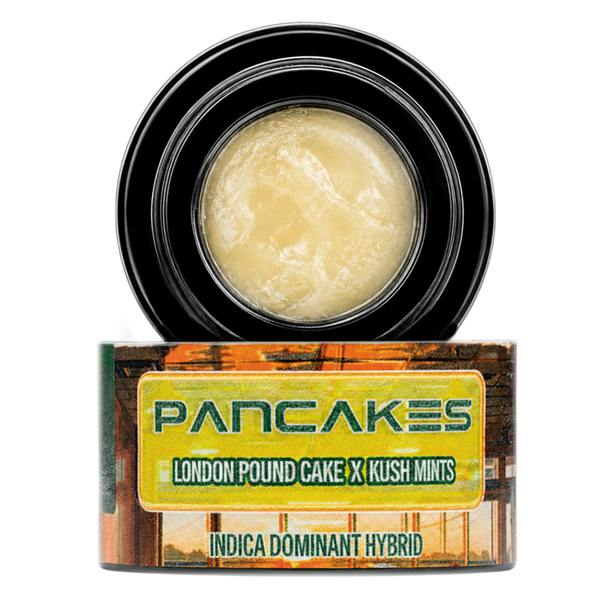
$99after tax

$99after tax
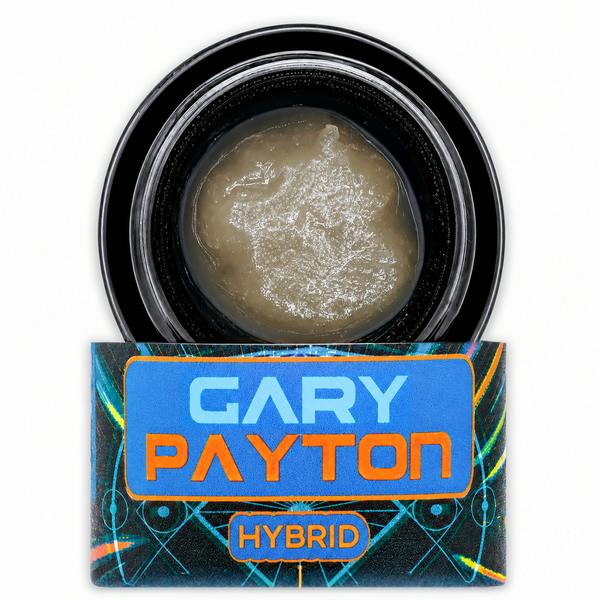
$93after tax
Rosin is the only major concentrate category produced without any chemical solvent. Heat and pressure are applied to cannabis material — flower or hash — and the resulting oil is collected without introducing butane, propane, ethanol, or CO2 into the process. For consumers in Gravesend and across Kings County who prefer to avoid residual solvent exposure entirely, rosin offers a meaningful distinction. Licensed dispensaries in New York are required to carry lab-tested products, but rosin's solventless nature means there is simply nothing to purge or residually detect.
The distinction is real. Hash rosin begins with bubble hash — trichome heads separated from the plant via ice water and agitation — before any heat or pressure is applied. Because only the most resin-rich portions of the plant are pressed, the resulting rosin is cleaner, more concentrated in terpenes and cannabinoids, and typically smoother in texture. Flower rosin presses the entire flower and captures more plant material alongside the resin. For a first-time rosin buyer in 11223, flower rosin is a reasonable and more affordable starting point. For experienced consumers seeking the ceiling of solventless quality, hash rosin justifies the premium.
Rosin is sensitive to heat, light, and air exposure. A small, airtight glass jar stored in a cool, dark location — a dresser drawer or cabinet away from a radiator or south-facing window — is the standard recommendation. Gravesend's buildings tend to run radiators hard from October through April, so keeping rosin away from heat sources is a practical seasonal concern. For storage beyond two to three weeks, some consumers refrigerate rosin in a sealed jar, though condensation upon removal can affect texture. Always bring refrigerated rosin to room temperature before opening the container.
The two most common methods are a traditional dab rig with a quartz banger and a torch, or an electronic dab rig that maintains a precise temperature digitally. For Gravesend residents in apartments shared with others, an e-rig is generally quieter and less visually conspicuous than an open torch. Low-temperature dabbing — typically between 450 and 550 degrees Fahrenheit — preserves the terpene profile and produces a smoother, more flavorful experience than high-heat methods. Some consumers also use a hash pipe or a dedicated concentrate insert for a dry herb vaporizer as a lower-investment entry point.
For an evening session after a long ride on the F or B/Q train, terpene profiles high in myrcene — the most common terpene in cannabis, associated with physical ease and a quieted mental pace — are a natural starting point. Linalool, which also appears in lavender, contributes a calming quality that many consumers find well-matched to the transition between a demanding day and a restful evening. Caryophyllene, with its spiced and slightly peppery character, pairs well with both of those terpenes and adds a dimension of complexity without the energized edge of limonene or pinene.
Yes. ZenZest Staten Island offers same-day delivery at no charge on qualifying orders over $100, and ZIP code 11223 is within the dispensary's 80-plus eligible delivery ZIPs. Customers can browse the rosin inventory online, review available lab panels, and complete the order for home delivery. All deliveries comply with New York State adult-use regulations, including age verification at the door. The convenience is particularly relevant for Gravesend residents who prefer not to make a cross-borough trip to a physical retail location.
A standard certificate of analysis for rosin will display total THC, total CBD, and often a minor cannabinoid breakdown — including CBG, CBN, and THCV — alongside a terpene panel listed in percentages by weight. Focus first on the terpene panel: the top two or three terpenes are the primary drivers of the product's character. Then look at total cannabinoids rather than just THC in isolation. Finally, confirm the test was conducted by a New York-licensed third-party laboratory and that the lot number on the COA matches the label on the product in front of you.
Rosin can be a thoughtful entry into concentrates precisely because its flavor is genuine — it tastes and smells like the cultivar it came from, without the sometimes artificial character of certain processed extracts. That said, its potency is substantially higher than most flower products, typically 60 to 85 percent total cannabinoids versus 20 to 30 percent in dried flower. The standard guidance applies: start with a very small amount, well below what might feel like a meaningful dose, and allow at least 15 minutes before assessing the effect. An e-rig with temperature control makes this easier to manage than a traditional torch setup.
New York's licensed cannabis supply chain continues to expand, and an increasing number of licensed cultivators operating in the state — including those in the Hudson Valley, Long Island, and Western New York — supply biomass to processors who produce solventless concentrates. While hyperlocal 'Gravesend-grown' rosin is not a category that exists given the neighborhood's built density, asking your dispensary staff which rosin products are sourced from New York State licensees is a reasonable and increasingly answerable question. Supporting in-state cultivators aligns with the intent of New York's cannabis market development.
Live resin cartridges and rosin occupy different parts of the concentrate landscape. A live resin cart is convenient, portable, and discreet — well-suited to brief outdoor use or travel. Rosin, by contrast, requires a rig or specialized device and is better suited to a deliberate home session. The trade-off is experience: rosin's solventless nature and intact terpene profile typically produce a richer, more complex effect than a cartridge, even a high-quality one. For Gravesend residents who want both options, the two formats are genuinely complementary rather than competitive — a cart for mobility, rosin for a considered evening at home.
Pick your store
We'll show pricing, deals, and delivery zones for the store you pick. You can switch any time from the header.