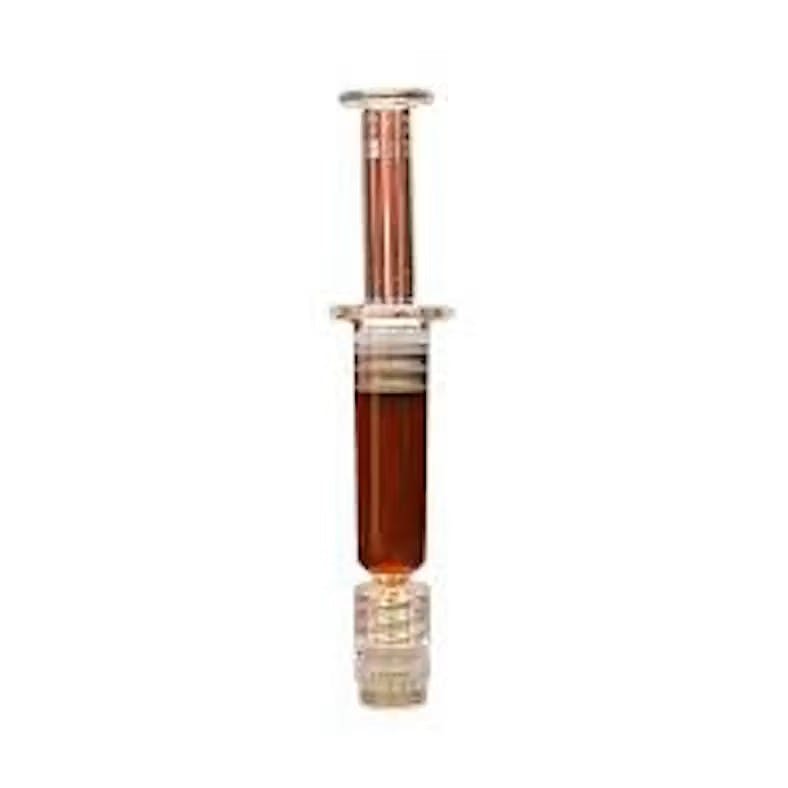
THC 66.28%·CBD 0.13%Hybrid
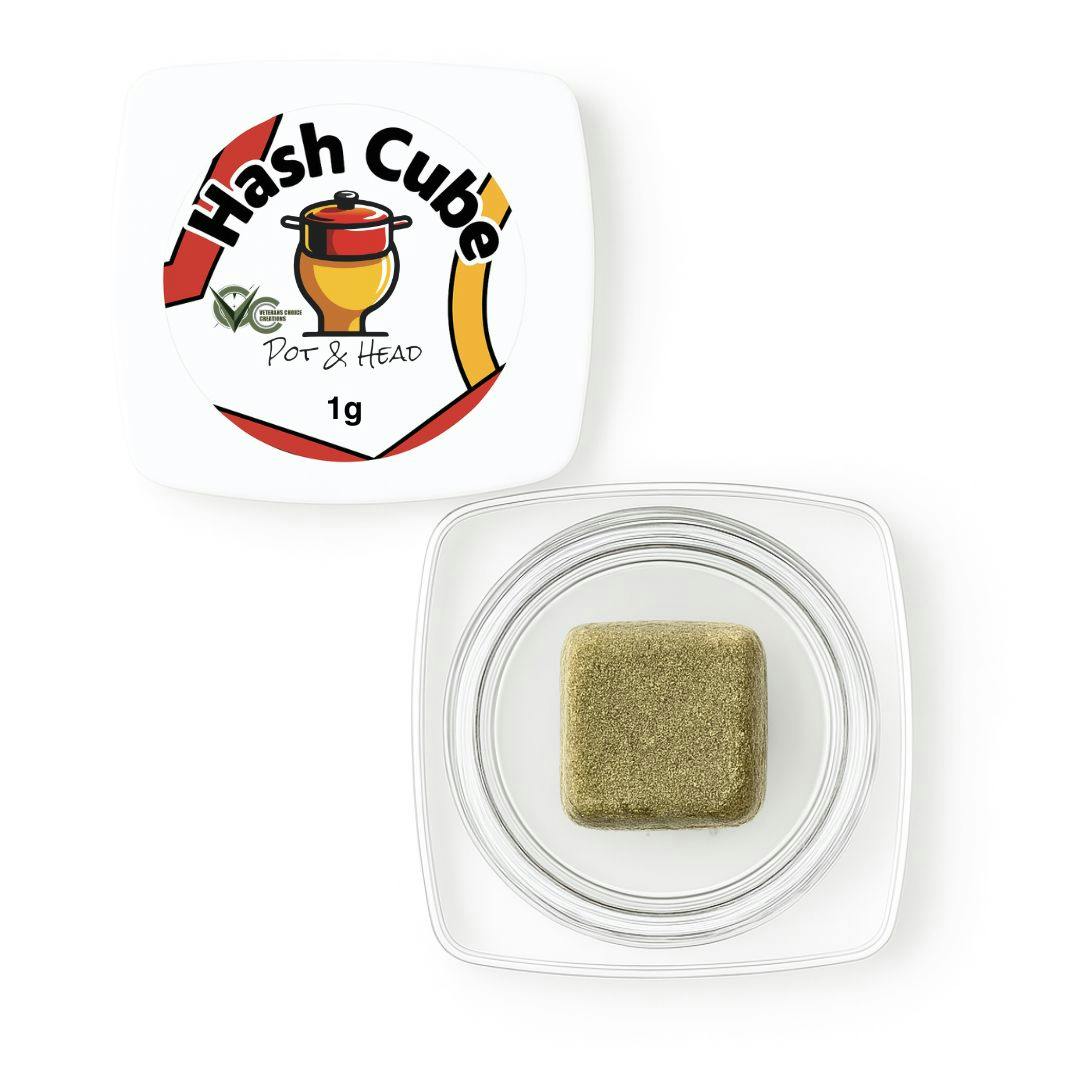
Veteran's Choice CreationsFECO | Full Extract Cannabis Oil · 1g
$39.82
$45after tax

weeddispensarynearme.com
You must be 21 years or older to enter. By entering, you confirm you’re of legal age in your state to purchase cannabis.
For use only by adults 21+ • Keep out of reach of children
Freeport's Nautical Mile draws a crowd that moves between salt air and social energy with practiced ease — and the cannabis concentrates category has become a natural fit for the 11520 resident who values precision, potency, and a format that respects their time. This guide covers everything worth knowing about concentrates for adults in Freeport, Nassau County, NY.
About Concentrates
Cannabis concentrates represent the most refined tier of the legal New York adult-use market. Produced through state-licensed extraction processes, these products isolate and amplify the plant's most desirable compounds — cannabinoids, terpenes, and minor actives — into formats that range from translucent shatter to amber-hued live rosin and powdery kief. Because New York's Office of Cannabis Management mandates rigorous third-party testing on all licensed concentrates, shoppers in Nassau County can expect clear labeling of total THC, CBD, and terpene profiles on every unit they purchase. The category itself encompasses several distinct formats, each with its own production method and experiential character. Hydrocarbon extracts like wax, budder, and badder use solvents that are later purged from the final product; the resulting textures vary from crumbly to whipped and smooth. Solventless options — dry-sift hash, bubble hash, and rosin pressed from whole flower or hash — rely entirely on heat, pressure, and ice water, making them the preferred choice for shoppers who prioritize a minimal-processing philosophy. Live resin and live rosin, extracted from freshly frozen rather than dried and cured biomass, tend to preserve a broader terpene snapshot of the original cultivar. For the adult-use consumer in New York, concentrates sit at the premium end of the market not only in price per gram but in the intentionality they require. Unlike pre-rolls or edibles, concentrates reward a degree of hardware investment — a quality dab rig or portable electronic vaporizer — and a willingness to start at very low doses and adjust gradually. That investment, however, returns a session that is often shorter, more controlled, and considerably more flavorful than combustion-based alternatives when quality hardware is paired with quality extract. New York's licensed supply chain has matured enough in recent years to offer true craft-scale rosin from small-batch in-state producers alongside more widely distributed extract lines. Understanding which tier suits your preferences and budget is the first step toward getting genuine value from this category.
Concentrates for Freeport shoppers
Freeport sits at the southern edge of Nassau County where Merrick Road meets the tide, and the rhythms of the Nautical Mile — weekend crowds at Woodcleft Canal, summer evenings on South Main Street, the low hum of boats heading out toward the Atlantic — shape how local adults actually use cannabis products. Concentrates align particularly well with a waterfront lifestyle that values experiences over extended sessions: a small dab before an evening walk along the canal delivers intensity without the lingering commitment of a full flower session. The coastal climate is a real consideration for concentrate storage and use. Nassau County summers bring genuine humidity, and solventless concentrates like live rosin and bubble hash are sensitive to heat and moisture, requiring refrigerated or at minimum cool, dark storage. Freeport winters, while milder than upstate, still bring enough cold that wax-based extracts can become brittle and difficult to handle. A silicone container and a reliable portable e-rig — rather than an open-air dab setup — suit the on-the-go nature of life in and around the 11520 ZIP far better than a fixed glass rig. The Freeport demographic also skews toward experienced, discerning consumers who have been in and around cannabis culture long before the New York adult-use market formalized. That baseline sophistication means there is genuine local appetite for high-terpene, solventless extracts from named cultivars — the kind of shopper who reads the lab panel on the back of a rosin jar the way a wine buyer reads a vintage card. Concentrates, in this context, are less a gateway product and more the natural endpoint for a community that simply wants the most from the legal market now available to them.
What to look for
When evaluating concentrates in the New York licensed market, terpene profile is often the most meaningful differentiator between products at similar THC percentages. Total THC in concentrates typically ranges from roughly 70 percent on the lower end of live rosin to above 90 percent in distillate-based or refined extract forms. But two products at 80 percent THC can feel entirely different if one leads with myrcene and linalool — associated with a grounding, relaxed character — and the other is rich in terpinolene and ocimene, which tend toward a lighter, more energized quality. Reading the terpene panel, not just the THC number, is the single most useful habit a concentrate buyer can develop. Format trade-offs matter as much as chemistry. Shatter and crumble are shelf-stable and easy to dose by visual inspection, but they fracture unpredictably in cold weather — a relevant concern when shopping for a Freeport afternoon on the water in November. Badder and sugar wax hold their texture across a wider temperature range and are generally easier to manipulate with a dab tool. Rosin and live resin, while premium-priced, carry the fullest terpene complexity and are well suited to the enthusiast who treats their hardware with care. If you are newer to concentrates, a low-temperature electronic vaporizer with adjustable heat settings removes most of the guesswork and preserves flavor in a way that a traditional torch-and-banger setup requires practice to match. For Freeport shoppers specifically, consider the occasion before selecting a format. A small, travel-friendly concentrate pod or a gram of well-labeled live rosin in a sealed glass jar travels gracefully to a waterside gathering on Woodcleft Canal. Larger quantities of wax or shatter make more sense as a home staple. As with all adult-use cannabis in New York, the established guidance — start low, go slow — applies with particular weight to concentrates, where the margin between a measured experience and an overwhelming one is narrower than in any other format.
Why ZenZest for concentrates in Freeport
ZenZest Cannabis Dispensary operates one of the most accessible licensed retail locations in the greater Nassau County region at its Queens flagship — 272-06 Union Tpke, Bellerose, NY 11004 — situated approximately 9.0 miles from Freeport's South Main Street corridor. The Queens location carries a curated concentrate selection that spans solventless rosin, live resin, and refined hydrocarbon extracts from New York state-licensed producers, with staff trained to walk through terpene profiles and format differences rather than simply recommending by THC percentage. For Freeport residents who prefer not to make the drive, ZenZest extends free same-day delivery on orders over $100 to more than 80 eligible New York ZIP codes, with 11520 among them. The delivery model is designed for the kind of purposeful, considered purchase that the concentrate category rewards — browsing the full menu online, selecting by cultivar and extraction method, and receiving licensed, lab-tested product at the door. Whether you are stocking up before a weekend on the Nautical Mile or simply restocking a home supply, ZenZest's delivery footprint makes the premium end of the concentrate market genuinely convenient from Freeport.
ZenZest Queens · 272-06 Union Tpke, Bellerose, NY 11004 · 9 miles from Freeport.
$45after tax
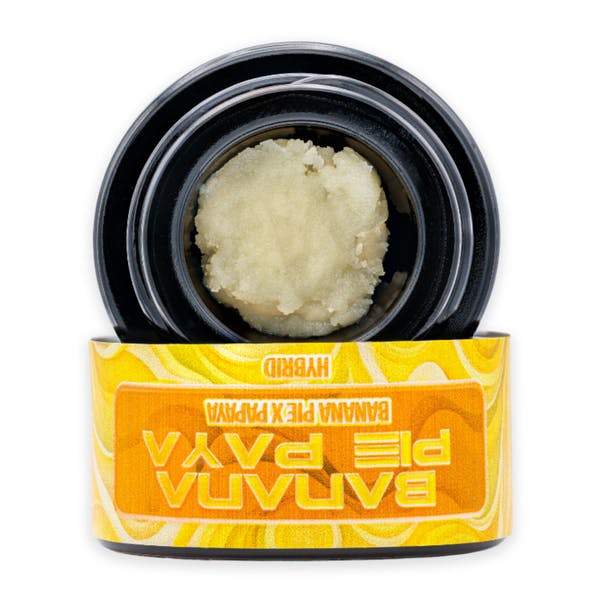
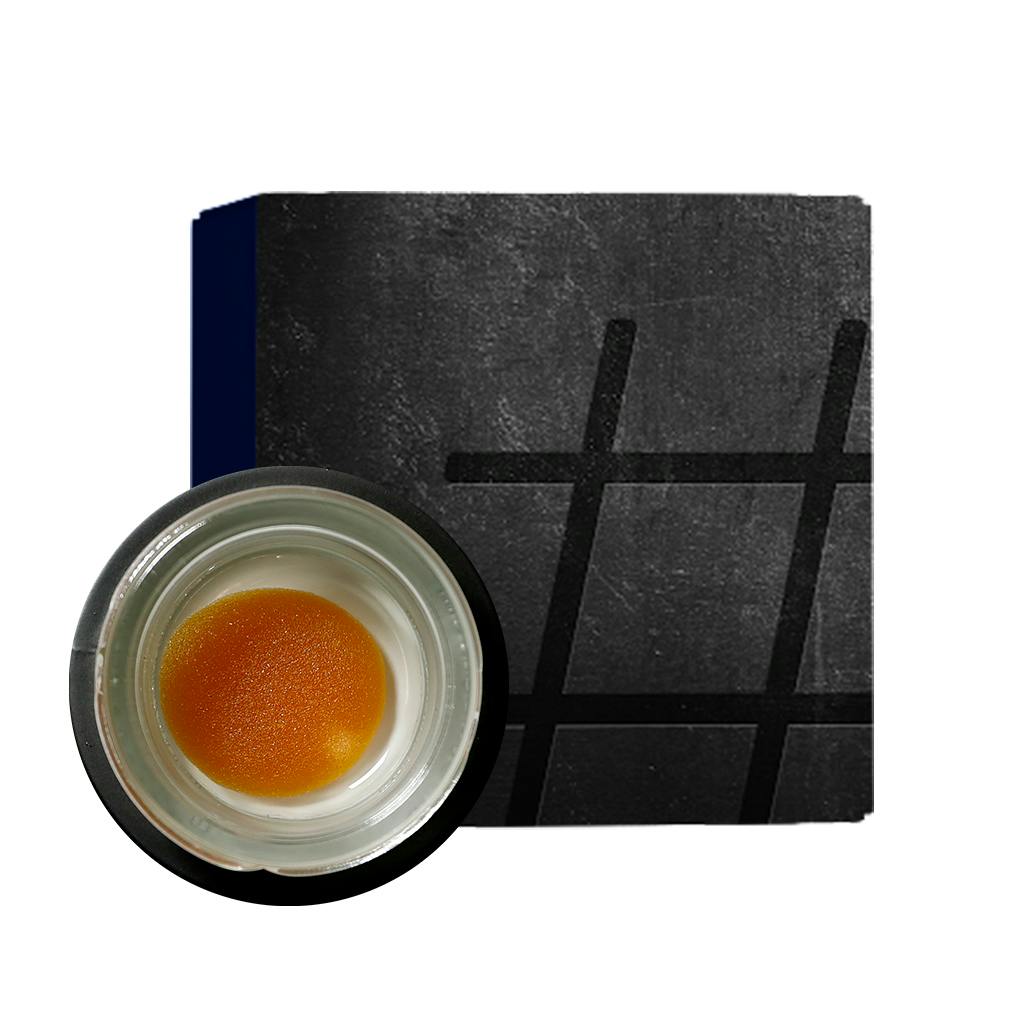
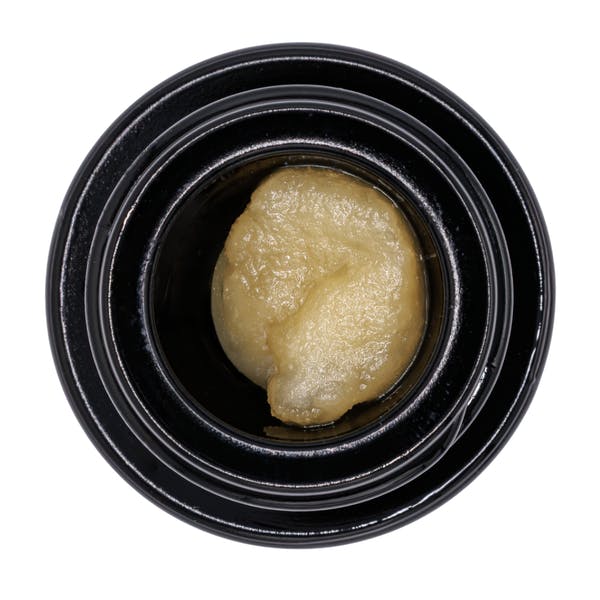
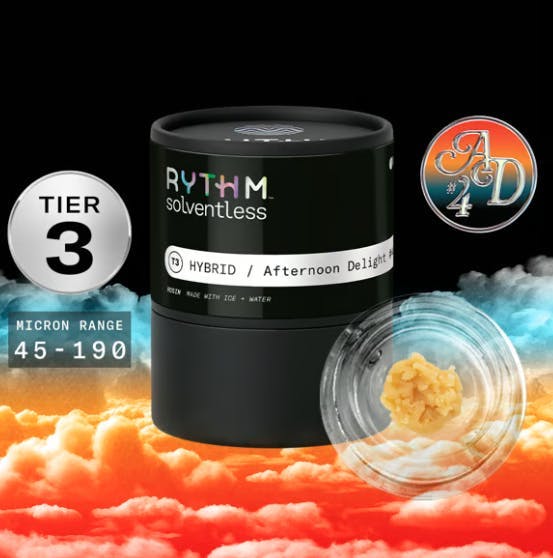
$82after tax
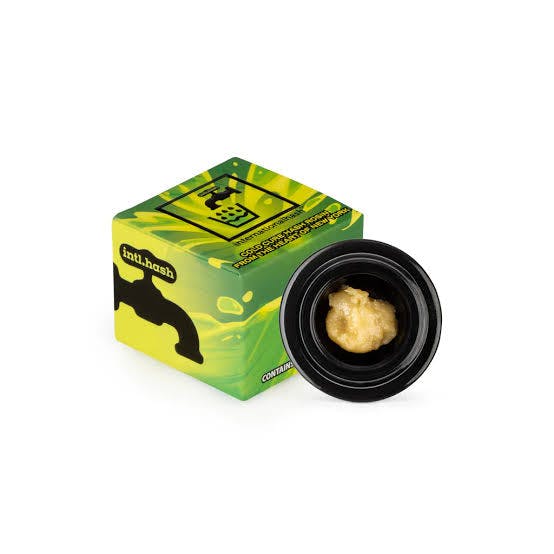
$75after tax
Yes. Under New York State's adult-use cannabis framework, any person 21 or older may legally purchase concentrates from a licensed dispensary or through licensed delivery. Freeport's 11520 ZIP code falls within Nassau County, which is covered by the Office of Cannabis Management's statewide adult-use licensing structure. All products sold through licensed retailers are required to carry third-party lab testing results, including total cannabinoid content and any residual solvent data relevant to the extraction method used.
Both live rosin and live resin begin with freshly frozen cannabis to preserve terpenes that would otherwise degrade during a traditional dry-and-cure process. The distinction is in extraction method: live resin uses hydrocarbon solvents, while live rosin uses only heat, pressure, and sometimes ice water. Solventless live rosin carries a premium price point and a strong following among Nassau County concentrate enthusiasts. Both formats are available through licensed New York retailers, though live rosin from small-batch producers may appear in more limited runs.
Freeport's coastal humidity can degrade concentrate quality if storage is not managed. Solventless concentrates like bubble hash and rosin are particularly sensitive — refrigeration in an airtight glass or silicone container is the most reliable approach during summer months. Hydrocarbon extracts such as shatter and wax tolerate ambient temperature better but should still be kept away from direct sunlight and heat. When transporting concentrates to outdoor spots along Woodcleft Canal, a small insulated case keeps the product at a stable temperature and prevents texture changes from solar exposure.
The most accessible entry point for concentrate newcomers is a portable electronic vaporizer designed specifically for extract — often called an e-rig or electronic dab device. These units offer adjustable temperature settings, which allows lower-temperature use that preserves terpene flavor and produces less harsh vapor than a traditional torch-heated quartz banger. A silicone or glass-sealed storage container and a stainless steel or titanium dab tool round out the basics. Traditional glass rigs are also effective but involve a learning curve around torch safety and heat management that electronic devices largely eliminate.
Licensed concentrates in New York generally test between 70 and 92 percent total THC depending on the extraction method and specific cultivar. That range is substantially higher than even the most potent licensed flower, which means portion size matters considerably. A session quantity often measured in fractions of a gram — sometimes as little as a tenth or less — delivers effects quickly and with intensity. New York adult-use guidelines do not specify dosing, but the broadly recognized principle of starting with the smallest perceptible quantity and waiting before repeating is especially relevant in this category.
Yes. ZenZest Cannabis Dispensary offers free same-day delivery on orders over $100 to eligible New York ZIP codes, and 11520 is within that service area. Orders are placed through the dispensary's licensed online platform, and delivery is handled by licensed couriers in compliance with New York State cannabis delivery regulations. For Freeport residents who prefer to shop the full concentrate menu from home before making a selection, this delivery option provides both convenience and access to the full range of available extract formats.
Both solventless and solvent-based concentrates sold through licensed New York dispensaries are subject to mandatory residual solvent testing. A licensed hydrocarbon extract that passes testing has confirmed solvent levels within acceptable thresholds set by the Office of Cannabis Management — it is not inherently unsafe. The preference for solventless is philosophical and often flavor-driven rather than a strict safety distinction. Shoppers who value a minimal-processing approach or who simply prefer the terpene expression of rosin over resin are welcome to prioritize solventless options, but both categories are held to the same regulatory standard.
Myrcene, caryophyllene, limonene, linalool, pinene, and terpinolene are among the most frequently occurring terpenes in licensed New York concentrates. High-quality live rosin or live resin will typically list total terpene percentage alongside a breakdown of dominant compounds. Freeport shoppers who are planning an active afternoon near the Nautical Mile may find pinene- or limonene-forward profiles more suited to an engaged, social mood. Those looking for a relaxed evening after a day on the water may prefer myrcene- or linalool-dominant options. Reading the terpene panel rather than relying solely on sativa or indica labeling tends to produce more consistent and satisfying results.
Kief — the collected trichome powder that separates from cannabis flower during grinding or dry-sifting — is technically the simplest form of dry-sift concentrate and is classified within the concentrates category by most licensed retailers. It is available at select New York adult-use dispensaries, often as an affordable entry point into the concentrate segment. Kief can be added to a bowl of flower, pressed into hash, or used to finish a pre-roll for added potency. Because it is less processed than rosin or resin, its terpene content and potency vary more between batches, but the format has a devoted following among experienced consumers.
Concentrates deliver effects almost immediately — within seconds to a couple of minutes — in contrast to edibles, which can take 45 minutes to two hours for onset. That immediacy allows for more precise session management, which suits a Freeport afternoon where plans shift with the tide. The experience is also more intense per unit consumed than flower, and the duration is often somewhat shorter than with edibles. For adults who are comfortable with cannabis but prioritizing quality over quantity during a social evening on South Main Street or a quiet hour by Woodcleft Canal, a thoughtfully dosed concentrate session can be a more calibrated choice than a longer-burning alternative.
Pick your store
We'll show pricing, deals, and delivery zones for the store you pick. You can switch any time from the header.