On sale· 20% OFF
THC 70.7%Indica-Hybrid
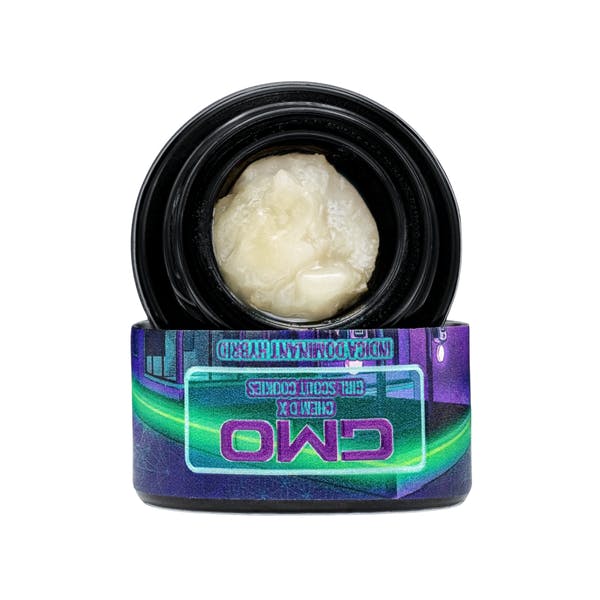
UmamiiUmamii | Live Rosin Jar | GMO · 2g
$80.00$100.00
$93after tax

weeddispensarynearme.com
You must be 21 years or older to enter. By entering, you confirm you’re of legal age in your state to purchase cannabis.
For use only by adults 21+ • Keep out of reach of children
Fort Greene's cultural density — from the brownstone blocks flanking DeKalb Avenue to the open lawns of Fort Greene Park — draws residents who think carefully about what they consume. Rosin, the solventless concentrate pressed from flower or hash, fits naturally into that considered sensibility: clean inputs, no chemical residues, and a flavor profile that rewards attention.
About Rosin
Rosin occupies a distinct tier within New York's legal concentrate market. Unlike hydrocarbon extracts such as BHO or PHO, rosin is produced exclusively through heat and pressure, meaning no solvent ever contacts the starting material. What reaches the consumer is a pure expression of the original plant — its cannabinoids, terpenes, and minor compounds intact in proportions that closely mirror the source cultivar. That fidelity is why concentrate enthusiasts consistently rank rosin among the most nuanced formats available under New York's adult-use framework. New York's Office of Cannabis Management licenses producers to sell rosin in several physical expressions. Live rosin is pressed from freshly frozen plant material, preserving the volatile terpene fraction that would otherwise degrade during a traditional dry-cure. Cured rosin begins with dried and cured flower or sift, yielding a slightly more mellow aromatic character. Both types appear in jars, in rosin badder (whipped to a creamy consistency), and in rosin cartridges — all of which are permitted for adult-use sale in licensed dispensaries across the state. Potency in legal NY rosin typically ranges from the mid-50s to the low 80s in total cannabinoids by percentage, though some single-source hash rosin from small craft producers can push higher. Unlike distillate-based products, that number is less important as a standalone figure than the full cannabinoid and terpene panel, which gives a far more accurate preview of the experience. Shoppers new to concentrates should treat rosin as a category that rewards reading the label carefully rather than sorting by THC percentage alone. Because solventless extraction is labor-intensive and yield-sensitive, rosin commands a premium price relative to solvent-based concentrates. In the New York market, that premium reflects genuine craft: small-batch processing, quality starting material, and a production method that leaves nowhere to hide substandard inputs. For the consumer, the trade-off is straightforward — higher per-gram cost in exchange for a cleaner, more transparent product.
Rosin for Fort Greene shoppers
Fort Greene occupies ZIP codes 11205 and 11217, a pair of Brooklyn neighborhoods shaped by institutions — the Brooklyn Academy of Music on Lafayette Avenue, the Brooklyn Navy Yard along Flushing Avenue to the north, the farmers market that fills the plaza around Fort Greene Park on Saturdays. The residents who move through these streets tend to skew creative-professional: designers, musicians, editors, architects. They are, as a group, accustomed to evaluating quality rather than simply accepting a price point, which makes rosin a logical fit. The category's emphasis on transparency of production mirrors the neighborhood's general preference for knowing where things come from. The commute pattern in Fort Greene also matters. The G and C trains run through Clinton-Washington and Lafayette Avenue stations, connecting residents to Midtown Manhattan and beyond. A commuter returning to the neighborhood after an evening at BAM — a dance performance, a film screening, a concert in the Howard Gilman Opera House — often looks for a wind-down format that offers precision and a short waiting period. Rosin, particularly in a cartridge format for those with lower heat-application setups, or in a small-jar format for home dabbing, answers that use occasion without the lingering questions that surround solvent-extracted alternatives. Seasonal considerations also shape rosin's appeal in Fort Greene specifically. Brooklyn winters are raw in this part of Kings County, and the open stretch of Fort Greene Park becomes genuinely cold between December and March. Concentrate formats that are consumed at home rather than outdoors tend to dominate colder months, and rosin's sensory richness — its expressive terpene profile and full-spectrum character — makes it particularly suited to a quiet evening indoors rather than a rushed outdoor moment.
What to look for
Shopping for rosin in Fort Greene means understanding three variables before opening a menu: starting material, consistency, and terpene panel. Starting material is the single greatest determinant of quality. Hash rosin — pressed from ice-water hash or dry sift rather than directly from flower — represents the apex of the category because the hash-making step concentrates trichomes before the press, resulting in a cleaner, more refined final product. Full-melt ice-water hash pressed into live rosin is the most labor-intensive and typically the most rewarding. Flower rosin, pressed directly from dried cannabis, is more accessible in price and still meaningfully cleaner than any solvent extract. Consistency — the physical form of the rosin — signals processing method and affects the consumption experience. A translucent, sappy rosin that has not been agitated retains a high-terpene, sauce-like quality. Badder or budder, achieved through controlled agitation and temperature, offers a more workable texture that is easier to portion with a dab tool. Rosin cartridges, which blend rosin with a liquidizer or present a live rosin oil, are the most convenient format and the gentlest entry point for those new to concentrates. Terpenes are the most useful guide to what a given rosin will feel like. Myrcene-forward profiles — common in many indica-leaning cultivars — tend toward physical relaxation, appropriate for a post-BAM evening in a DeKalb Avenue apartment. Limonene and terpinolene appear in cultivars associated with a more uplifted, social quality. Caryophyllene, which also binds to CB2 receptors, appears in peppery, complex rosin and is worth noting for those who find pure THC concentrates occasionally too stimulating. As with any high-potency format, the standard guidance applies: start low, go slow, and allow adequate time between sessions to assess effect.
Why ZenZest for rosin in Fort Greene
ZenZest Cannabis Dispensary's Staten Island location at 2343 Forest Ave, Staten Island, NY 10303 serves Fort Greene shoppers as the nearest ZenZest retail address, sitting approximately 10.4 miles from the heart of the neighborhood. The store's inventory reflects the premium end of New York's licensed market, including solventless concentrates sourced from state-licensed producers — making it a relevant destination for Fort Greene residents willing to make a deliberate trip for a considered purchase. For those who prefer not to leave the neighborhood, ZenZest offers free same-day delivery on orders over $100 to more than 80 New York ZIP codes, including 11205 and 11217. A curated rosin order — a jar of live hash rosin, a gram of badder, or a cartridge for lower-temperature sessions — placed before the delivery cutoff arrives without leaving a DeKalb Avenue block or stepping away from a Fort Greene Park afternoon. Adult-use delivery is available to verified customers aged 21 and older in accordance with New York State regulations.
ZenZest Staten Island · 2343 Forest Ave, Staten Island, NY 10303 · 10.4 miles from Fort Greene.
$93after tax
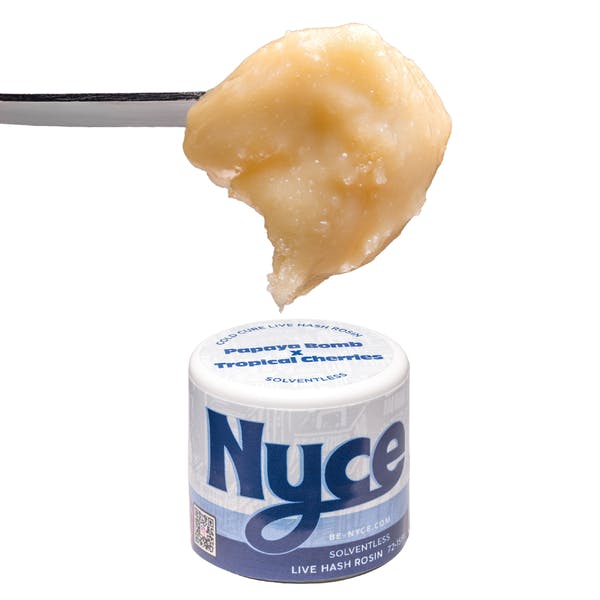
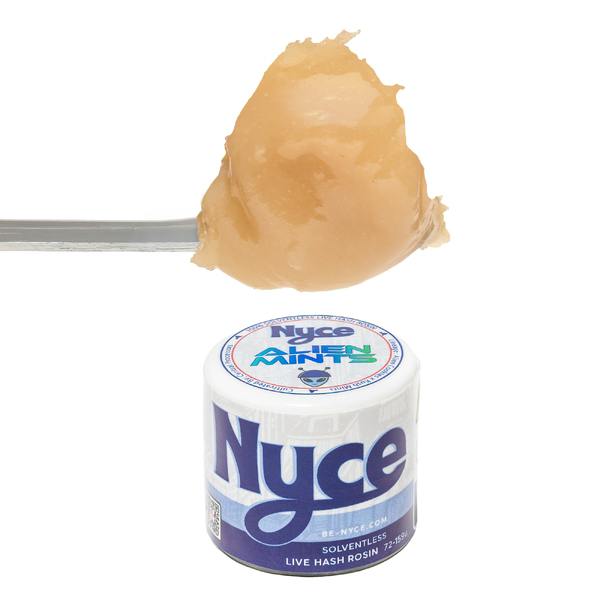
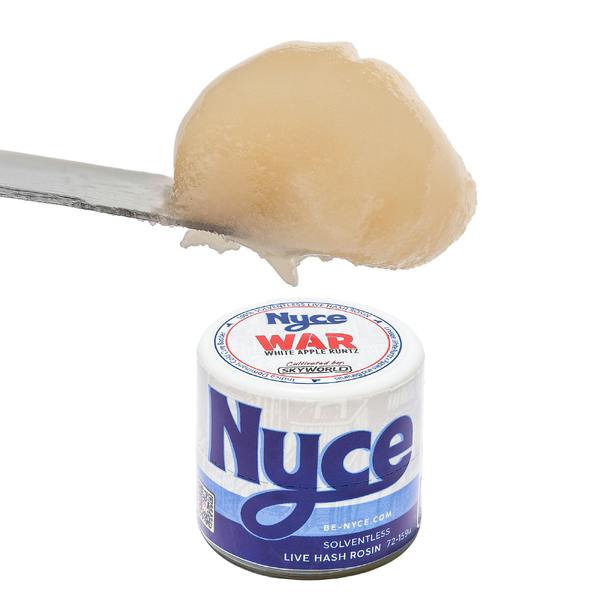
Rosin is a solventless cannabis concentrate produced by applying controlled heat and pressure to flower, dry sift, or ice-water hash. No hydrocarbon solvents — butane, propane, ethanol — are involved at any stage. The result is a full-spectrum extract that preserves the plant's original terpene and cannabinoid profile with minimal processing interference. By contrast, most other concentrates in New York dispensaries, including wax, shatter, and distillate cartridges, use chemical solvents during extraction, which are then purged before the product is sold.
Rosin is significantly more potent than flower — total cannabinoid percentages in the 60 to 80 percent range are common, compared to roughly 15 to 30 percent in flower. For someone accustomed to pre-rolls, the standard guidance is to start with a very small amount, often described as a portion no larger than a grain of rice, and to wait a full 15 to 30 minutes before reassessing. Rosin cartridges, which allow single-puff increments, can make titration more manageable for first-time concentrate users.
Lower temperatures — generally in the 450 to 550 degrees Fahrenheit range for an e-nail or electronic rig — preserve the volatile terpene fraction that gives live rosin its distinctly aromatic quality. Higher temperatures above 600 degrees combust terpenes rapidly and can produce a harsher, less flavorful experience. Fort Greene residents using a standard quartz banger should allow it to cool for 30 to 60 seconds after heating before applying rosin. Cold-start or reverse-dab techniques are increasingly popular for maximum terpene expression.
Rosin is sensitive to heat, light, and oxygen. Short-term storage — within one to two weeks — is well-handled by a cool, dark drawer at room temperature, particularly in the milder months around Fort Greene. For longer storage, a sealed silicone or glass container in a refrigerator is preferable, though condensation can affect consistency when the jar is brought back to room temperature. Freezer storage is appropriate for extended periods, with gradual thawing recommended to minimize moisture exposure.
Live rosin is pressed from plant material that was frozen immediately after harvest, preserving the fresh-plant terpene profile — more floral, citrus, and green aromatic notes tend to dominate. Cured rosin begins with dried and cured starting material, which softens some of the more volatile top notes and can result in a more rounded, earthy character. Neither is categorically superior; the choice depends on whether you prefer a brighter, more expressive profile (live) or a more settled, nuanced one (cured). Both are available through licensed New York retailers.
The price difference reflects production economics rather than marketing. Solventless extraction using ice-water hash requires significant hand labor and careful process control, and yields per pound of starting material are substantially lower than solvent-based methods. High-quality starting material — the cultivar genetics, the grow environment, the harvest timing — has an outsized effect on rosin quality because there is no solvent step to homogenize the inputs. In a neighborhood like Fort Greene, where residents evaluate craft across food, design, and culture, the premium reflects a production process that rewards quality at every stage.
They are meaningfully different. Standard distillate cartridges use highly refined THC oil, often with terpenes added back post-extraction, and contain no whole-plant cannabinoid profile. Live resin cartridges use solvent-extracted oil that preserves more of the natural terpene fraction but still involves chemical processing. Rosin cartridges use rosin as the base oil, either on its own or blended with a minimal liquidizer, and carry the full-spectrum character of the source material. Flavor complexity and minor cannabinoid presence are generally more pronounced in a rosin cartridge.
For a post-performance evening wind-down — the kind that follows a long night at the Brooklyn Academy of Music on Lafayette Avenue — myrcene and linalool are the terpenes most commonly associated with physical relaxation and mental decompression. Caryophyllene, with its peppery, complex note, often accompanies those profiles and may contribute to a calming quality. A rosin with a terpene panel leaning toward those three compounds is generally a reasonable choice for a quiet, introspective evening rather than a social, high-energy one.
Yes. ZenZest Cannabis Dispensary offers free same-day delivery on orders over $100 to more than 80 New York ZIP codes, which includes both 11205 and 11217 — the primary ZIP codes covering Fort Greene. Delivery is available to adults 21 and older in accordance with New York State adult-use cannabis regulations. Identification verification is required at the time of delivery. Orders should be placed with adequate lead time to reach the same-day cutoff.
A Certificate of Analysis from a licensed New York testing laboratory should confirm total cannabinoid content, a full terpene panel with individual compound percentages, and the absence of residual solvents — the last of which should read as non-detected in any properly produced rosin. Pesticide and heavy metal screens are also included in compliant NY testing. For rosin specifically, the terpene panel is the most actionable data point: a total terpene content above two to three percent in a concentrate generally signals a more expressive, aromatic product.
Pick your store
We'll show pricing, deals, and delivery zones for the store you pick. You can switch any time from the header.