Queens · Rosin
Best Rosin in Forest Hills, Queens
Forest Hills, Queens has long cultivated a reputation for discerning taste — from the Tudor Revival streetscapes of Forest Hills Gardens to the curated boutiques lining Austin Street. That same sensibility extends to cannabis. Rosin, the solventless concentrate pressed from flower or hash, has become the connoisseur's choice for adults 21 and older who want purity, transparency, and expressive flavor in every session.
About Rosin
Rosin occupies a singular position in the New York licensed cannabis market. Unlike hydrocarbon-extracted concentrates, rosin is produced entirely without chemical solvents — only heat and pressure are applied to cannabis flower, dry sift, or bubble hash to coax out a golden, resinous oil that retains a remarkably intact terpene and cannabinoid profile. The result is a product that serious consumers regard the way a sommelier regards a minimal-intervention wine: the terroir of the cultivar speaks clearly, without interference. New York's licensed dispensary system has brought meaningful quality controls to the concentrate category. Every rosin product on a compliant shelf must carry a certificate of analysis from an accredited third-party laboratory, confirming cannabinoid percentages, terpene concentrations, and the absence of residual pesticides or heavy metals. For shoppers accustomed to the unregulated market, this transparency is genuinely new, and it matters most in a category as nuanced as rosin, where subtle differences in source material and pressing technique produce dramatically different end products. The format itself comes in several expressions. Fresh-press rosin — made from recently frozen or freshly dried flower — tends toward lighter color, fluid consistency, and vivid top-note terpenes. Cured flower rosin offers more oxidized, earthy character. Live rosin, pressed from ice-water hash derived from flash-frozen whole plants, is widely considered the apex of the format: full-spectrum, aromatic, and rich with minor cannabinoids. Badder, jam, and sauce textures result from different handling and storage temperatures post-press. THC potency in rosin typically ranges from the mid-60s to the low 80s in percentage terms, though potency alone is a limited proxy for quality. The more meaningful indicators are terpene diversity, color clarity, and the reputation of the cultivar from which the rosin was pressed. New York's licensed producers have invested heavily in small-batch, craft-oriented rosin programs, making the state's compliant market a genuinely exciting one for concentrate enthusiasts.
Rosin for Forest Hills shoppers
Forest Hills sits at an interesting intersection of New York rhythms. The neighborhood draws longtime residents who value quiet, tree-lined blocks — the kind one finds threading through Forest Hills Gardens near the West Side Tennis Club — alongside younger professionals who commute into Midtown or Downtown Brooklyn via the E, F, M, and R trains at Forest Hills–71st Avenue. Metropolitan Avenue and Austin Street together form a commercial corridor that skews toward quality over volume: independent restaurants, specialty coffee, thoughtful retail. Rosin fits this consumer profile well. For the Forest Hills commuter, rosin offers a degree of efficiency that flower simply cannot match. A small quantity — enough for several sessions — fits discreetly in any bag, carries no combustion odor when stored sealed, and, when consumed via a portable electronic dab device, produces a vapor that dissipates quickly. For residents who treat cannabis as a considered evening ritual rather than a casual habit, a half gram of live rosin from a well-grown cultivar can anchor a quiet night in without the social overhead of rolling or packing a bowl. Seasonally, the neighborhood's character shifts in ways that inform concentrate preferences. Queens winters can be sharp and damp along the elevated train corridor, and heavier, more sedative terpene profiles — myrcene-forward cultivars, for instance — find their audience during those months. Come summer, when Forest Hills Gardens hosts its occasional outdoor gatherings and Austin Street sidewalk dining fills out, lighter, more citrus- or pine-forward expressions of rosin tend to suit the mood. The neighborhood's relatively high median household income also means that residents are generally willing to invest in the premium end of the concentrate market rather than defaulting to cheaper, solvent-based options.
What to look for
When evaluating rosin at a licensed New York dispensary, color is the first indicator worth noting. A pale gold to light amber hue generally signals fresher, more carefully handled source material and a lower-temperature press that preserved volatile terpenes. Darker browns can indicate older flower, higher press temperatures, or post-press oxidation — none of which are disqualifying on their own, but all of which suggest a product that will read earthier and less aromatic than its lighter counterparts. Terpene content is the next axis of evaluation, and it is where rosin genuinely distinguishes itself from solvent-based concentrates. Look for products whose certificates of analysis list total terpene percentages above two percent, and pay attention to which specific compounds dominate. Limonene and terpinolene tend to produce energetic, citrus-inflected experiences well suited to daytime or early-evening use — relevant for the Forest Hills professional who wants something purposeful rather than sedating after a long E-train commute. Myrcene and linalool profile toward relaxation and are better suited to later hours. Caryophyllene, present in many modern cultivars, adds a spiced, peppery note and is frequently highlighted in products intended for stress relief. Format trade-offs matter in practice. Rosin requires a dab rig or a purpose-built electronic vaporizer — it does not perform well in standard dry-herb devices or pre-roll wraps. If you are new to concentrates, a battery-powered e-rig or portable dab pen compatible with concentrates removes a significant barrier to entry, and the start-low, go-slow principle applies with particular force here given the elevated cannabinoid concentrations. A fraction of what you would use with flower is typically sufficient, especially with live rosin pressing above seventy percent total cannabinoids. Purchase from licensed retailers only, where dosing information and lab data are printed on every package.
Why ZenZest for rosin in Forest Hills
ZenZest Cannabis Dispensary operates its Queens location at 272-06 Union Tpke in Bellerose — approximately 6.8 miles from Forest Hills, a straightforward drive east along Union Turnpike or a manageable car-service trip for those without a vehicle. The store carries a curated selection of licensed New York concentrates, including rosin from craft and small-batch producers, with staff trained to walk shoppers through certificates of analysis, terpene profiles, and format considerations without pressure or jargon. For Forest Hills residents who prefer not to make the trip, ZenZest offers free same-day delivery on orders over one hundred dollars to more than eighty New York ZIP codes, with 11375 among the eligible areas. Orders placed through the ZenZest platform arrive in discreet, properly sealed packaging that meets all New York State adult-use requirements. Whether you are building a concentrate collection for the first time or restocking a familiar rotation, ZenZest's delivery option makes accessing premium rosin from your Austin Street apartment or Forest Hills Gardens townhouse genuinely frictionless.
ZenZest Queens · 272-06 Union Tpke, Bellerose, NY 11004 · 6.8 miles from Forest Hills.
Live rosin for Forest Hills
Full rosin menu →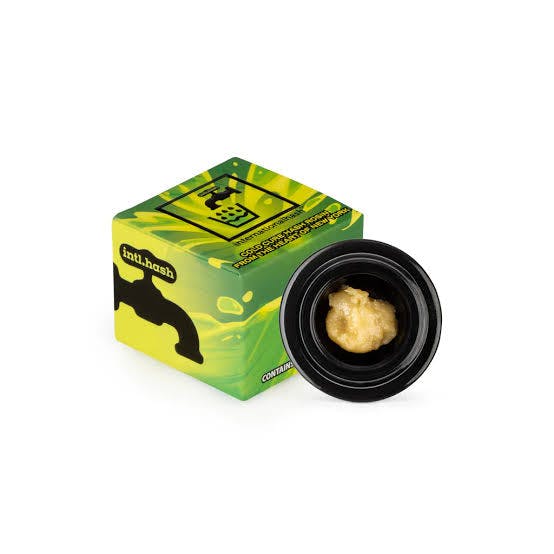
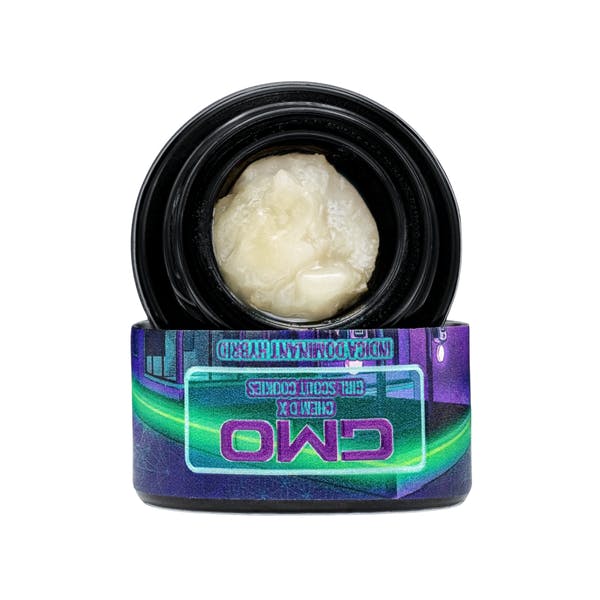
THC 75.73%Hybrid
INTERNATIONAL HASHInternational Hash | Cold Cure Hash Rosin | Grapefruit Hybrid · 1g
$66.37
$75after tax
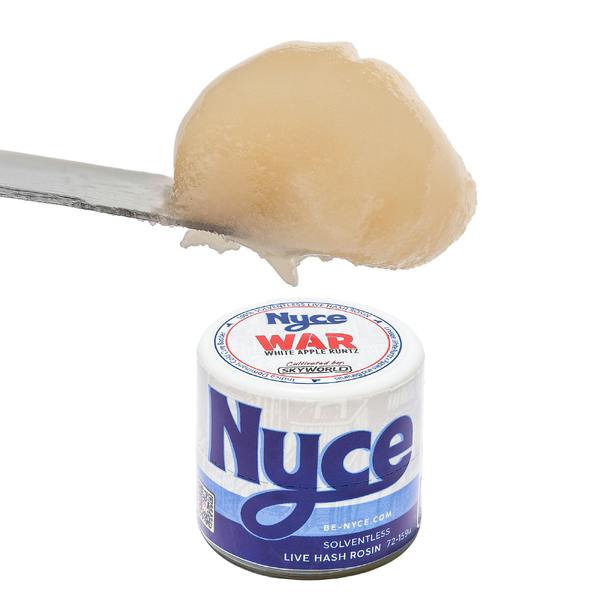
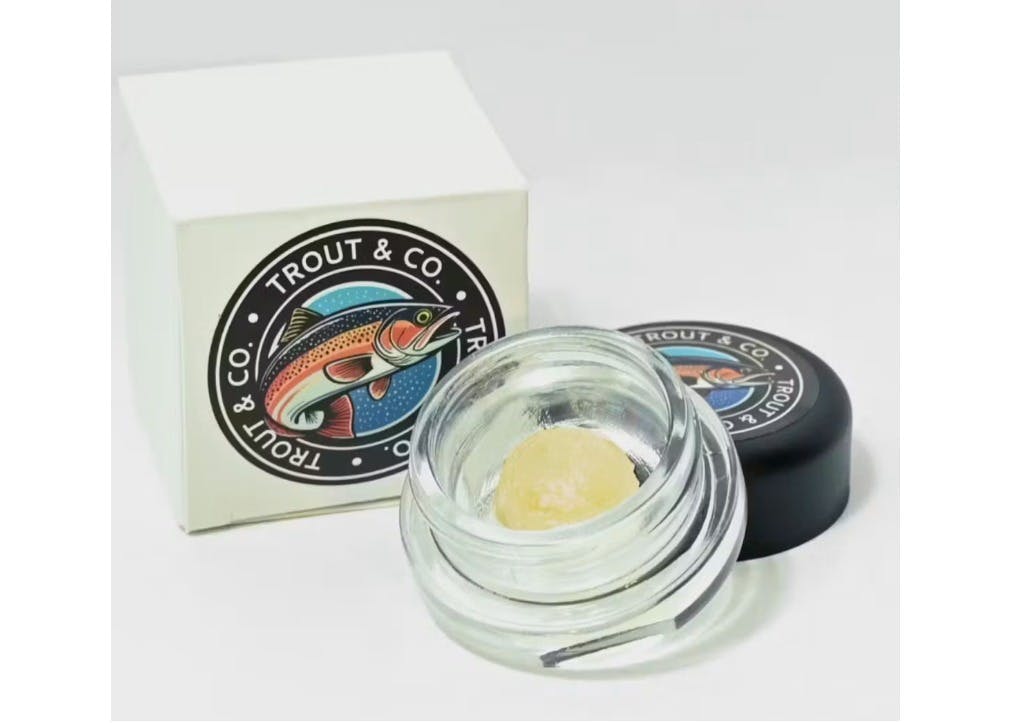
THC 77.52%Hybrid
Trout & Co.Trout & Co. | Super Funk | Live Rosin Private Reserve · 1g
$88.50
$100after tax
Rosin in Forest Hills — answers
What makes rosin different from other concentrates available at licensed Queens dispensaries?+
Rosin is produced using only heat and mechanical pressure — no chemical solvents such as butane, propane, or ethanol are involved. This solventless process preserves a broader range of terpenes and minor cannabinoids than most extraction methods allow, and it means there is no risk of residual solvents in the finished product. For shoppers in Forest Hills who bring the same scrutiny to a cannabis purchase that they might bring to a specialty food aisle on Austin Street, rosin's process transparency is a meaningful differentiator.
What equipment do I need to consume rosin at home in Forest Hills?+
Rosin requires either a traditional dab rig with a quartz banger and a torch, or a battery-powered electronic dab device. The latter is the more practical choice for most apartment dwellers and townhouse residents in Forest Hills — it maintains consistent temperature, requires no open flame, and is easy to store discreetly. Several portable e-rigs and concentrate-compatible vaporizers are available at licensed dispensaries and specialty retailers. Ensure any device is designed specifically for concentrates, as rosin does not function in standard dry-herb vaporizers.
How should I store rosin purchased from a licensed New York dispensary?+
Rosin is sensitive to heat, light, and air exposure, all of which accelerate terpene degradation and alter consistency. Store it in the sealed, airtight container it came in, kept in a cool, dark location — a kitchen drawer or cabinet away from the stove works well. For longer-term storage, a small dedicated refrigerator or even a freezer is appropriate, though you should allow the product to return to room temperature before opening to avoid condensation contaminating the rosin. Properly stored, rosin retains its quality for several months.
What THC percentage should I expect in live rosin from New York licensed producers?+
Live rosin from New York's licensed craft producers typically tests between sixty-five and eighty-two percent total THC, though the specific figure varies by cultivar, pressing batch, and producer. It bears repeating that THC percentage is an incomplete measure of quality or experience in this category. A rosin testing at sixty-eight percent with a rich, diverse terpene profile will often deliver a more nuanced and satisfying session than one testing at seventy-eight percent with minimal terpene presence. Always review the full certificate of analysis, not the THC number alone.
Is live rosin appropriate for someone who primarily uses flower and is new to concentrates?+
Live rosin can absolutely be a first concentrate experience, but the start-low, go-slow principle is especially relevant here. The cannabinoid concentrations are substantially higher than those in flower, and new users often underestimate the potency difference. Begin with a very small amount — considerably less than you would intuitively expect — and allow adequate time before reassessing. Many Forest Hills residents who make the transition find that a single small session with quality live rosin is more satisfying than a longer flower session, once they have calibrated their intake.
What is the difference between live rosin and cured flower rosin, and which should I choose?+
Live rosin is pressed from bubble hash made using flash-frozen whole plants harvested at peak ripeness, preserving the most volatile and aromatic terpene compounds. It tends toward brighter, more complex flavor profiles. Cured flower rosin is pressed from dried and cured flower and reads earthier, with a more muted aromatic character. Live rosin commands a higher price and is generally considered the more expressive product. For a first exploration of the category, live rosin gives the clearest sense of what makes solventless concentrates distinctive. Cured rosin can be an excellent value for those with an established preference.
Can I have rosin delivered to my address in Forest Hills, ZIP code 11375?+
Yes. ZenZest Cannabis Dispensary offers free same-day delivery on orders over one hundred dollars, and the 11375 ZIP code is among its eligible delivery areas. Orders are placed through ZenZest's platform and arrive in compliant, discreet packaging. Same-day delivery is a practical option for Forest Hills residents who do not want to drive to Bellerose and prefer the convenience of having licensed cannabis products arrive directly at their door within the same business day.
Which terpenes are most commonly found in rosin, and how do they affect the experience?+
The terpene landscape in rosin mirrors that of the source cultivar, which is part of what makes solventless concentrates so valued. Myrcene, the most common cannabis terpene, contributes earthy, musky notes and is associated with more relaxing effects. Limonene offers citrus brightness and is often present in uplifting cultivars. Caryophyllene adds spice and is frequently highlighted for its stress-moderating associations. Pinene brings sharp, resinous clarity. Terpinolene appears in certain sativa-leaning cultivars and reads floral and herbal. Reviewing terpene percentages on a product's certificate of analysis allows you to select a rosin aligned with your preferred experience.
Are all rosin products at licensed New York dispensaries lab-tested?+
Yes. New York State's adult-use cannabis regulations require that every product sold at a licensed dispensary carry a certificate of analysis from an accredited independent laboratory. For rosin, this means confirmation of total cannabinoid percentages, terpene concentrations, and testing for residual solvents (which should register as non-detected in a properly made solventless product), pesticides, heavy metals, and microbial contaminants. This regulatory requirement is one of the most important reasons to purchase exclusively from licensed retailers, particularly for concentrates where quality and purity are central concerns.
How does rosin compare in price to other concentrate formats at Forest Hills-area dispensaries?+
Rosin, particularly live rosin, sits at the premium end of the New York concentrate market. A half gram of live rosin from a reputable craft producer typically ranges from forty to sixty-five dollars at licensed dispensaries, with full-gram options scaling accordingly. Cured flower rosin is generally priced lower. Solvent-based concentrates such as live resin or distillate cartridges tend to be more affordable. The price premium for rosin reflects the labor-intensive production process, the quality of source material required, and the relatively small batch sizes that characterize New York's craft solventless producers. For many Forest Hills shoppers, that investment aligns with how they approach other premium consumables.