
Nassau County · Rosin
Best Rosin in Elmont, Nassau County
Elmont, the Nassau County enclave where Hempstead Turnpike meets the thunder of Belmont Park, has quietly cultivated a discerning cannabis audience. Rosin — the solventless concentrate prized for its purity and full-spectrum expression — is the category drawing serious attention from 11003 shoppers who know the difference between a pressed product and a processed one.
About Rosin
Rosin occupies a singular position in the modern concentrate landscape precisely because it asks nothing of chemistry. Heat and pressure are the only inputs: fresh or cured flower, hash, or bubble hash is squeezed until the resin-rich oil weeps away from the plant material, collecting as a translucent, amber-to-golden sheet of unadulterated cannabis extract. No hydrocarbons, no ethanol, no residual solvents — what you receive in the jar is, in essence, the plant's own chemistry distilled to its most concentrated form. Within New York's licensed adult-use market, rosin falls under the broader concentrate and extract category regulated by the Office of Cannabis Management. Every batch sold through a licensed retailer carries a certificate of analysis confirming potency, terpene content, and the absence of microbial or heavy-metal contamination — assurances that matter considerably when the product you are consuming began life as a simple physical process rather than an industrial extraction. That transparency is part of rosin's appeal to the informed buyer. Formats vary meaningfully. Fresh-press rosin, made from freshly frozen plant material, tends toward a saucier, more aromatic consistency and preserves volatile terpenes that would otherwise degrade during drying and curing. Cured rosin, made from traditionally harvested flower, delivers a more shelf-stable badder or budder texture with a slightly earthier terpene profile. Hash rosin — pressed from ice-water-extracted bubble hash — represents the category's apex: richer, creamier, and carrying the full cannabinoid and terpene complexity of the source cultivar. For shoppers new to concentrates, the learning curve is real but not steep. Rosin is typically consumed via a dab rig, a dab pen, or a purpose-built wax vaporizer. Because potency regularly lands between 60 and 85 percent total cannabinoids, the standard guidance applies firmly here: start low, go slow, and allow sufficient time between inhalations to assess effect before continuing.
Rosin for Elmont shoppers
Elmont sits at a peculiar and appealing crossroads. It is technically Nassau County — ZIP 11003 — yet its western edge brushes Queens so closely that many residents commute into Jamaica or Hollis without a second thought. Hempstead Turnpike bisects the neighborhood as its main commercial artery, lined with a mix of family-owned businesses and strip-mall convenience, while Elmont Road threads residential blocks of well-kept split-levels and colonials where generational homeownership is the norm. The demographic profile is diverse, working-class-to-middle-class in character, and deeply community-oriented. Belmont Park looms as the neighborhood's cultural anchor — and not only during racing season. The sprawling grounds, the hum of big-event energy, and the cyclical excitement of the Belmont Stakes create a local culture attuned to premium experiences and celebratory occasions. For the cannabis consumer, that translates naturally to a product like rosin: something set aside for the right moment, treated with some ceremony, and appreciated rather than simply consumed. A post-race evening at home with a small dab of a well-sourced hash rosin is an entirely different proposition from a pre-rolled cone grabbed on the go. Elmont's commuter reality also shapes consumption patterns. Many residents drive or take the Long Island Rail Road into the city, keeping weekday evenings relatively contained and weekends more expansive. Rosin — purchased thoughtfully, stored properly, and used in a home setting — aligns well with that weekend leisure rhythm. Whether the occasion is a backyard gathering in the warmer months along Elmont Road or a quiet winter evening after a cold LIRR ride back from Penn Station, solventless concentrate offers a controlled, potent, and genuinely artisanal experience that reflects the neighborhood's appreciation for quality without pretension.
What to look for
Selecting rosin begins with understanding the source material, because quality flows upstream. Hash rosin pressed from six-star bubble hash — meaning the melt quality is near-total and the trichome heads are intact — will outperform a rosin pressed directly from mid-tier flower every time. When reviewing a product label or COA, look for total terpene percentages alongside THC and CBD figures. A rosin with two to four percent total terpenes is expressive; anything above that is genuinely aromatic and worth the premium. Terpene profiles in rosin vary by cultivar and carry real experiential weight. Myrcene-forward cultivars tend toward sedating, body-oriented effects well suited to evening use — relevant for Elmont residents unwinding after a long LIRR commute or a full day at Belmont. Limonene and terpinolene-dominant profiles skew more uplifting and cerebral, making them a better fit for weekend afternoon occasions when clarity is preferred. Caryophyllene, a sesquiterpene with noted affinity for CB2 receptors, appears frequently in rosin pressed from OG and Kush lineages and contributes a peppery, grounding quality. Understanding which terpene profile matches your intended occasion is more useful than chasing a raw THC percentage. Consistency and color are reliable proxies for quality at the point of purchase. Fresh-press rosin that is clear to light amber with a fluid, saucy consistency indicates minimal oxidation and careful cold-cure handling. Darker, brownish rosin may still be potent but has likely experienced heat stress or prolonged exposure to oxygen. For format, dab pens and portable e-rigs are increasingly the choice of concentrate consumers who prefer discretion and dose control — particularly useful in Elmont's suburban, neighbor-aware environment where a full dab rig setup is not always practical.
Why ZenZest for rosin in Elmont
ZenZest Cannabis Dispensary's Queens location at 272-06 Union Turnpike in Bellerose sits approximately 2.6 miles from Elmont's 11003 ZIP code — a straightforward drive west on Hempstead Turnpike or a short route through the residential connector streets that link Nassau and Queens along this corridor. The store's concentrate selection reflects the premium positioning of the broader ZenZest brand: vetted, licensed New York cultivars and processors, clearly labeled COAs, and staff familiar enough with rosin's nuances to guide a first-time concentrate buyer with the same ease they guide a veteran dabber toward something new. For Elmont residents who prefer not to make the drive, ZenZest offers free same-day delivery on orders over one hundred dollars to more than eighty New York ZIP codes, a list that includes 11003. That means a carefully chosen hash rosin or fresh-press can arrive the same day it is ordered — no cross-county errand required. The delivery model suits Elmont's suburban pace well: browse the menu at your leisure, place the order on a weekday afternoon, and have it waiting by the time the evening commute is done.
ZenZest Queens · 272-06 Union Tpke, Bellerose, NY 11004 · 2.6 miles from Elmont.
Live rosin for Elmont
Full rosin menu →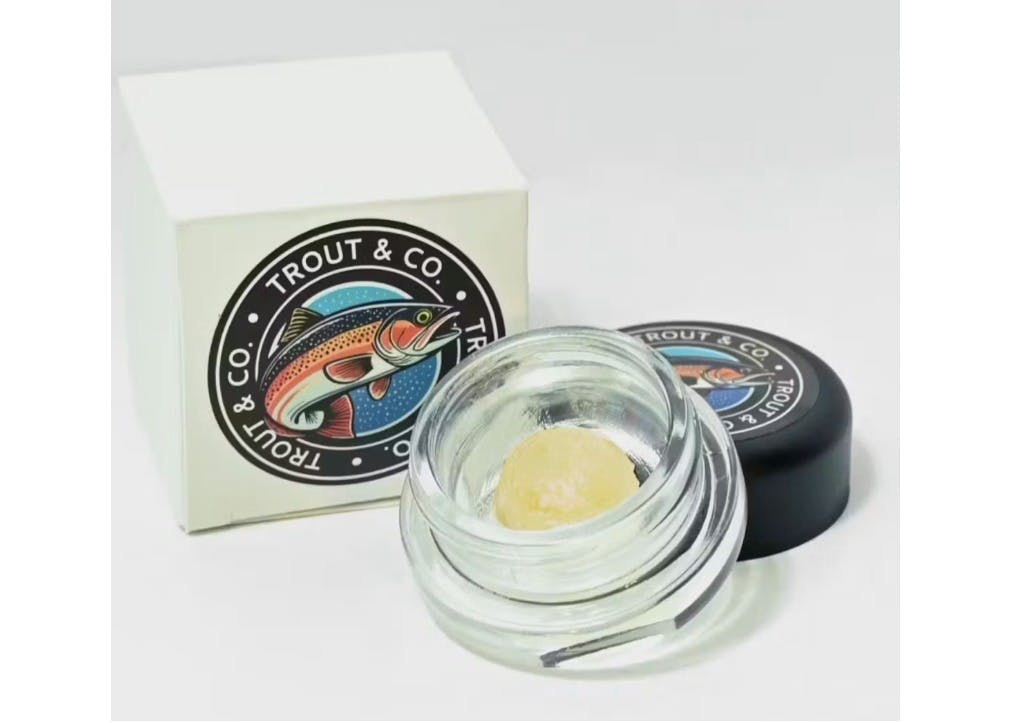
THC 77.52%Hybrid
Trout & Co.Trout & Co. | Super Funk | Live Rosin Private Reserve · 1g
$88.50
$100after tax

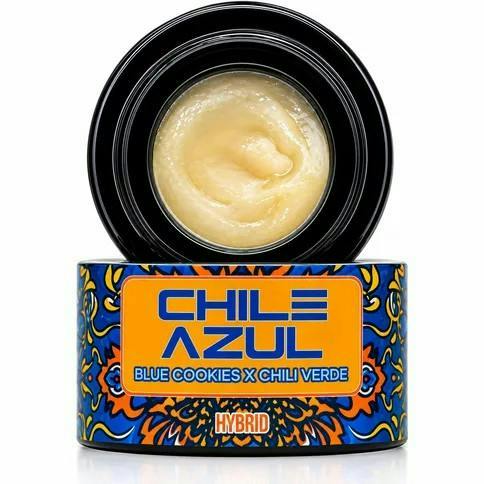
THC 76.28%Hybrid
Trout & Co.Trout & Co. | Sweet Vidalia | Live Rosin Private Reserve · 1g
$88.50
$100after tax
Rosin in Elmont — answers
What exactly makes rosin different from other concentrates available at New York licensed dispensaries?+
Rosin is produced exclusively through heat and pressure — no chemical solvents such as butane, propane, or ethanol are involved at any stage. This solventless process means there is no risk of residual solvents in the final product, and the resulting extract preserves the full terpene and cannabinoid profile of the source material more faithfully than most hydrocarbon or distillate-based concentrates. For shoppers in Elmont who prioritize clean-input products, rosin's process transparency is a meaningful differentiator in the licensed New York market.
Is rosin appropriate for someone who has only ever smoked flower?+
It can be, but the transition deserves some care. Rosin typically tests between 60 and 85 percent total cannabinoids, compared to 18 to 30 percent in most flower. The 'start low, go slow' principle applies with particular seriousness here. A very small amount — often described as a rice-grain-sized dab — is a reasonable starting point. Many new concentrate users in Elmont find that a dab pen or a low-temperature electronic rig offers more control and gentler delivery than a traditional dab rig heated with a torch.
What storage conditions keep rosin fresh in Elmont's humid summers and cold winters?+
Rosin is sensitive to heat, light, and oxygen. In Elmont's humid Nassau County summers, room-temperature storage is not ideal — heat accelerates terpene loss and can cause fresh-press rosin to become runny and degrade. A sealed, airtight glass jar stored in a cool, dark location or in the lower drawer of a refrigerator is the most reliable approach year-round. For extended storage beyond a few weeks, a freezer is appropriate, though the product should be brought fully to room temperature before opening to prevent condensation from contacting the rosin.
How do I know which rosin consistency — badder, sauce, or live — is right for me?+
Consistency is largely a matter of handling preference and intended use rather than a reliable quality indicator on its own. Badder and budder textures — creamy and easy to scoop — are forgiving and work well with dab pens. Sauce and fresh-press consistencies are more fluid and aromatic, prized by experienced users for their terpene intensity, but require a more practiced hand with a dab tool. Live rosin, pressed from freshly frozen material, carries the most vivid terpene expression of the category. For Elmont shoppers new to rosin, a cold-cure badder from a quality hash rosin processor is often the best entry point.
Are there rosin products suited to use near Belmont Park on race day or during a public event?+
New York adult-use cannabis regulations prohibit consumption in public spaces, including outdoor venues and event areas. Rosin is strictly a private-residence product in that legal context — it is not appropriate for use at Belmont Park or any public gathering. The responsible approach for Elmont residents attending Belmont events is to enjoy rosin at home before or after an outing, not at the venue or in a vehicle. New York's adult-use framework exists to protect consumers and communities, and adherence to those boundaries is essential.
Does ZenZest deliver rosin to my address in Elmont's 11003 ZIP code?+
Yes. ZenZest Cannabis Dispensary offers free same-day delivery on orders over one hundred dollars to more than eighty New York ZIP codes, and 11003 is among the eligible delivery areas. Elmont residents can browse ZenZest's concentrate menu online, select from available rosin products, and schedule same-day delivery without making the drive to the Queens store on Union Turnpike. Delivery is fulfilled by licensed carriers in compliance with New York's adult-use transport regulations, and all products arrive sealed and properly labeled.
What terpene profiles are best for evening use after a long LIRR commute from the city?+
For winding down after a commute, myrcene-dominant rosin cultivars are a natural fit. Myrcene is associated with relaxing, body-settling qualities and is found in abundance in Kush, Gelato, and many indica-leaning cultivars. Linalool, a floral terpene also present in lavender, contributes a calming character in some rosin profiles. Caryophyllene adds a grounding, peppery note without the sedation of myrcene alone. These terpene signatures complement the transition from a busy commute environment to a quiet Elmont evening at home far better than a limonene or terpinolene-forward cultivar would.
How is rosin taxed and priced in New York's adult-use market, and what should I expect to spend?+
New York adult-use cannabis purchases are subject to state excise tax of nine percent on the sale price, plus a potency-based tax on THC content, in addition to applicable local sales tax. Concentrate products like rosin tend to carry higher per-gram taxes relative to flower because of their elevated THC concentrations. At licensed New York dispensaries, rosin typically retails from roughly forty to ninety dollars per gram depending on the tier — flower-pressed rosin on the lower end, premium six-star hash rosin from sought-after cultivators on the higher end. Quality and provenance justify the range considerably.
Can I use rosin in a regular dry-herb vaporizer?+
Rosin should not be used in a dry-herb vaporizer designed for flower — the extract will clog the chamber, degrade the heating element, and produce an unpleasant result. Rosin requires either a dedicated dab rig, a concentrate-compatible electronic rig, or a wax or concentrate pen with a ceramic or quartz atomizer. Some multi-mode vaporizers include a concentrate insert designed for exactly this purpose. If you are new to concentrate hardware and plan to use rosin regularly, investing in a purpose-built device designed for solventless extracts will protect both the product and your equipment.
How does the quality of rosin available in New York's licensed market compare to what was available before legalization?+
The difference is substantial. Licensed New York processors must meet OCM standards that include testing for potency, terpenes, residual solvents, heavy metals, pesticides, and microbial contamination — none of which applied to the unregulated market. Consumers in Elmont purchasing rosin from a licensed retailer like ZenZest receive a product with a full chain of custody, a verified COA, and packaging that accurately represents what is inside the jar. The cultivar selection has also expanded dramatically, with New York-grown source material from licensed farmers producing rosin with genuine regional character and genetic diversity.