
Queens · Rosin
Best Rosin in Elmhurst, Queens
Elmhurst sits at the crossroads of Queens County's most electric commercial corridor — Broadway, Queens Boulevard, and the ever-busy stretch anchored by Queens Center Mall — and the neighborhood's discerning, culturally layered residents have developed a similarly refined palate for cannabis. Rosin, the solventless concentrate extracted through heat and pressure alone, has quietly become the premium choice for concentrate enthusiasts who want full-spectrum potency without the residue of chemical processing.
About Rosin
Rosin occupies a singular position in New York's licensed adult-use cannabis market. Unlike BHO (butane hash oil) or distillate, rosin is produced without chemical solvents — fresh or cured flower, bubble hash, or dry-sift is pressed between heated plates, and the resulting oil carries the plant's full complement of cannabinoids and terpenes. The process is elegant in its simplicity, and the finished product reflects it: color ranges from pale gold to deep amber depending on source material and temperature, and the aroma is immediate, layered, and unmistakably alive. Within New York's Office of Cannabis Management framework, all licensed dispensaries must carry lab-tested, batch-tracked concentrates, which means the rosin available at compliant retailers comes with verified potency panels, residual solvent reports (confirming none are present), and contaminant testing. For concentrate shoppers, that regulatory infrastructure is meaningful — it distinguishes the legal market from legacy alternatives in a measurable, documentable way. Rosin comes in several subformats. Traditional pressed rosin retains a saucy or budder-like consistency, ideal for dabbing at low temperatures on a quartz banger. Live rosin — made from fresh-frozen rather than cured plant material — preserves a broader terpene profile and commands a corresponding premium. Rosin badder and rosin jam offer slightly softer textures suited to consumers who prefer to work with a dab tool at room temperature. Hash rosin, sourced from bubble hash rather than directly from flower, represents the category's apex: a cleaner starting material yields a more refined, nuanced final product. New York's licensed rosin offerings have matured considerably since adult-use retail opened. Craft operators from the Hudson Valley, Long Island, and upstate regions now supply Queens dispensaries with small-batch pressings that reflect genuine terroir — the strain, the grow conditions, the harvest timing all legible in a single dab.
Rosin for Elmhurst shoppers
Elmhurst is one of the most densely populated and genuinely cosmopolitan ZIP codes in the entire country. The 11373 corridor along Broadway and Roosevelt Avenue hums with foot traffic at almost any hour, and residents here tend to be sophisticated consumers across every category — food, fashion, electronics. Cannabis is no exception. The neighborhood's adult-use cannabis shoppers have moved through the initial novelty phase and are increasingly asking substantive questions about extraction method, source cultivar, and terpene expression. Rosin fits that appetite precisely. The practical rhythms of Elmhurst life also shape how and when residents engage with concentrates. Queens Center Mall draws commuters and shoppers from across the borough, many of whom pass through the neighborhood at the end of long transit-heavy days. The R, M, and 7 trains converge nearby, and the Queens Boulevard bike and pedestrian infrastructure means a meaningful share of residents commute actively. For these consumers, rosin's potency-to-volume ratio is genuinely useful — a gram of quality hash rosin goes considerably further than an equivalent weight of flower, making it a compact and efficient format for people whose living situations or schedules demand discretion and economy. Elmhurst's climate reinforces the case for concentrates generally. Queens winters are cold enough that outdoor consumption is seasonal and weather-dependent, and rosin's compatibility with portable low-temp dab devices and concentrate vaporizers makes it a year-round option regardless of conditions on Queens Boulevard. As temperatures dip from November through February, the shift toward indoor, small-session consumption aligns naturally with the measured, intentional experience that quality rosin rewards.
What to look for
Shopping for rosin in any New York dispensary rewards a degree of category literacy. The first variable to understand is source material: flower rosin is the most accessible entry point, while hash rosin — pressed from water-extracted bubble hash — is the gold standard for connoisseurs. If a product is labeled 'live rosin,' it means the starting material was fresh-frozen immediately after harvest, preserving the full volatile terpene fraction that would otherwise be lost during a curing process. The difference is perceptible: live rosin tends to carry brighter, more complex aromatics. Terpenes are the logical next lens. In a full-spectrum product like rosin, terpene content is not supplemented after extraction — it is a direct expression of what was present in the plant. Myrcene-forward cultivars will carry earthy, musky warmth; limonene-dominant profiles read citrus-bright; caryophyllene adds a dry, peppery depth; terpinolene can give a product a distinctive floral and herbal lift. Reading a rosin's terpene panel before purchasing is one of the more reliable ways to anticipate an experience before opening the jar. THC potency in quality rosins typically ranges from 60 to 85 percent, sometimes higher in exceptional hash rosin. For shoppers new to concentrates, the standard 'start low, go slow' guidance applies with particular weight in this category — a dab represents a fundamentally different dose than a single inhalation from flower. Format matters, too: if you do not own a dab rig, rosin can be layered into a bowl or joint with flower, or vaporized in a concentrate-compatible portable device. Texture — whether a given batch presents as sauce, badder, or a firmer crumble — primarily affects workability rather than potency, so let your consumption method guide that choice.
Why ZenZest for rosin in Elmhurst
ZenZest Cannabis Dispensary's Queens location at 272-06 Union Tpke in Bellerose sits approximately 8.5 miles from the heart of Elmhurst's 11373 ZIP code — a straightforward drive east along Union Turnpike or a manageable trip via the Jamaica-bound Q46 bus. The store carries a curated concentrate selection that includes solventless options sourced from licensed New York cultivators, and the staff is accustomed to walking shoppers through the distinctions between rosin formats, terpene profiles, and compatible consumption hardware. For Elmhurst residents who prefer not to make the trip, ZenZest offers free same-day delivery on orders over $100, with service covering more than 80 ZIP codes across New York — 11373 among them. The delivery program is particularly well-suited to the rosin category, where taking time to review lab results and compare cultivars online before purchasing tends to produce more satisfying outcomes than a spontaneous in-store decision. Orders placed through ZenZest's platform arrive in compliant, discreet packaging, and the same licensed-product guarantee applies whether you shop in Bellerose or have your order brought to a door on Broadway.
ZenZest Queens · 272-06 Union Tpke, Bellerose, NY 11004 · 8.5 miles from Elmhurst.
Live rosin for Elmhurst
Full rosin menu →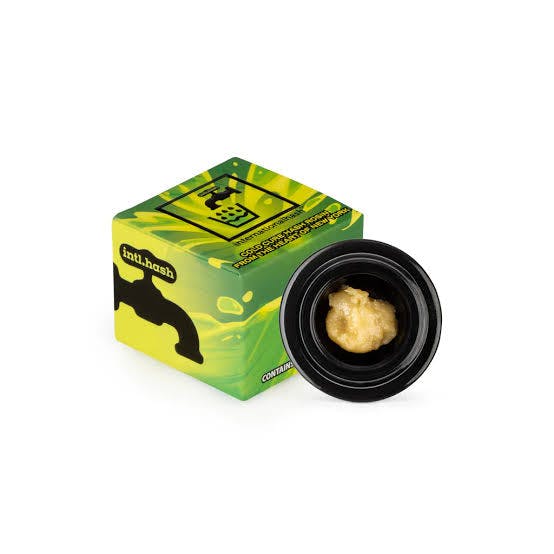
THC 75.73%Hybrid
INTERNATIONAL HASHInternational Hash | Cold Cure Hash Rosin | Grapefruit Hybrid · 1g
$66.37
$75after tax
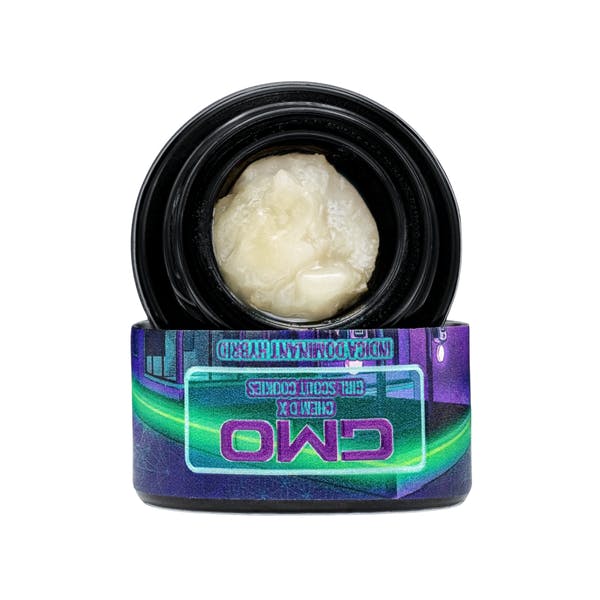
THC 77.52%Hybrid
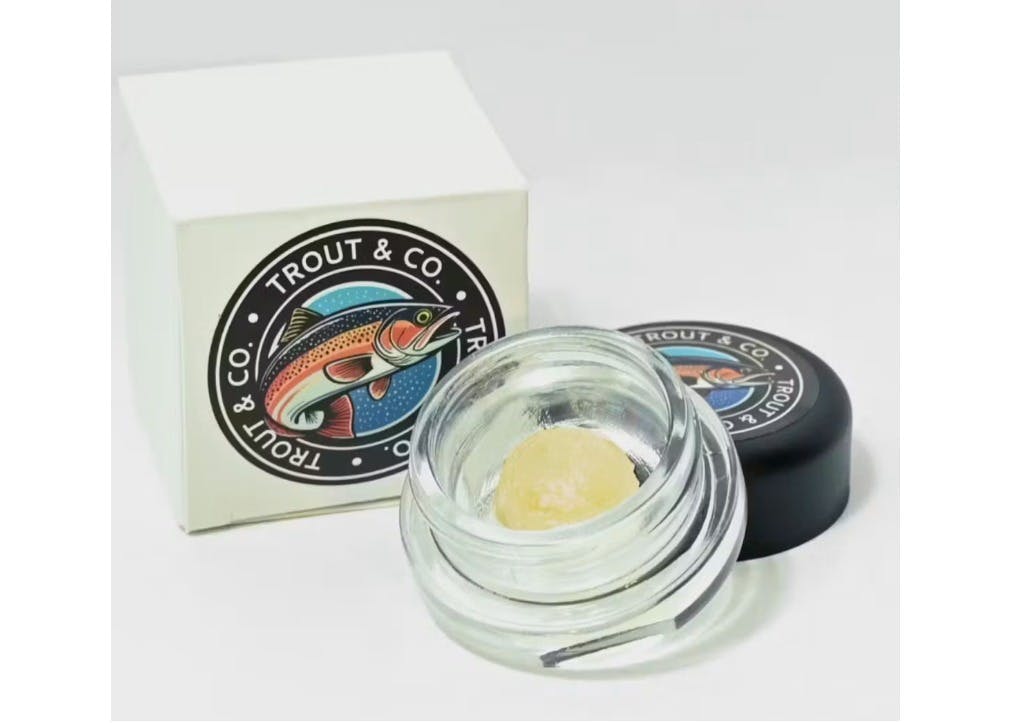
Trout & Co.Trout & Co. | Super Funk | Live Rosin Private Reserve · 1g
$88.50
$100after tax
Rosin in Elmhurst — answers
What exactly makes rosin different from other concentrates sold at New York dispensaries?+
Rosin is distinguished by its solventless production method. Heat and mechanical pressure are applied to cannabis flower or hash, forcing the resin to separate without any chemical solvent — no butane, propane, or ethanol involved. This matters because the finished product retains the plant's full cannabinoid and terpene complement without risk of residual chemical carry-over. For shoppers in Elmhurst accustomed to scrutinizing ingredient lists across every product category, the process transparency is part of the appeal.
Is live rosin meaningfully different from standard pressed rosin, or is the price premium mostly marketing?+
The difference is genuine and measurable. Standard rosin begins with cured flower or hash, a process that intentionally degrades certain volatile terpenes to stabilize the plant material. Live rosin starts from fresh-frozen material — harvested and immediately frozen — preserving a broader and more fragile terpene fraction. The result is typically a more aromatic, texturally complex product. Whether the premium is worth it depends on how terpene expression factors into your preference. For concentrate enthusiasts near Queens Boulevard who have already explored standard rosin, live rosin is a logical next step.
What terpenes should I look for in a rosin if I want something suited to an evening wind-down after a long commute?+
This is a preference-driven question, not a medical one, and individual responses vary. That said, many experienced consumers associate myrcene-forward profiles with a heavier, more physically relaxing character, while linalool can add a floral, calm quality. Caryophyllene is worth noting for its distinctly dry, spiced aromatic, which many find grounding. Any dispensary carrying lab-verified rosin should be able to show you the terpene panel before purchase. It is worth asking for it specifically.
Can I consume rosin without a dab rig? I live in a small apartment near Queens Center Mall and don't want elaborate equipment.+
Absolutely. Rosin can be layered onto flower inside a standard bowl or twaxed into a joint, which requires no additional hardware beyond what you may already own. Alternatively, a concentrate-compatible portable vaporizer — devices designed for both flower and extract — handles rosin cleanly at low temperatures. For apartment dwellers in 11373 who value both discretion and simplicity, a portable concentrate vaporizer is frequently the most practical and odor-manageable option.
How should I store rosin once I bring it home?+
Rosin is sensitive to heat and light, both of which accelerate terpene degradation and can alter texture over time. Store it in its original sealed container in a cool, dark place — a drawer or cabinet away from the stove works well. For longer-term storage, a small airtight jar kept in the refrigerator is effective, though you should allow cold rosin to return to room temperature before opening to prevent condensation from affecting the product. In a dense urban ZIP like 11373 where apartment temperatures fluctuate seasonally, cool storage is especially relevant.
What THC percentages are typical for rosin, and how does that compare to flower?+
Quality rosin generally tests between 60 and 85 percent total THC, with premium hash rosin occasionally exceeding that range. By comparison, well-cultivated licensed New York flower typically tests between 18 and 30 percent THC. That gap is significant: a very small quantity of rosin represents a considerably larger dose than an equivalent weight of flower. If you are transitioning from flower to concentrates for the first time, the 'start low, go slow' principle applies with genuine force. A portion the size of a grain of rice is a reasonable starting point.
How do I know the rosin I'm buying from a Queens dispensary is actually solventless and not mislabeled distillate?+
New York's licensed dispensaries are required to carry products with full lab-testing documentation, which includes residual solvent panels. Authentic rosin will show non-detectable results across the solvent categories on that panel. Hash rosin specifically will often include detail on the bubble hash source material. You are entitled to ask to see the certificate of analysis (COA) for any product before purchasing — any compliant New York retailer should be able to provide it.
Is rosin a good option for cannabis consumers in Elmhurst who are experienced with flower but new to concentrates?+
Rosin is widely regarded as one of the more approachable entry points into concentrates precisely because it reads as a natural extension of the flower experience rather than a departure from it. The aroma and flavor profile are recognizably plant-derived, the absence of solvents removes a variable that concerns some new concentrate users, and the format is versatile enough to be used without dedicated dab hardware. Starting at a very small quantity and giving adequate time between sessions will produce a more measured introduction to the category.
Does ZenZest deliver rosin to Elmhurst, and how does the ordering process work?+
Yes. ZenZest Cannabis Dispensary offers free same-day delivery on orders over $100 to more than 80 New York ZIP codes, including 11373 in Elmhurst. You can browse the available concentrate inventory — including any rosin options — through ZenZest's online platform before placing an order, which allows you to review strain details, lab results, and format before committing. Orders are delivered in compliant, discreet packaging. The nearest ZenZest store is at 272-06 Union Tpke in Bellerose, approximately 8.5 miles away, for those who prefer to shop in person.
What is the difference between rosin badder, rosin jam, and rosin sauce, and does it affect the experience?+
These terms describe texture, not potency or quality. Rosin badder is whipped to a soft, opaque, butter-like consistency that is easy to scoop with a dab tool. Rosin jam is slightly wetter and more fluid, sitting between badder and sauce on the consistency spectrum. Rosin sauce — sometimes called rosin terp sauce — is a looser, more liquid presentation often containing visible crystalline THCA structures suspended in a terpene-rich oil. All three can be derived from comparable source material; the texture differences result from post-press processing and temperature handling. The choice between them is largely a matter of personal preference and the tool or device you plan to use.