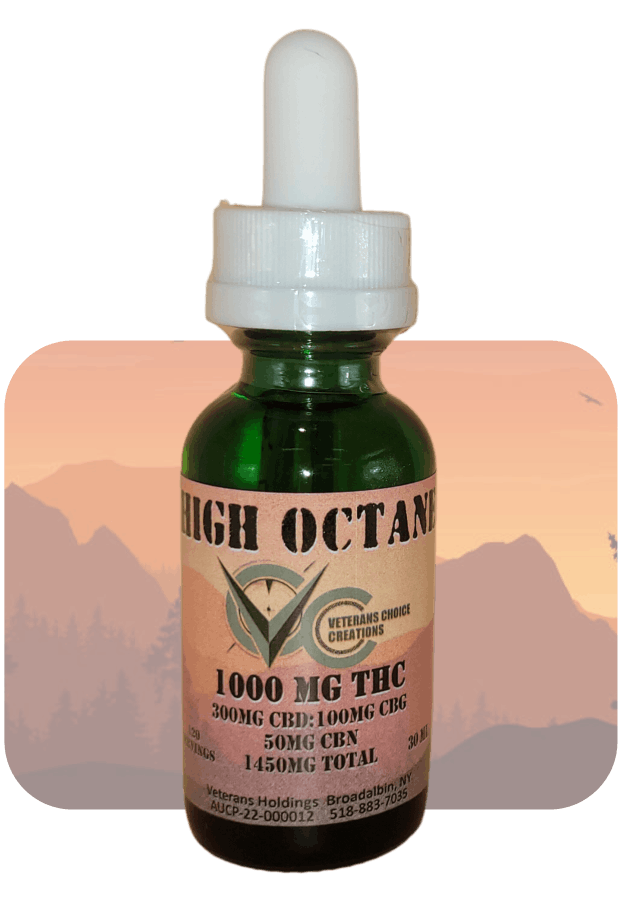
THC 4.41%·CBD 1.58%Hybrid
Veteran's Choice CreationsVETERANS CHOICE CREATIONS | 30ML | TINCTURE | HIGH OCTANE · .1g
$53.10
$60after tax
weeddispensarynearme.com
You must be 21 years or older to enter. By entering, you confirm you’re of legal age in your state to purchase cannabis.
For use only by adults 21+ • Keep out of reach of children
East Village has long cultivated a taste for the considered and the unconventional, and cannabis tinctures fit that ethos precisely. Along the corridors of St. Marks Place and Avenue A, shoppers in ZIP codes 10003 and 10009 are reaching for sublingual drops that pair discretion with nuance — a format built for the neighborhood's unhurried, intellectually curious energy.
About Tinctures
Cannabis tinctures are liquid extracts, typically suspended in a carrier oil such as MCT or hemp seed oil, designed for sublingual administration or quiet incorporation into food and drink. They occupy a distinct place in New York's licensed adult-use market: neither the immediate ceremony of flower nor the commitment of an edible, tinctures offer a middle path that rewards patience and attention. Under New York's Office of Cannabis Management licensing framework, all tinctures sold at licensed dispensaries must disclose total cannabinoid content, carrier oil, and extraction method on the label — information that empowers consumers to make genuinely informed choices rather than guessing at potency. The format's appeal lies in its precision. A calibrated dropper allows adults 21 and older to adjust their experience with a degree of control that pre-rolled or vaporized formats simply cannot match. Onset when taken sublingually — held beneath the tongue for sixty to ninety seconds before swallowing — typically arrives within fifteen to forty-five minutes, faster than most traditional edibles but gentler in its arc than inhalation. That measured quality appeals to the seasoned consumer and the newly curious alike. New York's licensed tincture offerings span a wide cannabinoid spectrum. Shoppers will encounter THC-dominant formulas, CBD-forward options, and balanced THC:CBD ratios, each with its own character and intended use context. Broad-spectrum and full-spectrum preparations preserve the plant's supporting cast of minor cannabinoids and terpenes, while isolate-based tinctures deliver a single compound in a neutral carrier. The difference matters: full-spectrum products are widely considered by enthusiasts to produce a more layered, complex experience, though isolates offer predictable consistency that some consumers prefer. Because tinctures concentrate active compounds into a small liquid volume, label literacy is essential. New York law requires all licensed products to carry a QR code linking to third-party lab results. Checking those results for cannabinoid totals and the absence of residual solvents or heavy metals is a straightforward habit that elevates any purchase from guesswork to craft.
Tinctures for East Village shoppers
East Village residents navigate a neighborhood that rewards both spontaneity and deliberate slowness — and tinctures map neatly onto that duality. An evening walk through Tompkins Square Park as the light drops behind the canopy, a long read at a corner café along Avenue A, a quiet hour before a gallery opening on East Ninth Street: these are moments where the controlled onset and low physical footprint of a sublingual tincture makes particular sense. There is no combustion, no visible device, no aromatic cloud — just a small glass bottle that disappears into a jacket pocket. The East Village demographic leans creative, historically independent, and often attuned to wellness in ways that sidestep mainstream pharmaceutical frameworks. Tinctures, with their apothecary-adjacent aesthetics and ingredient-forward labeling, resonate with residents who already read the back of a wine bottle or scrutinize a fermented hot sauce label. The format feels less like a recreational novelty and more like a considered addition to a personal wellness toolkit — though, to be clear, no medical outcome should be assumed or expected from any adult-use cannabis product. Practically speaking, East Village commuters heading into Midtown via the L at First Avenue or the 6 at Astor Place benefit from a format that produces no lingering scent and requires no special storage. A tincture in a small bag is as unremarkable as a vitamin supplement, which suits the neighborhood's quietly cosmopolitan, unpretentious attitude toward what it means to consume thoughtfully in a dense urban environment.
What to look for
When evaluating tinctures in this category, begin with the cannabinoid profile and ratio. A THC-dominant tincture in the 5–10 mg per serving range is a reasonable starting point for those newer to the format; experienced consumers may gravitate toward 20–30 mg per serving products, though the enduring principle of starting low and going slow applies regardless of experience level. CBD:THC balanced tinctures — commonly found in 1:1 or 2:1 ratios — are popular among those who want the entourage effect modulated by CBD's reported calming influence on THC's more pronounced qualities. Terpenes deserve close attention even in a liquid format. Full-spectrum and broad-spectrum tinctures retain the aromatic compounds native to the cultivar used in extraction. Myrcene-forward profiles tend to present as earthy and herbal; limonene adds a citrus brightness; linalool introduces a floral, lavender-adjacent quality. These terpenes are not merely aromatic footnotes — they interact with cannabinoids in ways that shape the overall character of the experience. Asking dispensary staff to walk through the terpene report on a lab certificate of analysis is a worthwhile step before committing to a bottle. For East Village shoppers specifically, format trade-offs are worth considering through the lens of daily life in 10003 and 10009. MCT oil carriers are the most common and tend to be flavorless or mildly coconut-forward, making them easy to hold sublingually without discomfort. Hemp seed oil carriers bring a nuttier, more herbaceous note that some find pleasant and others find distracting. Water-soluble tincture formats, a newer category appearing in New York's licensed market, are designed for mixing into beverages — an appealing quality for the East Village consumer who values the ritual of an evening drink and would prefer to fold cannabis into that habit rather than add a separate step to the evening.
Why ZenZest for tinctures in East Village
ZenZest Cannabis Dispensary's Staten Island location at 2343 Forest Ave, Staten Island, NY 10303 — approximately 11.4 miles from the heart of the East Village — carries a curated selection of licensed New York tinctures spanning THC-dominant, CBD-forward, and balanced ratio products. The staff's familiarity with the category runs to specifics: carrier oil differences, extraction methods, and reading a certificate of analysis are all part of the conversation rather than an afterthought. For residents in ZIP codes 10003 and 10009 who prefer not to make the trip, ZenZest offers free same-day delivery on orders over $100 to more than 80 eligible New York ZIP codes, covering much of Manhattan. That delivery option makes it straightforward to explore the tincture category from home — whether you are on Avenue A or a few blocks south near Tompkins Square Park — with the same product depth available in-store and the same attentive guidance accessible through the dispensary's ordering platform.
ZenZest Staten Island · 2343 Forest Ave, Staten Island, NY 10303 · 11.4 miles from East Village.
$60after tax
$49after tax

$50after tax
$34after tax
Sublingual use — holding the oil beneath the tongue for sixty to ninety seconds — allows cannabinoids to enter the bloodstream through mucous membranes, producing a faster onset, often within fifteen to forty-five minutes. Swallowing the tincture directly routes it through the digestive system, extending onset to one to two hours and producing an experience closer to a traditional edible. For East Village residents with variable schedules and spontaneous evenings, sublingual use offers more predictable timing, making it easier to calibrate around a dinner reservation or a late set at a local music venue.
New York law requires licensed tinctures to display total THC and CBD content per serving and per package, the carrier oil used, net volume, and a QR code linking to a third-party certificate of analysis. Look for the serving size in milligrams rather than milliliters — these are different measurements. The COA accessible via QR code will show cannabinoid totals and should confirm the absence of residual solvents, pesticides, and heavy metals. Taking two minutes to scan that code before purchasing is the single most useful habit a tincture consumer can develop.
Tinctures rank among the most low-profile cannabis formats available. A standard one-ounce glass dropper bottle is smaller than most personal care products and produces no odor during use. There is no combustion, vapor, or visible device involved. For East Village residents accustomed to navigating dense streets, crowded apartment buildings, and shared outdoor spaces like Tompkins Square Park, this discretion is a meaningful practical advantage. Adult-use consumption in New York must comply with the state's public use laws — tinctures, used privately, align comfortably with those requirements.
Linalool and myrcene are the two terpenes most commonly associated with a calming, body-relaxed character in anecdotal accounts from cannabis consumers. Linalool carries a floral, lavender-adjacent scent profile; myrcene presents as earthy and herbal. In a full-spectrum tincture, these terpenes work alongside cannabinoids in ways that many enthusiasts describe as more rounded than an isolate. Look for these compounds listed in the terpene section of a product's certificate of analysis, and cross-reference with the dispensary's staff for guidance on specific products in their current inventory.
New York's adult-use cannabis laws govern where and how cannabis products may be consumed. Adding a tincture to a purchased beverage or food item at a licensed food-service establishment raises legal and practical considerations that consumers should evaluate carefully — establishments are not licensed cannabis consumption sites unless specifically designated. Many East Village residents use tinctures at home before or after social outings rather than during them, which sidesteps those complications while still allowing them to tailor the timing of their experience around the evening.
A 1:1 balanced tincture delivers equal amounts of THC and CBD per serving. Many consumers report that CBD moderates some of THC's more pronounced qualities, producing a calmer, less intense experience — though individual responses vary significantly and no medical claim attaches to that general observation. For adults new to cannabis who are curious about tinctures but cautious about potency, a balanced ratio at a low per-serving dose can serve as a measured introduction. Starting low and going slow remains the applicable guidance regardless of ratio.
Most licensed cannabis tinctures carry a manufacturer's recommended use-by date and are formulated to remain stable for twelve to twenty-four months when stored correctly. The primary storage enemies are heat, light, and air. An MCT oil or hemp seed oil carrier degrades under ultraviolet light — which is why most tinctures come in dark amber glass. In a compact East Village apartment, a cool cabinet or drawer away from the stove and windows is ideal. Refrigeration is not required for most formulas but will not harm the product and can extend stability in warmer months.
ZenZest Cannabis Dispensary offers free same-day delivery on orders over $100 to more than 80 eligible New York ZIP codes. East Village ZIP codes 10003 and 10009 — which cover the Tompkins Square Park area, Avenue A, and St. Marks Place — are within the delivery service area. Shoppers can confirm eligibility at checkout through ZenZest's ordering platform. For residents in upper floors of walk-up buildings common to the neighborhood, delivery provides a convenient alternative to the trip to the nearest brick-and-mortar location.
A full-spectrum tincture retains the full complement of cannabinoids, terpenes, and flavonoids present in the original cannabis plant material, including trace THC. A CBD isolate tincture contains only purified CBD suspended in a carrier oil, with all other plant compounds removed. Full-spectrum products are associated by many consumers with a more complex, layered experience attributed to the interaction of multiple plant compounds. Isolate products offer chemical predictability and are entirely THC-free, which some consumers specifically require. New York licensed dispensaries stock both types, and staff can help clarify which profile aligns with a given consumer's preferences.
Valid government-issued identification confirming age 21 or older is required for entry and purchase at any licensed New York adult-use dispensary. Staff at reputable dispensaries will typically ask about your experience level and what you are hoping to explore before making category recommendations. For tinctures specifically, expect the conversation to touch on THC and CBD ratios, carrier oil options, and serving size. Bring questions about terpene profiles if you have reviewed the product's COA in advance — that level of engagement generally leads to a more useful and personalized recommendation.
Pick your store
We'll show pricing, deals, and delivery zones for the store you pick. You can switch any time from the header.