On sale· 20% OFF
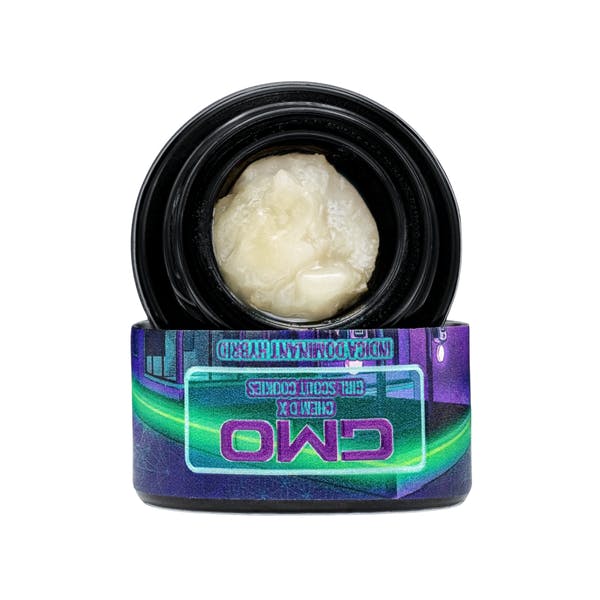
THC 70.7%Indica-Hybrid
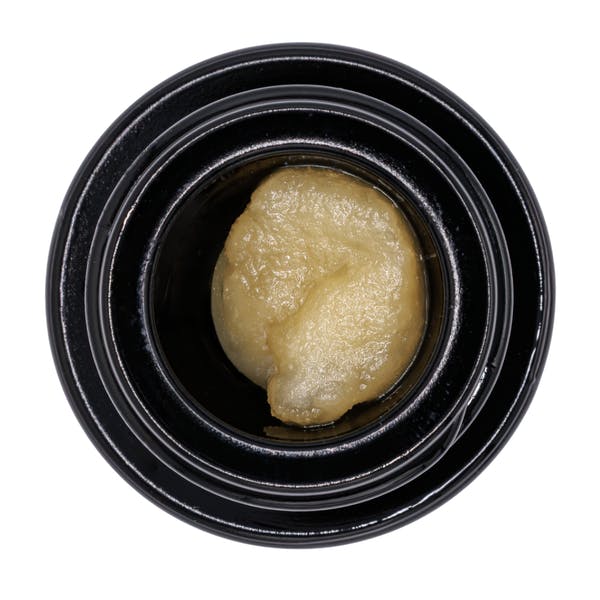
UmamiiUmamii | Live Rosin Jar | GMO · 2g
$80.00$100.00
$93after tax
weeddispensarynearme.com
You must be 21 years or older to enter. By entering, you confirm you’re of legal age in your state to purchase cannabis.
For use only by adults 21+ • Keep out of reach of children
East Village has long been the city's crucible of counterculture, and the cannabis concentrates available to adults 21 and older in ZIP codes 10003 and 10009 reflect that same spirit of discernment. From the tattoo parlors lining St. Marks Place to the quiet benches of Tompkins Square Park, this neighborhood demands products with character — and concentrates deliver exactly that.
About Concentrates
Cannabis concentrates represent the most refined expression of the plant available through New York's licensed adult-use market. Produced through solvent-based or solventless extraction methods — including butane hash oil, CO2 extraction, rosin pressing, and ice-water hash — concentrates isolate the cannabinoids and terpenes that define a cultivar's effect and flavor profile, stripping away excess plant material to yield a far more potent and aromatic final product. Shoppers browsing New York's licensed dispensary shelves will encounter a range of textures and consistencies: live resin, which preserves the terpene content of freshly frozen flower; badder and budder, whipped to a creamy, workable consistency; sugar and crystalline formats that lean toward high-THC isolation; and solventless options like hash rosin and bubble hash, which are made with only heat, pressure, and water, appealing to those who prioritize ingredient transparency. In New York's regulated market, every concentrate on a licensed shelf has passed state testing for residual solvents, pesticides, heavy metals, and microbial contaminants. That laboratory accountability is significant — it distinguishes licensed products from anything circulating informally and assures consumers that what is printed on the label accurately reflects what is inside the container. THC percentages in concentrates typically range from 60 to 90-plus percent depending on format, which makes them categorically different from flower, edibles, or vapes. The concentrate category also rewards curiosity. A single gram of live rosin sourced from a small-batch New York cultivator can tell a remarkably complete story about a particular strain — its terpene expression, its growth conditions, its harvest timing. For the attentive consumer, concentrates occupy a space closer to specialty coffee or natural wine than to commodity cannabis, and the New York market has matured enough to support that level of connoisseurship.
Concentrates for East Village shoppers
East Village has always attracted residents who develop strong opinions about niche categories — whether that is vintage vinyl on Avenue A, natural wine at a narrow bar on East 7th Street, or a particular ramen shop tucked below street level near First Avenue. It follows that the neighborhood's adult-use cannabis consumers trend toward the informed end of the spectrum, and concentrates fit naturally into that culture of considered consumption. The rhythm of East Village life also suits the concentrate format. Many residents here work in creative industries, hospitality, or the arts, with schedules that do not follow a strict nine-to-five pattern. An evening unwinding on the steps of Tompkins Square Park or settling in after a late shift calls for a product that is efficient, controllable in experience, and not dependent on smoking flower in a shared outdoor space. A small dab rig or a portable electronic device loaded with a half-gram of quality live rosin addresses all of those concerns quietly and without waste. Seasonal context matters as well. East Village winters, funneled through the cross-streets between St. Marks Place and Houston, are genuinely cold, and the preference for indoor consumption rises sharply from November through March. Concentrates — requiring no rolling, no lighter in the wind, and no combustion — adapt well to the apartment-bound consumer. Summer, conversely, brings the neighborhood's social energy back outdoors, and discreet, pre-loaded concentrate devices become the practical choice for adults heading to a rooftop or a park gathering.
What to look for
Selecting a concentrate begins with format, and the choice should reflect both practical habits and flavor priorities. Solventless formats — rosin, bubble hash, hash rosin — appeal to consumers who want to avoid any residual chemical processing and who tend to prioritize terpene complexity over raw THC numbers. Solvent-based extracts like live resin and high-terpene full-spectrum extract (HTFSE) can achieve exceptional flavor as well, but shoppers should verify that the lab panel confirms residual solvents below detection thresholds, something all New York licensed products are required to demonstrate. Terpenes are arguably the most important variable in a concentrate purchase. Myrcene tends to contribute a grounding, earthy quality; limonene introduces brightness and lift; caryophyllene offers a spiced, resinous note that many consumers associate with physical ease; and terpinolene, common in certain sativa-leaning cultivars, carries a floral, almost paint-like character. Reading the terpene panel on a licensed product — rather than relying solely on strain names, which are inconsistently applied across producers — gives a far more reliable preview of what the experience will feel like. For East Village consumers who are newer to concentrates, the general principle of starting low and going slowly is worth taking seriously. A portion roughly the size of a grain of rice is a reasonable starting point on a dab rig or electronic device. Those transitioning from flower or vapes should expect a perceptible difference in onset speed and intensity even at modest amounts. Experienced consumers exploring solventless or single-source options from New York's growing craft extract producers will find that the licensed market here has developed considerable depth in that segment over the past two years.
Why ZenZest for concentrates in East Village
ZenZest Cannabis Dispensary serves East Village residents through its Staten Island location at 2343 Forest Ave, Staten Island, NY 10303 — approximately 11.4 miles from the neighborhood — and through same-day delivery that reaches ZIP codes 10003 and 10009 directly. For a category like concentrates, where freshness of the terpene profile and proper cold-chain handling influence the final experience, being able to order from a curated, licensed menu and receive product at your door the same day is a meaningful advantage over making a trip in uncertain conditions. ZenZest's selection spans the full range of concentrate formats available through New York's licensed adult-use market, from approachable live resin options to small-batch solventless rosin for the more seasoned consumer. Orders above one hundred dollars qualify for free same-day delivery across more than eighty New York ZIP codes, making it straightforward to explore several formats in a single order. All products sold through ZenZest are state-licensed and laboratory-verified, consistent with the transparency that East Village consumers tend to expect from any specialty category they take seriously.
ZenZest Staten Island · 2343 Forest Ave, Staten Island, NY 10303 · 11.4 miles from East Village.
$93after tax
$35after tax
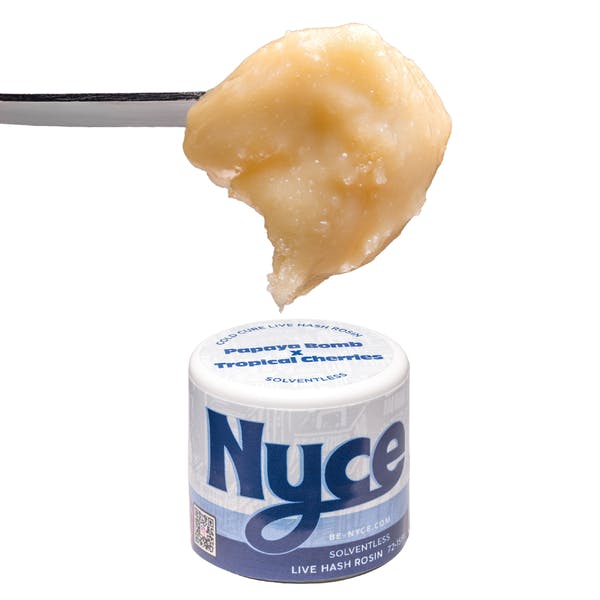
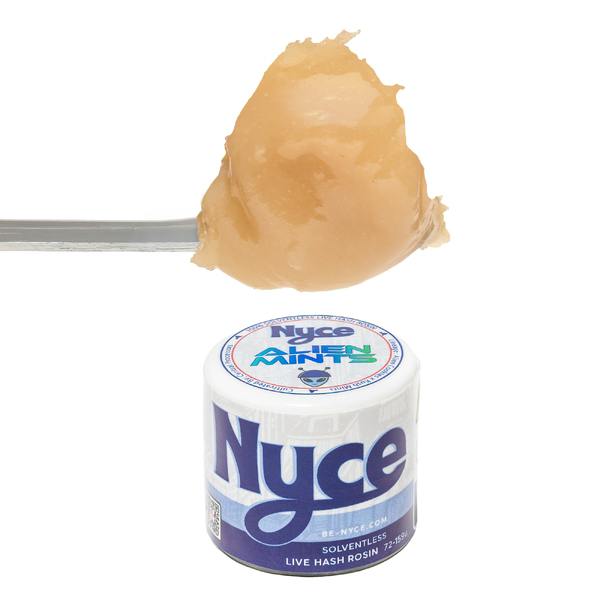
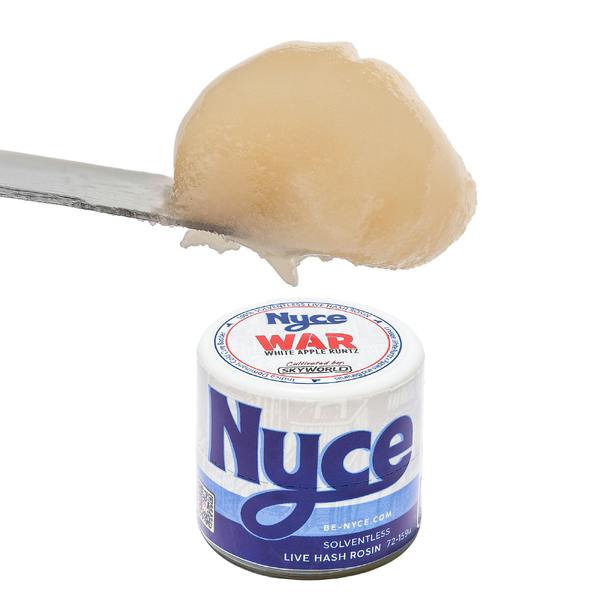
Live resin is produced using solvents — typically butane or a hydrocarbon blend — applied to freshly frozen cannabis, preserving terpenes at a relatively accessible price point. Live rosin uses only heat, pressure, and ice water, with no solvents involved, and is generally considered the more artisanal option. For a first concentrate purchase, live resin offers excellent flavor at a lower entry cost, while live rosin suits consumers who have already developed a preference for ingredient transparency. Both are available through New York's licensed adult-use market and are appropriate for adults 21 and older.
A traditional dab rig paired with a torch or an electronic nail is the most common setup for loose concentrates like badder, rosin, or sugar. However, New York licensed dispensaries also carry concentrate-loaded vaporizer cartridges and all-in-one devices that require no separate hardware, making them a practical entry point for East Village consumers who want to explore the category without investing in additional equipment. Portable electronic dab devices, sometimes called e-rigs, offer a middle ground between the two formats and have become increasingly available alongside concentrate products themselves.
Concentrates are sensitive to heat, light, and oxidation, all of which degrade terpene content and alter consistency over time. In East Village apartments — which can run warm in summer and vary significantly in humidity — airtight silicone or glass concentrate containers kept in a cool, dark location, such as a cabinet away from radiators and windows, will preserve quality best. Rosin and hash products in particular benefit from refrigerator storage if not consumed within a few weeks, though bringing them to room temperature before use helps restore workable consistency.
For a calm, settled evening, concentrates with higher myrcene and linalool content tend to complement a quieter, introspective mood. Cultivars leaning on caryophyllene can add a grounding, full-bodied quality without being heavy. If the plan involves conversation, music, or creative work — all common East Village evening activities — products with notable limonene or terpinolene may provide a more engaged, socially present quality. Reading the terpene panel on any licensed product is the most reliable way to assess likely character, since strain names alone do not guarantee consistent effects across producers.
Generally, yes. Licensed flower in the New York market commonly tests between 18 and 28 percent THC, and vape cartridges typically range from 70 to 85 percent. Loose concentrates — badder, rosin, live resin — often fall between 70 and 90-plus percent depending on format and producer. The difference in onset speed can also be more pronounced with concentrates than with flower. Adults new to the category are encouraged to start with a very small amount and allow adequate time to assess effects before consuming more.
A compliant New York concentrate label will include total THC and CBD percentages, a batch-specific certificate of analysis reference, the licensed producer's name, and the applicable extraction method. Consumers interested in terpene expression should look for a full terpene panel, which most quality producers include. Solvent-based products should show residual solvent results below state-mandated limits. Harvest or extraction dates, when printed, offer a useful freshness indicator — terpene content is generally at its peak closest to extraction and declines gradually over time.
Yes. Licensed New York dispensaries with delivery programs, including ZenZest Cannabis Dispensary, service ZIP codes 10003 and 10009 with same-day delivery. Delivery requires age verification at the door — a valid government-issued ID confirming you are 21 or older — and must be received by the customer directly. Orders cannot be left unattended. ZenZest offers free same-day delivery on orders above one hundred dollars across more than eighty New York ZIP codes, which makes it practical to order multiple concentrate formats or combine a concentrate purchase with other licensed products in a single transaction.
Bubble hash is produced by agitating cannabis in ice water to separate trichome heads, which are then dried and pressed or left loose. Hash rosin is made by applying heat and pressure to quality bubble hash, yielding a more refined, paste-like concentrate with concentrated terpene and cannabinoid content. Hash rosin typically commands a higher price point due to the additional processing step and the quality of starting material required. Both formats have grown notably more available in New York's licensed market over the past year as craft extract producers have expanded their output.
New York State law permits adults 21 and older to consume cannabis in most outdoor public spaces where tobacco smoking is allowed, with exceptions including parks designated as tobacco-free, near schools, and in areas where specific local restrictions apply. New York City Parks, including Tompkins Square Park, are subject to NYC Parks Department tobacco-free policies, which generally extend to cannabis consumption as well. St. Marks Place and sidewalk areas follow the broader state rule permitting outdoor consumption where tobacco is not prohibited. Consumers should verify current local regulations before consuming in any specific public location.
Someone accustomed to vape cartridges in the 70 to 80 percent THC range may find the transition to loose concentrates more pronounced than expected, particularly because dab consumption typically delivers the full dose more rapidly than a vape draw. Starting with a product in the lower range of the concentrate spectrum — a well-preserved, terpene-forward live resin or a low-pressure hash rosin in the 60 to 70 percent range — and using a very small amount initially is a sensible approach. The general adult-use principle of starting low and going slowly applies with particular relevance here.
Pick your store
We'll show pricing, deals, and delivery zones for the store you pick. You can switch any time from the header.