
Brooklyn · Rosin
Best Rosin in East New York, Brooklyn
East New York's evolving cultural grid — from the wide commercial stretch of Pitkin Avenue to the green reaches of Shirley Chisholm State Park — deserves a cannabis category that matches its uncompromising character. Rosin, the solventless concentrate prized for its purity and full-spectrum expression, has quietly become one of the most sought-after formats among discerning Brooklyn adult-use consumers who know exactly what they want from the plant.
About Rosin
Rosin occupies a singular position in the licensed New York cannabis market. Unlike hydrocarbon extracts that rely on chemical solvents such as butane or propane, rosin is produced exclusively through the application of heat and pressure — no additives, no residual solvents, no shortcuts. The result is a golden-to-amber concentrate that preserves the live, volatile terpene profile of the source material in a way that solvent-based methods rarely replicate. For the adult-use consumer in Kings County who has spent years reading labels and asking hard questions, solventless extraction is not a marketing phrase; it is a production philosophy. Within New York's licensed dispensary ecosystem, rosin arrives in several distinct forms. Live rosin — made from fresh-frozen flower rather than dried and cured material — captures the plant's aromatic compounds at their most vivid. Hash rosin, pressed from ice-water hash rather than whole flower, offers an additional layer of refinement and typically presents a lighter, creamier texture. Cured rosin, pressed from traditionally dried flower, carries a more mellow, contemplative character. Each variant commands a different price tier, and each serves a different moment in the consumer's day. New York's Office of Cannabis Management licenses all concentrates sold through dispensaries in the state, meaning the rosin you find on a compliant shelf has passed regulatory scrutiny for potency accuracy and contaminant screening. Certificate of Analysis documents — accessible through QR codes on most premium packaging — should show cannabinoid percentages, terpene listings, and residual solvent readings at or near zero. That transparency is part of what separates the licensed market from legacy product, and for a category as nuanced as rosin, it matters considerably. Potency in licensed rosin typically reads between 65 and 85 percent total cannabinoids, though some single-source live rosins clock higher. Adults new to concentrates are encouraged to follow start-low, go-slow principles; a portion no larger than a grain of rice is a reasonable beginning point for anyone without a well-established tolerance.
Rosin for East New York shoppers
East New York — bounded by ZIP codes 11207 and 11208, anchored commercially along Pitkin Avenue and Atlantic Avenue, and gaining green momentum through the expansion of Shirley Chisholm State Park along the Jamaica Bay waterfront — is a neighborhood in active conversation with its own future. Long-term residents who have held down blocks through decades of disinvestment are now navigating rapid change with the same pragmatism and pride that have always defined this corner of Brooklyn. The cannabis consumer here is not a novelty seeker; they are someone who, when they choose a concentrate, wants to know the sourcing, the extraction method, and the terpene breakdown before committing. The neighborhood's commute reality also shapes category preference. Many East New York residents rely on the C and J/Z subway lines, the B83 and B14 bus corridors along Atlantic and Pitkin, or the LIRR's East New York station for daily movement into and out of Manhattan or other boroughs. Rosin's compact format — a small glass jar fits quietly in any pocket or bag — suits a commuter's lifestyle far better than pre-rolls susceptible to breakage or edibles with unpredictable onset timing when schedules are tight. For the rider heading out from Pennsylvania Avenue station on a Friday evening, a dab of quality live rosin at home afterward represents a considered, deliberate wind-down. Seasonally, East New York's proximity to open parkland and the bay-facing trails of Shirley Chisholm State Park makes warm-weather outdoor moments a real part of local life. A small portable dab device — increasingly discreet in design — carried to a quiet stretch of the park on a clear evening pairs naturally with a terpene-forward rosin chosen for its aromatic complexity rather than its sheer potency.
What to look for
Selecting a quality rosin in the licensed New York market begins with the Certificate of Analysis and the terpene panel. The primary terpenes worth understanding for this category include myrcene, which lends an earthy, slightly musky base and is associated with a grounding character; limonene, which contributes citrus brightness and is often found in rosins pressed from sativa-leaning cultivars; and caryophyllene, a spicy, peppery compound that some consumers find complementary to evening use. Terpinolene and ocimene appear frequently in live rosins pressed from modern hybrid genetics and bring a complex floral-herbal register. When a product lists total terpene content above three percent, the aromatic and experiential character of that rosin is typically more pronounced. For the East New York shopper weighing format trade-offs, the choice between live rosin and hash rosin is partly one of budget and partly one of intended experience. Live rosin, at its premium price point, is well suited to an occasion when you want to notice the difference — a quiet weekend evening in a Pitkin Avenue apartment with a playlist chosen as carefully as the product. Hash rosin, while still positioned at the upper end of concentrate pricing, represents a strong value within the solventless category and is forgiving enough in texture for consumers still building their dabbing technique. Consumption hardware matters in this category more than in almost any other. A quartz banger heated to a low-temperature range — generally below 550 degrees Fahrenheit — preserves the terpene profile and avoids the harsh, combusted note that high-heat dabbing introduces. Cold-start or reverse-dab techniques are worth researching for anyone committed to getting the full aromatic value from a premium jar. Portable e-rigs have also improved substantially in the licensed-market era and offer a practical middle ground for the East New York consumer who values both quality and convenience.
Why ZenZest for rosin in East New York
ZenZest Cannabis Dispensary's Queens location at 272-06 Union Tpke in Bellerose — approximately 9.9 miles from the heart of East New York's 11207 and 11208 ZIP codes — carries a curated selection of licensed New York rosin that reflects the kind of sourcing specificity this category demands. The staff at ZenZest is trained to walk adult-use customers through terpene panels, extraction methods, and the differences between live, hash, and cured rosin formats without resorting to pressure or oversimplification. For a neighborhood like East New York, where consumers have always had to do their own research, that transparency is a meaningful differentiator. For East New York residents who prefer to shop without the commute, ZenZest offers free same-day delivery on orders over one hundred dollars to more than eighty New York ZIP codes, with coverage extending through Kings County. A jar of premium live rosin — or a thoughtfully assembled concentrate order built around a full solventless lineup — qualifies easily. Orders can be placed through the ZenZest platform, and delivery logistics are handled with the same discretion and professionalism the in-store experience reflects.
ZenZest Queens · 272-06 Union Tpke, Bellerose, NY 11004 · 9.9 miles from East New York.
Live rosin for East New York
Full rosin menu →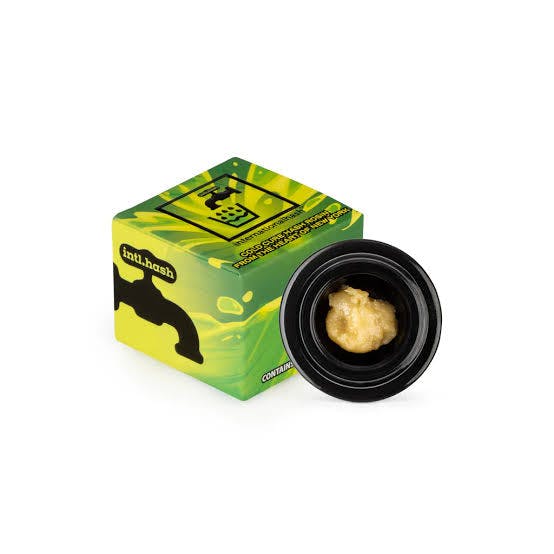
THC 75.73%Hybrid
INTERNATIONAL HASHInternational Hash | Cold Cure Hash Rosin | Grapefruit Hybrid · 1g
$66.37
$75after tax
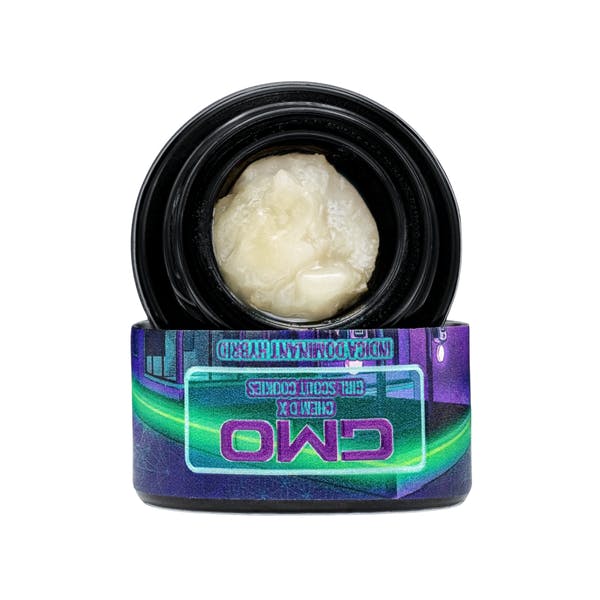
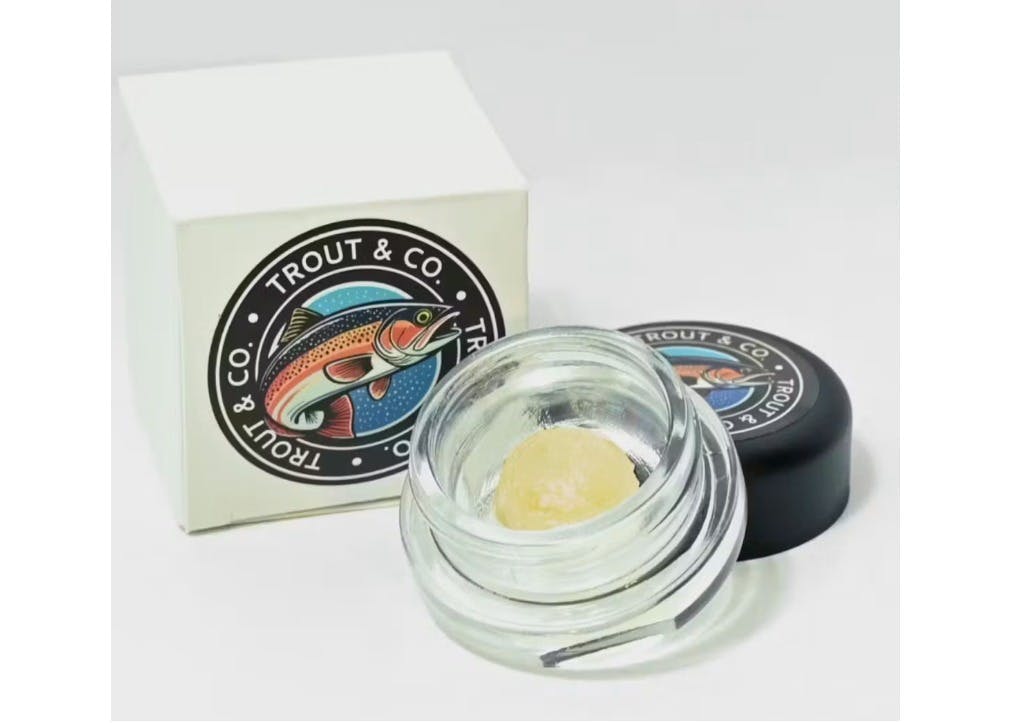
THC 77.52%Hybrid
Trout & Co.Trout & Co. | Super Funk | Live Rosin Private Reserve · 1g
$88.50
$100after tax
Rosin in East New York — answers
What exactly is rosin, and how is it different from other concentrates sold at licensed dispensaries in Brooklyn?+
Rosin is a solventless cannabis concentrate made by applying controlled heat and pressure to cannabis flower, hash, or kief to release a resin rich in cannabinoids and terpenes. Unlike BHO or CO2 extracts, no chemical solvents are involved at any point in production. For consumers in East New York and across Kings County shopping through licensed dispensaries, that distinction means a Certificate of Analysis showing residual solvent readings at or near zero — a meaningful quality indicator for anyone who reads labels seriously.
How does live rosin differ from cured rosin, and which is worth the premium price for East New York consumers?+
Live rosin is pressed from fresh-frozen cannabis that was never dried or cured, preserving a broader and more volatile terpene profile. Cured rosin is pressed from traditionally processed flower and carries a more settled, sometimes earthier aromatic character. Whether the live rosin premium is worth it depends on the occasion. For a deliberate, flavor-forward session at home after a long commute on the J or C train, the aromatic complexity of live rosin is often noticeable. For everyday use, a quality cured rosin offers excellent value within the solventless category.
What terpenes should I look for in a rosin if I want something suited to evening use after a full day in East New York?+
Myrcene is the terpene most commonly associated with a grounding, settled character and appears frequently in rosin pressed from indica-leaning or indica-dominant hybrid cultivars. Caryophyllene, with its spicy and slightly woody register, also appears often in evening-profile products. Neither of these terpenes constitutes a medical claim, and individual responses vary significantly. As a general principle, start low and go slow with any concentrate, and allow adequate time to assess the effect before consuming more.
Is rosin legal to purchase in East New York's ZIP codes 11207 and 11208?+
Yes. Adult-use cannabis concentrates including rosin are legal for purchase and possession by adults 21 and older in New York State. Licensed dispensaries serving Kings County, as well as licensed delivery services covering East New York ZIP codes, may sell rosin to qualifying adults. Possession limits under New York law for concentrates are governed by the Office of Cannabis Management's adult-use regulations. Always purchase from OCM-licensed retailers to ensure product compliance and consumer protections.
What hardware do I need to consume rosin purchased from a licensed dispensary in the Brooklyn area?+
Rosin is most commonly consumed using a dab rig — a water pipe equipped with a quartz banger — or a portable electronic rig sometimes called an e-rig. Cold-start dabbing, in which the rosin is loaded before the banger is heated, is a popular technique for preserving terpene quality. Portable vaporizers designed explicitly for concentrates also work well with rosin's typically stable consistency. None of this hardware is sold through licensed cannabis dispensaries in New York, but specialty smoke shops throughout Brooklyn carry a range of options.
How does rosin compare to vape cartridges for someone who commutes daily through East New York's transit corridors?+
Vape cartridges offer greater portability and discretion for on-the-go use, while rosin is better suited to intentional at-home sessions. For a commuter using the J, Z, or C lines from the Pennsylvania Avenue or Van Siclen Avenue stations, a cartridge may fit daily rhythm more naturally. Rosin's value proposition lies in its terpene fidelity and solventless purity — qualities best appreciated in a controlled setting rather than transit. Many East New York consumers keep both formats on hand for different occasions.
What should I expect to pay for quality live rosin at a licensed New York dispensary, and is same-day delivery available to East New York?+
Pricing for licensed live rosin in New York typically ranges from roughly sixty-five to over one hundred dollars per gram depending on cultivar, producer, and format — with hash rosin often sitting at the upper end of that spectrum. ZenZest Cannabis Dispensary offers free same-day delivery on orders over one hundred dollars to East New York ZIP codes 11207 and 11208. A well-curated order at that threshold is straightforward to assemble within the solventless concentrate category alone.
How do I read a Certificate of Analysis for rosin, and what numbers matter most?+
A Certificate of Analysis for rosin should show total THC and total cannabinoid percentages, a terpene panel listing individual compounds and their concentrations, and a residual solvent screen confirming absence of processing chemicals. For solventless rosin specifically, the residual solvent panel should read at or near zero across all tested compounds. Total terpene content above two to three percent generally indicates a more aromatically expressive product. QR codes on licensed packaging link directly to these documents, and any compliant New York dispensary can assist in interpreting them.
Are there rosin options for consumers newer to concentrates, or is this category only for experienced users?+
Rosin is accessible to adults at any experience level with concentrates, provided they follow start-low, go-slow guidance. A portion no larger than a grain of rice is a responsible starting point for someone without an established tolerance to concentrates. Cured rosin, which tends toward a slightly less intense terpene expression than live rosin, can be a gentler introduction. The staff at ZenZest Queens are available to discuss options without pressure, helping newer consumers select a product and format appropriate to their familiarity with the category.
How should I store rosin purchased from a licensed dispensary in East New York to preserve its quality?+
Rosin is best stored in a cool, dark environment away from direct light, heat, and humidity — conditions that are particularly relevant during Brooklyn's humid summers. Most licensed rosin arrives in airtight glass or silicone containers designed to minimize oxidation. Refrigeration is an option for extended storage, though allowing the product to return to room temperature before handling preserves its workable consistency. Avoid leaving rosin in a warm vehicle or near a window, as heat degrades both terpene content and overall texture relatively quickly.