
Manhattan · Edibles
Best Edibles in East Harlem, Manhattan
East Harlem — El Barrio — carries a cultural weight few Manhattan neighborhoods can match, and its residents approach every category of consumption with the same discernment they bring to a plate of pernil or a vinyl record pulled from a Lexington Avenue crate. For adults 21 and older seeking cannabis edibles in ZIP codes 10029 and 10035, that same standard applies: thoughtful sourcing, precise dosing windows, and products worth lingering over.
About Edibles
Edibles represent one of the most sophisticated entry points into legal, adult-use cannabis in New York State. Unlike inhalation formats, edibles are processed through the digestive system, which means onset typically ranges from 45 minutes to two hours, and the resulting experience tends to be longer in duration and, for many consumers, more body-centered in character. This slower arc is precisely what makes the format appealing to experienced consumers who want a sustained, manageable session, and equally what demands patience and awareness from those newer to the category. New York's licensed dispensary market has matured considerably since adult-use sales began, and the edibles shelf reflects that evolution. Consumers in 10029 and 10035 can expect to find gummies in a range of milligram increments — commonly 2.5 mg, 5 mg, and 10 mg per piece — as well as chocolates, caramels, mints, and baked goods produced under the state's Office of Cannabis Management regulations. Every licensed product carries a certificate of analysis, verified third-party lab testing, and clearly printed total THC and CBD content per serving and per package. The days of guessing are, by law, behind us. Beyond THC milligrams, the edibles category increasingly spotlights the cannabinoid ratio conversation. Products that pair THC with CBD, CBN, or CBG are appearing with greater frequency on New York dispensary menus, each ratio calibrated toward a different experiential profile — CBD-forward blends for those seeking minimal intoxication, CBN pairings for consumers prioritizing evening relaxation. None of these formulations are medical treatments, and no responsible retailer will frame them as such, but the variety itself signals that the category has grown far past the era of the single-format, single-potency brownie. Format trade-offs are real and worth understanding before purchase. Hard candies and mints tend to have a partial sublingual absorption component, which can shorten onset slightly compared to a gummy or chocolate that is chewed and swallowed. Chocolates often melt at room temperature, a consideration worth noting for anyone commuting across the neighborhood in July. Gummies remain the dominant format for their portability, discrete profile, and the ease with which a consumer can split a piece to calibrate intake. For any format, the universally sound guidance is to start low, go slow, and allow a full two hours before reassessing.
Edibles for East Harlem shoppers
East Harlem occupies a stretch of Manhattan that moves at its own tempo. From the mural-lined blocks between 104th and 116th Streets to the open green of Thomas Jefferson Park along the FDR, the neighborhood offers residents a particular combination of dense urban energy and, along the East River waterfront, genuine moments of stillness. Edibles fit naturally into both rhythms — discrete enough to pack for a Sunday afternoon at the park, calibrated enough to complement an evening unwinding after a crosstown commute. The demographics of El Barrio skew toward working adults and long-rooted families who have watched the neighborhood evolve without losing its identity. Many residents hold demanding schedules — school pickups, shifts in healthcare and hospitality, the particular grind of Manhattan daily life — and edibles appeal partly because they require no paraphernalia, produce no smoke or vapor, and can be consumed quietly at home after the day has closed. For the Lexington Avenue corridor crowd stopping in after work, a low-dose gummy purchased during a lunch break and consumed later that evening is a different kind of ritual than a rushed smoke session, and it reflects the measured, self-aware ethos that East Harlem consumers often bring to their choices. Seasonal context matters here too. Harlem winters along Second Avenue are legitimately cold, and edibles carry an inherent advantage in that environment — nothing to light, nothing to shield from the wind. Summer evenings near Thomas Jefferson Park, on the other hand, invite longer, more social occasions where a shared chocolate or a gummy portioned across friends suits the moment. The edibles format accommodates both ends of the calendar without friction.
What to look for
Selecting an edible in a well-stocked New York dispensary involves more than reading the THC number on the front of the package. Terpenes, while most prominently associated with flower and concentrate products, play a supporting role in full-spectrum and broad-spectrum edibles as well. Look for products that disclose their terpene profile or indicate whether they use distillate (a purified, terpene-stripped extract) versus a full-spectrum oil. Full-spectrum products preserve a wider range of plant compounds, which some experienced consumers find produces a more nuanced experiential quality — commonly described through the lens of the entourage effect, though research on this mechanism is still developing. THC potency in edibles should be read at the serving level, not the package level. A package labeled 100 mg total is not a single serving — it is ten servings of 10 mg each, or twenty servings of 5 mg each. For consumers new to edibles, most harm-reduction guidance points toward a 2.5 mg to 5 mg starting dose, consumed once, with a two-hour minimum wait before considering any additional intake. Experienced consumers may have established a personal threshold, but even they are advised to account for variables like food consumption, sleep, and hydration that can shift the experience on any given evening. For East Harlem shoppers, a few practical format considerations stand out. The summer heat along the East River corridor makes chocolates a less reliable on-the-go format — they are better suited to home consumption or refrigerated storage. Gummies, individually wrapped mints, and hard candies travel more reliably in a bag or pocket. For those who commute via the 4, 5, or 6 train at Lexington Avenue and 103rd Street, a pre-portioned, clearly labeled edible tucked into an everyday bag is a low-friction addition to a routine — purchased ahead, consumed at home, with nothing left to manage in between.
Why ZenZest for edibles in East Harlem
ZenZest Cannabis Dispensary serves East Harlem residents through its Queens location at 272-06 Union Tpke, Bellerose, NY 11004 — approximately 12.2 miles from the heart of El Barrio. The store carries a curated selection of licensed New York adult-use edibles across formats and milligram ranges, with staff prepared to walk through product specifics including cannabinoid ratios, onset profiles, and third-party lab documentation for any item on the menu. For residents in ZIP codes 10029 and 10035 who prefer not to make the trip, ZenZest offers free same-day delivery on orders over $100, covering more than 80 New York ZIP codes. The delivery option is particularly well-suited to East Harlem's pace — a neighborhood where time is a considered resource and the convenience of a reliable, licensed delivery brings the dispensary to your door without compromising the quality or traceability of what arrives. Orders can be browsed and placed online, with the same editorial-level product detail available in-store translated to the digital menu.
ZenZest Queens · 272-06 Union Tpke, Bellerose, NY 11004 · 12.2 miles from East Harlem.
Live edibles for East Harlem
Full edibles menu →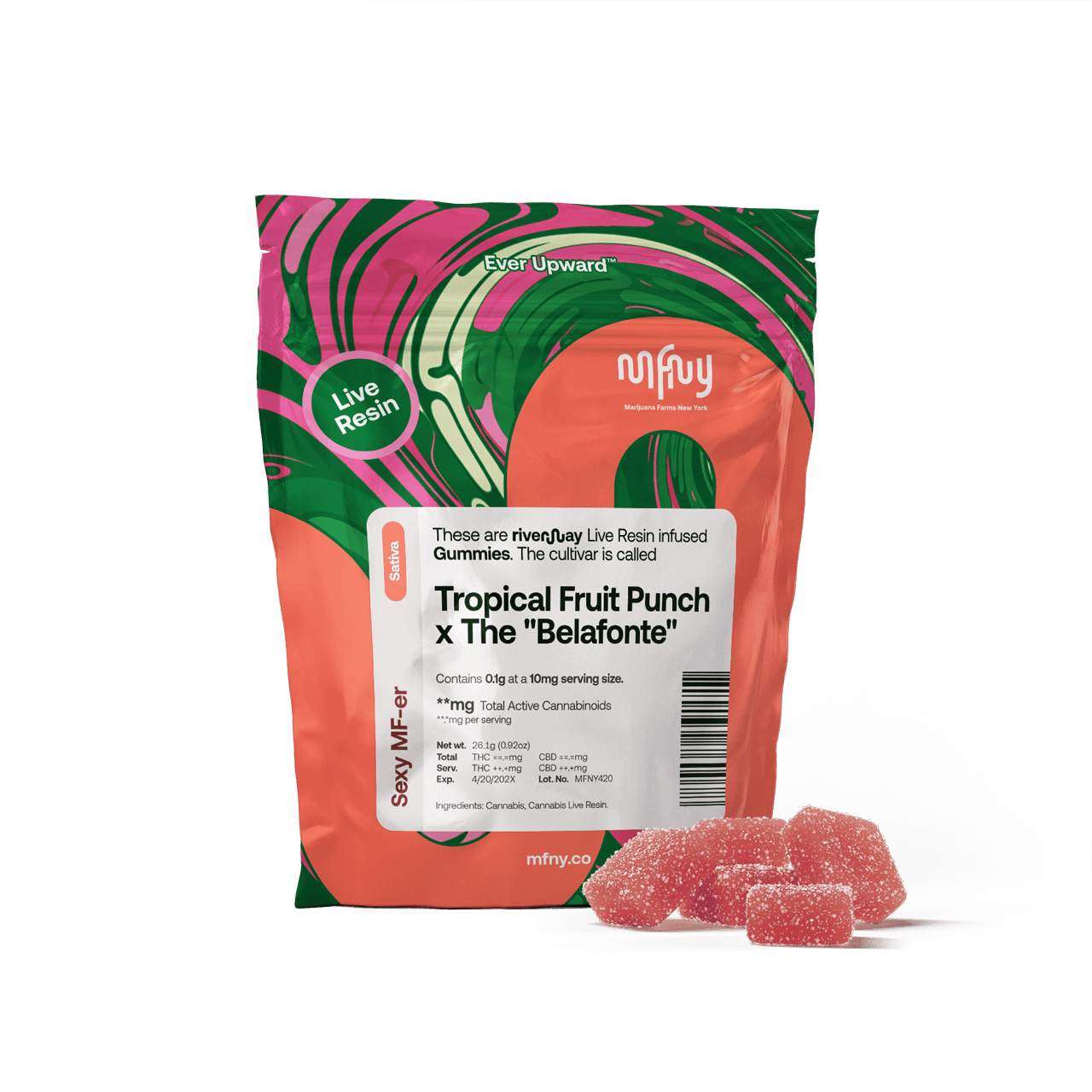
On sale· 15% OFF
THC 100mgSativa
MFNYTropical Fruit Punch x The Belafonte Live Resin Gummies | 10 pk · .1g
$18.80$22.12
$22after tax

THC 0.18%Hybrid
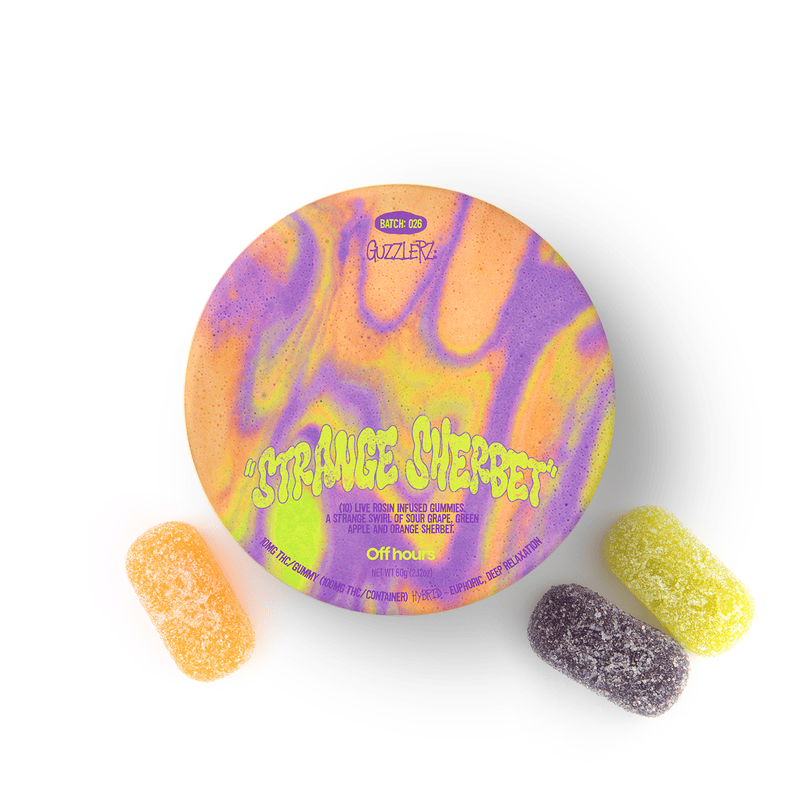
Off HoursOff hours - Live Rosin Gummies Batch 026 - Guzzlerz - Strange Sherbet · .1g
$38.05
$43after tax


THC 0.14%Hybrid
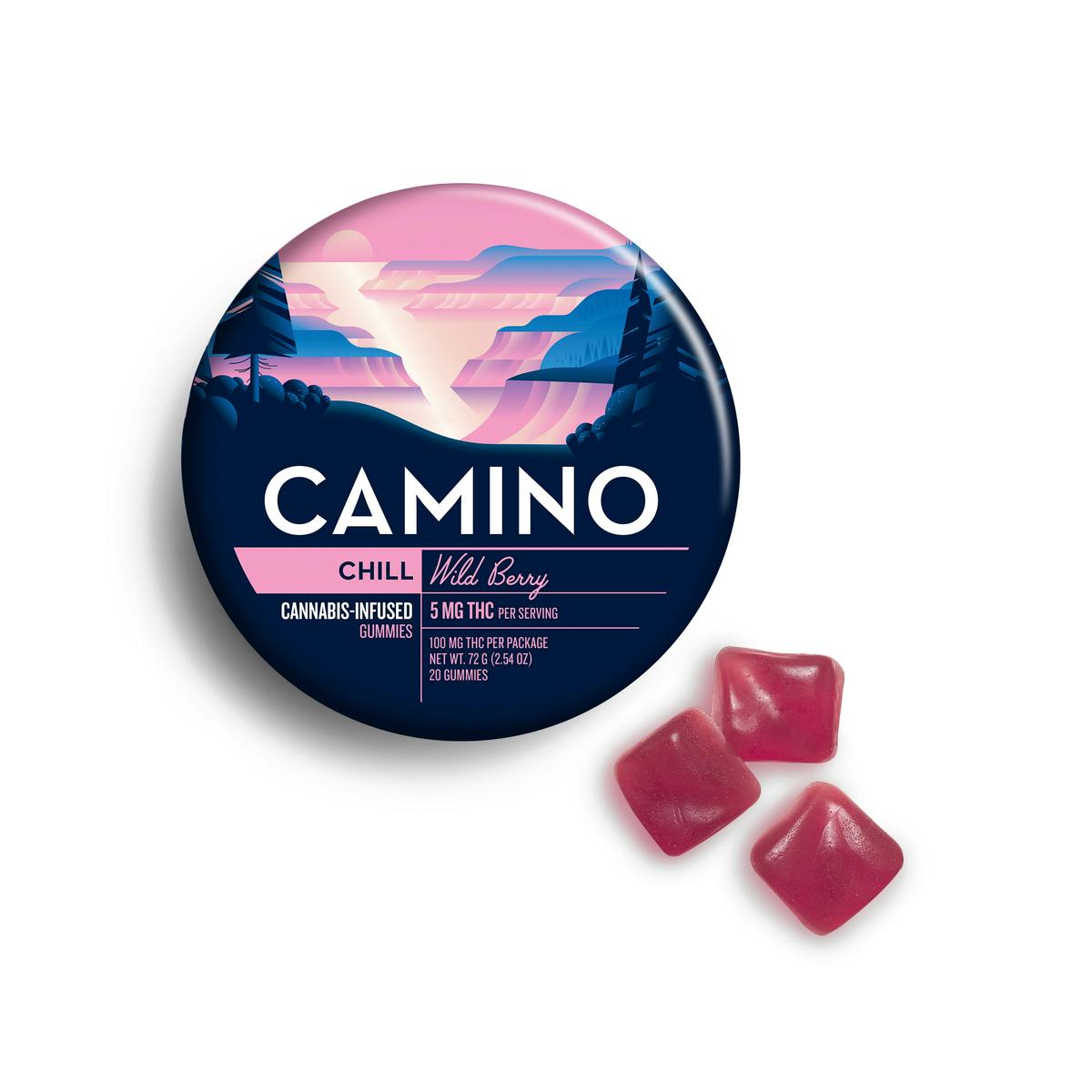
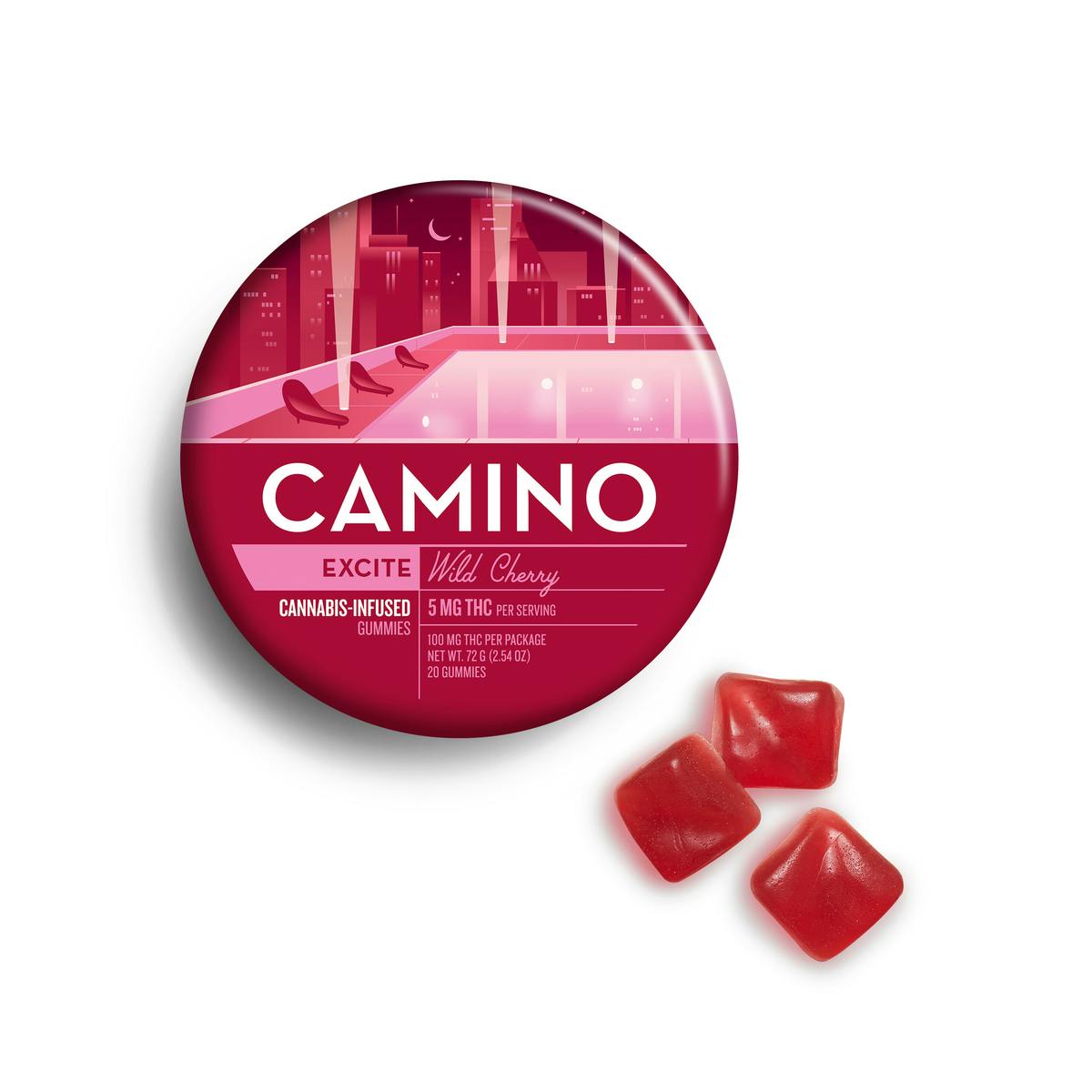
CaminoCamino | Recover | Freshly Squeezed | CBG Gummies | 100 mg | 20pk · .1g
$30.00
$34after tax
Edibles in East Harlem — answers
Are cannabis edibles legal to purchase in East Harlem, Manhattan?+
Yes. Adult-use cannabis is legal in New York State for individuals 21 and older, and East Harlem — spanning ZIP codes 10029 and 10035 — falls within New York County where licensed adult-use dispensaries and delivery services operate lawfully. All products sold through licensed retailers have been tested and approved under the Office of Cannabis Management's regulatory framework. Purchasing from a licensed source ensures accurate labeling, verified potency, and consumer protections not available through unlicensed channels.
How long do edibles typically take to work, and why does onset feel different from smoking?+
Edibles are metabolized through the digestive system rather than absorbed through the lungs, which means onset generally takes between 45 minutes and two hours depending on individual factors including metabolism, body weight, and how recently a person has eaten. The resulting experience tends to last longer than inhaled cannabis — often three to six hours or more. Because of this extended arc, the standard guidance for all consumers, regardless of experience level, is to start with a low dose and allow a full two hours before considering any additional intake.
What milligram dose is appropriate for a first-time edible consumer in New York?+
New York's licensed edibles are required to display per-serving THC content clearly on the label. For adults new to edibles, most harm-reduction guidance suggests beginning at 2.5 mg to 5 mg THC per serving — a range reflected in many products currently available through licensed New York retailers. This is not a medical recommendation, and individual responses vary. The consistent principle is to start low, go slow, and avoid the common mistake of consuming a second dose before the first has had time to fully take effect.
What formats of edibles are typically available at a licensed New York dispensary?+
Licensed New York dispensaries generally carry gummies, chocolates, hard candies, mints, caramels, and in some cases baked goods — though product availability shifts with inventory. Gummies are the most widely available format and offer easy dose division. Chocolates provide a more indulgent experience but are temperature-sensitive, which is worth considering for East Harlem shoppers during warmer months near Thomas Jefferson Park or along the Lexington Avenue corridor. Mints and hard candies offer a discrete, pocket-friendly option with a partial sublingual absorption component that may slightly hasten onset compared to other formats.
Can I have cannabis edibles delivered to my address in East Harlem?+
Yes. ZenZest Cannabis Dispensary offers free same-day delivery on orders over $100 to more than 80 New York ZIP codes, including addresses in the 10029 and 10035 ZIP codes that comprise East Harlem. Delivery must be received by an adult 21 or older with valid ID. Licensed delivery services operate under the same regulatory standards as in-store sales, meaning all products arrive properly labeled, sealed, and compliant with state requirements — a meaningful distinction from unlicensed delivery options.
What is the difference between full-spectrum and distillate-based edibles?+
Distillate is a highly refined cannabis extract from which most plant compounds other than THC have been removed, producing a neutral-tasting, precisely dosed oil used in many mainstream gummies and candies. Full-spectrum extracts retain a broader range of cannabinoids and terpenes from the original plant, which some consumers describe as producing a more layered experience — though the science behind this, often called the entourage effect, is still an active area of research. Neither type is inherently superior; the choice depends on personal preference, taste sensitivity, and what the consumer values in an edible experience.
Do terpenes matter in edibles the same way they do in flower?+
Terpenes play a less prominent role in most edibles than in flower or concentrate products, particularly when the edible is made with distillate, which strips most terpenes during refinement. However, full-spectrum and broad-spectrum edibles do retain some terpene content, and certain producers add terpene-rich botanical or cannabis-derived terpenes back into their formulas. For East Harlem consumers who already purchase flower and are familiar with profiles like myrcene, linalool, or limonene, seeking out full-spectrum edibles with disclosed terpene content can offer a more familiar and intentional experience.
Are there edibles that combine THC with other cannabinoids like CBD or CBN?+
Yes, and the range of such products on New York's licensed market has expanded notably. CBD-dominant or balanced THC-to-CBD ratio edibles are available for consumers seeking a less intoxicating experience. CBN-paired products appear frequently in sleep-adjacent sections of dispensary menus, though no licensed product can legally make medical or therapeutic claims. These are presented as experiential options for adults to consider within their own personal context. Discussing specific ratios with knowledgeable dispensary staff — in-store at ZenZest Queens or via its delivery menu — is a practical starting point.
What should I look for on the label of a cannabis edible purchased in New York?+
Licensed New York edibles are required to display total THC and CBD content per serving and per package, a New York OCM compliance mark, manufacturer and distributor license information, allergen disclosures, and a universal cannabis symbol. The label should also include a clear statement that the product is for adults 21 and older and that it should be kept away from children. Expiration or best-by dates and storage instructions are also standard. Absence of any of these elements is a significant signal that a product may not be from a licensed source.
How should I store cannabis edibles at home, especially in a warm East Harlem apartment in summer?+
Most cannabis edibles, particularly gummies and chocolates, are best stored in a cool, dark location away from direct sunlight and heat sources. During East Harlem's warmer months, when apartment temperatures along the upper floors of tenement-era buildings can climb considerably without central air, chocolates and some soft gummies benefit from refrigeration — stored in an airtight container to avoid odor transfer and moisture. Hard candies and mints are generally more heat-stable. In all cases, products should be kept in their original, child-resistant packaging and stored out of reach of anyone under 21.