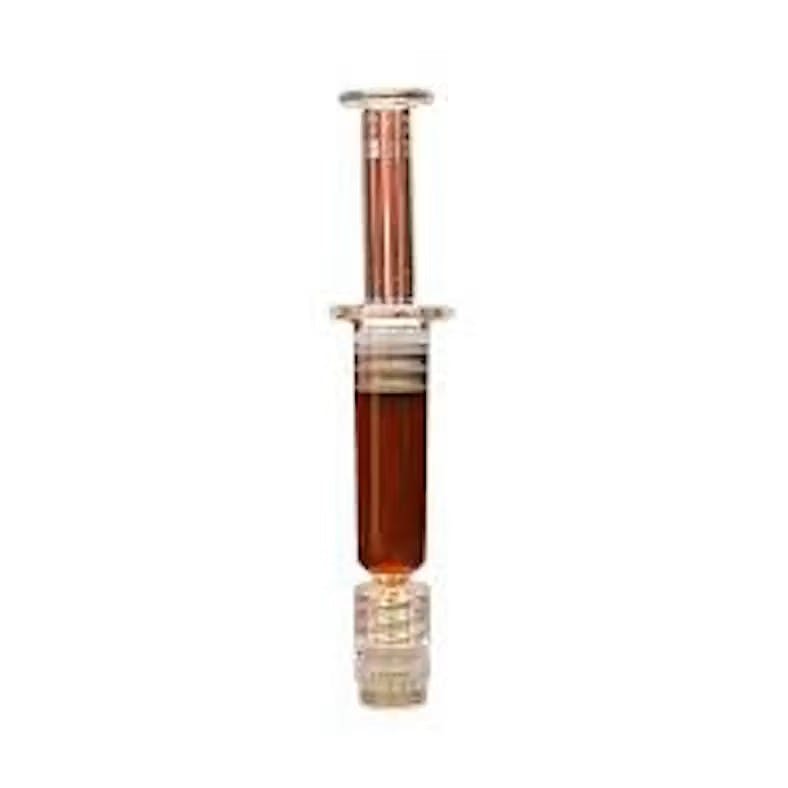
THC 66.28%·CBD 0.13%Hybrid
Veteran's Choice CreationsFECO | Full Extract Cannabis Oil · 1g
$39.82
$45after tax

weeddispensarynearme.com
You must be 21 years or older to enter. By entering, you confirm you’re of legal age in your state to purchase cannabis.
For use only by adults 21+ • Keep out of reach of children
East Harlem — El Barrio, the stretch of Lexington Avenue alive with color and culture, the quiet waterfront of Thomas Jefferson Park — deserves a cannabis category as refined as its character. Concentrates represent the most potent, flavor-forward tier of New York's licensed adult-use market, and for the discerning shopper in ZIP codes 10029 and 10035, understanding them is worth the time.
About Concentrates
Concentrates occupy the upper register of the licensed New York cannabis market. Produced by extracting cannabinoids and terpenes from the flower through methods ranging from solventless pressing to hydrocarbon or CO₂ extraction, the resulting products — live rosin, live resin, badder, wax, shatter, distillate, and more — deliver a concentrated expression of the plant that flower alone cannot replicate. THC percentages routinely fall between 70 and 95 percent, which is why the standard adult-use guidance of starting low and going slow applies with particular seriousness here. New York's Office of Cannabis Management licenses concentrate production under strict testing and labeling requirements, meaning every product on a legal dispensary shelf has been vetted for residual solvents, pesticides, heavy metals, and potency accuracy. That regulatory floor matters enormously in a category where unlicensed-market products have historically carried the greatest contamination risk. Buying from a licensed retailer is not simply a legal distinction — it is a safety one. Within the concentrate category, the solventless tier has drawn particular enthusiasm from connoisseurs. Live rosin, made by pressing fresh-frozen or bubble-hash material with heat and pressure — no chemical solvents involved — preserves the terpene profile of the living plant with exceptional fidelity. Solvent-based extracts such as live resin and sauce offer their own aromatic complexity at a typically lower price point, while refined distillate cartridges provide a discreet, consistent experience well suited to on-the-go consumption. New York's licensed concentrate shelf continues to expand as more cultivators and processors receive state approval. Shoppers can now find single-strain rosin from Hudson Valley farms, terp-rich sauce cartridges from Long Island processors, and hash rosin pressed in-state — a meaningful improvement over the limited selection available at market launch.
Concentrates for East Harlem shoppers
East Harlem carries a dual energy that concentrates suit well. By day, Lexington Avenue between 100th and 116th Streets hums with foot traffic, bodegas, produce stands, and the particular momentum of a neighborhood that has never slowed down. By evening, Thomas Jefferson Park along the East River offers one of Manhattan's more contemplative escapes — a waterfront lawn where the Triborough Bridge frames the horizon and the city noise softens to something manageable. The occasions for cannabis use in this neighborhood span that same range, from the winding-down ritual after a crosstown commute to a more intentional, elevated session on a weekend afternoon. Concentrates are especially practical for East Harlem residents who live in apartments where discretion matters. A single, measured draw from a live resin cartridge produces far less odor and visual smoke than a traditional session, making it compatible with the density of building life in 10029 and 10035. Dab rigs and e-rigs, meanwhile, suit the private setting of a home where a more expressive experience is welcome without the extended preparation that a flower session requires. The neighborhood's demographic is multigenerational and culturally attentive — residents here read labels, ask questions, and value authenticity in what they purchase. That instinct serves concentrate shoppers particularly well, because the category rewards curiosity. Understanding which extraction method produced a given product, which cultivar the terpene profile comes from, and how the texture signals freshness are the kinds of distinctions that elevate the experience from adequate to genuinely satisfying.
What to look for
The first consideration when evaluating a concentrate is extraction method, because it determines both what is preserved and what is introduced. Solventless products — ice water hash, bubble hash, and live rosin — use only water, heat, and pressure, leaving no chemical residue and preserving the broadest terpene spectrum. Solvent-based extracts (butane hash oil, propane hash oil, CO₂ extracts) can be equally clean when residual solvents are purged properly and confirmed through licensed-market testing, and they often achieve textures — shatter, sauce, badder — that solventless processing cannot. Terpene content is the next variable worth studying. In concentrates, terpene percentages are often listed separately from THC, and they tell you as much about the sensory and experiential character of a product as potency does. Myrcene tends toward a grounding, relaxed quality; limonene reads as bright and uplifting; caryophyllene carries a spiced, warming quality that experienced users often associate with a more present-minded effect. For East Harlem shoppers who may be commuting to or from Midtown or the Upper East Side, a limonene-forward cartridge in the afternoon has a different utility than a myrcene-dominant rosin for an evening at home near the park. Format trade-offs deserve honest consideration. Cartridges offer unmatched portability and discretion — ideal for the L or 6 train commute — but distillate-based carts sacrifice some terpene complexity unless the product is specifically labeled as live resin or full-spectrum. Dabbable concentrates (rosin, badder, sugar) require hardware — a rig or an e-rig — and a more deliberate setting, but they reward that investment with the fullest expression of a cultivar's character. For a first-time concentrate buyer in this category, a live resin cartridge from a licensed New York producer is a reasonable, low-friction starting point; start with a single draw and allow sufficient time before reassessing.
Why ZenZest for concentrates in East Harlem
ZenZest Cannabis Dispensary serves East Harlem shoppers through its Queens location at 272-06 Union Tpke, Bellerose, NY 11004 — approximately 12.2 miles from the heart of El Barrio. For concentrate buyers who prefer to browse and speak with knowledgeable staff before committing to a product in this high-potency category, the Queens store offers a curated licensed selection spanning cartridges, live rosin, and solvent-based extracts across a range of price points. For residents of ZIP codes 10029 and 10035 who would rather not make the trip, ZenZest offers free same-day delivery on orders over $100 to more than 80 New York ZIP codes. Concentrate orders travel well — properly sealed, child-resistant packaging ensures product integrity from the store to the door. Delivery allows East Harlem shoppers to take the time a concentrate purchase deserves: reading lab data, comparing terpene profiles, and consulting the ZenZest menu without the ambient pressure of a retail floor.
ZenZest Queens · 272-06 Union Tpke, Bellerose, NY 11004 · 12.2 miles from East Harlem.
$45after tax
$82after tax
$75after tax
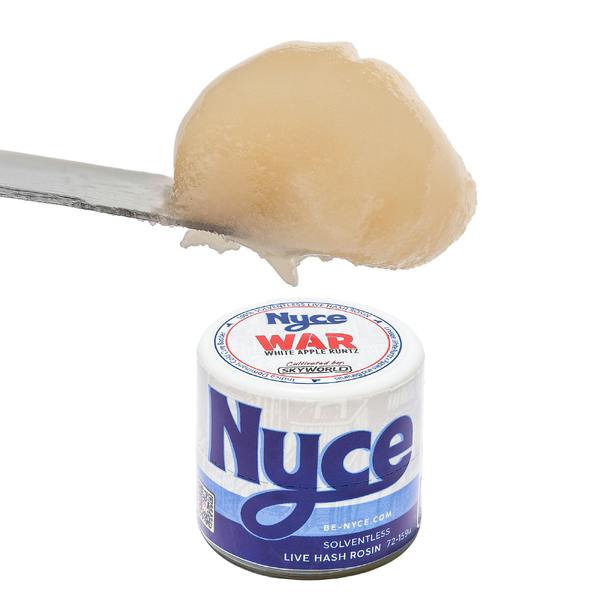
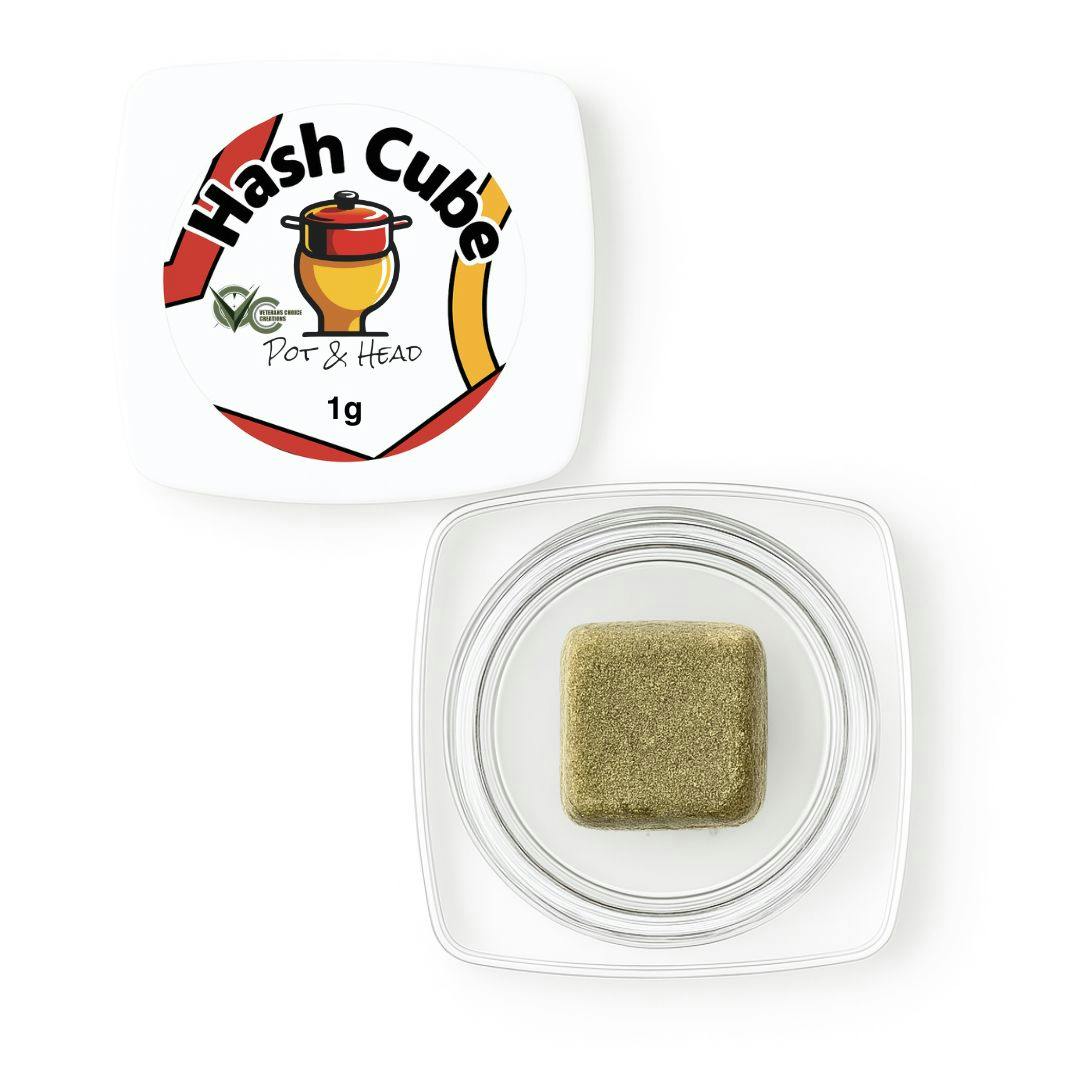
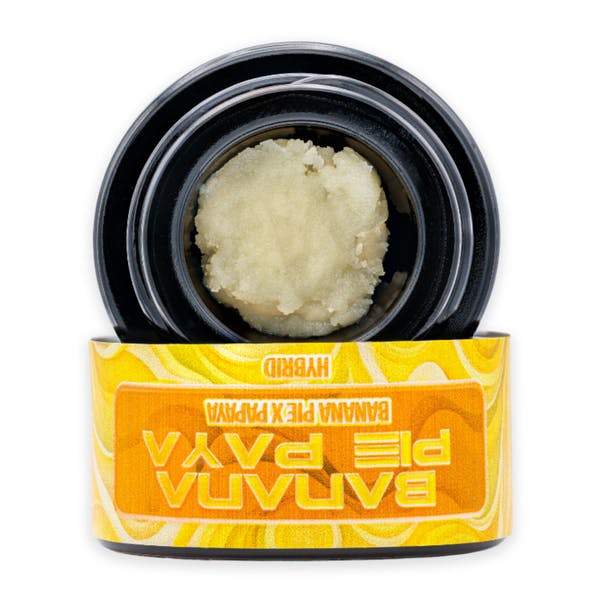
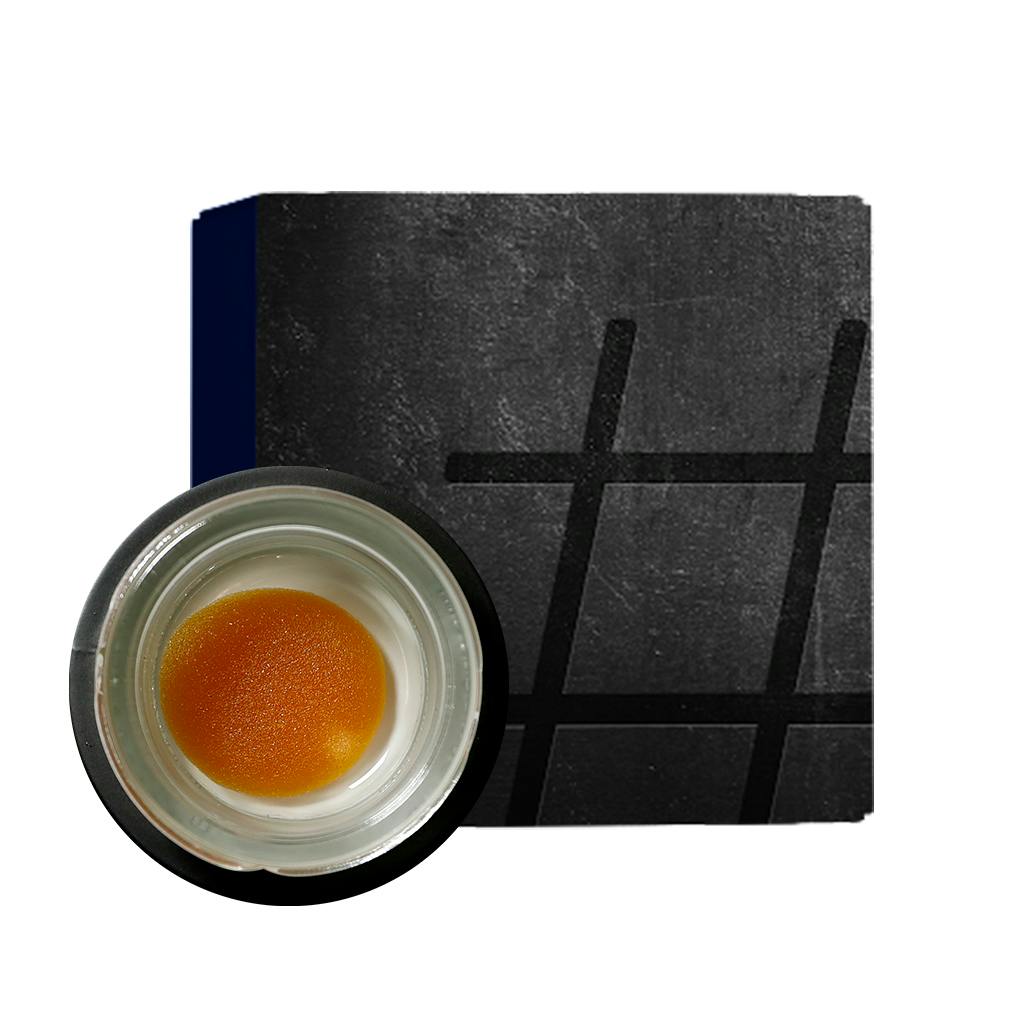
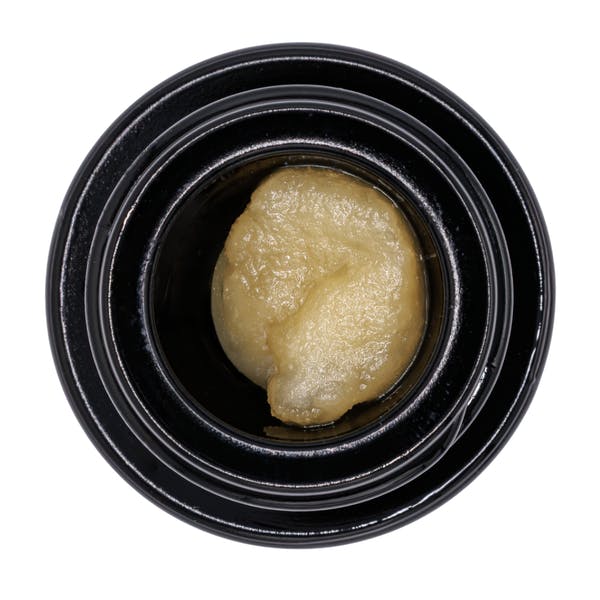
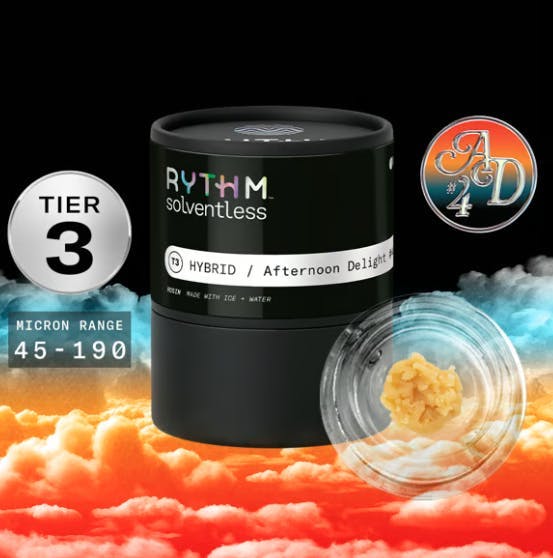
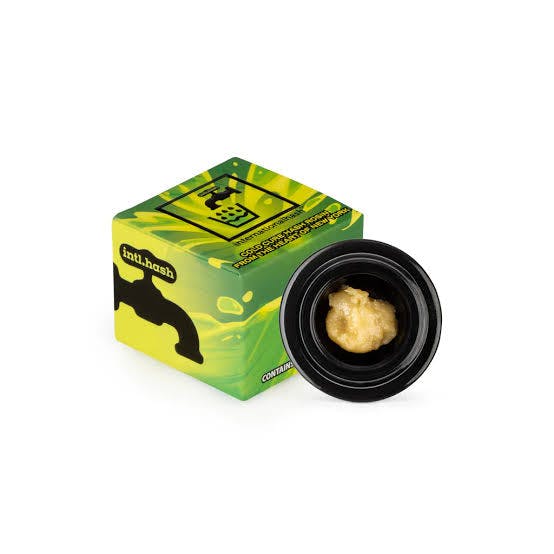
Live rosin is a solventless concentrate made by pressing fresh-frozen cannabis material using heat and pressure. Live resin is a solvent-based extract — typically butane or propane — made from fresh-frozen plant material. Both preserve a richer terpene profile than products made from dried, cured flower. Licensed New York dispensaries carry both formats, though live rosin tends to command a higher price point given the labor-intensive production process. Both are subject to the same state testing requirements for residual solvents and contaminants.
Yes. New York State's adult-use cannabis law permits licensed dispensaries to sell concentrates to individuals 21 years of age and older. East Harlem falls within New York County, fully covered by state adult-use regulations. A valid government-issued ID confirming age is required at point of sale or delivery. Purchasing from a licensed retailer — rather than an unlicensed source — ensures the product has passed state-mandated testing for potency, pesticides, and residual solvents.
Licensed concentrates in New York typically test between 70 and 95 percent total THC — significantly higher than the 20 to 30 percent range common in premium flower. For anyone new to the category, a single, conservative draw from a cartridge or a very small amount of dabbable concentrate is a prudent beginning. The general guidance across New York's adult-use market applies here with particular emphasis: start low, go slow, and allow adequate time between uses before deciding to consume more.
Consuming dabbable concentrates requires either a traditional dab rig with a quartz banger heated by a torch, or an electronic rig (e-rig) that regulates temperature digitally without an open flame. E-rigs have become the preferred option for apartment settings because they eliminate torch safety concerns and allow for precise temperature control, which directly affects flavor and vapor quality. Many licensed dispensaries carry hardware or can point shoppers toward compatible accessories.
Delivery eligibility depends on the licensed retailer's service area. ZenZest Cannabis Dispensary offers free same-day delivery on orders over $100 to more than 80 New York ZIP codes, and East Harlem's 10029 and 10035 ZIP codes fall within delivery-eligible areas. Orders are fulfilled in compliant, child-resistant packaging and delivered by ZenZest's licensed delivery service. Customers must be 21 or older and present valid ID upon delivery.
For a grounding, end-of-day experience, terpene profiles high in myrcene or linalool tend to be the ones most users associate with physical relaxation and mental quieting. Beta-caryophyllene, which interacts with the body's endocannabinoid system in a distinct way from other terpenes, also appears frequently in concentrates described as settling rather than stimulating. These are general observations drawn from user experience and emerging research — individual responses vary, and no terpene profile constitutes a medical recommendation.
New York's Office of Cannabis Management requires all licensed concentrate producers to submit products for third-party laboratory testing covering residual solvents, pesticides, heavy metals, microbial contaminants, and potency accuracy before products reach retail shelves. Unlicensed-market concentrates carry no such accountability. In the concentrate category specifically — where butane or propane is used in some extraction processes — improperly purged solvents in unlicensed products represent a genuine health risk that licensed-market testing is designed to eliminate.
For newer concentrate users, a distillate or live resin cartridge in the 70 to 80 percent total THC range offers a somewhat more forgiving entry point than products at the upper end of the 90-plus percent spectrum. More meaningful than percentage alone, however, is the presence of a full terpene profile — full-spectrum or live resin cartridges tend to produce a more rounded experience than isolated distillate, even at comparable potency levels. Start with a single draw, wait, and adjust from there.
Yes. Solventless options — including ice water hash, dry-sift hash, and live rosin — are available at licensed New York dispensaries, including through ZenZest. Live rosin in particular has seen growing production from licensed New York cultivators and processors. Price points for solventless products are generally higher than solvent-based equivalents, reflecting the lower yield and more labor-intensive production process. A gram of live rosin from a licensed New York source typically retails at a premium compared to a gram of live resin or distillate.
Concentrates are sensitive to heat, light, and humidity — all of which are considerations during a New York summer in a neighborhood as sun-exposed as East Harlem's Lexington Avenue corridor. Dabbable products like rosin and badder should be stored in a cool, dark place — a drawer or cabinet away from windows — ideally in the original sealed silicone or glass container. Cartridges should be stored upright and away from direct sunlight. Refrigeration is an option for longer-term rosin storage but requires allowing the product to return to room temperature before use to prevent condensation.
Pick your store
We'll show pricing, deals, and delivery zones for the store you pick. You can switch any time from the header.