Suffolk County · Rosin
Best Rosin in East Hampton, Suffolk County
East Hampton has long set the standard for discerning taste — in architecture, in cuisine, and increasingly, in cannabis. For the 11937 resident or summer visitor who refuses to compromise, solventless rosin represents the category's clearest expression of that same philosophy: no shortcuts, no additives, only the plant pressed to its most honest and aromatic form.
About Rosin
Rosin occupies a singular position in the broader cannabis concentrate landscape precisely because of what it lacks. Unlike BHO, distillate, or CO2 extracts, rosin is produced without the introduction of any hydrocarbon or chemical solvent. The process relies entirely on calibrated heat and pressure — a hydraulic or pneumatic press squeezes trichome-rich starting material until the resinous oils separate and flow free. The result is a concentrate that carries the full chemical signature of the original cultivar: cannabinoids, terpenes, flavonoids, and minor compounds that many other extraction methods inevitably sacrifice. In New York's licensed adult-use market, rosin arrives in several distinct forms depending on the starting material. Hash rosin — pressed from freshly frozen or dry-sifted ice water hash — commands the highest regard among connoisseurs for its clarity and terpene complexity. Flower rosin, pressed directly from dried and cured bud, is more accessible in price while still offering a solventless experience far removed from anything involving a laboratory solvent. Both formats are shelf-stable when stored properly, though rosin's living terpene profile rewards refrigerated storage and timely consumption. New York's Office of Cannabis Management requires that all licensed concentrate products undergo rigorous lab testing for potency, residual solvents, pesticides, and heavy metals before reaching retail. For rosin specifically, solvent testing tends to be a formality — the absence of solvents in the process is the entire point — but the full panel of results provides a meaningful window into terpene concentration and cannabinoid ratios that a thoughtful buyer can use to guide selection. As solventless technology has matured and licensed New York producers have refined their cold-room workflows and pressing protocols, the quality ceiling for domestically produced rosin has risen considerably. Shoppers in the 11937 ZIP code now have genuine access, whether through local retail or licensed delivery channels, to concentrate that competes with any market in the country.
Rosin for East Hampton shoppers
East Hampton's particular rhythm shapes how cannabis fits into daily life here in ways that differ meaningfully from a dense urban ZIP code. The pace along Main Street and Newtown Lane is unhurried in spirit even when the summer population swells. Evenings tend to resolve around long dinners, open decks facing the Atlantic corridor, and the kind of social gatherings where the product being passed matters. Rosin's flavor fidelity — the way a well-pressed badder or live rosin can carry notes of bergamot, stone fruit, or fresh pine that align unmistakably with a specific cultivar — suits a context where people are paying attention to what they consume. The Montauk Highway corridor also means that a meaningful segment of the East Hampton population commutes or travels in concentrated bursts rather than daily. Weekend visitors arriving from the city and seasonal residents closing the house for the week both benefit from a product format that delivers a precise, efficient experience without the occasion-specific logistics of rolling or packing a bowl. A small jar of rosin, a quality dab tool, and a portable electronic rig or a hash hole pre-roll made with solventless oil represent a self-contained luxury that travels well. Summer heat along the South Fork is another practical consideration. Rosin's terpene profile is genuinely temperature-sensitive — a concentrate left in a warm car on a July afternoon loses aromatic complexity that cannot be recovered. East Hampton buyers who invest in a quality product are well served by understanding cold storage basics and by purchasing quantities they will realistically use within a few weeks. The same attentiveness that defines the local food culture applies here.
What to look for
When evaluating rosin, the starting material is the single most important variable. Hash rosin pressed from full-melt bubble hash will carry a broader and more nuanced terpene profile than flower rosin from the same cultivar, though excellent flower rosin from a premium input still outperforms most solvent-based concentrates in aromatic integrity. Look for products that disclose the hash grade or the wash quality — terms like 'full melt' or '6-star' signal that the trichome heads were isolated cleanly before pressing. Terpene concentration is the practical proxy for quality that lab labels make accessible. A rosin with total terpene content above three percent is showing genuine retention of the plant's volatile aromatics; figures approaching or exceeding five percent in a fresh-press live rosin are exceptional. Pay attention to the dominant terpenes listed: myrcene and linalool skew toward sedative and body-oriented experiences; limonene and terpinolene tend toward clarity and elevation; caryophyllene and humulene carry a grounding, spice-forward character that many find suits social contexts well. THC figures in quality rosin typically range from 65 to 85 percent — potency in this category is high across the board, and start-low-go-slow guidance applies with particular weight for anyone new to concentrates. Format matters for the East Hampton buyer. A soft, creamy badder is easy to handle with a simple dab tool and suits occasional use. A more stable, waxier consistency holds up better in warm ambient temperatures. Sauce or live rosin with separated THCA diamonds and terpene liquid is visually striking and aromatic but requires more careful handling. If you prefer inhalation without a rig, ask your budtender whether any solventless hash hole pre-rolls or infused pre-rolls using rosin oil are available — they represent an elegant on-ramp to the category.
Why ZenZest for rosin in East Hampton
ZenZest Cannabis Dispensary operates two licensed New York adult-use locations, with the Queens store at 272-06 Union Tpke in Bellerose serving as the nearest physical option for East Hampton shoppers at approximately 81.6 miles — a distance many South Fork residents cover when heading into the city for the week or the season. The Queens location maintains a curated concentrate selection that includes solventless rosin from licensed New York producers, and the knowledgeable staff can walk first-time rosin buyers through the full range of textures, terpene profiles, and consumption formats available on the current menu. It is worth noting that ZenZest's same-day delivery program, which covers more than 80 ZIP codes across New York, does not currently extend to the 11937 ZIP code. East Hampton shoppers planning a visit to the Queens store are encouraged to check the current menu online before making the trip, and to bring a cooler or insulated bag during warmer months to protect their rosin's terpene integrity on the drive back east along the Long Island Expressway.
ZenZest Queens · 272-06 Union Tpke, Bellerose, NY 11004 · 81.6 miles from East Hampton.
Live rosin for East Hampton
Full rosin menu →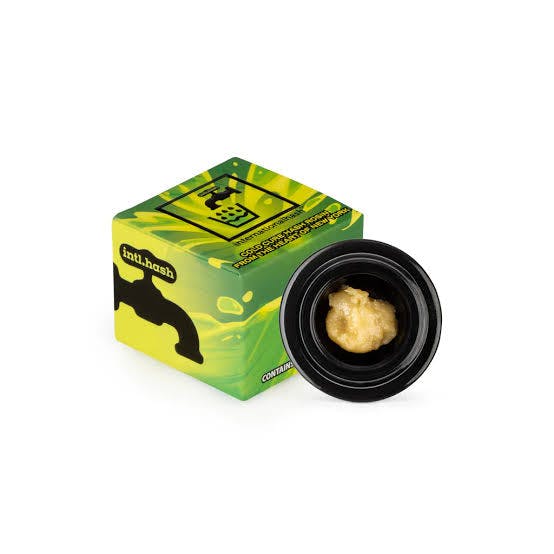
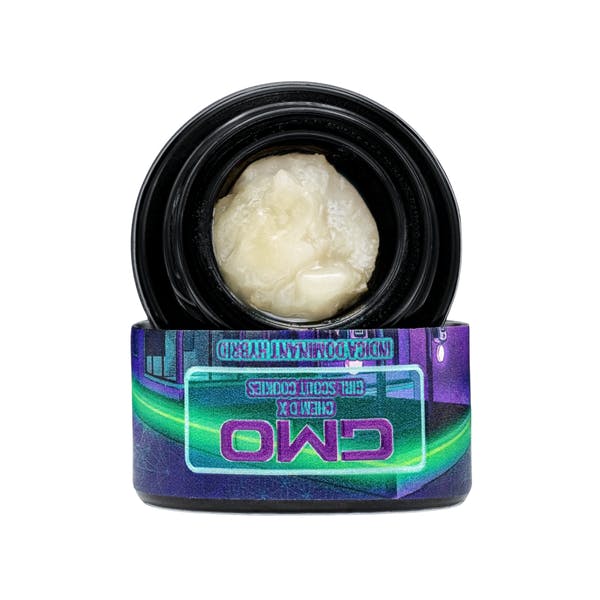
THC 75.73%Hybrid
INTERNATIONAL HASHInternational Hash | Cold Cure Hash Rosin | Grapefruit Hybrid · 1g
$66.37
$75after tax
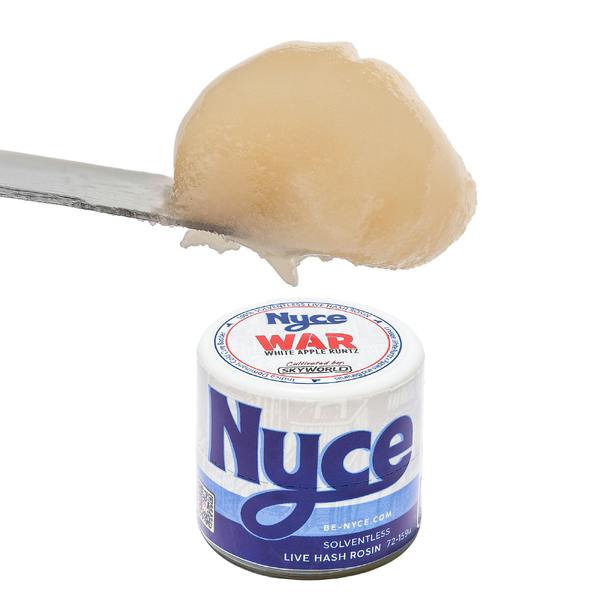
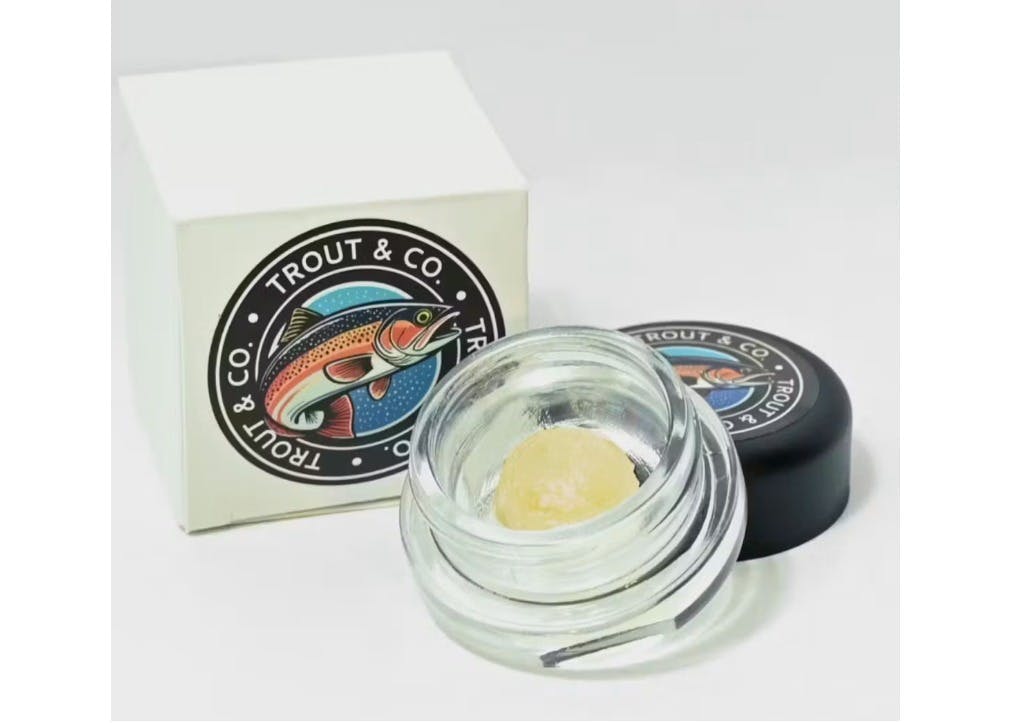
THC 77.52%Hybrid
Trout & Co.Trout & Co. | Super Funk | Live Rosin Private Reserve · 1g
$88.50
$100after tax
Rosin in East Hampton — answers
What makes rosin different from other cannabis concentrates available in East Hampton dispensaries?+
Rosin is the only major concentrate category produced without any chemical solvent. Heat and pressure are the only tools involved, which means the full spectrum of terpenes and minor cannabinoids from the original plant material is preserved in the final product. For shoppers along the Main Street and Newtown Lane retail corridor who are accustomed to evaluating provenance and production method in food and wine, rosin offers a similarly traceable, process-transparent option in cannabis.
Is hash rosin noticeably different in experience from flower rosin?+
Yes, in ways that are perceptible to most attentive consumers. Hash rosin starts from isolated trichome heads rather than whole flower, which means the ratio of active compounds to plant wax and chlorophyll is much higher. The resulting concentrate is typically lighter in color, more aromatic, and considered cleaner in flavor. Flower rosin is more accessible in price and still delivers a fully solventless experience, but hash rosin represents the category's upper register — appropriate for the level of discernment that East Hampton shoppers tend to bring to premium consumables.
How should I store rosin purchased during a summer visit to East Hampton?+
Rosin is sensitive to heat, light, and air exposure. In East Hampton's summer months, ambient temperatures in a beach house or parked car can degrade terpene content quickly. Store your rosin in its sealed container inside a small, dedicated cooler or the coldest drawer of your refrigerator. Allow it to return to room temperature before opening the jar to minimize condensation. Properly stored, a quality rosin holds its aromatic profile for several weeks; for longer storage, a sealed freezer is appropriate.
What terpenes should I look for in a rosin if I want something suited to a relaxed Hamptons evening?+
For the kind of quiet, contemplative evening common in East Hampton — a long dinner winding down, a walk toward the ocean, or a fire on the deck — rosin cultivars dominant in myrcene, linalool, and beta-caryophyllene tend to suit the occasion. Myrcene delivers a soft, earthy warmth; linalool offers floral calm; caryophyllene provides a grounding spice note. These are generalizations, not medical claims, and individual response varies. Starting with a very small amount and waiting to assess is always the appropriate approach with any concentrate.
Can I consume rosin without a dab rig or specialized equipment?+
Yes. While a traditional dab rig or an electronic concentrate device delivers the fullest expression of rosin's terpene complexity, several lower-barrier options exist. Solventless hash hole pre-rolls and rosin-infused pre-rolls are increasingly available from licensed New York producers and require no additional equipment. Some consumers add a small amount of rosin to a packed bowl, though this is less efficient. For East Hampton visitors who did not pack concentrate equipment, the pre-roll format is the most practical and socially comfortable entry point.
What THC potency range should I expect from rosin products in the New York licensed market?+
Most quality rosin products from licensed New York producers test between 65 and 85 percent total THC, with some live rosin and full-melt hash rosin expressions reaching higher. This is significantly more potent than flower or most infused pre-rolls. Anyone new to concentrates, or accustomed to moderate-potency flower, should begin with an amount no larger than a grain of rice and allow at least 15 to 20 minutes to assess the experience before considering any additional consumption. There is no medical guidance implied here — start low, go slow is simply sound practice.
Does ZenZest deliver rosin to East Hampton in ZIP code 11937?+
ZenZest's same-day delivery program is extensive, covering more than 80 ZIP codes across New York, but the 11937 ZIP code in East Hampton does not currently fall within the eligible delivery area. The nearest ZenZest location is the Queens store at 272-06 Union Tpke in Bellerose, approximately 81.6 miles from East Hampton. Shoppers who make the trip are encouraged to check the current online menu in advance and to plan appropriately for transporting temperature-sensitive rosin on the drive back to the South Fork.
How do I read a rosin product's lab certificate to compare quality between options?+
On a New York licensed product's certificate of analysis, focus on three columns: total THC (which includes both delta-9 THC and THCA converted by decarboxylation), total terpene percentage, and the list of individual terpenes with their concentrations. A higher total terpene figure generally signals better starting material and a more careful pressing process. Confirm that the residual solvent panel shows non-detectable results — for genuine rosin this should always be the case, but its presence on the label confirms the product was tested under the full required panel.
Are there rosin products better suited to daytime use around East Hampton's outdoor activities?+
Cultivars with terpene profiles dominant in limonene, pinene, and terpinolene tend to carry a brighter, more energizing character that some consumers find compatible with active or outdoor occasions — a morning on the water, a walk along the ocean, or time in the garden. These are general terpene associations, not clinical claims. East Hampton's physical landscape and outdoor culture make this a relevant consideration when selecting a rosin, and a knowledgeable budtender can point you toward current inventory that fits those terpene profiles.
What should first-time rosin buyers in East Hampton ask when visiting a licensed dispensary?+
Ask the budtender to clarify the starting material — hash rosin versus flower rosin — and to share the terpene profile and total terpene percentage if available. Ask whether the product is a fresh press or has been whipped into a badder, and which texture they would recommend for someone new to concentrates. If you have no consumption device at home, ask explicitly about pre-roll formats that incorporate solventless rosin. Finally, confirm the product's harvest or press date where possible — freshness matters more in rosin than in almost any other cannabis category.