
Suffolk County · Concentrates
Best Concentrates in East Hampton, Suffolk County
East Hampton's unhurried cadence — sun-bleached shingles on Further Lane, the salt-threaded breeze drifting off the Atlantic, the quiet confidence of Main Street after the summer crowds thin — calls for a cannabis format that matches its refinement. Concentrates offer precisely that: potency distilled to its purest expression, suited for the discerning adult-use consumer navigating the Hamptons at their own deliberate pace.
About Concentrates
Concentrates occupy the upper register of the licensed New York cannabis market. Produced by extracting cannabinoids and terpenes from the flower through methods such as hydrocarbon processing, CO₂ extraction, rosin pressing, or ethanol washing, these products deliver a more immediate and pronounced experience than whole flower or most edibles. The resulting formats — live resin, live rosin, badder, shatter, diamonds and sauce, and distillate cartridges — each carry distinct sensory profiles and onset windows that reward a bit of study before purchase. New York's Office of Cannabis Management licenses and inspects every step of the supply chain for adult-use concentrates sold in the state. That regulatory structure means the products appearing on licensed dispensary shelves have undergone testing for residual solvents, heavy metals, pesticides, and potency — a layer of assurance that unlicensed market products simply cannot offer. For the East Hampton shopper accustomed to sourcing ingredients and goods with provenance in mind, the licensed New York concentrate market reflects a similar philosophy: traceability matters. Potency in concentrates is typically expressed as total THC percentage and can range broadly — from the mid-fifties in some live rosins to over ninety percent in refined distillates. That range is not a quality hierarchy; it reflects different extraction philosophies. Full-spectrum products preserve a wider array of minor cannabinoids and terpenes, while isolates and distillates prioritize one or two compounds. Understanding where a product sits on that spectrum shapes the experience more than the number on the label. Adult-use concentrates are for consumers 21 and older. New York law prohibits consumption in public spaces, vehicles, and most shared residential settings. For visitors and seasonal residents of the 11937 ZIP code, confirming that your private accommodation permits cannabis use before purchasing is always the prudent first step.
Concentrates for East Hampton shoppers
East Hampton's relationship with leisure is deliberate. Whether you are arriving via the Jitney on Montauk Highway after a week in the city, settling into a rental off Georgica Road, or preparing for an evening on the back deck watching the light fade over Georgica Pond, the pace here is intentional rather than hurried. Concentrates align well with that ethos: a small amount goes a considerably longer way than flower, there is minimal setup required, and the format produces little lingering odor when used with a quality portable vaporizer — a practical consideration when sharing close quarters or renting a property with strict policies. The Hamptons demographic skews toward adults who have some experience with cannabis and are looking to refine rather than discover. Concentrates are not typically the category recommended for first-time or very occasional consumers, but for the returning visitor who knows their preferences and wants precision — a specific mood before a gallery opening on Main Street, genuine rest after a day on the ocean — they offer a degree of control that pre-rolls and edibles approach from different angles. Live rosins in particular, with their expressive terpene profiles, have found a following among consumers who already appreciate nuance in wine, spirits, or food. Seasonal variation in East Hampton also factors into format selection. August humidity and direct sun are not ideal conditions for storing solvent-based concentrates, which can degrade in heat. Rosin and resin products should be kept in a cool, dark environment — a refrigerator drawer works well — and returned to room temperature before use. If you are visiting in shoulder season when the village quiets and the light turns golden along Newtown Lane, storage conditions are less demanding and the overall experience of concentrate use is more forgiving.
What to look for
When evaluating concentrates, the terpene profile is the most informative data point beyond the extraction method. Terpenes are the aromatic compounds responsible for the characteristic scent and, increasingly, for the nuanced experiential differences between products. Myrcene is earthy and grounding; limonene is citrus-forward and tends toward an uplifting quality; caryophyllene is spiced and herbal; linalool is floral and associated with calm. Licensed New York products are required to list tested terpene percentages, and that panel is worth reading carefully before purchase. Format trade-offs matter in a market as varied as New York's licensed concentrate shelf. Live rosin — made by pressing fresh-frozen flower with heat and pressure, no solvents involved — is the current benchmark for full-spectrum, artisanal-leaning production; it typically commands a higher price and lower THC percentage than solvent-based extracts, but many experienced consumers find the experience richer. Live resin preserves terpenes from flash-frozen plant material through a solvent-based process and sits at a mid-range price point with excellent aromatic complexity. Distillate cartridges offer the most portable and lowest-friction format — they work with standard 510-thread batteries and require no additional hardware — though the extract has typically been refined to the point where most minor terpenes and cannabinoids are removed, then re-added from external sources. For the East Hampton context specifically, portability and discretion weigh heavily. A pocket-sized cartridge or a pre-filled disposable device handles the transition from a beach walk to a dinner reservation without requiring dab rigs or torch lighters. Consumers newer to concentrates are consistently advised to start with a small amount, allow several minutes before reassessing, and avoid combining formats on the same occasion until they understand how each affects them individually — general guidance that applies regardless of how experienced one is with cannabis in other forms.
Why ZenZest for concentrates in East Hampton
ZenZest Cannabis Dispensary brings a level of curation and transparency to the licensed New York market that suits the expectations of a discerning East Hampton consumer. The nearest physical location — ZenZest Queens at 272-06 Union Tpke, Bellerose, NY 11004 — is approximately 81.6 miles from the 11937 ZIP code, making it a realistic destination for those traveling between the East End and the city. The Queens store carries a rotating selection of licensed New York concentrates across formats, and the staff are trained to walk customers through terpene panels and extraction methods rather than simply citing THC percentages. It is worth noting that East Hampton falls outside ZenZest's current same-day delivery coverage area, so advance planning is the practical approach for Hamptons-based shoppers. Stopping at the Union Turnpike location on the way out to Suffolk County — or on the return — fits naturally into the Montauk Highway corridor for anyone making the drive. ZenZest's commitment to licensed, tested product means every concentrate on its shelves carries the full documentation that New York's Office of Cannabis Management requires.
ZenZest Queens · 272-06 Union Tpke, Bellerose, NY 11004 · 81.6 miles from East Hampton.
Live concentrates for East Hampton
Full concentrates menu →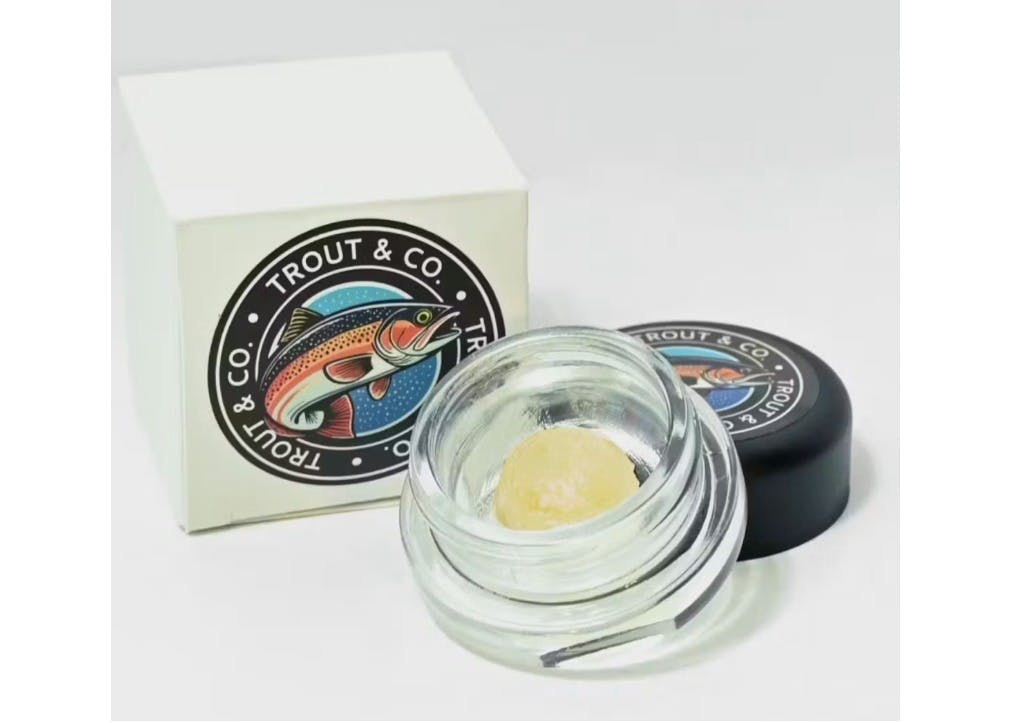
THC 77.52%Hybrid
Trout & Co.Trout & Co. | Super Funk | Live Rosin Private Reserve · 1g
$88.50
$100after tax

THC 66.28%·CBD 0.13%Hybrid
Veteran's Choice CreationsF.E.C.O Full Extract Cannabis Oil RSO Concentrate · 1g
$39.82
$45after tax
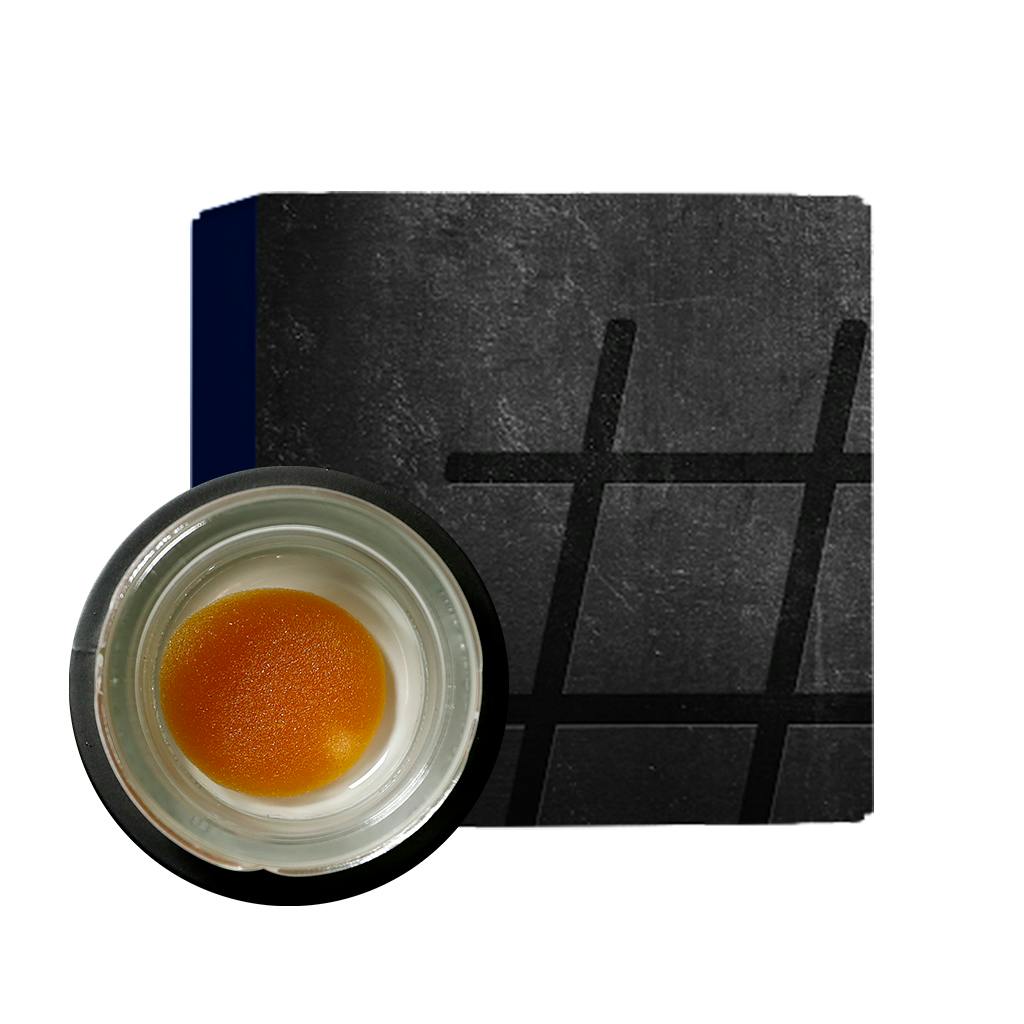
THC 76.28%Hybrid
Trout & Co.Trout & Co. | Sweet Vidalia | Live Rosin Private Reserve · 1g
$88.50
$100after tax
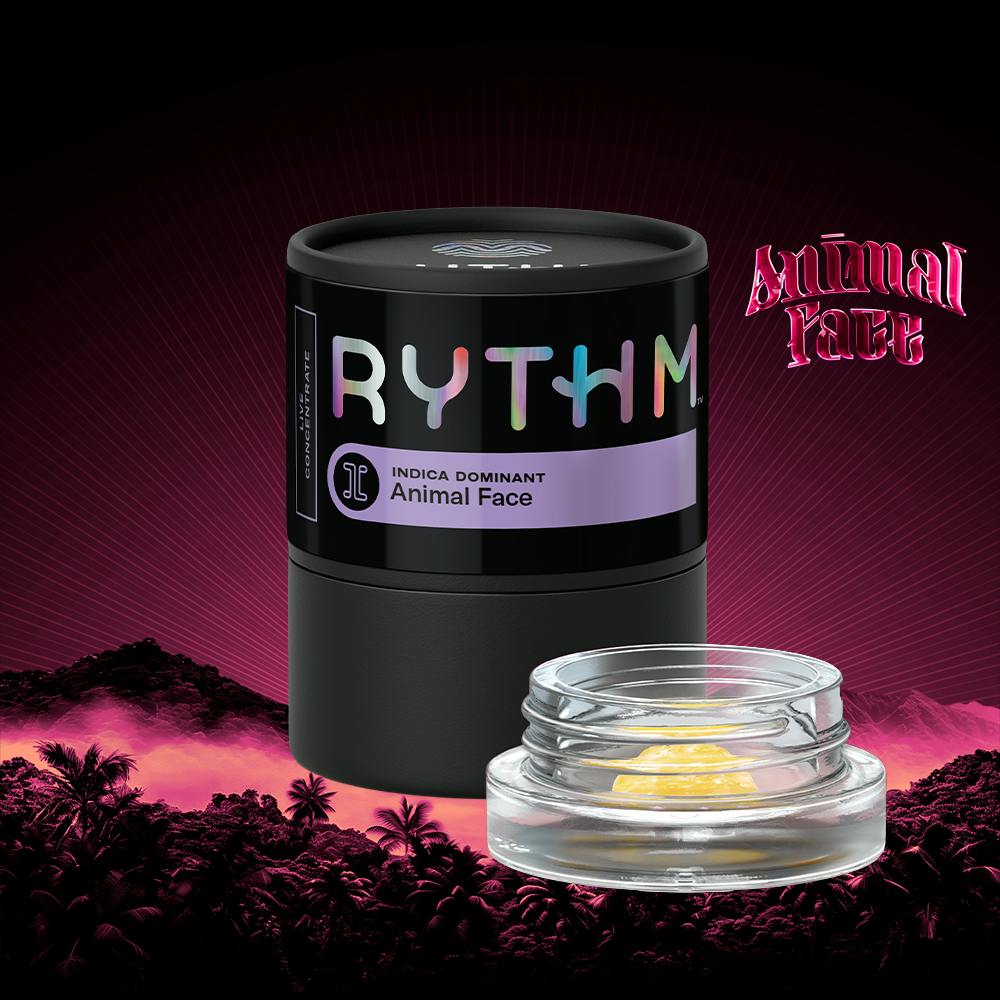
On sale· 20% OFF
THC 79.9%Indica-Hybrid
RYTHMRythm | Animal Face | Live Resin Concentrate | Indica · 2g
$72.22$90.27
$84after tax
Concentrates in East Hampton — answers
Are concentrates legal for adult-use purchase in East Hampton, NY?+
Yes. New York State's adult-use cannabis program, administered by the Office of Cannabis Management, permits licensed retailers to sell concentrates to consumers 21 and older. East Hampton falls within Suffolk County, where state adult-use licensing applies. Consumers must present valid government-issued identification confirming age at the point of sale. Public consumption remains prohibited under state law, so use should be confined to private property where the owner or landlord permits it.
What is the difference between live rosin and live resin, and which is more common on New York licensed shelves?+
Live rosin is produced by applying heat and pressure to fresh-frozen cannabis flower — no chemical solvents are used in the process. Live resin is produced by passing a hydrocarbon solvent such as butane through fresh-frozen material and then purging the solvent from the resulting extract. Both preserve the terpene profile of the living plant more faithfully than cured-flower extractions. Both appear regularly on licensed New York shelves, though live rosin tends to carry a higher retail price reflecting the more labor-intensive process and the absence of solvent infrastructure.
How should I store concentrates during a Hamptons summer stay?+
Heat and UV exposure are the primary enemies of concentrate quality. In East Hampton's summer conditions, solvent-based concentrates such as badder, shatter, and live resin should be stored in a sealed, airtight container in a refrigerator drawer, away from produce that might absorb or impart odors. Live rosin is particularly sensitive to temperature fluctuation. Allow any refrigerated concentrate to return gradually to room temperature before opening the container, as condensation forming on a cold extract can introduce moisture and degrade both texture and flavor.
What hardware do I need to use concentrates if I am visiting East Hampton and traveling light?+
The most travel-friendly format is the 510-thread cartridge or the all-in-one disposable vaporizer, both of which require no additional accessories beyond a charged battery — or nothing at all in the case of disposables. If you prefer loose concentrates such as badder or rosin, a portable electronic dab device — sometimes called an e-rig — is a compact and self-contained option that eliminates the need for a torch and a traditional rig. These are available at electronics retailers and some licensed dispensaries, though New York dispensaries sell the concentrate, not the hardware, separately.
Are terpene percentages listed on licensed New York concentrate products?+
Licensed New York cannabis products are required to undergo third-party laboratory testing, and terpene data is increasingly included on certificates of analysis that reputable retailers make accessible in-store or on their websites. Not every product label will display a full terpene panel in printed form due to space constraints, but a licensed dispensary should be able to produce the lab documentation upon request. When selecting a concentrate, asking specifically about the top two or three terpenes by percentage is one of the most useful conversations you can have with a knowledgeable budtender.
Is the experience of a concentrate cartridge meaningfully different from smoking flower?+
Yes, in several respects. Cartridges and vaporizers heat cannabis oil to temperatures that produce vapor rather than combustion byproducts, which many consumers find easier on the throat and lungs. The onset is typically within a few minutes — faster than edibles, roughly comparable to flower inhalation. Because distillate cartridges are highly refined, the experience is often described as cleaner and more uniform than flower, though the complexity of a full-spectrum rosin or resin cartridge more closely approximates the layered sensory quality of whole flower. THC concentration in cartridges is generally higher than flower, making measured, conservative initial use an important practice.
What THC percentage range should a first-time concentrate consumer in East Hampton look for?+
For any adult 21 or older who is new to concentrates but not to cannabis broadly, starting with a product in the sixty to seventy percent total THC range — such as a full-spectrum live resin or a quality rosin — is generally regarded as more approachable than beginning with a ninety-plus percent refined distillate. The lower end of the concentration range in concentrates is still considerably more potent than typical whole flower. Starting with a very small amount and waiting several minutes before considering any additional use is the standard guidance across all concentrate formats, regardless of prior cannabis experience.
Can I consume concentrates on the beach or in public spaces in East Hampton?+
No. New York State law prohibits cannabis consumption in public spaces, including beaches, parks, sidewalks, and any area where tobacco smoking is also prohibited. East Hampton's public beaches and village common spaces are subject to this prohibition. Violations can result in civil fines. Cannabis use is permitted on private property where the owner consents. Many short-term rental agreements in the Hamptons include explicit no-smoking or no-cannabis clauses, so reviewing your rental agreement before purchasing any cannabis product is a practical step.
Does ZenZest deliver concentrates to the East Hampton area?+
At present, East Hampton's 11937 ZIP code falls outside ZenZest's same-day delivery coverage area, which spans more than 80 New York ZIP codes. Customers based in or visiting the East End who wish to shop with ZenZest will find the Queens location at 272-06 Union Tpke in Bellerose the most accessible option — particularly convenient for those making the drive along the Long Island Expressway or Montauk Highway corridor between the city and the East End. Planning a pickup stop in advance of your visit is the most practical approach.
How do I know a concentrate sold in New York is from a licensed source and not the unlicensed market?+
Licensed New York cannabis retailers are required to display their OCM retail license number and sell only products sourced from licensed cultivators and processors. Every licensed product carries a unique label with batch and testing information traceable to a certificate of analysis from an accredited laboratory. Products purchased from unlicensed sources — including informal delivery services or storefronts operating without proper licensing — do not carry these guarantees and may contain residual solvents, pesticides, or inaccurate potency labeling. Purchasing exclusively from a licensed dispensary is the only way to ensure the product has met New York State's testing and safety standards.