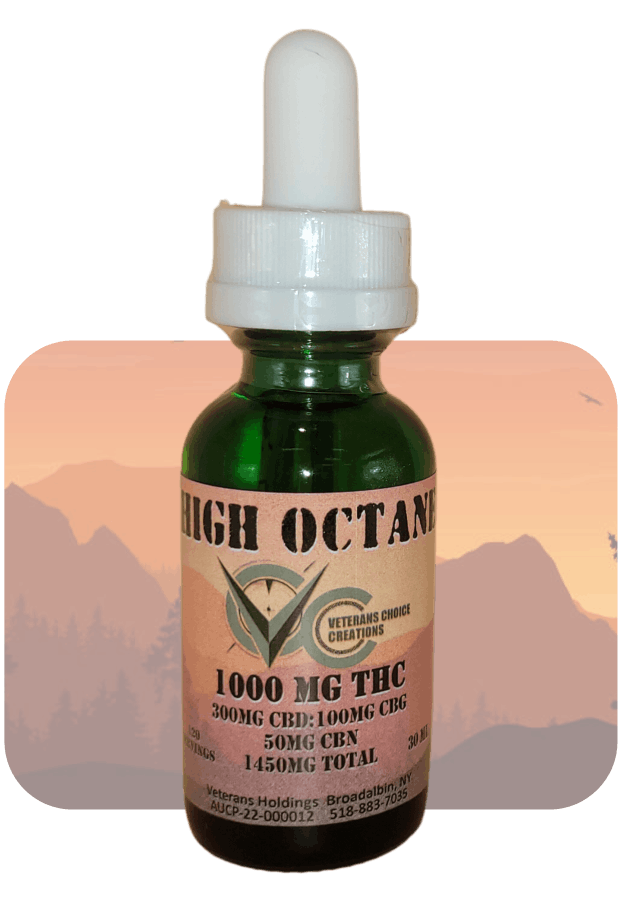
THC 4.41%·CBD 1.58%Hybrid
Veteran's Choice CreationsVETERANS CHOICE CREATIONS | 30ML | TINCTURE | HIGH OCTANE · .1g
$53.10
$60after tax

weeddispensarynearme.com
You must be 21 years or older to enter. By entering, you confirm you’re of legal age in your state to purchase cannabis.
For use only by adults 21+ • Keep out of reach of children
Downtown Brooklyn sits at the confluence of borough-wide transit, glass-tower living, and the cultural pull of Barclays Center — a neighborhood where professionals, students, and long-term residents move at an unrelenting pace. For those in ZIP codes 11201 and 11217 seeking a measured, refined cannabis experience, tinctures offer precisely the kind of discreet, dose-aware option that fits seamlessly into a demanding urban life.
About Tinctures
Tinctures occupy a distinct and often underappreciated corner of the licensed New York cannabis market. Unlike flower or vaporizers, which deliver effects almost immediately, tinctures are liquid cannabis extracts — typically suspended in a carrier oil such as MCT, hemp seed oil, or occasionally alcohol — designed to be held under the tongue for sublingual absorption or added to food and beverages. The sublingual method generally produces onset within fifteen to forty-five minutes, placing tinctures somewhere between the immediacy of inhalation and the longer arc of traditional edibles. New York's licensed dispensaries carry tinctures produced under the state's adult-use framework, meaning every product has been tested for potency, pesticides, residual solvents, and heavy metals by accredited third-party laboratories. Shoppers can expect to see clearly labeled cannabinoid profiles — total THC, total CBD, and increasingly the minor cannabinoids CBG and CBN — alongside batch-specific Certificates of Analysis. This transparency is one of the most compelling reasons to purchase from licensed retailers rather than unlicensed storefronts, which remain prevalent across the borough but operate outside New York's consumer-protection standards. The format itself has evolved considerably. Early tinctures were relatively crude, high-THC preparations with little attention to the broader cannabinoid and terpene spectrum. Today's licensed offerings include full-spectrum products that preserve the plant's natural terpene and cannabinoid ratios, broad-spectrum formulations that remove detectable THC while retaining other beneficial compounds, and CBD-dominant options with trace or minimal THC content. Each approach carries distinct experiential implications that a well-informed shopper should consider before purchasing. For adults 21 and older in New York, tinctures represent one of the most versatile formats in the licensed market — quietly absorbed, straightforward to titrate, and free of any inhalation component. That combination of qualities resonates strongly in a dense urban environment where discretion and convenience are not luxuries but practical necessities.
Tinctures for Downtown Brooklyn shoppers
Downtown Brooklyn in ZIP codes 11201 and 11217 is not a neighborhood that slows down gracefully. From the rush-hour congestion along Flatbush Avenue and the pedestrian crush of Fulton Mall to the event-night energy radiating outward from Barclays Center on Atlantic Avenue, the area operates at a register that rewards those who have found reliable tools for managing the transition between on and off. Livingston Street, lined with government offices and legal firms, draws a professional population that is acutely aware of how and when they consume anything — cannabis included. Tinctures, with their discreet form factor and absence of combustion or vapor, align naturally with that sensibility. The residential corridors of 11217 — stretching south toward Boerum Hill and the quieter brownstone blocks parallel to Atlantic Avenue — attract a slightly different consumer: design-minded renters and owners who have built deliberately curated home environments and tend to approach wellness with the same editorial eye. For this demographic, a well-formulated tincture from a licensed New York producer fits comfortably alongside other considered purchases: specialty coffee, carefully sourced supplements, quality skincare. The format asks for attention and rewards patience in a way that aligns with how many downtown Brooklyn residents prefer to engage with the category. Seasonally, the neighborhood's exposure is worth noting. Winters along Joralemon Street and the open plazas near Borough Hall can be genuinely harsh, making any inhalation-based product less appealing for several months of the year. A tincture tucked into a coat pocket or stored at a desk requires no outdoor ritual and no equipment — a practical advantage that becomes especially relevant from November through March.
What to look for
Selecting a tincture in New York's licensed market begins with understanding the cannabinoid ratio. A product labeled 1:1 — equal parts THC and CBD — will produce a meaningfully different experience than one that is THC-dominant or CBD-dominant. For a first-time or returning consumer who has been away from cannabis for some time, a CBD-forward or balanced ratio is generally the more considered starting point. The principle of starting low and going slow applies with particular force to tinctures: because sublingual onset can vary depending on individual metabolism and whether the product is taken with food, effects are not always as predictable as some consumers expect. Terpenes deserve attention even in a liquid format. Full-spectrum tinctures preserve volatile aromatic compounds such as myrcene, which is associated with a more physically relaxed experience, and limonene, which tends toward a brighter, more elevating profile. When reading a product's lab report, look for total terpene percentage alongside cannabinoid content. A tincture with a robust terpene profile at 1–2 percent or above will typically deliver a more nuanced effect than a THC-isolate formulation, which carries none of the plant's natural complexity. Carrier oil matters more than many consumers realize. MCT oil is the most common and is generally well-tolerated; hemp seed oil adds a subtly vegetal flavor and provides omega fatty acids; alcohol-based tinctures tend to absorb somewhat faster sublingually but may be less palatable for daily use. For Downtown Brooklyn professionals who are likely consuming on a schedule — unwinding after a late evening at a Barclays Center event or settling into a quiet evening in a 11201 high-rise — an MCT-based tincture with a balanced or CBD-leaning profile offers a reliable, repeatable experience without the variability of other formats.
Why ZenZest for tinctures in Downtown Brooklyn
ZenZest Cannabis Dispensary's nearest location to Downtown Brooklyn is ZenZest Staten Island at 2343 Forest Ave, Staten Island, NY 10303 — approximately 10.1 miles from the neighborhood's central corridor. The Staten Island store stocks a curated selection of licensed New York cannabis products, including a range of tinctures that spans THC-dominant, CBD-dominant, and balanced formulations from producers operating under state adult-use regulations. Staff are trained to walk first-time tincture buyers through cannabinoid ratios and carrier oil options without pressure or oversimplification. For residents of ZIP codes 11201 and 11217 who prefer not to make the trip across the harbor, ZenZest offers free same-day delivery on orders over one hundred dollars to more than eighty New York ZIP codes, and Downtown Brooklyn falls within that delivery footprint. Orders can be placed directly and arrive discreetly — a meaningful convenience for the working professional who would rather spend an evening in than navigate transit. ZenZest's commitment to licensed, lab-verified products means that every tincture on its menu carries full traceability back to a New York state-approved cultivator or processor.
ZenZest Staten Island · 2343 Forest Ave, Staten Island, NY 10303 · 10.1 miles from Downtown Brooklyn.
$60after tax
$50after tax
$34after tax
$49after tax
Both tinctures and edibles are ingested rather than inhaled, but the delivery mechanism differs meaningfully. A tincture held under the tongue for sixty to ninety seconds absorbs directly into the bloodstream through the mucous membrane, typically producing onset within fifteen to forty-five minutes. An edible must pass through the digestive system, with onset often ranging from forty-five minutes to two hours. For a Downtown Brooklyn resident navigating a busy evening — a show at Barclays Center followed by a late dinner — a tincture's more predictable timing window can be a practical advantage over an edible.
Yes. Every tincture sold through a licensed New York adult-use dispensary must meet the state's testing requirements before reaching shelves. This includes third-party laboratory analysis for total THC and CBD potency, residual solvents, pesticides, heavy metals, and microbial contaminants. Each product carries a batch number linked to a Certificate of Analysis, which consumers can typically access through the producer's website. This is a fundamental distinction between licensed retailers serving ZIP codes like 11201 and 11217 and the unlicensed storefronts that remain common in parts of Brooklyn.
Tinctures should be stored in a cool, dark location away from direct sunlight and heat sources. A kitchen cabinet away from the stove, a dedicated shelf in a medicine cabinet, or a bedside drawer all work well. Most MCT-based and hemp-seed-oil-based tinctures do not require refrigeration, though refrigerating a product will not harm it and may slightly extend shelf stability. In a high-rise apartment in 11201, where building heating can create warm interior temperatures during winter months, keeping the product away from radiators is particularly worth noting.
Under New York State law, licensed adult-use cannabis products are legal for adults 21 and older to possess, but consumption is not permitted in workplaces, public spaces, or most indoor environments. Transporting a sealed tincture in a bag is legal possession; consuming it at your desk or in a shared office environment is not. Tinctures are among the most discreet formats available — they carry no odor in sealed packaging — but the legal standard for where you may actually use them is the same as for any other cannabis product in New York.
New York's licensed market offers tinctures ranging from highly THC-dominant formulations to CBD-only products with no detectable THC. For a first-time buyer, or someone returning to cannabis after a significant break, a CBD-dominant or 1:1 balanced ratio is a prudent starting point. Starting with a low measured dose — typically the smallest increment marked on the product's dropper — and waiting at least ninety minutes before considering an additional amount is the standard guidance. First-time buyers near Barclays Center or Fulton Mall shopping for a specific effect should discuss cannabinoid ratios with dispensary staff before purchasing.
Yes. ZenZest Cannabis Dispensary offers free same-day delivery on orders exceeding one hundred dollars to more than eighty New York ZIP codes, and both 11201 and 11217 fall within that service area. Orders are packaged discreetly and delivered by licensed couriers. For residents of the residential towers along Flatbush Avenue or the brownstone blocks of Boerum Hill who prefer the convenience of home delivery over a trip to the nearest retail location, this represents a straightforward and compliant way to access the full tincture selection.
For a consumer looking to wind down after a demanding day near Borough Hall or following an event at Barclays Center, terpenes associated with a more settled, physically relaxed experience are worth seeking out. Myrcene is the most commonly cited in this context — it appears in many indica-leaning cultivars and is associated with a heavier, more grounded effect. Linalool, which carries a subtly floral note, is another terpene often linked to calm. When reviewing a full-spectrum tincture's Certificate of Analysis, look for these compounds listed in the terpene panel alongside their percentages.
Most licensed New York tinctures are packaged in thirty-milliliter bottles, with a standard serving size of one milliliter. At one serving per day, a single bottle represents approximately one month of use. Consumers who use smaller amounts or use the product only on evenings or weekends will find a bottle lasting considerably longer. It is worth noting that tinctures have a finite shelf life — typically twelve to eighteen months from production, often printed on the label — so purchasing large quantities in advance is not generally recommended unless the consumer has a reliable cadence of use.
Full-spectrum tinctures retain the complete cannabinoid and terpene profile of the source plant, including THC at varying concentrations. Broad-spectrum formulations undergo additional processing to remove detectable THC while preserving other cannabinoids and terpenes. For a consumer in Downtown Brooklyn who is subject to workplace drug screening — a genuine consideration for the legal, financial, and government-sector workforce concentrated near Livingston Street — broad-spectrum or CBD-isolate products are the more cautious choice. For those without that concern, full-spectrum products are often preferred for delivering a more complex, layered effect through what is commonly referred to as the entourage effect.
A tincture can be added to food or a beverage at home, which effectively converts it into an ingested product with an onset profile similar to an edible. However, adding cannabis to any item served at a licensed restaurant, café, or food establishment in New York is not permitted under state law, and no licensed food business may knowingly serve cannabis-infused products without specific licensing. Mixing a tincture into a beverage or meal in the privacy of a 11201 or 11217 residence is a matter of personal choice for adults 21 and older, subject to the same start-low guidance that applies to all ingested formats.
Pick your store
We'll show pricing, deals, and delivery zones for the store you pick. You can switch any time from the header.