On sale· 20% OFF
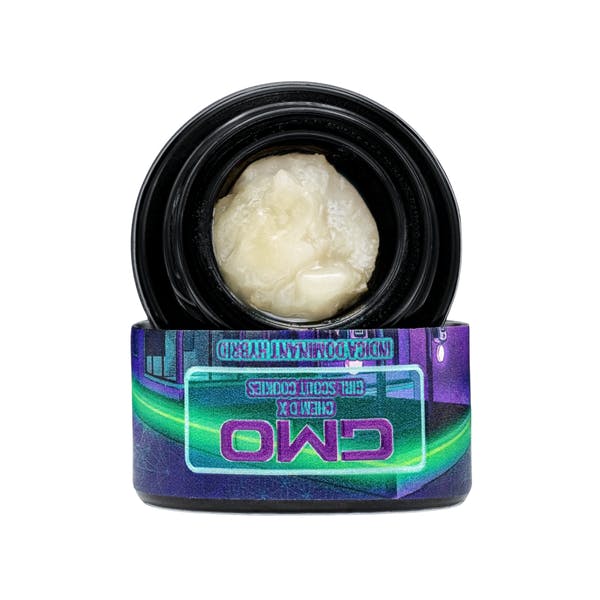
THC 70.7%Indica-Hybrid
UmamiiUmamii | Live Rosin Jar | GMO · 2g
$80.00$100.00
$93after tax

weeddispensarynearme.com
You must be 21 years or older to enter. By entering, you confirm you’re of legal age in your state to purchase cannabis.
For use only by adults 21+ • Keep out of reach of children
Downtown Brooklyn's dense, design-forward energy — the courthouse corridors of Livingston Street, the retail rhythm of Fulton Mall, the pre-show pulse around Barclays Center — calls for a concentrate that matches its precision. Rosin, pressed without solvents and revered for its full-terpene integrity, is the category that serious cannabis shoppers in ZIP codes 11201 and 11217 are quietly making their standard.
About Rosin
Rosin occupies a rare position in the New York licensed cannabis market: it is the concentrate category where process transparency is essentially built into the product. Unlike BHO or CO2 extracts, rosin is produced solely through applied heat and pressure — no hydrocarbon solvents, no post-processing purge cycles, no residual chemical concerns. What enters the press is flower, hash, or dry-sift; what exits is a semi-translucent, terpene-saturated oil that carries the genetic signature of its source material with unusual fidelity. New York's Office of Cannabis Management licenses producers under strict testing requirements, meaning every gram of rosin on a dispensary shelf in Kings County has been verified for potency, residual solvents (which should read at or near zero for true rosin), and microbial safety. For consumers, that regulatory layer matters because rosin's artisanal production methods vary widely — batch sizes are small, yields are lower than solvent extraction, and quality differentials between producers are genuinely significant. A licensed New York dispensary is the only legally compliant channel to purchase these products, and the testing certificates that accompany each batch offer a level of accountability that unlicensed markets simply cannot provide. Within the broader concentrate spectrum — wax, shatter, live resin, distillate — rosin sits closest to what purists describe as a "whole-plant" experience. Terpenes that would ordinarily volatilize or degrade during solvent-based extraction are preserved at meaningful concentrations when a skilled presser works within the right temperature window. The result is a product that often tests lower in raw THC percentage than a distillate cartridge, yet delivers a more complex, layered effect profile that many experienced consumers find more satisfying. For a borough market as discerning as Brooklyn's, that nuance is precisely the point.
Rosin for Downtown Brooklyn shoppers
Downtown Brooklyn is not a neighborhood that rewards carelessness. The professionals filing through the MetroTech Center campus, the architects and creatives whose studios populate the blocks between Fulton Mall and the waterfront, and the pre-concert crowd flowing toward Barclays Center on Atlantic Avenue all share a common sensibility: they want quality they can verify and an experience they can calibrate. Rosin fits that profile in a way that mass-market vape cartridges rarely do. The neighborhood's rhythm also shapes how and when concentrate consumers engage with their purchases. Commuters threading through the Atlantic Terminal hub — one of Brooklyn's great transit crossroads, sitting at the edge of the 11217 ZIP — tend to plan ahead rather than impulse-buy. A gram of well-pressed hash rosin, properly stored in a UV-resistant glass jar, can anchor a week of considered sessions rather than a single impulsive evening. That kind of intentional consumption aligns naturally with a product category that rewards patience and attentiveness. Winter along Livingston Street and the outer blocks of 11201 can be genuinely harsh — the wind off the East River finds every gap in a coat. For concentrate consumers in this part of Brooklyn, the practical consideration is simple: rosin stored in a coat pocket during a February walk to a Barclays Center show needs to remain stable. Rosin's naturally stable consistency at cool temperatures (it firms rather than separates, unlike many liquid distillates) makes it an unusually practical cold-weather choice for the Downtown Brooklyn consumer who prefers a portable dab setup or a concentrate-compatible vaporizer.
What to look for
Evaluating rosin begins with understanding the source material hierarchy. Flower rosin — pressed directly from dried cannabis — is the most widely available and typically the most accessible price point. Hash rosin, pressed from ice-water-extracted bubble hash (often rated by micron screen quality), represents the category's premium tier: lower yields, higher terpene concentrations, and a flavor complexity that experienced consumers consistently distinguish. When reviewing a product's label or certificate of analysis at a licensed New York dispensary, look for the source material declaration and, where available, the pressing temperature range — lower-temperature presses (generally under 190°F) tend to preserve more of the aromatic terpene fraction. On terpene profiles: myrcene-forward rosins tend toward relaxing, body-centered effects and pair well with evening wind-down use — relevant for the Downtown Brooklyn professional closing out a long day at the courthouse or the office towers near Jay Street. Limonene and terpinolene-dominant expressions read as brighter and more energizing, better suited to a pre-show session before catching a performance at Barclays Center. Caryophyllene adds a spiced, peppery warmth that many consumers find balancing. Request the terpene breakdown at the counter; licensed dispensaries in New York are required to have this data available. Format trade-offs are worth considering carefully. Rosin is most commonly consumed via a dab rig or a compatible concentrate vaporizer. Neither requires combustion, which is an important practical point for Brooklyn apartment dwellers mindful of neighbors and lease agreements. THC percentages in quality rosins typically range from the low 60s to the mid-80s for hash rosin — significantly more concentrated than flower. The industry-standard guidance applies: start with a small amount, assess effects over 15 to 30 minutes, and adjust accordingly from there.
Why ZenZest for rosin in Downtown Brooklyn
ZenZest Cannabis Dispensary serves Downtown Brooklyn shoppers through its Staten Island location at 2343 Forest Ave, Staten Island, NY 10303 — approximately 10.1 miles from the 11201 and 11217 ZIP codes. The store carries a curated selection of New York-licensed concentrates, including rosin sourced from producers whose certificates of analysis are available for review. Staff are trained to walk first-time concentrate consumers through the terpene breakdowns and format options without pressure, which is the kind of measured, editorial retail experience that aligns with the neighborhood's standards. For Downtown Brooklyn residents who prefer not to make the trip to Staten Island, ZenZest offers free same-day delivery on orders over $100 across more than 80 eligible New York ZIP codes — a threshold that a quality rosin purchase can meet efficiently, particularly when paired with any supporting accessories or complementary products. Orders can be placed through the ZenZest platform, and delivery logistics are handled with the discretion and reliability that urban apartment living demands.
ZenZest Staten Island · 2343 Forest Ave, Staten Island, NY 10303 · 10.1 miles from Downtown Brooklyn.
$93after tax
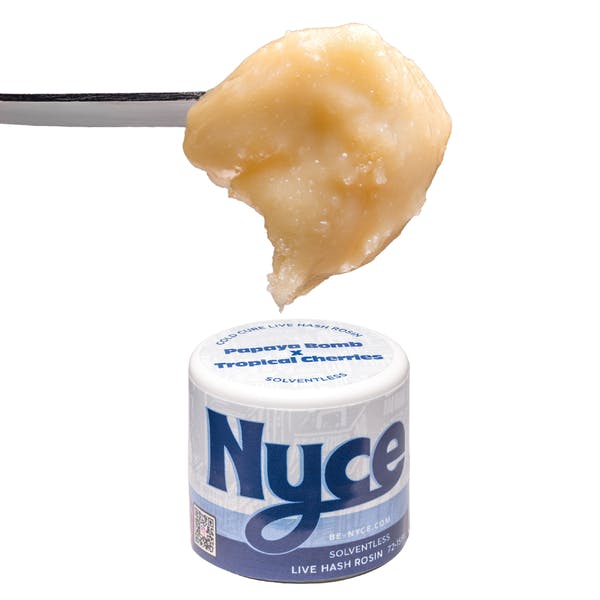
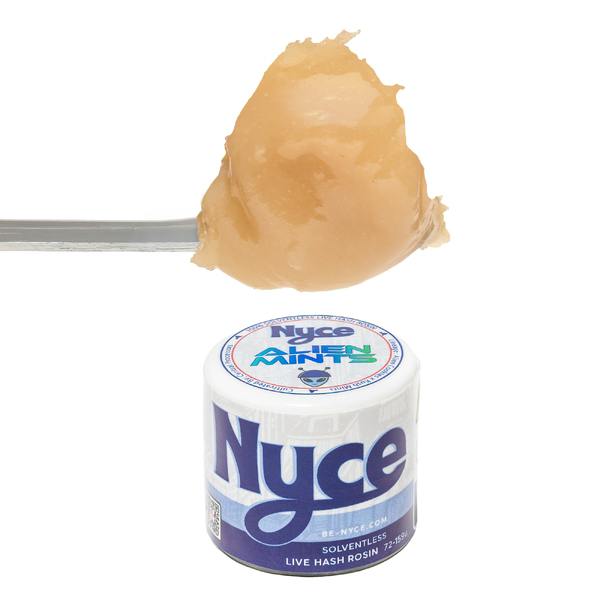
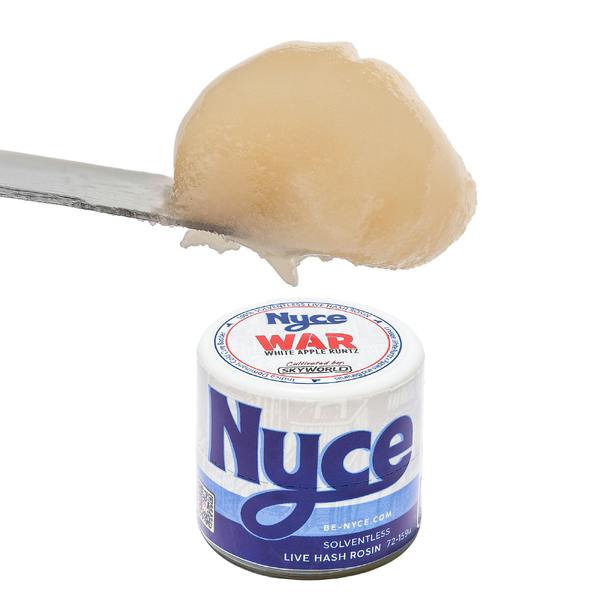
Rosin is produced by applying calibrated heat and pressure to cannabis flower, kief, or bubble hash — no hydrocarbon or chemical solvents enter the process at any stage. For New York consumers shopping from OCM-licensed dispensaries, this means residual solvent test results on a rosin certificate of analysis should read at or near zero. In a market where product transparency is increasingly a baseline expectation, that clean production pathway offers a straightforward way to verify exactly what is in your concentrate.
Flower rosin is pressed directly from dried cannabis material; hash rosin begins with bubble hash made through an ice-water extraction process, which concentrates the resin glands before pressing. Hash rosin yields are lower and labor costs are higher, which is why the price per gram is typically elevated. For the discerning Downtown Brooklyn consumer who treats cannabis the way they treat a quality bottle of wine — something to be selected carefully and consumed intentionally — the flavor complexity and terpene depth of a well-made hash rosin often justifies the premium.
Rosin expressions dominant in limonene, terpinolene, or ocimene tend to read as uplifting and socially engaging, which pairs well with the anticipatory energy of a Barclays Center event. Avoid heavily myrcene-dominant profiles if you want to remain alert and present in a crowd. Ask the dispensary for the terpene breakdown on any rosin you are considering — licensed New York retailers are required to have this data available, and it is among the most useful tools for predicting your experience.
Rosin consumed via a concentrate vaporizer produces significantly less odor than combusted flower and no open flame, which makes it a more discreet option for apartment settings. A quality portable dab vaporizer — separate from a standard oil cartridge device — is purpose-built for concentrate use and can be used with rosin. The lack of combustion is a practical advantage in dense residential buildings, particularly in the newer developments along the 11201 waterfront where building rules around smoking are frequently strict.
Rosin is best stored in a sealed, non-stick glass or silicone container, kept in a cool and dark environment. Short-term storage at room temperature is generally acceptable for up to a week. For longer preservation, refrigeration in an airtight container slows terpene degradation and prevents the concentrate from becoming excessively runny. Avoid leaving rosin in a car or bag exposed to direct sunlight for extended periods — a common concern during warmer months when Downtown Brooklyn sidewalks and transit platforms can generate considerable ambient heat.
Quality flower rosins available through New York licensed dispensaries typically test between 60 and 75 percent total THC, while premium hash rosins can reach into the low-to-mid 80s. These concentrations are substantially higher than most flower products, and the standard guidance — start with a very small amount and wait 15 to 30 minutes before reassessing — applies with particular importance here. First-time concentrate consumers should not extrapolate from their flower tolerance when approaching rosin for the first time.
Yes. ZenZest Cannabis Dispensary offers free same-day delivery on orders over $100 to more than 80 New York ZIP codes, which includes eligible addresses in the 11201 and 11217 areas of Downtown Brooklyn. All deliveries are handled through compliant, licensed channels — meaning the product arrives with the same legal chain of custody and testing documentation as an in-store purchase. Identity verification confirming you are 21 or older is required at the point of delivery.
Both categories preserve terpenes more effectively than distillate, but the distinction lies in process and source. Live resin is produced from flash-frozen fresh cannabis using solvent-based extraction; rosin is solvent-free and pressed from cured or fresh-pressed material. Rosin tends to offer a slightly more straightforward terpene profile tied closely to the source cultivar's character, while live resin can exhibit a broader aromatic range from the fresh-frozen plant. Consumers prioritizing solvent-free production will consistently prefer rosin; those drawn to maximum aromatic complexity may find live resin equally compelling.
The two primary options are a traditional dab rig — a water pipe fitted with a heated quartz or titanium nail or banger — and a portable concentrate vaporizer designed for waxy or semi-solid materials. The dab rig delivers a more full-bodied flavor experience and is preferred by connoisseurs, but requires a dedicated setup. A portable vaporizer is more practical for the urban Downtown Brooklyn lifestyle. Dispensary staff at licensed retailers are well-positioned to walk you through both options and help you match a format to your specific circumstances and experience level.
Most New York licensed rosin products will not list pressing temperature directly on the consumer label, but some producers include this detail on accompanying documentation or their brand websites. Generally, lower pressing temperatures — often described as 'cold-press' or sub-190°F runs — are associated with higher terpene retention and a more translucent, saucy consistency. Higher-temperature presses yield more product but sacrifice some of the aromatic fraction. When in doubt, ask the dispensary for the producer's technical details; a well-informed staff member should be able to access or reference this information.
Pick your store
We'll show pricing, deals, and delivery zones for the store you pick. You can switch any time from the header.