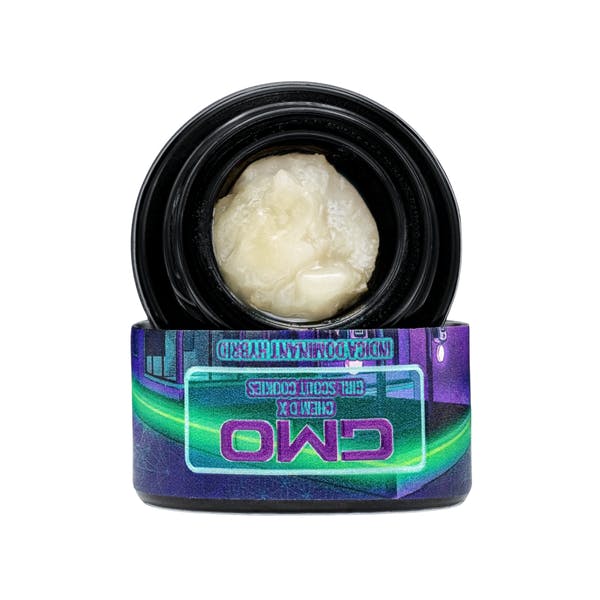
On sale· 20% OFF
THC 70.7%Indica-Hybrid
UmamiiUmamii | Live Rosin Jar | GMO · 2g
$80.00$100.00
$93after tax

weeddispensarynearme.com
You must be 21 years or older to enter. By entering, you confirm you’re of legal age in your state to purchase cannabis.
For use only by adults 21+ • Keep out of reach of children
Downtown Brooklyn sits at the convergence of Livingston Street's civic corridors, the retail energy of Fulton Mall, and the nightly pulse of Barclays Center — a neighborhood where standards run high and time runs short. For cannabis consumers in ZIP codes 11201 and 11217 who have moved beyond flower, concentrates offer a refined, efficient path to precisely dialed experiences.
About Concentrates
Concentrates represent the most distilled expression of the cannabis plant, produced by extracting cannabinoids and terpenes from licensed New York cultivars through a range of solvent-based and solventless techniques. The resulting products — live resin, live rosin, badder, shatter, wax, distillate cartridges, and hash rosin among them — carry cannabinoid profiles that far exceed what raw flower delivers, typically ranging from 60 to 95 percent total cannabinoids depending on the extraction method and the source material. New York's Office of Cannabis Management licenses every step of this supply chain, from the cultivators growing certified hemp-derived and adult-use cannabis to the processors extracting and testing each batch. Shoppers at licensed New York dispensaries can therefore expect a certificate of analysis on every concentrate product, disclosing potency, residual solvent levels, and microbial safety — a level of transparency the legacy market never provided. This regulatory framework is particularly meaningful for concentrates, where the margin for quality variation is wide and the consequences of cutting corners are immediate. Solventless options such as ice-water hash and rosin pressed from fresh-frozen flower have earned serious attention among New York consumers who prize terpene fidelity and clean inputs. Solvent-based extracts — butane hash oil products processed and purged to below safety thresholds — remain popular for their accessibility and shelf stability. Distillate cartridges occupy a separate tier: highly refined, consistent, and designed for discretion, though the refining process strips most native terpenes, which are then reintroduced through botanical or cannabis-derived blending. For the adult-use New York consumer, the licensed concentrate market in 2024 and 2025 has matured considerably. Brands sourcing from craft upstate cultivators are producing small-batch live rosin at quality levels that rival well-regarded West Coast product. Knowing which format suits your tolerance, your setting, and your intentions is the essential first step.
Concentrates for Downtown Brooklyn shoppers
Downtown Brooklyn is not a neighborhood where people linger without purpose. The 2, 3, 4, 5, A, C, F, G, N, Q, R, and W trains converge within a few blocks of one another, channeling tens of thousands of commuters through DeKalb Avenue and Atlantic Avenue-Barclays Center stations daily. The rhythm here is deliberate and efficient, and that sensibility extends naturally to how residents and workers in 11201 and 11217 approach cannabis consumption. Concentrates align well with the Downtown Brooklyn pace. A dab from a portable e-rig at home before an evening at Barclays Center requires no rolling, no extended session, and no lingering odor on a coat you plan to wear into a crowd. Residents along the residential stretches south of Livingston Street — townhouses, new high-rises, and the quieter blocks approaching Boerum Hill — often gravitate toward live rosin or full-spectrum cartridges for evenings that call for something more considered than a quick bowl. The Fulton Mall corridor brings a different energy: a dense daytime population of workers, shoppers, and students who may return home to 11201 zip codes and want a product that respects the transition between a long urban day and genuine rest. Seasonal considerations matter as well. Brooklyn winters are real — the walk from Atlantic Terminal to a residential block in the cold is not the moment for an elaborate ritual. Concentrate cartridges and all-in-one vape pens offer the reliability of a closed system, while those with a home setup may prefer a jar of badder or live rosin that travels well from a nearby delivery drop and performs consistently indoors.
What to look for
Selecting a concentrate begins with understanding extraction method and what it preserves. Solventless products — ice-water hash, dry-sift, and rosin pressed from either of those — retain the broadest terpene expression because heat and pressure replace chemical solvents. Look for live rosin made from fresh-frozen source material: the 'live' designation signals that the plant was frozen immediately after harvest, locking in volatile terpenes that would otherwise degrade during drying. These products often display complex aromatic profiles and are particularly valued by consumers focused on the entourage effect rather than raw THC percentage alone. For solvent-based extracts — live resin, badder, sauce, and shatter — verify on the certificate of analysis that residual solvents fall well below New York State limits. Consistency and texture are telling: a live resin badder with a smooth, whipped texture has been properly purged and handled; anything gritty or separated without cause warrants a second look. THC potency in concentrates typically ranges from the low 60s to the mid-90s by percentage. For shoppers new to concentrates, the relevant guidance is the same regardless of neighborhood: start with a very small amount, allow adequate time to gauge effect, and adjust from there. Terpene profiles are worth reading carefully. Myrcene-forward extracts tend toward relaxation and are well-suited to winding down after a demanding day on the transit lines or at a Barclays Center event. Limonene and pinene dominant profiles skew toward uplift and clarity — more compatible with an active afternoon in the neighborhood. Caryophyllene, found prominently in many OG and Cookies-family cultivars, bridges both registers. Cartridge shoppers should look for hardware from licensed New York processors that specifies cannabis-derived terpenes rather than botanical fillers, and confirm the cart uses a ceramic or glass-core element for cleaner vapor quality.
Why ZenZest for concentrates in Downtown Brooklyn
ZenZest Cannabis Dispensary is an adult-use licensed New York retailer with a curated concentrate selection drawn from the state's growing roster of licensed processors. The nearest physical location for Downtown Brooklyn residents in 11201 and 11217 is ZenZest Staten Island at 2343 Forest Ave, Staten Island, NY 10303, approximately 10.1 miles from the neighborhood — a reasonable distance given the Verrazzano corridor and accessible via the Staten Island Express bus connection through Brooklyn. For most Downtown Brooklyn shoppers, however, delivery is the more practical channel. ZenZest offers free same-day delivery on orders over $100 across more than 80 New York ZIP codes, covering the 11201 and 11217 areas and reaching the doorsteps of Livingston Street high-rises, Boerum Hill brownstones, and everything in between. The concentrate category rewards the delivery model particularly well: glass jars of live rosin and live resin are fragile, and receiving them directly eliminates transit risk. Orders are fulfilled from licensed inventory, arrive in compliant packaging, and require adult-use age verification at the door — a straightforward process for a neighborhood of working professionals who are accustomed to premium home delivery as a standard of urban life.
ZenZest Staten Island · 2343 Forest Ave, Staten Island, NY 10303 · 10.1 miles from Downtown Brooklyn.
$93after tax
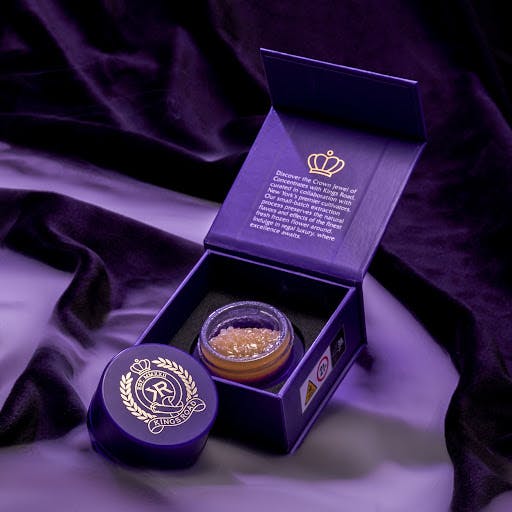
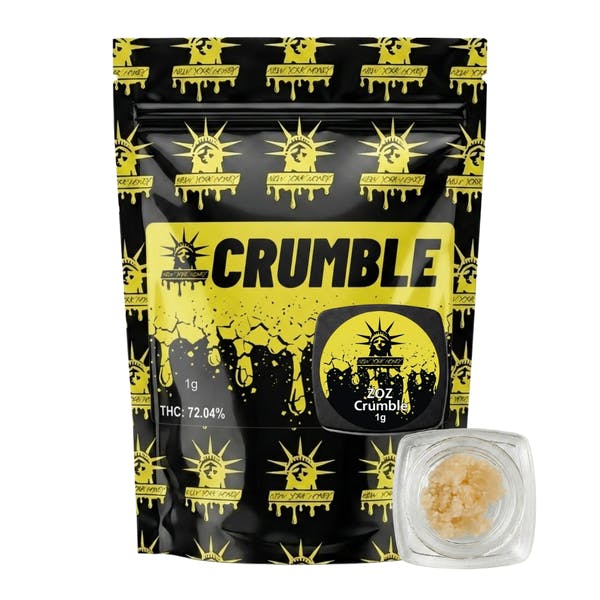
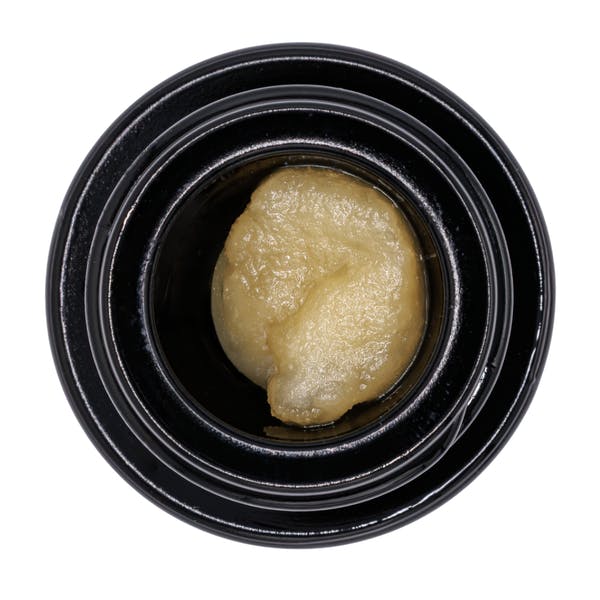
$35after tax
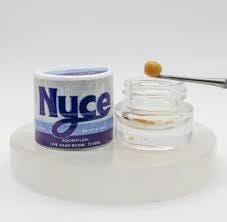
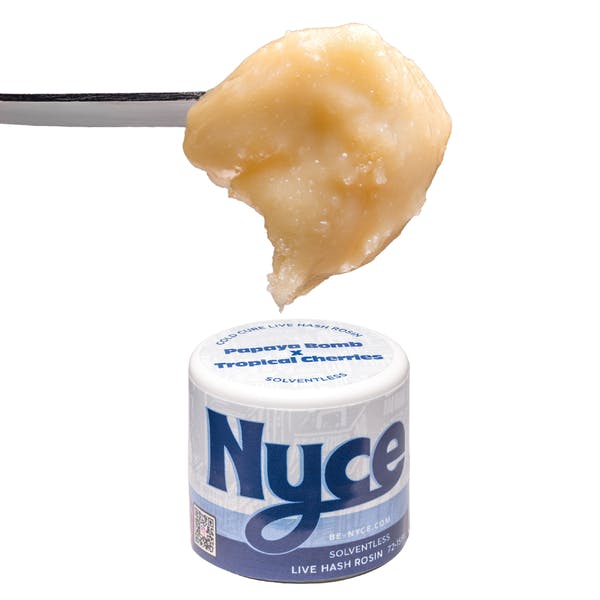
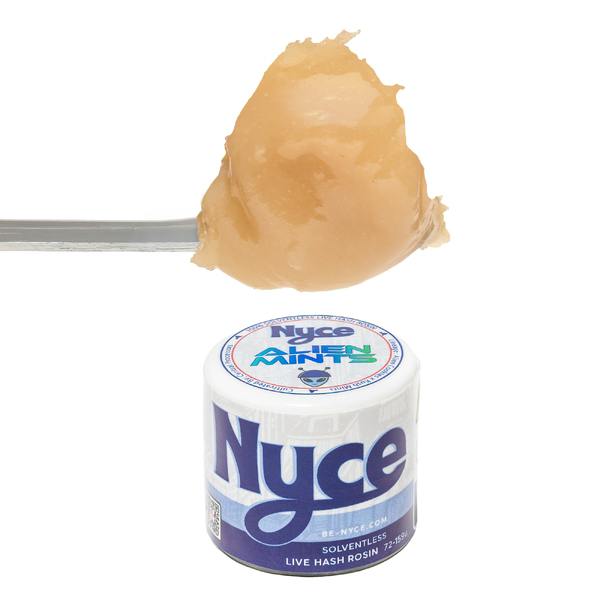
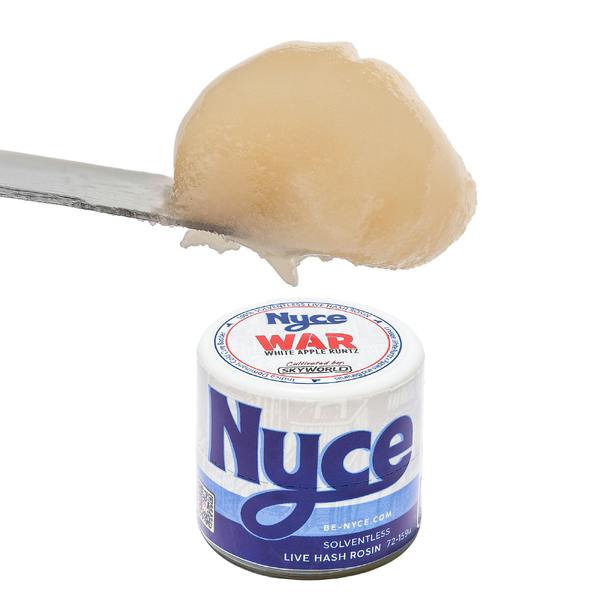
Live resin is a solvent-based extract made from fresh-frozen cannabis using hydrocarbon or CO2 extraction, producing a highly aromatic product at accessible price points. Live rosin is solventless — fresh-frozen material is washed with ice and water into bubble hash, which is then pressed with heat to yield rosin. Both are available at licensed New York dispensaries, though live rosin typically commands a higher price due to labor intensity. For Downtown Brooklyn consumers prioritizing terpene complexity and clean inputs, live rosin is generally the premium choice.
Yes. Under New York's Marihuana Regulation and Taxation Act, adults 21 and older may purchase concentrates and all other cannabis products from licensed adult-use dispensaries without a medical registry card. Licensed retailers in New York verify age at point of sale or delivery. Shoppers in Downtown Brooklyn ZIP codes 11201 and 11217 can purchase and receive delivery of concentrates legally through any OCM-licensed retailer, including via same-day delivery services that require ID verification at the door.
The most accessible option is a portable electronic dab rig, sometimes called an e-rig or electronic nectar collector, which heats a ceramic or quartz bucket to a precise temperature without an open flame — relevant for apartment dwellers subject to building fire safety codes. Vaporizers designed for concentrate use (distinct from flower vaporizers) are another option. Traditional dab rigs require a butane torch and a glass nail or banger, which works well in private spaces but introduces an open flame. Cartridge-style vapes require only a compatible battery and are the lowest-barrier entry point.
Most concentrates benefit from storage in a cool, dark environment away from direct sunlight, heat, and humidity. Glass or silicone containers sealed airtight are preferable. Live rosin and live resin are especially sensitive to temperature fluctuation and can degrade in texture and aroma if left near a heat source. For Downtown Brooklyn residents without dedicated storage space, a small drawer away from kitchen heat is sufficient for short-term storage. If you purchase in quantity — which delivery minimums may encourage — refrigeration in an airtight container is a sound long-term strategy.
Licensed New York flower products typically range from 15 to 30 percent THC. Concentrates by contrast range from roughly 60 percent in some full-spectrum hash products up to 90-plus percent in highly refined distillates. The practical implication is that a serving size for concentrates is measured in milligrams — often described as a rice-grain-sized amount or less. New York's general adult-use guidance applies here: start with the smallest usable amount, wait to assess your response, and adjust across subsequent sessions rather than within a single one.
Licensed New York cannabis processors are subject to OCM regulations that prohibit adulterants including vitamin E acetate, the compound linked to vaping-associated lung injury outbreaks in the pre-legalization market. Every cartridge sold at a licensed New York dispensary must pass third-party testing before it reaches retail. Certificates of analysis are required to disclose cannabinoid potency and flag any contaminants. Purchasing through a licensed channel — rather than unlicensed sources — is the practical safeguard Downtown Brooklyn consumers have available to them.
Downtown Brooklyn's 11201 and 11217 ZIP codes are within the delivery coverage area served by ZenZest Cannabis Dispensary. Orders exceeding $100 qualify for free same-day delivery, which is a threshold easily reached within the concentrate category given typical pricing for live rosin and premium extract products. Delivery requires adult-use age verification at the door. Shoppers near Barclays Center, Livingston Street, and the broader Fulton Mall corridor can place orders online and receive them the same day without navigating transit.
For post-commute wind-down purposes, concentrate products expressing high myrcene content are generally associated with physical ease and a settling quality. Beta-caryophyllene, which interacts with CB2 receptors and appears prominently in Cookies, OG, and Gelato-lineage cultivars, is another terpene worth seeking. Linalool, found in lavender-adjacent cultivar profiles, also appears in some New York-grown solventless products. These terpene profiles can be confirmed on the certificate of analysis or product labeling available at licensed dispensaries.
Hash rosin is produced by pressing bubble hash or dry-sift hash under heat and pressure, yielding a concentrate with exceptional terpene complexity and a full-spectrum cannabinoid profile. Flower rosin, by contrast, is pressed directly from dried cannabis flower without an intermediate hash-making step. Hash rosin is generally considered the more refined product because the hash-washing step removes plant waxes, lipids, and chlorophyll before pressing, resulting in a cleaner, more concentrated output. It typically commands a higher price point, but represents one of the most prized solventless formats available in New York's licensed market.
Yes. New York's licensed market includes a growing number of craft processors working with named upstate cultivators to produce small-batch solventless and solvent-based concentrates that disclose the source farm, cultivar name, harvest date, and batch number. On the label or accompanying documentation, look for the cultivar or strain name, the processor's name, the OCM license number, and the third-party lab that issued the certificate of analysis. For Downtown Brooklyn consumers accustomed to provenance-conscious purchasing across food and beverage categories, this level of supply-chain transparency is increasingly the standard at premium licensed retailers.
Pick your store
We'll show pricing, deals, and delivery zones for the store you pick. You can switch any time from the header.