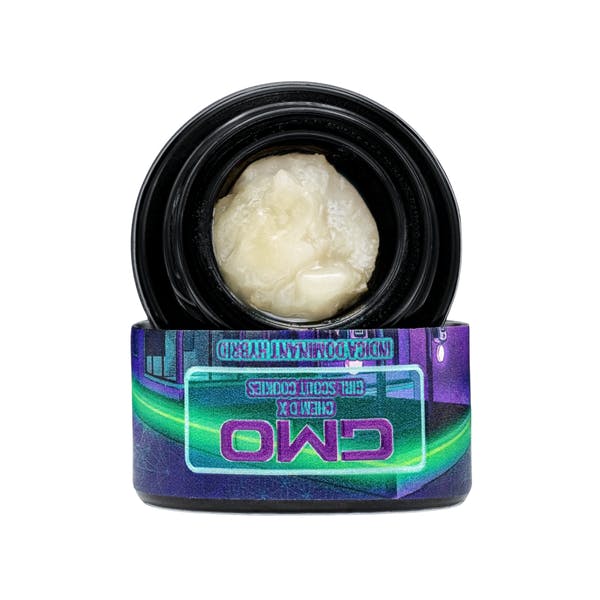
On sale· 20% OFF
THC 70.7%Indica-Hybrid
UmamiiUmamii | Live Rosin Jar | GMO · 2g
$80.00$100.00
$93after tax

weeddispensarynearme.com
You must be 21 years or older to enter. By entering, you confirm you’re of legal age in your state to purchase cannabis.
For use only by adults 21+ • Keep out of reach of children
Ditmas Park, Brooklyn's quietly grand neighborhood of Victorian porches and tree-lined blocks, has developed a discerning appetite for solventless concentrates. Rosin — the clean, heat-and-pressure-extracted cannabis oil that carries a cultivar's full aromatic profile — fits naturally into a neighborhood that prizes authenticity and craft over convenience. Here is what to know before you shop.
About Rosin
Rosin occupies a singular position in the New York licensed cannabis market because it is, at its core, the simplest form of cannabis extraction. No solvents, no residual chemicals — only controlled heat and mechanical pressure applied to flower, hash, or kief until the plant's resinous oils separate from the plant matter. The result is a full-spectrum concentrate that preserves the precise terpene and cannabinoid fingerprint of the source cultivar in a way that distillate or hydrocarbon-extracted products often cannot. In New York's adult-use marketplace, licensed rosin products appear in several formats: fresh-press rosin, made immediately after harvest when moisture content is highest and terpenes are most vibrant; cured rosin, pressed from dried and cured flower and offering a more stabilized, shelf-stable texture; and hash rosin, considered the premium tier, made by first washing trichomes into ice water hash before pressing. Each format carries a different price point and a noticeably different sensory experience, and any reputable dispensary in Kings County will carry at least two of the three. Because rosin retains entourage-effect compounds — the minor cannabinoids, flavonoids, and dozens of terpenes that work in concert with THC and CBD — many consumers report that even a modest quantity produces a rounded, complex experience distinct from single-molecule or narrow-spectrum products. New York's Office of Cannabis Management requires licensed producers to submit products for third-party lab testing, meaning every rosin on a compliant menu should carry a verified certificate of analysis covering potency and residual-solvent absence (which should, by definition, read zero). Pricing in the New York market reflects both the labor intensity and the yield loss inherent in solventless production. Expect quality rosin to command a premium over comparable-weight flower or vape products. That cost is largely justified: the inputs, the small-batch pressing equipment, and the careful temperature calibration required to hit the narrow window between preserving terpenes and denaturing them all translate into a final product that rewards the investment.
Rosin for Ditmas Park shoppers
Ditmas Park moves at a considered pace. The Saturday greenmarket on Cortelyou Road, the independent bookshops, the Victorian and Craftsman houses with their deep front porches — the neighborhood has long attracted residents who are deliberate about what they bring into their homes. That sensibility extends to cannabis. Shoppers here tend to ask questions: What was the source cultivar? Was it grown living-soil or hydro? How recently was it pressed? Rosin answers those questions honestly because its quality is inseparable from the quality of its inputs. The neighborhood's proximity to Prospect Park and the broad, quiet side streets off Ocean Avenue creates natural occasions for outdoor consumption on mild evenings. Rosin's portability — a small glass jar and a dab pen or portable rig fits unobtrusively in a jacket pocket — suits the unhurried walks and porch conversations that define the neighborhood's social rhythm. Unlike combustible flower, rosin produces minimal lingering odor, which matters in a neighborhood dense with Victorian multi-family homes where close neighbors are the norm. Seasonally, the weather in ZIP code 11226 follows Brooklyn's full range: humid, heavy summers and cold, damp winters. Rosin stored at room temperature can shift in texture with ambient heat, becoming more fluid in July and firmer in January. Residents here benefit from understanding that a wide-mouthed glass jar stored in a cool, dark drawer — not the refrigerator — is the correct approach for preserving terpene integrity through the borough's seasonal swings. A neighborhood accustomed to maintaining century-old woodwork and heirloom plaster knows how to care for sensitive, beautiful things.
What to look for
When evaluating rosin at a New York dispensary, the certificate of analysis is your first document to request. Beyond total THC, look for terpene breakdown by percentage. For rosin specifically, myrcene, caryophyllene, limonene, and terpinolene are common dominant terpenes, each contributing differently to the overall character: myrcene tends toward an earthy, relaxing profile; limonene skews bright and uplifting; caryophyllene adds a warm, spiced quality; terpinolene introduces a herbal, slightly floral note. A total terpene content above two percent is a reasonable baseline indicator of freshness and quality in a solventless product. THC potency in rosin typically ranges from the high sixties to the mid-eighties by percentage, substantially higher than flower. This makes format literacy important, particularly for anyone newer to concentrates. A dab rig or electronic dab device allows for precise, lower-temperature consumption that preserves terpenes while moderating the intensity of the experience. Portable dab pens, which accept rosin in the same way a wax pen accepts shatter, offer discretion and convenience well-suited to the 11226 commuter who uses the Q or B train daily. As with all high-potency products, starting with the smallest functional amount and waiting for its full effect before considering more is the universally recommended approach among experienced consumers. Texture is a practical guide to freshness and pressing conditions. Fresh-press rosin is often saucy or buttery; cured rosin may be badder or more solid. Hash rosin at its finest is a pale, almost translucent gold with a smooth, consistent texture. Discoloration toward green or brown, or a gritty texture suggesting plant material contamination, are both signs of lower-quality source material or imprecise pressing. In a neighborhood like Ditmas Park, where the independent-retail culture means people are used to asking the provenance of what they purchase, bringing the same curiosity to your dispensary counter will reward you with better selections.
Why ZenZest for rosin in Ditmas Park
ZenZest Cannabis Dispensary serves Kings County shoppers through its Staten Island location at 2343 Forest Ave, Staten Island, NY 10303, approximately ten miles from the heart of Ditmas Park. The store's rosin selection is curated with the same intention that defines the broader ZenZest experience: licensed New York producers, verified certificates of analysis available on request, and staff trained to discuss terpene profiles and format differences with specificity rather than generality. For Cortelyou Road regulars who prefer browsing and asking questions to impulse buying, that floor experience is well worth the trip. For residents who prefer not to travel, ZenZest offers free same-day delivery on orders over one hundred dollars to more than eighty New York ZIP codes, including 11226. Ordering rosin for home delivery makes particular sense for a product that benefits from careful handling — no jostling through subway turnstiles, no temperature stress from a prolonged bag ride. The order arrives at the door the same day, ready to be placed directly into that cool, dark drawer where it belongs.
ZenZest Staten Island · 2343 Forest Ave, Staten Island, NY 10303 · 10 miles from Ditmas Park.
$93after tax
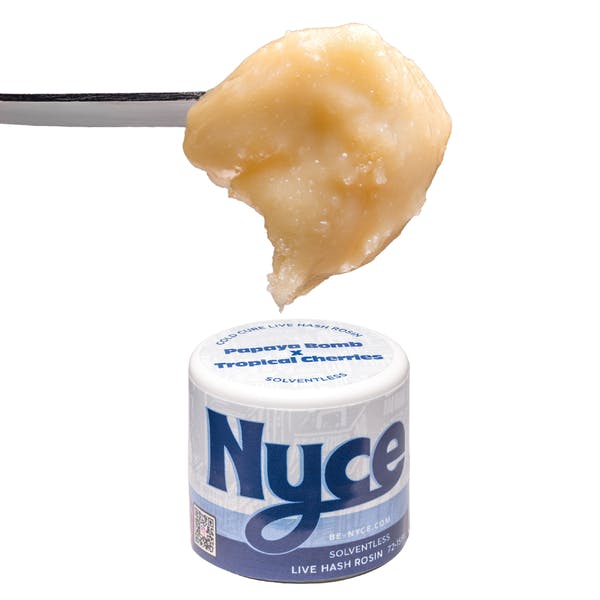
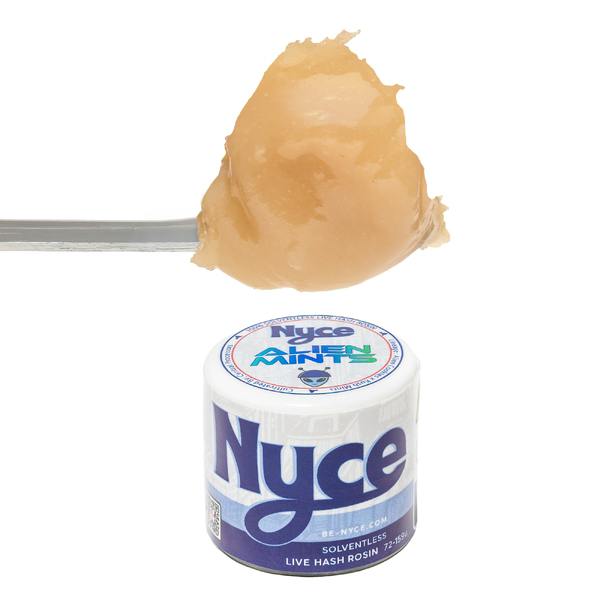
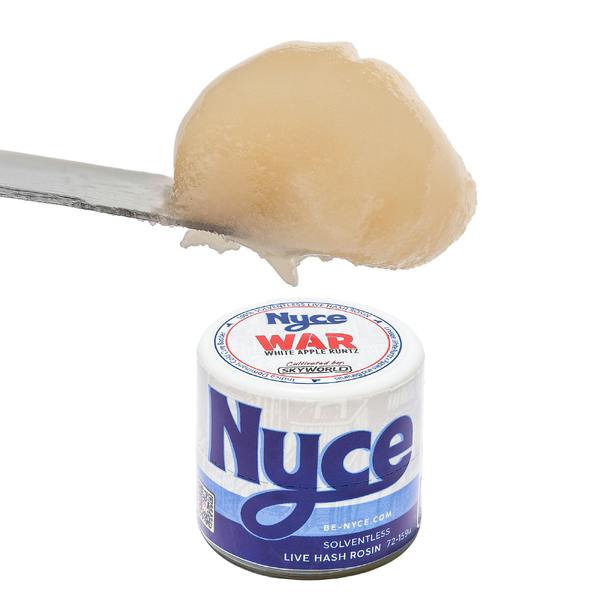
Rosin is produced using only heat and pressure — no butane, ethanol, CO2, or other chemical solvents are introduced during extraction. This means there is no possibility of solvent residue in the finished product, a distinction that matters to consumers who scrutinize labels and certificates of analysis. New York's OCM-licensed market requires third-party lab testing for all cannabis products, but solventless extraction removes an entire category of potential contaminants before testing even begins, offering a degree of chemical simplicity that resonates with health-conscious Ditmas Park shoppers.
Flower rosin is pressed directly from dried, cured buds. Hash rosin begins with an additional step: trichomes are washed from the plant using ice water, collected through a series of filter bags, and dried into bubble hash before pressing. This extra process concentrates the most resin-rich plant material before any heat is applied, resulting in a purer, more aromatic final product with higher terpene retention and a cleaner flavor profile. The yield loss at each step drives the price premium, and for consumers who appreciate nuance in aroma and effect, the difference is perceptible.
Most standard 510-thread vape cartridges are filled with distillate and are not compatible with rosin's viscosity and composition. To consume rosin, you will need either a dedicated dab rig, an e-rig such as a Puffco or comparable device, or a wax/concentrate pen designed to accept loose concentrates rather than pre-filled cartridges. Concentrate pens are the most portable and discreet option, making them popular among Ditmas Park residents who commute via the Q or B lines and prefer something pocketable and low-profile for after-work unwinding.
Rosin is sensitive to heat, light, and air exposure. The ideal storage environment is a sealed, non-stick glass or silicone jar kept in a cool, dark location — a kitchen drawer or interior cabinet away from the stove works well in a typical Ditmas Park brownstone or Victorian apartment. Avoid the refrigerator unless storing for several weeks or more, as condensation during removal can degrade texture and introduce moisture. Properly stored rosin retains its terpene profile and consistency for weeks; improperly stored product can oxidize, lose aromatics, and shift to an unpleasant amber or brown color.
For a calm, domestic evening — reading on a Victorian porch off Ocean Avenue, for instance — myrcene-dominant rosins are widely favored for their earthy, relaxing character. Linalool, found in some cultivars, adds a subtle floral quality. Caryophyllene contributes a warm spiciness and is the only terpene known to interact directly with the body's endocannabinoid receptors. No medical claims attach to these profiles, but the terpene composition of a rosin is a reasonable starting point for predicting the general character of the experience, and any licensed dispensary staff should be able to discuss their current menu accordingly.
Yes. ZenZest Cannabis Dispensary offers free same-day delivery on orders over one hundred dollars to more than eighty New York ZIP codes, and 11226 — the ZIP code covering Ditmas Park — is among them. Rosin is well-suited to home delivery because it arrives in a sealed, labeled, lab-verified package without the handling risks of transporting concentrate on public transit. Orders can be placed online through ZenZest's licensed menu and fulfilled the same day, making it a practical option for Ditmas Park residents who prefer shopping from home.
Where quality cannabis flower typically tests between eighteen and thirty percent total THC, rosin commonly ranges from the high sixties to the mid-eighties percent by weight. This substantial difference means that the start-low, go-slow principle applies with particular importance: a quantity the size of a grain of rice is a reasonable starting point for someone new to concentrates. The effects of rosin tend to onset quickly, especially with proper low-temperature dabbing technique, and experienced users routinely note that a smaller amount of rosin produces a longer-lasting, more complete experience than a larger amount of flower.
A compliant New York certificate of analysis for rosin should confirm total THC and CBD by percentage, list detected terpenes with individual percentages where tested, confirm absence of residual solvents (which should be categorically zero for solventless rosin), and verify absence of pesticides, heavy metals, and microbial contaminants above OCM threshold levels. A terpene total above two percent is a general indicator of freshness. If a dispensary cannot produce or reference a COA for a specific rosin product, that is a meaningful gap in transparency worth noting before purchasing.
Older buildings in the 11226 area — many of them original Edwardian and Victorian construction — tend toward narrower ventilation pathways, shared hallways, and proximity between units. Rosin, consumed via a low-temperature dab device, produces significantly less persistent odor than combusted flower, which is a practical advantage in multi-unit buildings where consideration for neighbors is part of the neighborhood's unspoken social contract. Proper storage in a sealed glass container also prevents ambient aromas from permeating living spaces, which matters in homes where original woodwork and plaster are features worth preserving.
New York's licensed cannabis framework encourages in-state cultivation and production, and a growing number of OCM-licensed processors produce rosin from New York-grown flower, particularly from farms in the Catskills, Hudson Valley, and Central New York regions. To identify in-state rosin, look for the producer's license number on the label, which you can cross-reference with OCM's public licensee database, or simply ask dispensary staff which products on their current menu were sourced from New York cultivators. Supporting in-state producers aligns with Ditmas Park's longstanding preference for locally sourced goods across all categories.
Pick your store
We'll show pricing, deals, and delivery zones for the store you pick. You can switch any time from the header.