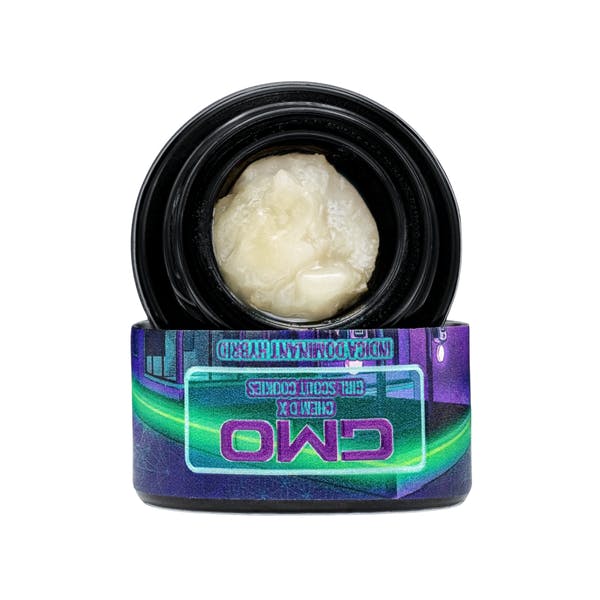
On sale· 20% OFF
THC 70.7%Indica-Hybrid
UmamiiUmamii | Live Rosin Jar | GMO · 2g
$80.00$100.00
$93after tax

weeddispensarynearme.com
You must be 21 years or older to enter. By entering, you confirm you’re of legal age in your state to purchase cannabis.
For use only by adults 21+ • Keep out of reach of children
Coney Island has always operated on its own terms — salt air, neon lights, the slow creak of the Wonder Wheel above Surf Avenue. For the discerning adult-use cannabis shopper in ZIP 11224, solventless rosin offers a category as uncompromising as the neighborhood itself: pure, expressive, and worth the attention it demands.
About Rosin
Rosin occupies a singular position in New York's licensed adult-use cannabis market. Unlike extracts produced with hydrocarbon or CO₂ solvents, rosin is made exclusively through applied heat and pressure — no chemical intermediaries, no residual solvents to account for. The result is a full-spectrum concentrate that preserves the plant's original terpene and cannabinoid profile with exceptional fidelity, delivering an experience that connoisseurs consistently describe as the most authentic expression of a given cultivar. New York's Office of Cannabis Management requires all licensed concentrate products to pass rigorous third-party testing for potency, residual solvents, heavy metals, and microbial contaminants before reaching retail shelves. For rosin specifically, the solventless production method means that third-party panels routinely show cleaner residual-solvent readings than many alternative concentrate formats — though shoppers should always review the certificate of analysis attached to any product they consider. Within the rosin category, New York's licensed market currently offers several distinct formats: fresh-press rosin, which is produced from freshly harvested, uncured flower and tends toward a wet, sauce-like consistency; cold-cure rosin, which is rested at low temperatures to develop a badder or butter texture; and hash rosin, which is pressed from ice-water-extracted bubble hash rather than raw flower, yielding even greater terpene density and a more refined melt profile. Live rosin, pressed from fresh-frozen material, represents the premium tier — capturing volatile terpenes that would otherwise be lost during the curing process. Pricing in New York's licensed rosin market reflects the labor-intensive production process. Expect to pay a meaningful premium over flower or standard vape cartridges, but understand that a little goes a considerable distance. A single gram of quality hash rosin, consumed thoughtfully, can outlast several sessions that a comparable spend on flower might cover.
Rosin for Coney Island shoppers
Coney Island in summer is one of the most genuinely public-facing neighborhoods in all of New York City — Surf Avenue hums with foot traffic from the B36 and D train terminus at Stillwell Avenue, Luna Park spills laughter across the boardwalk, and Nathan's Famous anchors the corner of Stillwell and Surf the way it has for over a century. By late evening, the crowds thin, the ocean breeze picks up off the Atlantic, and the neighborhood settles into something quieter and more private. It is in those quieter hours that rosin finds its most natural audience in 11224. The boardwalk-adjacent lifestyle that Coney Island residents and regulars cultivate — long afternoons at the beach, evenings on the deck, the particular kind of unwinding that ocean proximity encourages — aligns well with rosin's character as a category. It is not a format built for hurried or inattentive consumption. It rewards deliberate, low-temperature use with a dab rig or a purpose-built electronic device, and the terpene-forward experience it produces suits the unhurried pacing that Surf Avenue adopts once the season's energy finally exhales. Winter in Coney Island is a different study entirely. The boardwalk empties, the salt wind sharpens, and the neighborhood contracts into the quiet, year-round community that has always existed beneath the tourist layer. For residents who stay through January and February — and many do, drawn by the remarkably affordable waterfront access relative to the rest of Kings County — rosin's warming, full-spectrum character becomes a genuine evening ritual rather than a seasonal novelty. The format's versatility across cold-cure and fresh-press textures gives 11224 shoppers something to explore across every season the neighborhood wears.
What to look for
Evaluating rosin begins with understanding the source material. Hash rosin — pressed from bubble hash rather than direct flower — represents the category's most refined tier. When reviewing a product label or certificate of analysis at a licensed New York dispensary, look for the ice-water-extraction stage noted in the production description, and pay attention to the stated micron screen size used during hash-making; finer micron screens (generally 73 to 90 microns for full-melt grades) tend to produce a cleaner, more expressive final product. Fresh-press and cold-cure rosins pressed directly from flower are more widely available and typically more accessible in price, making them a reasonable starting point for shoppers newer to the concentrate category. Terpene profiles are the most important quality indicator in rosin, arguably more so than raw THC percentages. A rosin testing at 68 percent THC with a rich, intact terpene suite will generally deliver a more satisfying and nuanced experience than one testing at 78 percent with degraded terps. Look for products that list their terpene panel — myrcene tends toward relaxing, earthy qualities; limonene reads as bright and uplifting; caryophyllene adds a peppery, grounding note; terpinolene and ocimene are more volatile and floral, and their presence in a rosin often signals careful low-temperature processing. For Coney Island shoppers considering an evening wind-down after time on the boardwalk, myrcene-dominant and caryophyllene-forward profiles are worth prioritizing. Format matters for practical use. Cold-cure badder is the most forgiving texture for home dabbers — it scoops cleanly and behaves predictably on a nail or electronic device. Sauce-and-crystals presentations, where THCA diamonds separate from a terpene-rich mother liquor, offer the ability to modulate ratio by adjusting how much of each component you use. New consumers to concentrates of any kind should follow a start-low, go-slow approach regardless of format, as rosin's potency profile differs substantially from flower.
Why ZenZest for rosin in Coney Island
ZenZest Cannabis Dispensary operates a fully licensed New York adult-use retail location at 2343 Forest Ave, Staten Island, NY 10303 — approximately 10.1 miles from Coney Island's 11224 ZIP code. The Staten Island store carries a curated selection of licensed New York cannabis products across categories, including the solventless rosin formats covered in this guide. Staff are trained to discuss terpene profiles, consistency types, and COA details with shoppers who want to make genuinely informed purchases rather than simply defaulting to the highest THC number on the shelf. For 11224 residents who prefer to shop from home — particularly during the off-season months when making a trip from Coney Island across the borough requires real commitment — ZenZest offers free same-day delivery on qualifying orders over $100, with service extending across 80-plus New York ZIP codes. Orders can be placed directly through the ZenZest platform, and the delivery program covers a wide swath of Kings County. Whether you are selecting a cold-cure badder for a quiet winter evening or a fresh-press rosin to enjoy after a summer afternoon on the boardwalk, ZenZest's delivery infrastructure brings licensed, tested product to your door without the transit overhead.
ZenZest Staten Island · 2343 Forest Ave, Staten Island, NY 10303 · 10.1 miles from Coney Island.
$93after tax
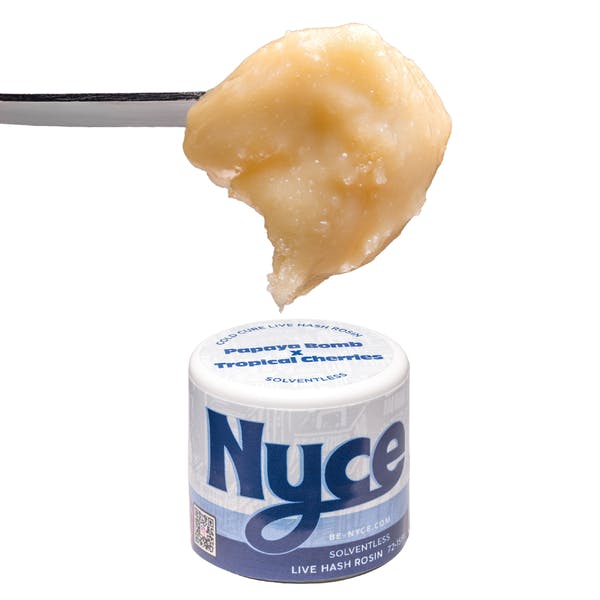
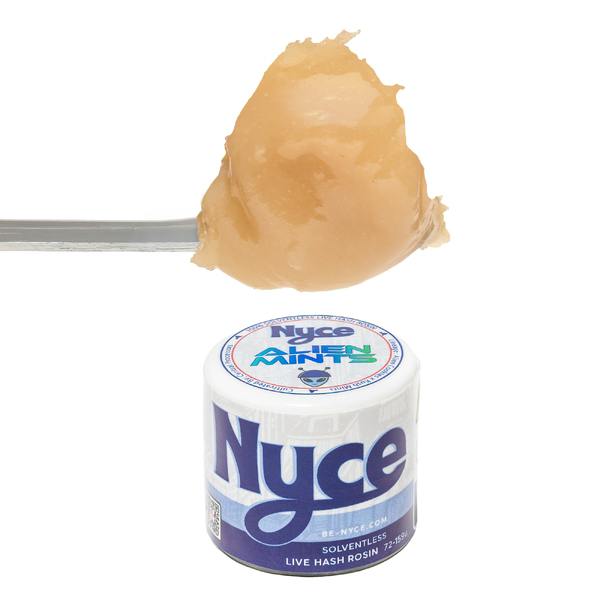
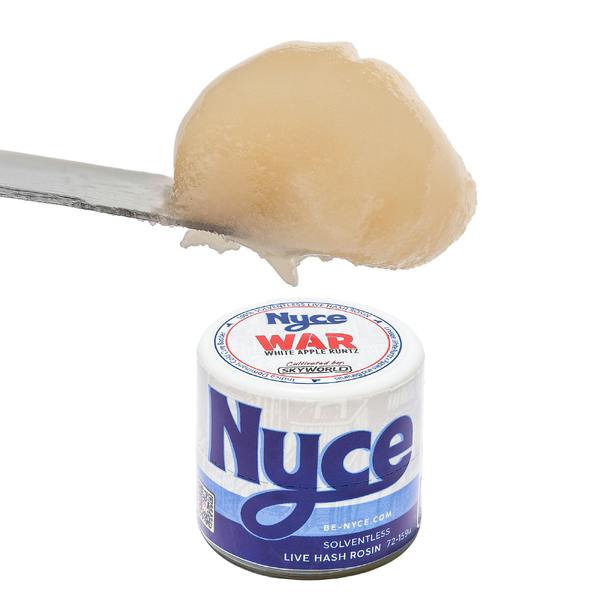
Rosin is produced exclusively through heat and pressure — no chemical solvents are introduced at any stage of production. This distinguishes it from butane hash oil, CO₂ wax, and distillate, all of which rely on chemical extraction agents. Because no solvent is used, rosin retains a broader and more intact spectrum of the original plant's cannabinoids and terpenes. New York's licensed market tests all concentrates for residual solvents, but rosin inherently sidesteps that concern. For shoppers in Coney Island's 11224 ZIP who prioritize clean, full-spectrum consumption, rosin's solventless nature is a genuine distinguishing characteristic rather than a marketing claim.
Rosin can be appropriate for newer concentrate users, but it requires a measured approach. Potency levels typically range from 60 to 85 percent total cannabinoids — substantially higher than flower. New York's adult-use guidance encourages a start-low, go-slow principle for concentrates, which is sound advice regardless of experience level. Cold-cure badder textures are among the easier formats to handle physically, and starting with a very small amount on a low-temperature device reduces the likelihood of an uncomfortable experience. Newer consumers may also want to speak with the staff at a licensed retailer before purchasing, as guidance on format and consumption method is genuinely useful here.
Traditional rosin consumption uses a dab rig — a water pipe fitted with a quartz, titanium, or ceramic nail — paired with a torch and a carb cap. Electronic devices, often called e-rigs or electronic nails, are an increasingly popular alternative that offer more precise temperature control, which is important for preserving terpenes in rosin. Low-temperature dabbing, generally in the 450-to-550-degree Fahrenheit range, is widely regarded as optimal for rosin's terpene-rich profile. For Coney Island residents in smaller apartments or those seeking a more discreet option, portable e-rigs offer a compact solution without sacrificing quality.
Rosin is sensitive to heat, light, and air — all of which can degrade terpenes and alter texture over time. Licensed New York products typically come in sealed glass or silicone containers, and those containers should be stored in a cool, dark environment. A drawer or cabinet away from direct sunlight works well for short-term storage. For longer-term storage, a small dedicated refrigerator or the coldest section of a regular refrigerator is acceptable, provided the product is sealed tightly to prevent moisture exposure. In Coney Island's humid summer months, climate-controlled indoor storage is especially important for maintaining product integrity.
For an evening wind-down — perhaps after a day on the Coney Island boardwalk or a long subway commute from elsewhere in Brooklyn — myrcene and caryophyllene are the terpenes most commonly associated with grounding, relaxed sensations. Beta-myrcene is earthy and herbal; beta-caryophyllene reads as peppery and is one of the few terpenes that interacts directly with the body's CB2 receptors. Linalool, more common in certain cultivars, carries a floral and calming character. No terpene is a guarantee of a specific effect, but reviewing the terpene panel on a product's certificate of analysis gives a more nuanced picture than THC percentage alone.
ZenZest Cannabis Dispensary offers free same-day delivery on orders over $100 across more than 80 New York ZIP codes. Coney Island's 11224 ZIP falls within Kings County, and ZenZest's delivery coverage extends broadly across New York City boroughs. For exact confirmation of 11224 delivery eligibility, shoppers can verify at checkout on the ZenZest platform or contact the store directly. The nearest physical location is ZenZest Staten Island at 2343 Forest Ave, approximately 10.1 miles from Coney Island, for those who prefer to shop in person and review products with staff assistance.
Standard rosin is typically pressed from cured, dried flower or cured bubble hash. Live rosin is pressed from fresh-frozen material — plant matter that is frozen immediately after harvest rather than dried and cured — which preserves a broader range of volatile terpenes that evaporate during the curing process. The result is a product with a more vibrant, complex terpene profile and often a lighter color. Live rosin commands a higher price point in New York's licensed market, reflecting the additional logistical and processing demands of working with fresh-frozen material. For terpene-focused consumers in 11224, the distinction is meaningful and worth the price consideration.
All cannabis products sold through New York's licensed adult-use retail network must pass third-party laboratory testing mandated by the Office of Cannabis Management before reaching dispensary shelves. For rosin specifically, testing panels cover potency (total cannabinoids and terpenes), residual solvents (even for solventless products, as a confirmation of clean processing), heavy metals, pesticides, and microbial contaminants. Each compliant product carries a certificate of analysis that licensed retailers are required to make available to consumers. Purchasing rosin from a licensed New York dispensary rather than an unlicensed source provides meaningful assurance that what is on the label reflects what is in the container.
Yes. New York's licensed market includes rosin in several formats beyond loose gram jars. Rosin-infused pre-rolls — sometimes called hash holes or infused joints — incorporate rosin into the flower blend or as a center-rolled core, offering a more accessible consumption format for those without dabbing equipment. Rosin-filled vape cartridges represent another format, though the high viscosity of rosin means these are less common than distillate cartridges and are often considered a specialty product. Each format carries different onset timing and intensity characteristics, and Coney Island shoppers comparing formats should review the COA and consult licensed retail staff when evaluating options.
Licensed rosin products in New York's adult-use market typically test between 60 and 85 percent total THC, though the specific figure varies considerably by cultivar, production method, and the starting material used. Hash rosin made from high-quality bubble hash tends toward the upper range; direct-press flower rosin often falls in the lower-to-mid range. Raw THC percentage should not be the sole purchasing criterion — terpene content and the overall cannabinoid profile give a more complete picture of the likely experience. For any consumer new to concentrates, beginning with a very small amount regardless of the stated potency, and allowing adequate time to assess the effect before consuming more, is the approach most consistently recommended by harm-reduction practitioners.
Pick your store
We'll show pricing, deals, and delivery zones for the store you pick. You can switch any time from the header.