
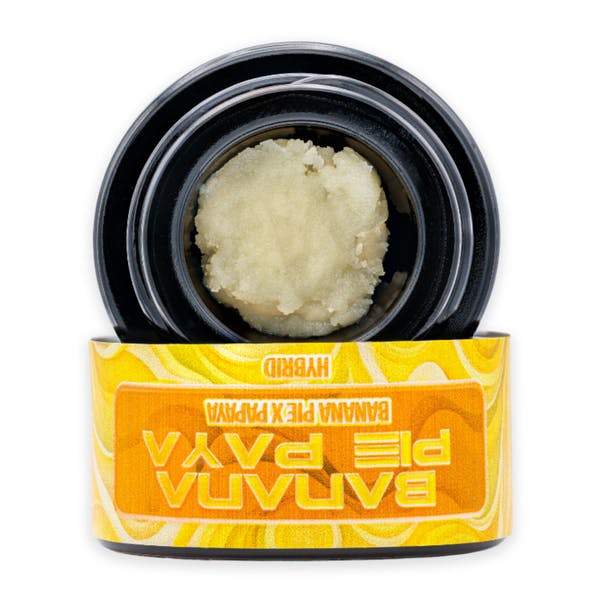
Queens · Rosin
Best Rosin in College Point, Queens
College Point, Queens — the quiet peninsula where College Point Boulevard meets the waterfront and MacNeil Park stretches toward Flushing Bay — has cultivated a discerning community of adult-use cannabis consumers. Among concentrate formats gaining traction in 11356, rosin stands apart: a solventless extract pressed from flower or hash that rewards those who value purity, craft, and the full sensory character of the plant.
About Rosin
Rosin occupies a singular position in the New York adult-use concentrate market. Unlike hydrocarbon extracts that rely on butane or propane to strip cannabinoids and terpenes from plant material, rosin is produced entirely through heat and pressure — no solvents, no residual chemical signatures, no post-processing purges required. What emerges from the press is a translucent, amber-to-golden concentrate whose terpene profile remains remarkably close to the source material, whether that source is fresh-frozen whole flower, dry-sift kief, or bubble hash. New York's Office of Cannabis Management licenses rosin under its concentrate category, meaning every product on a legal dispensary shelf has passed state-mandated testing for potency, residual solvents (consistently non-detect in properly made rosin), microbial contamination, and heavy metals. For 11356 residents navigating a still-maturing legal market, that certificate of analysis is not a formality — it is the clearest proof of why licensed rosin justifies a premium over unregulated alternatives. Within the concentrate category, rosin subdivides into several distinct formats. Fresh-press rosin, collected immediately after the heat-and-pressure cycle, tends to be oilier and more volatile in its terpene expression. Cold-cure rosin is rested at low temperatures post-press, encouraging a badder or budder consistency that is easier to handle on a dab tool. Hash rosin — made from bubble hash rather than flower — represents the upper tier of the craft, offering unparalleled clarity and terpene density. Each format delivers a different tactile and sensory experience, and New York's licensed producers have steadily expanded their SKU ranges to reflect that range. For adult-use consumers 21 and older, rosin offers the most direct expression of a cultivar's character. When a licensed New York producer presses a batch of, say, a limonene-forward Durban Poison or a myrcene-heavy Hindu Kush, the resulting rosin carries those aromatic signatures forward in a way few other formats can match. That fidelity to the plant is the category's core appeal.
Rosin for College Point shoppers
College Point is a neighborhood that operates on its own quiet rhythm. Bounded by the Whitestone Expressway to the east, Flushing Bay to the south, and the open water of the East River to the north and west, it functions as something of a self-contained enclave within Queens. The industrial corridor along 20th Avenue gives way to modest residential blocks, and the foot of MacNeil Park offers one of the borough's more underappreciated waterfront vistas — a clear sightline toward the Bronx across the water, best appreciated in the long blue light of a summer evening or on a crisp autumn afternoon. That sense of separation from the city's more frenetic energy shapes how College Point residents tend to consume cannabis. The neighborhood skews toward homeowners and long-term renters who have space for a proper setup — a dedicated dab station, a quality electronic rig, or even a classic quartz banger. There is less of the on-the-go vape-pen culture that defines denser transit corridors; concentrate consumers here are more likely to be settling in at home after a shift at one of the area's light-industrial businesses or after an evening walk along the MacNeil Park seawall. Seasonally, the exposed peninsula geography means College Point experiences weather in a more pronounced way than inland Queens neighborhoods. Winter winds off Flushing Bay arrive early and linger; summer humidity can be palpable along the water. Those environmental realities are worth noting for rosin storage — concentrate quality degrades more rapidly with temperature swings, making airtight, refrigerator-cold storage between sessions a practical habit for 11356 households rather than a mere enthusiast affectation.
What to look for
Purchasing rosin in the licensed New York market comes down to three intersecting considerations: source material quality, terpene integrity, and consistency of texture. On the label or accompanying certificate of analysis, look first at the terpene total — a well-made hash rosin will often register between three and six percent total terpenes, a meaningful figure compared to many distillate-based products. The dominant terpenes will tell you a great deal about the experience before you ever open the jar. Myrcene suggests a heavier, more physically relaxing character; limonene and terpinolene lean bright and mentally engaging; caryophyllene brings a spiced, grounding quality that many consumers find balancing. THC potency in licensed New York rosin typically ranges from the high fifties to the low eighties by percentage, depending on the source material and press conditions. For consumers new to concentrates, that range can feel daunting — and general guidance here is consistent: start with a very small amount, allow adequate time to understand its effect before considering more, and choose a session window that does not compete with obligations. The format is not inherently more appropriate for experienced consumers than for those newer to it, but the potency concentration does require more deliberate pacing than flower. For College Point shoppers specifically, texture matters for practical reasons. A live rosin badder or cold-cure consistency will hold up better across seasonal temperature shifts than a thin, oily fresh-press when it comes to handling and dosing. If you are storing product in a home that runs warm in summer — common in older College Point housing stock — a firmer cold-cure or a jar kept toward the back of the refrigerator will maintain quality far longer than one left at room temperature. Look for producers who indicate cure method and storage recommendations on their packaging; that attention to detail is itself a signal of craft.
Why ZenZest for rosin in College Point
For College Point residents in 11356, ZenZest Cannabis Dispensary's Queens location at 272-06 Union Tpke in Bellerose sits approximately 7.3 miles away — a straightforward drive south and east via the Whitestone Expressway and Union Turnpike, passing through the quieter residential stretches of eastern Queens. The store carries a curated selection of licensed New York concentrates, including rosin from craft producers, with knowledgeable floor staff who can walk through certificates of analysis and explain terpene profiles without pressure or oversimplification. It is the kind of retail environment where a first-time concentrate buyer and a seasoned extract enthusiast can each find what they are looking for. For those who prefer not to make the drive, ZenZest extends free same-day delivery to orders over one hundred dollars across more than eighty New York ZIP codes, with 11356 among the eligible areas. A rosin jar, a cleaning solution, and a supplementary flower or pre-roll can easily reach that threshold while delivering genuine value. Orders placed through ZenZest's platform arrive in discreet, compliant packaging — a practical consideration for College Point households where privacy is simply a preference, not a concern.
ZenZest Queens · 272-06 Union Tpke, Bellerose, NY 11004 · 7.3 miles from College Point.
Live rosin for College Point
Full rosin menu →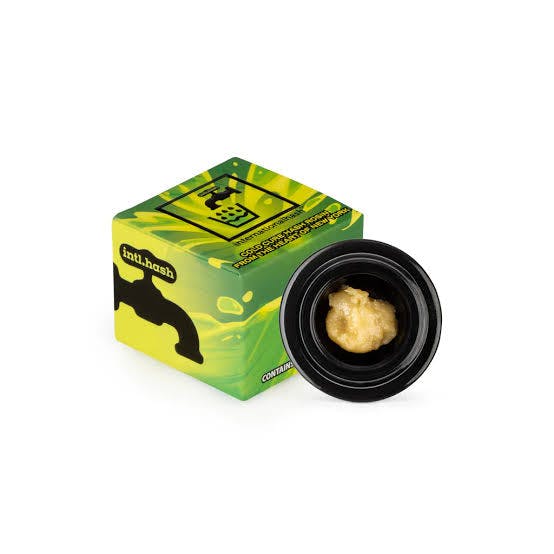
THC 75.73%Hybrid
INTERNATIONAL HASHInternational Hash | Cold Cure Hash Rosin | Grapefruit Hybrid · 1g
$66.37
$75after tax
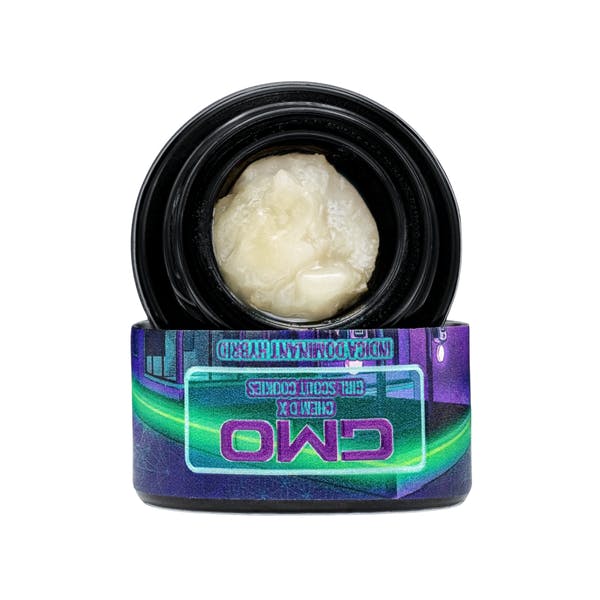
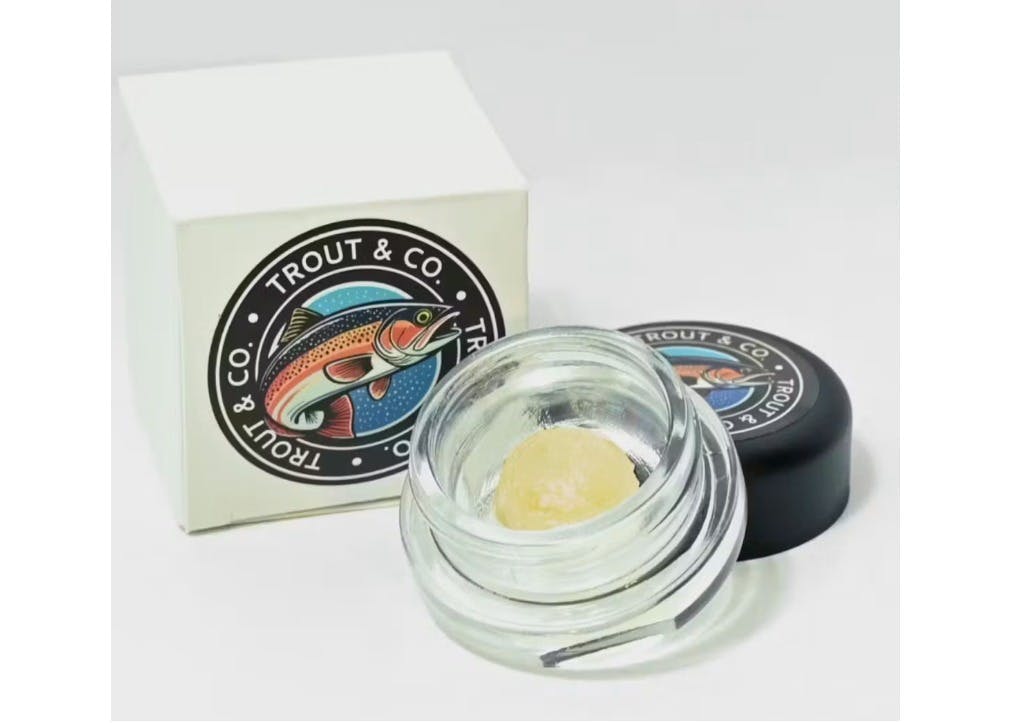
THC 77.52%Hybrid
Trout & Co.Trout & Co. | Super Funk | Live Rosin Private Reserve · 1g
$88.50
$100after tax
Rosin in College Point — answers
What exactly is rosin, and how is it different from other concentrates sold in New York dispensaries?+
Rosin is a solventless cannabis concentrate produced by applying heat and pressure to flower, kief, or bubble hash. Unlike BHO, PHO, or distillate, rosin uses no chemical solvents in its production, which means there are no residual hydrocarbon concerns and the terpene profile of the source material is preserved with unusual fidelity. In New York's licensed adult-use market, rosin is tested for potency and contaminants like all concentrates, but the solventless designation is a meaningful quality distinction for consumers who prioritize clean-input products.
Is rosin available for same-day delivery to College Point's 11356 ZIP code?+
Yes. ZenZest Cannabis Dispensary offers free same-day delivery on orders over one hundred dollars, and 11356 is among the eligible ZIP codes in their delivery network. College Point's peninsula geography is well within the delivery service area, meaning residents along College Point Boulevard, 20th Avenue, and the streets nearest MacNeil Park can receive licensed rosin and other adult-use products without leaving the neighborhood.
What equipment do I need to consume rosin at home in College Point?+
At minimum, rosin requires a dab rig or electronic vaporizer designed for concentrates, a dab tool to handle the product without contaminating it, and a heat source if using a traditional quartz banger setup. Electronic rigs with temperature control are increasingly popular because they allow precise, repeatable heat settings that protect terpenes. For College Point residents setting up a home station, an electronic nail eliminates the learning curve of torch timing and is gentler on the aromatic compounds that make rosin worth purchasing in the first place.
How should I store rosin during College Point's humid summers and cold winters?+
College Point's exposed waterfront position means temperature and humidity fluctuations arrive more forcefully than in inland neighborhoods. For rosin, the recommended storage approach is airtight glass jars kept in a cool, dark environment — ideally a refrigerator set between 35 and 45 degrees Fahrenheit. During humid summer months, allow the jar to reach room temperature before opening to prevent condensation from entering the product. In winter, avoid storing rosin near exterior walls or windows where temperature cycling is most pronounced.
What terpenes should I look for in rosin if I want something appropriate for an evening at MacNeil Park or along the College Point waterfront?+
For outdoor, ambient occasions — a quiet hour at MacNeil Park, a walk along the seawall at dusk — many consumers seek rosin with terpene profiles that feel congruent with those unhurried, sensory-forward settings. Cultivars high in linalool or ocimene can feel gentle and perceptually open. Limonene-dominant profiles tend to be uplifting without being restless. That said, personal response varies significantly, and starting with a small amount regardless of terpene profile remains the prudent approach for any outdoor session.
How does hash rosin differ from flower rosin, and is the price premium justified?+
Hash rosin begins with bubble hash — trichome heads separated from plant material through ice-water agitation — before being pressed. Because the starting material is already a refined concentration of resin glands, hash rosin typically yields higher terpene totals, greater clarity, and a smoother sensory experience than rosin pressed directly from flower. The additional processing steps increase cost, but for consumers who consume rosin regularly and have calibrated their preferences, the difference in quality is tangible. Flower rosin is a reasonable entry point; hash rosin is where the format fully expresses its ceiling.
Are all rosins sold at New York dispensaries tested and licensed by the state?+
Yes. Every concentrate, including rosin, sold at a licensed New York adult-use dispensary must pass state-mandated testing through an accredited laboratory before it can reach retail shelves. Testing covers potency, residual solvents, heavy metals, microbial contamination, and pesticides. Consumers can request or review the certificate of analysis for any product at a licensed retailer. This regulatory framework is a meaningful distinction between licensed dispensary products and unregulated market alternatives.
What THC potency range is typical for licensed rosin in New York, and what does that mean for someone new to concentrates?+
Licensed New York rosin typically tests between approximately 60 and 82 percent THC by weight, depending on source material and processing method. For consumers accustomed to flower, which generally ranges from 15 to 30 percent THC, this represents a substantial concentration difference. The consistent guidance for anyone new to concentrates — or returning after a long break — is to begin with a very small amount, gauge the effect over an appropriate window of time, and avoid combining with alcohol or other substances until personal response is clearly understood.
Can I purchase rosin in College Point without a medical card?+
Yes. New York's adult-use cannabis program allows any person 21 years of age or older to purchase cannabis products, including concentrates like rosin, from a licensed dispensary without a medical registration or physician recommendation. Valid government-issued identification confirming age is required at point of purchase or delivery. There is no qualifying condition, no application process, and no annual fee involved in adult-use purchasing.
How does rosin compare to live resin, another concentrate I see at dispensaries?+
Live resin and rosin are both considered premium concentrate formats, but they differ fundamentally in production method. Live resin uses hydrocarbon solvents — typically butane — applied to fresh-frozen plant material, then undergoes a purging process to remove residual solvent. Rosin uses only heat and pressure and contains no solvents. Both formats can preserve terpene profiles with high fidelity. The choice often comes down to personal preference for texture, flavor character, and a preference for solventless production. Both are available at licensed New York dispensaries and are subject to the same state testing requirements.