On sale· 20% OFF
THC 70.7%Indica-Hybrid
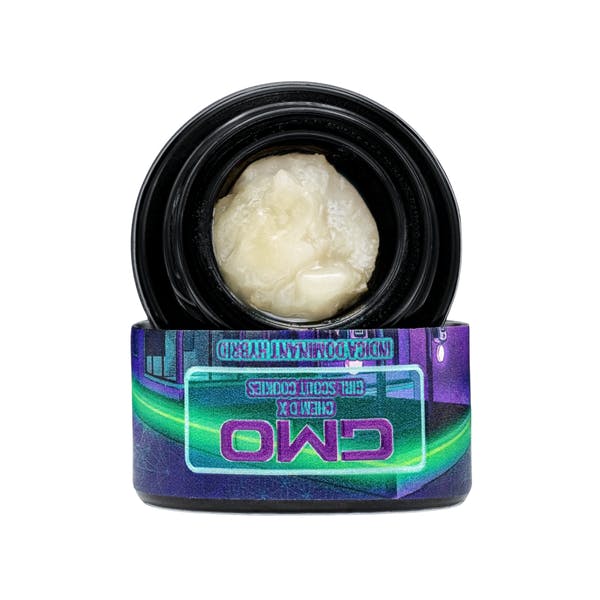
UmamiiUmamii | Live Rosin Jar | GMO · 2g
$80.00$100.00
$93after tax

weeddispensarynearme.com
You must be 21 years or older to enter. By entering, you confirm you’re of legal age in your state to purchase cannabis.
For use only by adults 21+ • Keep out of reach of children
Cobble Hill, Brooklyn's quietly refined enclave of brownstone-lined blocks and considered taste, has become home to a growing cohort of adult-use cannabis consumers who expect the same quality from their concentrate as they do from their coffee or natural wine. Rosin — the solventless, heat-and-pressure-extracted concentrate prized for its purity and full-spectrum character — fits that standard precisely.
About Rosin
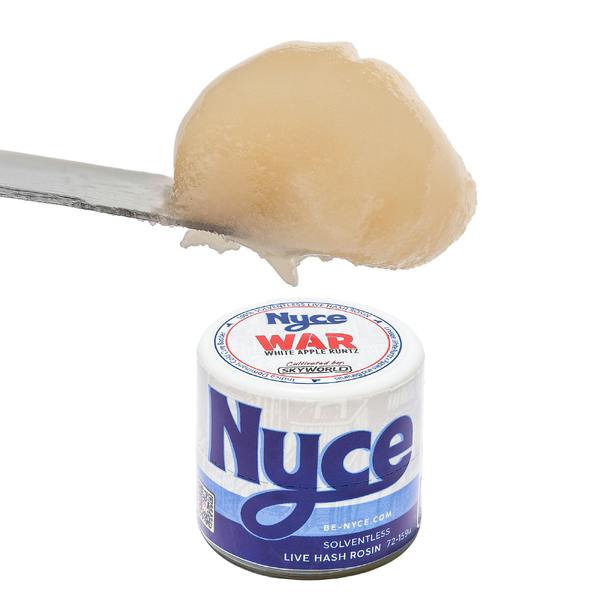
Rosin occupies a distinct and increasingly prestigious position within New York's licensed adult-use cannabis market. Unlike hydrocarbon or CO₂ extracts, rosin is produced without chemical solvents: raw flower, dry-sift kief, or fresh-frozen bubble hash is subjected to calibrated heat and hydraulic pressure, yielding a translucent to golden concentrate that preserves the plant's native terpene and cannabinoid profile in a form that many connoisseurs regard as the clearest expression of the cultivar itself. New York's Office of Cannabis Management licenses a growing number of processors who have invested in rosin-specific infrastructure — temperature-controlled presses, food-grade collection systems, and rigorous third-party testing protocols — meaning the shelf at a compliant dispensary now reflects genuine craft production rather than commodity output. Consumers in the state can expect to encounter rosin in several formats: fresh-press (immediately after extraction, soft and malleable), live rosin (made from fresh-frozen starting material, capturing an especially vivid terpene snapshot), and rosin badder or jam (whipped to a more workable consistency). Each format carries nuanced differences in texture, flavor intensity, and ease of handling. Potency in licensed rosin typically ranges from roughly 60% to 85% total cannabinoids, with particularly expressive terpene concentrations that can run two to four times higher than comparable flower. That combination produces what experienced users often describe as a more complete, rounded effect compared with isolated distillate products — reflecting the entourage hypothesis that terpenes and minor cannabinoids interact meaningfully with THC and CBD. For anyone new to concentrates, a general principle endorsed across the cannabis wellness community applies: start low, go slow, and allow adequate time between sessions to understand your individual response. Within New York's maturing licensed ecosystem, rosin has also become a marker of production transparency. Because no solvent residuals need testing or remediation, a clean lab report for rosin is relatively straightforward to interpret — and reputable retailers will make those certificates of analysis readily available on request.
Rosin for Cobble Hill shoppers
Cobble Hill sits at an interesting convergence point within Brooklyn's broader cultural geography. Court Street provides the neighborhood's practical spine — the pharmacies, family-run hardware shops, and independent restaurants that give the area its unhurried, neighborhood-first character. Smith Street extends the lifestyle footprint toward Carroll Gardens, where the dining scene skews equally deliberate and ingredient-focused. Atlantic Avenue, running along the northern edge, connects Cobble Hill to Boerum Hill and carries echoes of the neighborhood's historically diverse commercial life alongside its newer wave of considered retail. The consumer who lives here tends to make intentional choices. The neighborhood's residents include a substantial professional cohort — architects, editors, educators, healthcare workers associated with nearby NYU Langone Brooklyn — who approach consumption with the same research-forward mindset they apply to olive oil or single-origin coffee. Rosin, with its transparent production method and readily verifiable lab data, maps naturally onto that orientation. It is a product you can understand from raw material to finished form without a chemistry degree. Seasonally, Cobble Hill's compact, walkable footprint and its abundance of private outdoor space — rear gardens, rooftop terraces, the quiet of Kane and Amity streets on a temperate evening — creates conditions well suited to intentional, at-home concentrate use. In winter months, when the Brooklyn-Queens Expressway corridor amplifies the cold and residents retreat indoors, a small dab of live rosin paired with a well-calibrated temperature on a portable e-rig represents a refined, low-volume alternative to filling a smaller apartment with smoke. In summer, that same portability supports leisurely evenings in Cobble Hill Park, with its familiar iron fence and canopy of mature trees at the intersection of Verandah Place and Congress Street.
What to look for
Selecting a rosin in a dispensary requires a slightly different evaluative framework than choosing flower or a vape cartridge. The first variable to examine is starting material: rosin made from premium single-strain bubble hash — often labeled live hash rosin — will generally command a higher price and deliver a more nuanced terpene experience than flower-pressed rosin, which remains excellent but reflects a slightly less concentrated terpene yield. If the product label specifies fresh-frozen input material, expect particularly vibrant primary aromas; if it specifies dry-cured flower, anticipate a richer, earthier baseline. Terpenes deserve close attention. For Cobble Hill consumers whose use occasions tend toward the social and the contemplative rather than the purely recreational, cultivars expressing myrcene (warm, herbal, relaxing), linalool (floral, calming), or caryophyllene (peppery, grounding) may align well with an evening wind-down after a commute through Atlantic Terminal or a long Court Street errand run. Those seeking a more mentally animated experience — suitable for a weekend afternoon in the neighborhood's quieter side streets — might look toward terpene profiles led by limonene or terpinolene, which tend to register as brighter and more elevating in character. Format trade-offs matter practically as well. Fresh-press rosin is soft and aromatic but can be finicky at room temperature; badder is more consistent to handle and doses more predictably on a dab tool. For those new to concentrates, a rosin-infused pre-roll — sometimes called an Infused pre-roll — offers a gentler, more familiar entry point with a controlled dose profile. Whatever format you choose, storing rosin in a cool, dark environment (a small glass jar in a drawer, away from direct light) will preserve terpene integrity significantly longer than leaving it at ambient Brooklyn summer temperatures.
Why ZenZest for rosin in Cobble Hill
ZenZest Cannabis Dispensary's Staten Island location at 2343 Forest Ave, Staten Island, NY 10303 — approximately 9.3 miles from the heart of Cobble Hill — maintains a curated concentrate section that includes rosin from New York's licensed craft producers. The staff approach the floor with an educator's mindset: if you have questions about starting material, terpene profiles, or which format suits your experience level, the conversation is welcomed rather than rushed. For Cobble Hill residents who prefer to shop from home, ZenZest extends free same-day delivery on orders over $100 to more than 80 eligible ZIP codes across New York, with 11231 among them. That means a carefully selected live rosin or hash rosin badder can arrive at your Court Street or Atlantic Avenue address without the need to cross a bridge. Orders can be placed through the ZenZest platform, and the same certificate-of-analysis transparency available in-store is accessible before you finalize your cart.
ZenZest Staten Island · 2343 Forest Ave, Staten Island, NY 10303 · 9.3 miles from Cobble Hill.
$93after tax
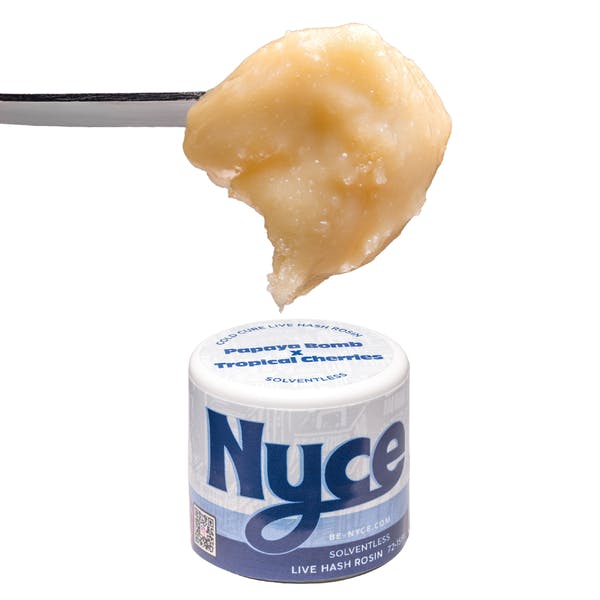
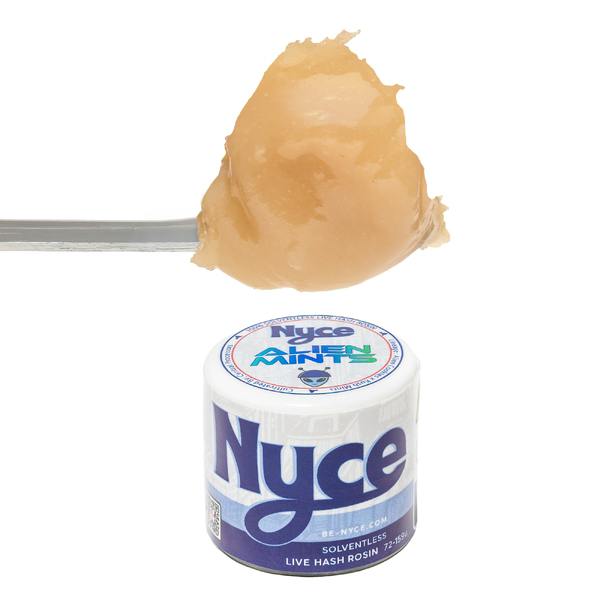
Rosin is produced exclusively through heat and pressure — no hydrocarbon solvents, no CO₂, no ethanol. The result is a concentrate that retains the original plant's terpene and cannabinoid architecture with minimal processing intervention. For licensed New York adult-use products, this also simplifies the lab-testing picture: without solvent residuals to evaluate, a clean certificate of analysis for rosin focuses primarily on potency, terpenes, and microbial safety, making it a relatively transparent product for educated consumers.
Yes, in ways that are often immediately perceptible. Live rosin begins with fresh-frozen cannabis — harvested and frozen immediately to preserve volatile terpenes before they degrade during conventional drying and curing. The resulting concentrate tends to carry a more vivid, complex aroma and flavor profile than flower-pressed rosin, which reflects the cultivar's post-cure character. Both are legitimate and rewarding; the distinction is largely one of terpene intensity and price point, with live hash rosin typically occupying the premium end of the New York concentrate shelf.
Cobble Hill's rhythm — morning espresso on Smith Street, an afternoon at Cobble Hill Park, an evening in a brownstone living room — suits rosin's at-home, intentional use profile well. Because concentrate potency is meaningfully higher than flower, small amounts go a long way, which aligns with the neighborhood's generally measured, quality-over-quantity consumer sensibility. It is a format that rewards a slow evening rather than a hurried session, consistent with the deliberate pace the neighborhood itself tends to encourage.
While this platform does not prescribe specific consumption parameters, the general consensus among concentrate enthusiasts is that lower temperatures — often described as 'low-temp dabs' — better preserve the terpene profile of rosin without combusting delicate volatile compounds. Higher temperatures tend to produce thicker vapor but can mute the more nuanced aromatic qualities that distinguish a premium live rosin from a simpler extract. If you are using a portable e-rig, experimenting within the lower half of its temperature range is a reasonable starting orientation.
Yes. Several New York-licensed producers offer infused pre-rolls that incorporate rosin — sometimes as a coating on the exterior of the paper, sometimes blended into the flower fill. These products offer a more accessible format for consumers who are curious about rosin's character but unfamiliar with dabbing hardware. The dose-per-session is more controlled than a full dab, making infused pre-rolls a reasonable transitional option for Cobble Hill residents exploring concentrates for the first time.
Rosin is sensitive to heat and light, both of which can accelerate terpene degradation and alter consistency. In a Cobble Hill apartment — where summer temperatures near the Atlantic Avenue corridor can be significant without central air — storing rosin in a small, airtight glass or silicone container placed in a cool drawer or a dedicated corner of the refrigerator will meaningfully extend the product's quality window. Allow refrigerated rosin to return gently to room temperature before handling to avoid condensation affecting the concentrate.
Terpene preference is personal, but a few profiles map intuitively onto common Cobble Hill use occasions. Myrcene-dominant cultivars tend toward a warm, relaxed character suited to quiet evenings in. Caryophyllene, with its peppery, slightly spiced quality, often appeals to those with a palate shaped by the neighborhood's sophisticated restaurant culture. Limonene and terpinolene profiles lean brighter and more cerebral — potentially well matched to a social gathering or a leisurely weekend afternoon. Certificate-of-analysis documents at licensed dispensaries will list terpene percentages by compound.
Yes. ZenZest Cannabis Dispensary offers free same-day delivery on orders over $100 to more than 80 New York ZIP codes, and 11231 — which covers Cobble Hill — is among the eligible areas. This means residents on Congress Street, Amity Street, or anywhere within the neighborhood's brownstone grid can receive licensed, lab-tested rosin without traveling. Orders are placed through the ZenZest platform, where product details and lab data are available prior to purchase.
Licensed New York flower typically tests between 18% and 30% total THC. Rosin, depending on starting material and production method, generally ranges from approximately 60% to 85% total cannabinoids. That is a substantial difference in concentration per unit weight, which is why even experienced flower consumers are advised to approach concentrates with measurably smaller initial amounts. The 'start low, go slow' principle applies with particular relevance when transitioning from flower to rosin for the first time.
All products on New York's licensed adult-use shelves — whether rosin, BHO, or CO₂ extract — must pass state-mandated third-party testing for residual solvents, pesticides, heavy metals, and microbial contaminants before sale. A licensed solvent-based concentrate that passes testing is not inherently unsafe. Rosin's distinction is process transparency rather than a safety advantage over compliant alternatives. For consumers who prefer to avoid solvent use on principle, rosin is the straightforward choice; for those who prioritize a clean lab report above process preference, both categories can meet that standard at a licensed retailer.
Pick your store
We'll show pricing, deals, and delivery zones for the store you pick. You can switch any time from the header.