
Bronx · Tinctures
Best Tinctures in Co-op City, Bronx
Co-op City, the self-contained residential world anchored by Bartow Avenue and Co-op City Boulevard in ZIP 10475, has quietly become one of the Bronx's most discerning cannabis markets. Among the formats gaining traction here, tinctures stand apart — precise, discreet, and well-suited to the deliberate pace that Co-op City residents tend to bring to every purchasing decision.
About Tinctures
Cannabis tinctures are liquid extracts — typically alcohol- or MCT oil-based — infused with cannabinoids such as THC, CBD, or a calibrated blend of both. Administered sublingually, meaning held under the tongue for sixty to ninety seconds before swallowing, a tincture bypasses the digestive processing that slows traditional edibles and delivers onset times often measured in fifteen to thirty minutes rather than the hour or more that a gummy might require. That predictability is a meaningful advantage for adults who want a measured experience without committing to an inhalation method. New York's licensed adult-use market has brought meaningful quality controls to the tincture category that were simply absent during the unlicensed era. Every product sold through an OCTC-licensed retailer must carry a certificate of analysis confirming cannabinoid concentration and confirming the absence of residual solvents, heavy metals, and pesticides. For consumers in the Bronx, that regulatory backstop is not a minor detail — it is the foundation of a trustworthy purchase. Tinctures in the licensed New York market arrive in a range of formulations: full-spectrum products that preserve the plant's minor cannabinoids and terpene profile, broad-spectrum products that remove detectable THC while retaining other compounds, and isolate-based formulas that deliver a single purified cannabinoid. Each format appeals to different intentions. Full-spectrum options are favored by consumers seeking what researchers informally call the entourage effect — the theory that cannabinoids and terpenes work more cohesively in concert than in isolation. Isolates appeal to those who want a defined, singular input. The tincture bottle itself is a study in discretion. A small glass dropper fits quietly in a medicine cabinet or a bag pocket, carries no smoke, produces no odor, and dispenses a consistent measured volume each time. For adult consumers aged 21 and older navigating the full landscape of New York licensed cannabis formats, tinctures occupy a distinctive niche: the format most amenable to thoughtful, incremental self-knowledge. New York regulations require all adult-use cannabis to be purchased by consumers 21 years of age or older.
Tinctures for Co-op City shoppers
Co-op City is not a neighborhood one passes through; it is a neighborhood one belongs to. Roughly 55,000 residents live within the looping roads and tower clusters of Sections 1 through 35, with Section 5 and its surrounding plazas forming a central social hub. The community skews multigenerational — longtime residents who have spent decades in the same cooperative apartment building coexist with younger families who value the area's relative affordability and its access to the Bx28 and Bx30 bus lines running along Co-op City Boulevard and Bartow Avenue. That demographic texture shapes cannabis consumption patterns in meaningful ways. In a community where many residents work demanding schedules — commuting by express bus to Midtown or by car along I-95 — a format that fits neatly into a wind-down ritual at the end of the day holds clear appeal. Tinctures do not require a patio, a balcony, or tolerant neighbors. They are taken in the kitchen or bedroom without ceremony, and their effects arrive on a timeline consistent enough to plan around. Co-op City winters concentrate residents indoors for extended stretches, and the Bronx's late-autumn and winter months can be genuinely raw. During those seasons, the idea of stepping outside to vape or smoke loses its appeal rapidly. Tinctures eliminate that friction entirely. Conversely, during the warmer months when residents gather around the greenways near Bartow-Pell Mansion or the paths adjacent to the Twin Lakes, a small dropper bottle is easy to carry and consume with minimal intrusion on the experience of being outdoors. The format adapts to the neighborhood's rhythms in a way that few other cannabis products can.
What to look for
When evaluating a tincture, the first variable worth understanding is the cannabinoid ratio. A product labeled 1:1 THC to CBD will produce a meaningfully different experience than a product that is 10:1 THC to CBD or a product built around CBD alone with only trace THC. For consumers new to tinctures, a lower THC concentration — products in the range of 5mg to 10mg of THC per milliliter — combined with a meaningful CBD presence provides a forgiving entry point. The standard guidance applies here as it does across all cannabis formats: start with a low dose and allow adequate time before reassessing. Terpenes deserve attention even in liquid format. Full-spectrum tinctures that preserve the plant's original terpene profile will often list dominant terpenes on the label or accompanying certificate of analysis. Myrcene, common in indica-leaning cultivars, is associated with a relaxing sensory character. Limonene, found in citrus-forward varieties, trends toward uplift. Linalool, shared with lavender, is often described as calming. For Co-op City residents incorporating a tincture into a post-commute or evening ritual, myrcene- or linalool-forward profiles tend to align well with that intention. Consider the carrier oil or base as well. MCT oil — derived from coconut — is the most common base in New York licensed tinctures and is generally well tolerated. Alcohol-based tinctures absorb sublingually with particular efficiency but may not suit every palate. Format trade-offs are real: a sublingual application delivers onset faster than swallowing the tincture whole and waiting for digestive processing. If you have previously found tinctures unpredictable, confirming your administration method with a licensed dispensary staff member is worth the conversation.
Why ZenZest for tinctures in Co-op City
ZenZest Cannabis Dispensary operates its Queens location at 272-06 Union Tpke in Bellerose, NY 11004 — approximately 11.1 miles from Co-op City's 10475 ZIP code. The store carries a curated selection of New York adult-use licensed tinctures across multiple cannabinoid ratios and formulation styles, and its staff is available to walk through the distinctions between full-spectrum, broad-spectrum, and isolate options with the patience the category deserves. For Co-op City residents who would prefer not to make the drive to Queens, ZenZest extends free same-day delivery on orders over $100 to more than 80 New York ZIP codes, with 10475 among the eligible areas. That delivery option fits naturally with the rhythm of a community where parking, transit schedules, and the density of daily life can make an errand to another borough a genuine calculation. Ordering online, confirming the tincture's certificate of analysis details, and receiving the product at one's door is a seamless alternative that honors both the resident's time and the discretion the format itself encourages.
ZenZest Queens · 272-06 Union Tpke, Bellerose, NY 11004 · 11.1 miles from Co-op City.
Live tinctures for Co-op City
Full tinctures menu →
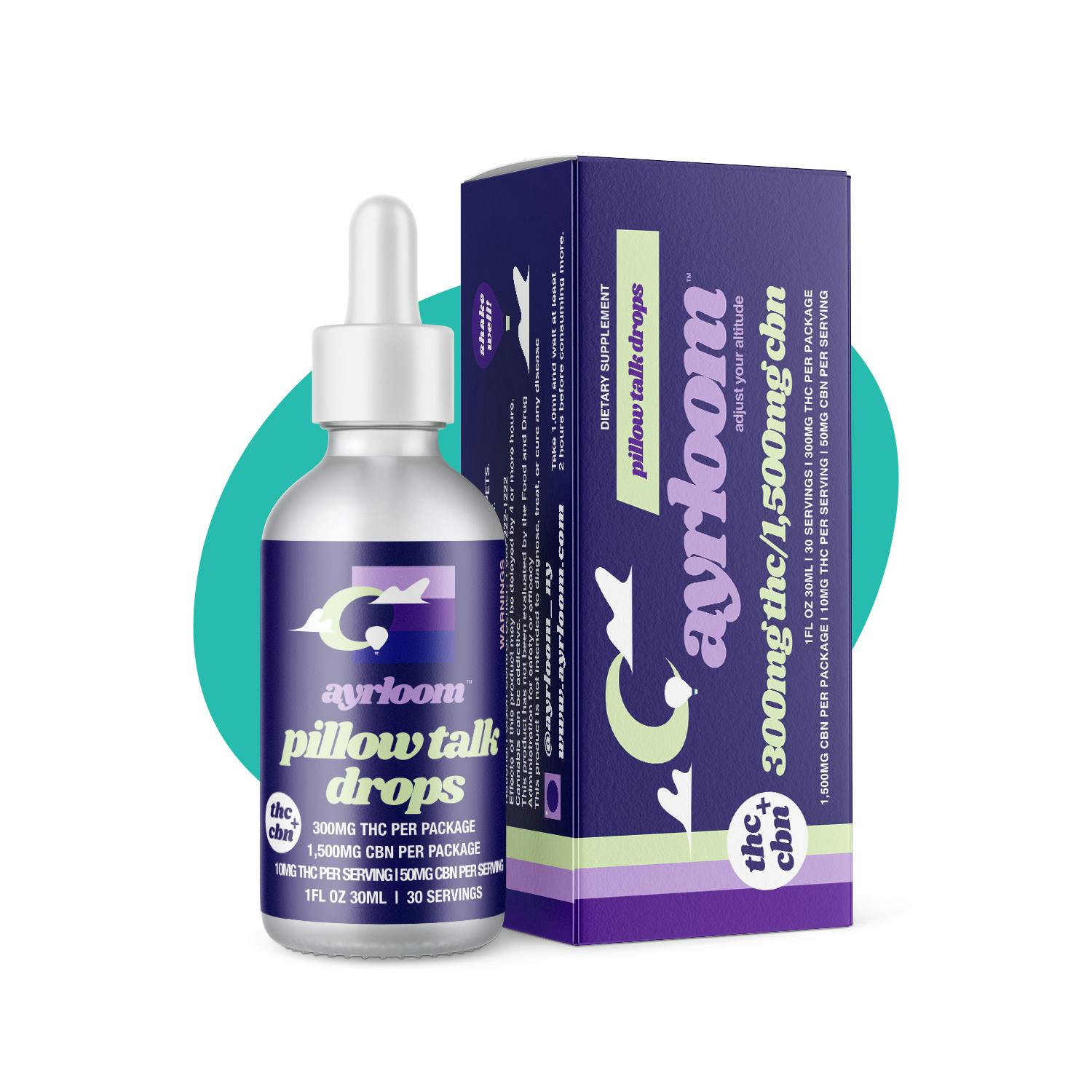
THC 0.93%Indica
ayrloomAyrloom | Pillow Talk Drops | 1:5 | 300MG THC : 1500MG CBN · .1g
$44.25
$50after tax
THC 0.53%·CBD 1.61%Hybrid
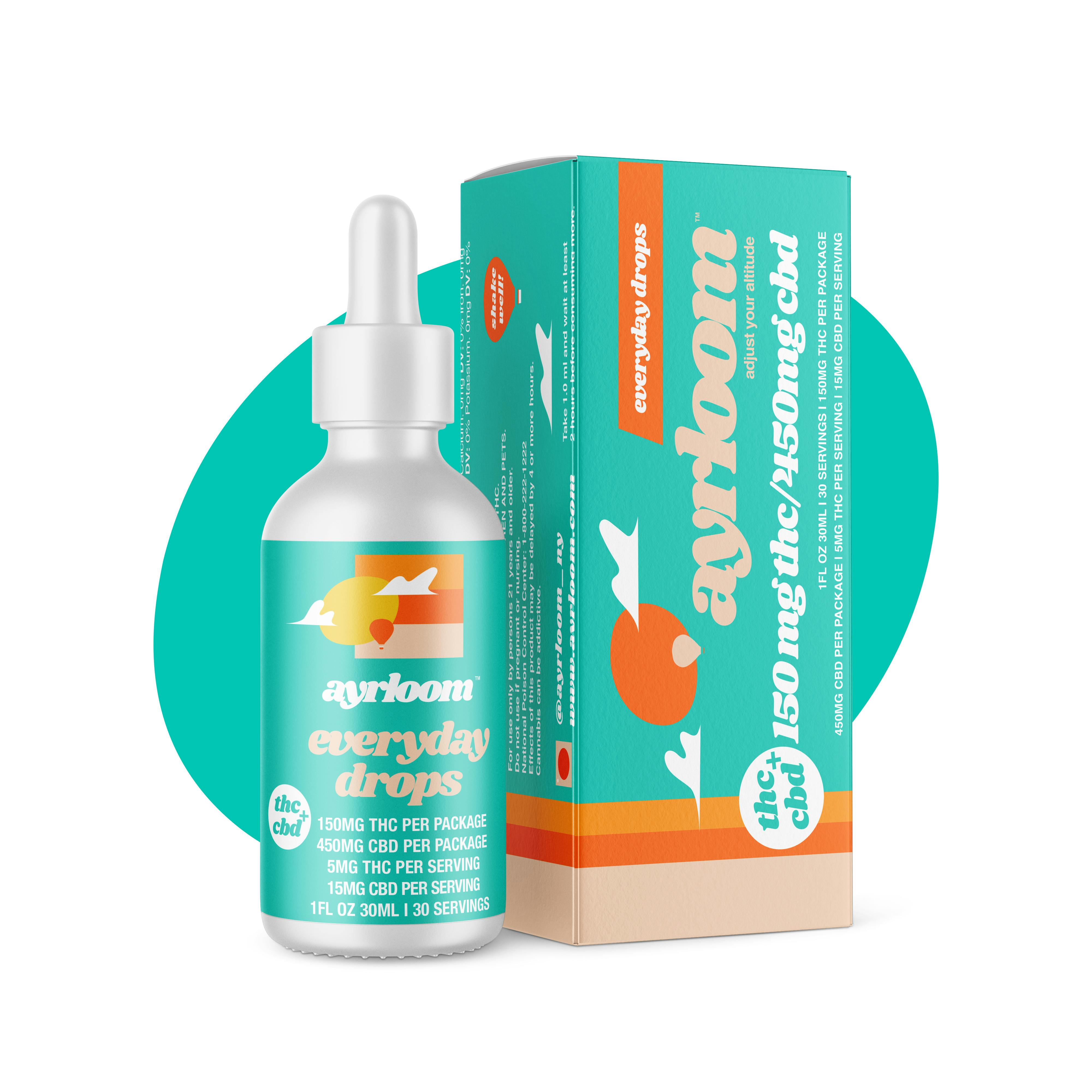
ayrloomayrloom | Low Dose Everyday Drops | 1:3 | 150MG THC : 450MG CBD · .1g
$30.00
$34after tax
Tinctures in Co-op City — answers
Are cannabis tinctures legal to purchase in Co-op City, Bronx (ZIP 10475)?+
Yes. Adults aged 21 and older may legally purchase cannabis tinctures from any New York State OCTC-licensed retailer. Co-op City falls within Bronx County, fully subject to New York's adult-use cannabis regulations. Licensed products must carry certificates of analysis confirming cannabinoid potency and purity. No medical designation is required to purchase adult-use tinctures in New York State.
How long does it take a tincture to take effect compared to an edible?+
When administered sublingually — held under the tongue for sixty to ninety seconds — tinctures typically produce noticeable effects within fifteen to forty-five minutes for most adults. This is considerably faster than a traditional edible, which must pass through the digestive system and may require sixty to one hundred twenty minutes to take effect. Swallowing a tincture directly rather than holding it sublingually shifts the onset profile closer to that of a standard edible, so technique genuinely matters.
What THC concentration is a reasonable starting point for a Co-op City resident new to tinctures?+
New York licensed tinctures vary widely in potency. For first-time or returning users re-establishing their tolerance, products in the range of 5mg to 10mg of THC per milliliter are generally considered a measured starting point. Begin with a half or quarter dropper, allow the full onset window to pass before reassessing, and adjust in small increments across separate sessions. This approach — commonly described as start low, go slow — gives you the most informative and comfortable introduction to the format.
Does a tincture produce any odor when used indoors?+
Tinctures produce no smoke and no cannabis odor during use. A sublingual application involves placing drops under the tongue; the carrier oil itself — typically MCT or coconut oil — may have a mild neutral scent, and flavored tinctures may carry a faint botanical or citrus note, but neither is detectable beyond arm's length. For Co-op City residents in cooperative apartment buildings where smoke-free lease terms are common, this is one of the tincture format's most practical qualities.
What is the difference between full-spectrum and isolate tinctures available in New York?+
Full-spectrum tinctures retain the cannabinoids, terpenes, and minor plant compounds present in the original cannabis extract. Proponents suggest these compounds interact cooperatively. Broad-spectrum products remove or reduce THC to non-detectable levels while preserving other compounds. Isolate tinctures contain a single purified cannabinoid — most often THC or CBD — with no other plant material. New York's licensed market offers all three types; the right choice depends on your goals, tolerance for THC, and interest in the terpene dimension of the experience.
Can I have tinctures delivered to my Co-op City apartment?+
Yes. ZenZest Cannabis Dispensary offers free same-day delivery on orders exceeding $100 to more than 80 New York ZIP codes, and Co-op City's 10475 ZIP is among the eligible delivery areas. Delivery must be received by an adult aged 21 or older with valid identification. Given the density of Co-op City's residential buildings and the practical constraints of Bronx parking, same-day delivery is a particularly convenient option for residents along Bartow Avenue and Co-op City Boulevard.
Are there tinctures formulated specifically for evening or nighttime use?+
New York regulations prohibit licensed cannabis products from making therapeutic or medical claims, so no product may be officially labeled as a sleep aid. That said, consumers and dispensary staff commonly discuss terpene profiles as a practical framework. Tinctures featuring myrcene or linalool as dominant terpenes, often found in indica-leaning or hybrid formulations with moderate to higher THC concentrations, are frequently chosen by consumers orienting their use toward evening wind-down occasions. Discussing your preferred use occasion with a dispensary team member can help identify relevant options.
How should I store a cannabis tincture purchased in the Bronx?+
Most licensed tinctures should be stored in a cool, dark location away from direct sunlight and heat. A kitchen cabinet away from the stove, a nightstand drawer, or a medicine cabinet in a room that does not experience extreme temperature swings are all appropriate. MCT oil-based tinctures are generally shelf-stable at room temperature. Alcohol-based formulations benefit from similarly stable, cool conditions. Always keep tincture bottles in their child-resistant packaging and out of reach of minors, which is both a regulatory requirement and a basic household safety practice.
What should I look for on the label of a New York licensed tincture?+
A licensed New York tincture label must display the total cannabinoid content per milliliter and per package, a NYSOCM-required universal cannabis symbol, a batch or lot number traceable to a certificate of analysis, and the licensed retailer's information. Look for the milligrams of THC per mL and the total volume of the bottle — these two numbers together tell you the total dose available. A QR code linking to the certificate of analysis is common on premium products and confirms third-party testing for potency, pesticides, and heavy metals.
How do Co-op City's winter conditions affect which cannabis format makes the most sense?+
Bronx winters along Co-op City Boulevard and near Section 5 are cold, often windy, and not hospitable to outdoor consumption of inhalation formats. Tinctures are an entirely indoor format — no outdoor step required, no impact from weather, no disruption to a building's smoke-free common areas. For the months between November and March when Co-op City's exposed plazas and tower corridors can feel particularly inhospitable, tinctures and other non-inhalation formats become the most practical cannabis choice for many residents managing their use at home.