
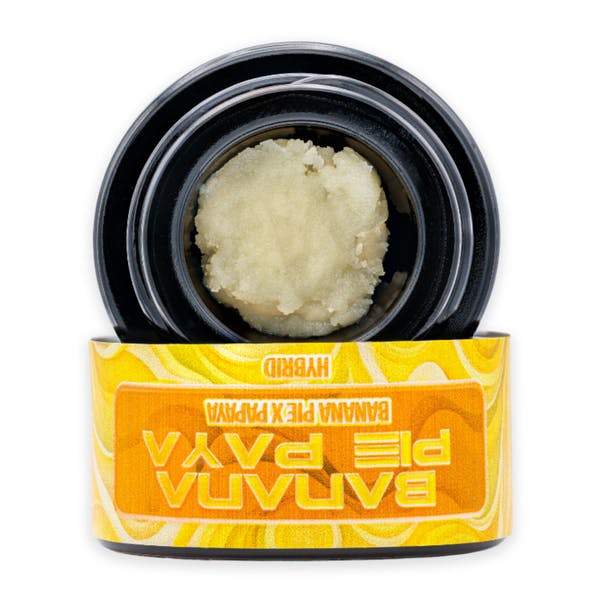
Bronx · Rosin
Best Rosin in Co-op City, Bronx
Co-op City, Bronx — the 10475 ZIP that stretches along Co-op City Boulevard and Bartow Avenue — is home to a quietly discerning cannabis community. Rosin, the solventless concentrate prized for its purity and full-spectrum depth, fits naturally into a neighborhood that values substance over spectacle. This guide covers everything adult-use shoppers in Section 5 and beyond need to know before buying.
About Rosin
Rosin occupies a distinct tier within the concentrate market. Unlike BHO or distillate, rosin is produced entirely without solvents — heat and pressure are applied directly to cannabis flower, hash, or kief, yielding an oil that preserves the plant's original terpene and cannabinoid profile with minimal intervention. The result is a product that concentrate enthusiasts frequently describe as the most faithful representation of the cultivar itself. New York's adult-use licensing framework, administered by the Office of Cannabis Management, requires that licensed producers meet strict testing standards for residual solvents, pesticides, and heavy metals. Because rosin is inherently solvent-free, it often sails through residual-solvent panels — though reputable consumers should still verify that any product they purchase carries a current, OCM-compliant certificate of analysis from an accredited third-party lab. That documentation is your clearest signal of a trustworthy product in this market. Within the rosin category, New York shelves now carry several distinct formats. Fresh-press rosin is extracted immediately after harvest and tends to be oilier and more aromatic. Cold-cure rosin rests at low temperatures after extraction, developing a badder or budder consistency that holds terpenes especially well. Live rosin — pressed from fresh-frozen rather than dried flower — commands a premium price point and delivers some of the most complex flavor profiles available in adult-use retail. Hash rosin, made from bubble hash rather than raw flower, refines the input material further and is generally considered the pinnacle of the category. Potency in licensed New York rosin typically ranges from roughly 65 to 85 percent total cannabinoids, though some hash rosin batches can climb higher. As with all high-potency concentrates, adult-use consumers new to this format are well-served by a start-low, go-slow approach — a grain-of-rice-sized portion is a reasonable starting reference point when establishing personal tolerance.
Rosin for Co-op City shoppers
Co-op City is one of the largest cooperative housing developments in the world, a community of roughly 55,000 residents spread across 35 towers and seven townhouse clusters that line the reaches of Co-op City Boulevard from the I-95 interchange all the way to the Pelham Bay border. The neighborhood has a particular density of working adults, retirees, and long-term families — people with refined preferences and a strong radar for value. In that context, rosin's positioning as a premium-but-purposeful product resonates: residents here tend to research before they buy and are unlikely to be swayed by marketing language alone. The Bronx winters that settle over Section 5 and Bartow Avenue are genuine — cold, sometimes blustery, and long. During those months, a warm apartment session with a quality dab rig or a vaporizer loaded with cold-cure rosin becomes a notably appealing evening ritual for those who consume. Conversely, the warmer months draw residents out toward Pelham Bay Park and the nearby Hutchinson River Parkway greenways, occasions where a discreet, portable vaporizer loaded with a small portion of rosin serves equally well. The commute profile matters here, too. Many Co-op City residents board the Bx28 or Bx31 bus or drive to the 5 train at Pelham Bay Park — commutes that can run 45 minutes to an hour into Midtown or Downtown. After that kind of day, concentrate consumers in this neighborhood are generally looking for a reliable, efficient evening experience rather than experimentation. Rosin delivers on that: the flavor is genuine, the effects arrive with intention, and there is no residual solvent question to second-guess.
What to look for
When evaluating rosin in New York's licensed market, terpene content is the most immediate quality signal. Look for products that disclose a terpene percentage — anything above two percent is considered expressive for a concentrate, and particularly aromatic batches may reach four or five percent in fresh-press or live rosin formats. Common terpenes to note include myrcene, which contributes an earthy, settling character; limonene, which adds a bright citrus brightness; caryophyllene, the only terpene that binds to CB2 receptors and which carries a peppery depth; and terpinolene, found in certain sativa-leaning cultivars and associated with a floral, slightly herbal quality. The specific combination of terpenes will shape the sensory experience far more than THC percentage alone. Format trade-offs matter practically for Co-op City shoppers. Live rosin, while the most expressive and complex, requires careful temperature-controlled storage — ideally in a dedicated concentrate container in a cool, dark spot, away from the steam-heat radiators common in older co-op units. Cold-cure badder is marginally more forgiving in warmer indoor environments. If your consumption method is a portable electronic vaporizer or a dedicated concentrate pen, look for rosin in a consistency loose enough to load easily — sauce or badder textures are generally more compatible than stiffer, crumble-like versions. ThC range is worth contextualizing: a 70 percent total cannabinoid rosin from a well-grown, thoughtfully processed cultivar will often deliver a more layered experience than an 82 percent product from a lower-quality input. Prioritize transparency — producers who share not just potency but terpene breakdowns and batch dates are the ones investing in quality at the source. In a neighborhood where residents are accustomed to doing their homework, that due diligence is simply good practice.
Why ZenZest for rosin in Co-op City
ZenZest Cannabis Dispensary operates a fully licensed adult-use location at 272-06 Union Tpke in Bellerose, Queens — approximately 11.1 miles from Co-op City's Section 5 corridor. The store carries a curated selection of New York-licensed concentrates, including rosin in multiple formats and from multiple producers, with staff who can speak to batch-specific terpene profiles and processing methods rather than simply pointing to the highest THC number on the label. For shoppers who want to examine options in person before committing to a premium purchase, the Queens location provides that considered retail environment. For 10475 residents who prefer to shop from home — particularly during the stretch of Bronx winter when Bartow Avenue is not at its most inviting — ZenZest extends free same-day delivery on orders over $100 to more than 80 New York ZIP codes. Rosin, which tends to be priced at a premium relative to other concentrate categories, often meets that threshold naturally. Orders are fulfilled by licensed delivery personnel in compliance with OCM regulations, arriving in discreet, compliant packaging. Adult-use customers must be 21 or older to receive a delivery.
ZenZest Queens · 272-06 Union Tpke, Bellerose, NY 11004 · 11.1 miles from Co-op City.
Live rosin for Co-op City
Full rosin menu →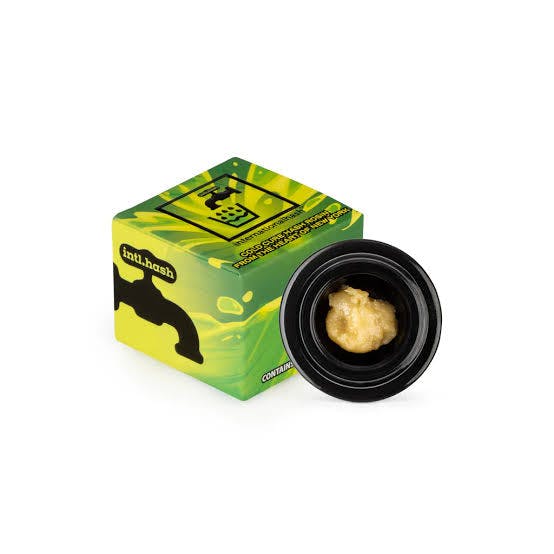
THC 75.73%Hybrid
INTERNATIONAL HASHInternational Hash | Cold Cure Hash Rosin | Grapefruit Hybrid · 1g
$66.37
$75after tax
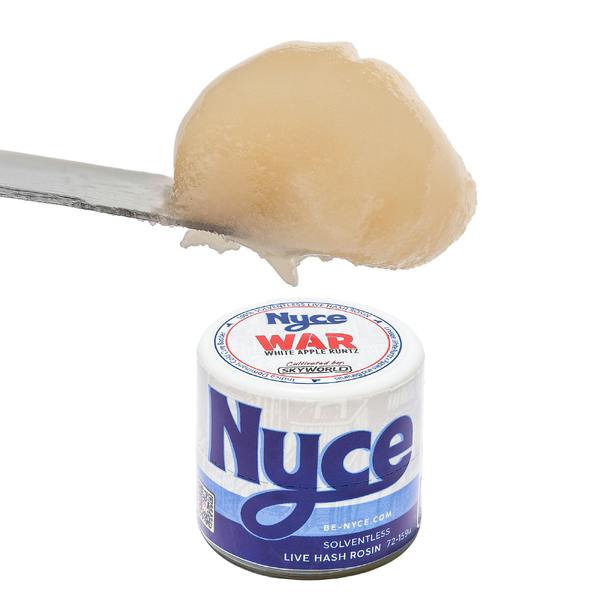
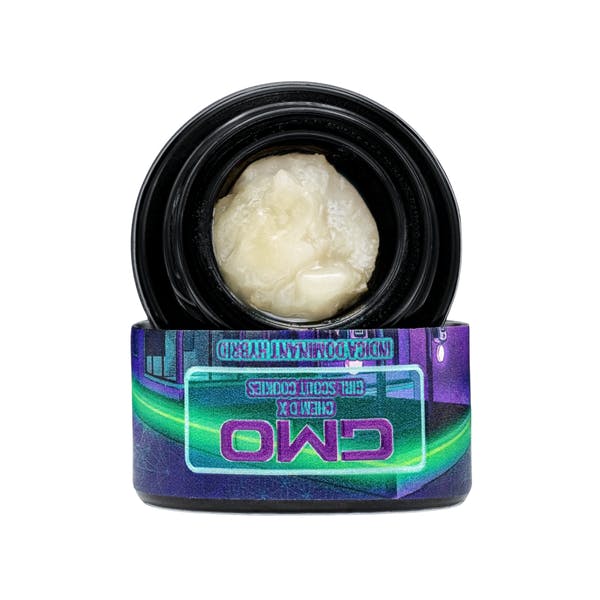
THC 77.52%Hybrid
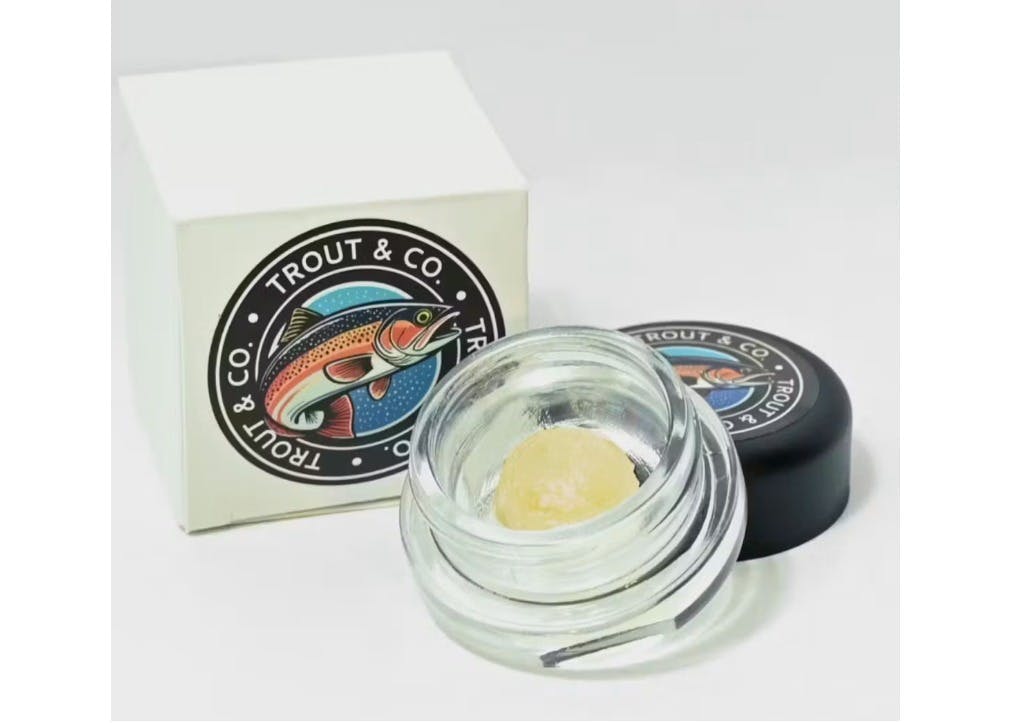
Trout & Co.Trout & Co. | Super Funk | Live Rosin Private Reserve · 1g
$88.50
$100after tax
Rosin in Co-op City — answers
What exactly makes rosin different from other concentrates sold at New York dispensaries?+
Rosin is produced exclusively through heat and mechanical pressure — no hydrocarbon solvents, no ethanol, no CO2 extraction. That solvent-free process means the finished product carries no residual chemical signatures from the extraction medium. For shoppers along Co-op City Boulevard who care about what is and is not in their cannabis product, that distinction is meaningful. Other concentrates, including many distillates and some live resins, involve solvent processes that require additional purging steps to meet safety thresholds.
Is rosin legal to purchase in the Bronx under New York's adult-use program?+
Yes. Rosin sold through an OCM-licensed dispensary is a lawful adult-use product for any customer aged 21 or older in New York State, including Bronx County. As with all adult-use cannabis, possession is limited to three ounces of cannabis or 24 grams of concentrated cannabis. Rosin falls under the concentrate category, so the 24-gram possession ceiling applies. Always purchase from a licensed retailer to ensure the product meets state testing and labeling standards.
How should I store rosin in a Co-op City apartment given the steam heating?+
Steam-heat systems common in Co-op City's older residential towers can raise indoor temperatures significantly in winter, which is not ideal for rosin storage. Terpenes, the aromatic compounds that define rosin's character, are volatile and will begin to degrade if a product is left in a warm environment for extended periods. Store rosin in an airtight silicone or glass concentrate container, placed inside a drawer or cabinet away from radiators. For longer-term storage, a dedicated small refrigerator section in an opaque container works well — just allow the product to return to room temperature before use.
What is the difference between live rosin and regular flower rosin?+
Standard rosin is pressed from dried and cured cannabis flower or hash. Live rosin begins with fresh-frozen plant material — harvested cannabis that is immediately frozen rather than dried — which preserves a broader and more volatile portion of the original terpene spectrum. The resulting product is generally more aromatic and more complex in flavor than dried-flower rosin. Live rosin commands a higher price point in the New York licensed market, and for flavor-forward concentrate consumers in 10475, it represents the category's premium tier.
What consumption method is best for rosin in a residential setting like Section 5?+
For home use in a Co-op City apartment, the two most common approaches are a traditional dab rig with a quartz banger and a portable electronic concentrate vaporizer. Dab rigs deliver the fullest terpene expression but require a torch, water, and some technique to manage temperature. Electronic vaporizers — often called e-rigs or wax pens — are easier to use consistently and produce less ambient odor, which is a practical consideration in shared residential buildings. For occasional consumers, a portable device with temperature control is often the more accessible entry point.
How do I read a rosin lab report to evaluate quality before buying?+
A compliant New York rosin product will carry a certificate of analysis from a licensed third-party testing facility. The key panels to review are total THC and CBD (reported as percentages), terpene profile with individual compound percentages, a residual solvent panel (which should show non-detect for rosin), and pesticide and heavy metal screens. Beyond potency, a terpene percentage above two percent generally indicates an expressive, well-processed batch. If a dispensary cannot provide a current COA for a product, that is a relevant signal about their approach to transparency.
What terpenes should a Co-op City rosin shopper pay attention to?+
Terpene preference is personal, but a few are worth knowing by name. Myrcene, one of the most common cannabis terpenes, carries an earthy, musky depth and is associated with heavier, more grounding character. Limonene brings citrus brightness and tends to appear in more uplifting cultivars. Caryophyllene, which has a peppery, spiced quality, is the only terpene known to interact with the endocannabinoid system's CB2 receptors. Terpinolene appears in certain cultivars and offers a floral, almost herbal note. For evening use after a long Bx28 commute, myrcene-dominant rosin is a common preference among seasoned concentrate consumers.
Is $100 a reasonable budget for rosin delivery to 10475 from ZenZest?+
The New York licensed rosin market typically prices flower rosin between roughly $40 and $70 per gram and live or hash rosin between $60 and $100 or more per gram, depending on the producer and the input material quality. A single gram of live rosin or two grams of a well-regarded flower rosin can reasonably bring an order to the $100 threshold that qualifies for ZenZest's free same-day delivery. For regular rosin consumers in Co-op City, that threshold is generally achievable without over-purchasing.
Can I have rosin delivered directly to my Co-op City building?+
Licensed cannabis delivery in New York is conducted to a residential address by an OCM-licensed delivery operator. Co-op City's ZIP code, 10475, falls within ZenZest's delivery zone. The practical consideration for high-rise buildings in Section 5 and across the development is ensuring someone 21 or older with valid ID is present to accept the delivery, as age verification is required at the door. Delivery is not permitted to common areas, lobbies unattended, or third parties. Confirm your building's receiving policies before scheduling.
How does rosin compare to vape cartridges for a Bronx adult-use consumer?+
Vape cartridges are the most broadly accessible concentrate format — pre-filled, draw-activated, and discreet. Rosin occupies a different position: it requires a separate device, more handling, and a higher initial investment in equipment. The trade-off is significant for those who pursue it, however. Licensed rosin preserves the full terpene spectrum in a way that many cartridges, particularly those based on distillate blended with botanical terpenes, do not. For Co-op City consumers who have moved through the cartridge category and want a more expressive, full-spectrum concentrate experience, rosin is the natural next category to explore.