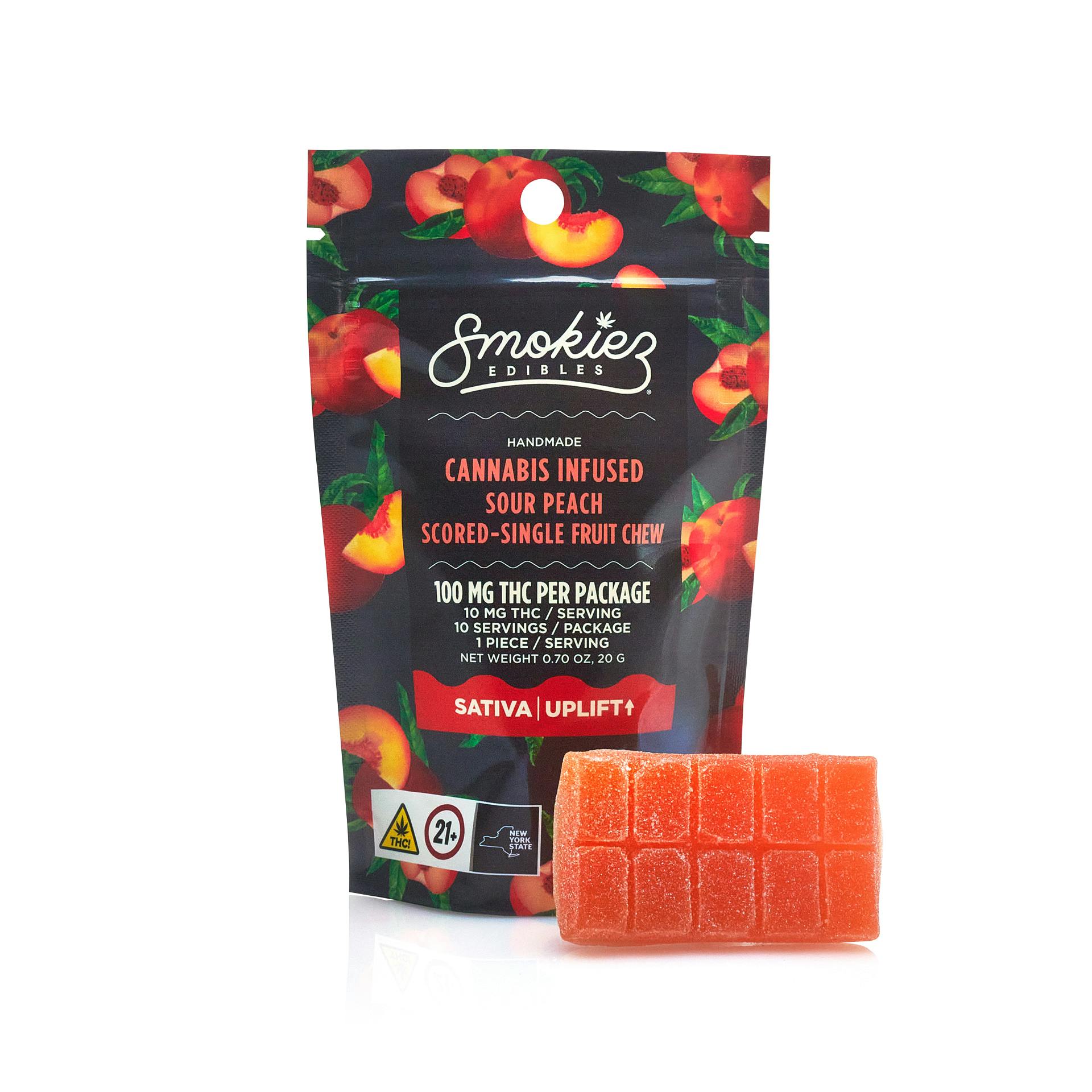
THC 0.4%·CBD 0.02%Sativa
Smokiez EdiblesSour Peach Sativa Scored-Single Piece 100mg THC Fruit Chew · .1g
$15.93
$18after tax

weeddispensarynearme.com
You must be 21 years or older to enter. By entering, you confirm you’re of legal age in your state to purchase cannabis.
For use only by adults 21+ • Keep out of reach of children
Co-op City's sprawling residential towers along Co-op City Boulevard and Bartow Avenue define one of the largest cooperative housing communities in the world — a neighborhood where quiet evenings at home and unhurried weekend routines call for a cannabis format that matches that measured pace. Edibles, with their slow onset and sustained effect, are a natural fit for 10475's deliberate, domestic rhythm.
About Edibles
Edibles occupy a distinct and sophisticated corner of the licensed New York cannabis market. Unlike flower or vaporizers, which deliver effects within minutes, an edible — whether a precisely dosed gummy, a chocolate square, or a flavored lozenge — passes through the digestive system before entering the bloodstream, typically producing onset anywhere from thirty minutes to two hours after consumption. That delayed arc is not a drawback; for many adults, it is precisely the point. The effect tends to arrive more gradually, settle more evenly, and linger considerably longer than inhaled formats, often spanning three to six hours depending on individual metabolism and the milligram strength chosen. New York's licensed adult-use market has matured rapidly since the state's Marihuana Regulation and Taxation Act came into effect, and the edible category reflects that maturity. State-compliant products are manufactured under strict testing protocols, meaning every package carries verified cannabinoid content — no guesswork about potency. Licensed retailers stock everything from low-dose 2.5 mg THC morsels designed for newcomers following a start-low, go-slow approach, to higher-milligram options for experienced consumers who understand their own tolerance well. Beyond THC, the edible shelf now features a growing range of cannabinoid profiles. CBD-dominant and balanced THC:CBD products offer different character; minor cannabinoids like CBG and CBN appear in formulations aimed at specific evening or daytime occasions. Terpenes, the aromatic compounds responsible for the nuanced effects of different cultivars, are increasingly preserved in full-spectrum and broad-spectrum edible formats, lending complexity that isolate-based products simply cannot match. For the adult-use consumer in New York, purchasing from a licensed retailer is the only path to verified, tested product. Every compliant edible sold in the state must carry proper labeling, child-resistant packaging, and a certificate of analysis traceable to a licensed processor — assurances the unlicensed market cannot provide.
Edibles for Co-op City shoppers
Co-op City is, at its core, a community built around home life. The Section 5 towers rise above a landscape of playgrounds, community rooms, and the quiet walkways connecting Building 1 through the Baychester end of the development. Residents here tend to keep their routines close to home — a walk along Co-op City Boulevard to the shopping center, an evening on a high-floor terrace watching the Hutchinson River Parkway lights blur into the distance. That rhythm maps naturally onto edibles, which reward patience and a settled environment rather than a quick session before a commute. The Bronx winters that sweep in off the water near Pelham Bay make outdoor cannabis consumption impractical for much of the year. An edible requires no lighter, no balcony trip in February, and no lingering aroma in a hallway — considerations that matter acutely in a cooperative housing community where shared walls and building rules shape daily decisions. A gummy tucked into an evening wind-down routine, or a low-dose chocolate enjoyed with coffee on a Saturday morning before walking over to Bartow Avenue's shops, integrates cleanly into the domestic texture of 10475 life. Demographically, Co-op City is a mixed, multi-generational neighborhood. The adult-use cannabis consumer here may be a working professional returning on the BxM10 express bus, a retiree seeking a measured evening option after decades away from the category, or a younger resident curious about licensed products for the first time. Edibles speak to all three profiles: approachable for newcomers at low doses, convenient for the commuter who prefers discretion, and nuanced enough at the premium end to reward the discerning palate.
What to look for
Choosing an edible begins with understanding milligram dosing in relation to your own experience. New York licensed products commonly offer individual serving sizes of 2.5 mg or 5 mg THC, and seasoned guidance consistently points toward starting at the lower end — particularly for anyone whose relationship with cannabis has been intermittent or who is trying a new product format. The oft-repeated principle applies here: start low, go slow, and allow a full two hours before considering any additional serving. Beyond milligrams, terpene profile matters more than many first-time edible buyers realize. A full-spectrum gummy made with live rosin or a solventless extract preserves the cultivar's original terpene signature — myrcene for a more grounded, body-oriented experience; limonene for something brighter and more uplifting; linalool lending a calm, floral character well-suited to evening use. Isolate-based edibles, by contrast, deliver THC without those supporting compounds, producing what some consumers describe as a flatter, less textured effect. For Co-op City residents settling in for a long winter evening or a slow Sunday, a full-spectrum option is worth the modest premium. Format trade-offs also deserve consideration. Gummies are the most portable and precisely dosed, ideal for the resident who wants consistency across sessions. Chocolates and baked goods tend to have slightly more variable absorption due to fat content, which can affect onset timing. Nano-emulsified formats — increasingly common in licensed NY products — advertise faster onset closer to 15 to 30 minutes, which suits those who dislike the uncertainty of a long wait. Hard candies and lozenges, absorbed partially through the mucous membranes, also fall in this faster-onset range and can be a practical choice for someone who wants a more predictable experience.
Why ZenZest for edibles in Co-op City
For Co-op City residents shopping the licensed New York edibles market, ZenZest Cannabis Dispensary's Queens location at 272-06 Union Tpke, Bellerose, NY 11004 sits approximately 11.1 miles away — a manageable trip by car via the Hutchinson River Parkway south and across the Whitestone Bridge corridor, or a straightforward rideshare from Bartow Avenue on a weekend afternoon. The Queens store carries a curated selection of adult-use licensed edibles spanning gummies, chocolates, and specialty formats, with staff prepared to walk through cannabinoid profiles and format differences without pressure. For residents who prefer not to make the trip — and given Co-op City's self-contained character, many will — ZenZest offers free same-day delivery on orders over $100 to more than 80 eligible New York ZIP codes, with 10475 among them. Ordering online allows Co-op City adults to browse the full edible menu at their own pace, review lab-tested potency details, and have licensed, verified product delivered directly to their building. It is a seamless option for a neighborhood that has always valued the convenience of having everything within reach.
ZenZest Queens · 272-06 Union Tpke, Bellerose, NY 11004 · 11.1 miles from Co-op City.
$18after tax
![Camino Watermelon Lemonade 'Bliss' Gummies [20pk]](https://images.dutchie.com/784ad668d8cf5b104851579e177db040)
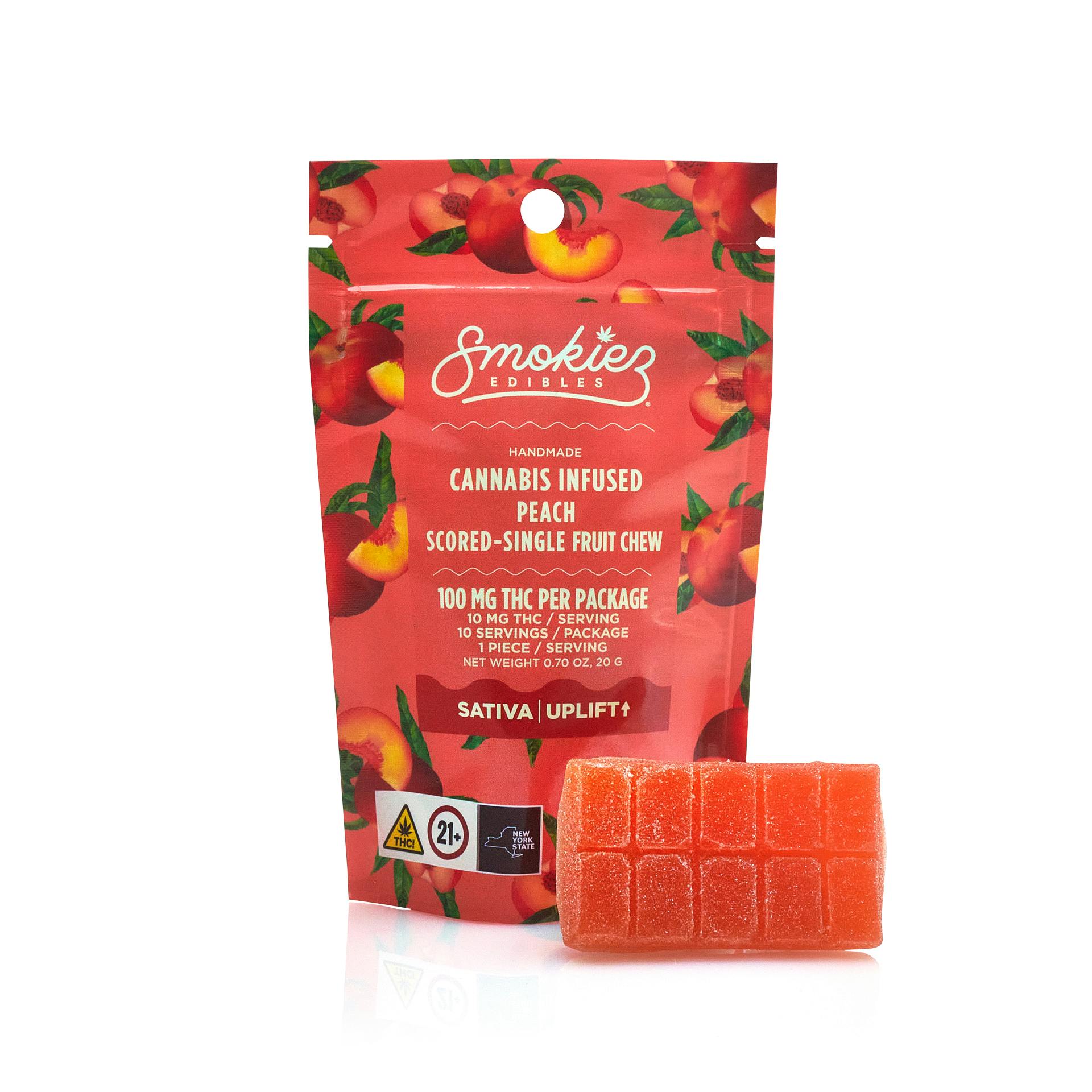
$18after tax
![Camino Sours 'Deep Sleep' Blackberry Dream CBN Gummies [10pk] (100mg THC : 30mg CBN)](https://images.dutchie.com/88925280440378318d0366cdc8800104)
$34after tax
![Quick Strawberry Margarita 1:1 CBD/THC Gummies [10-Pack] | 100mg](https://images.dutchie.com/2d90db499f7c87c8e32f994e47a1590d)
$32after tax
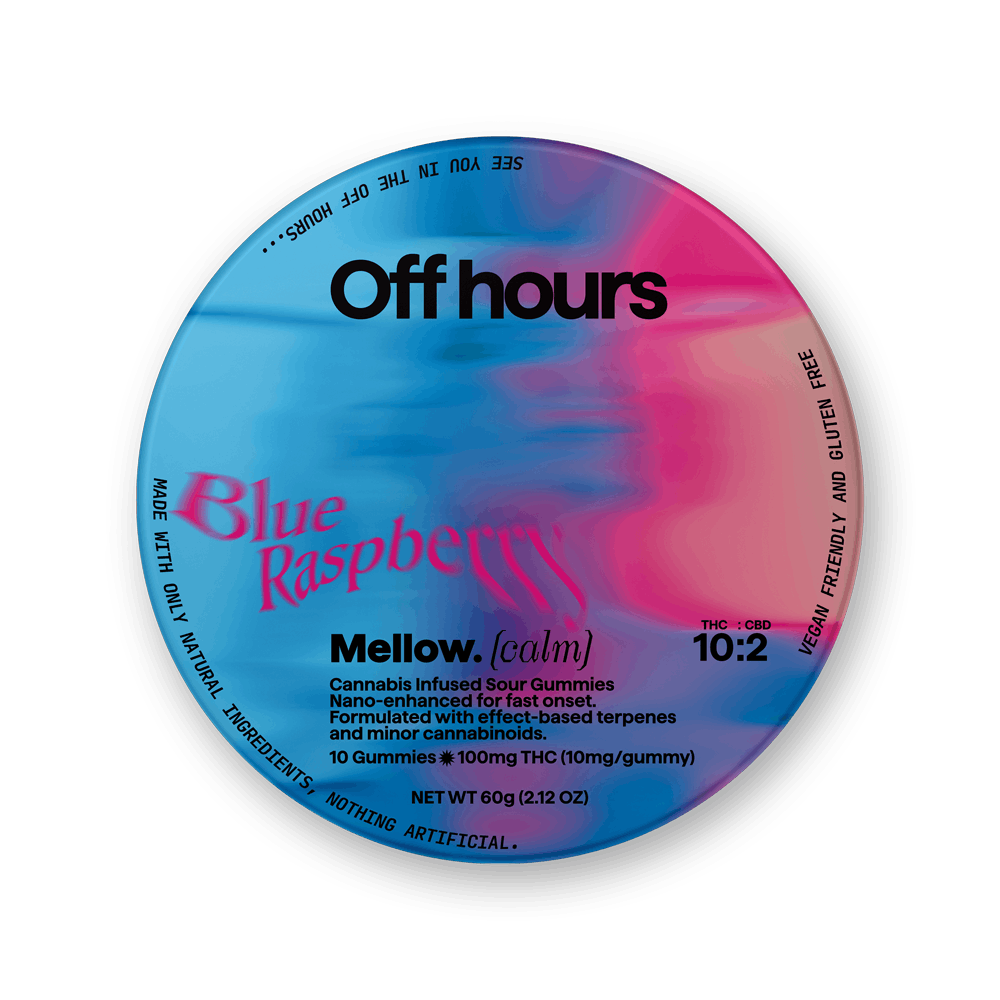
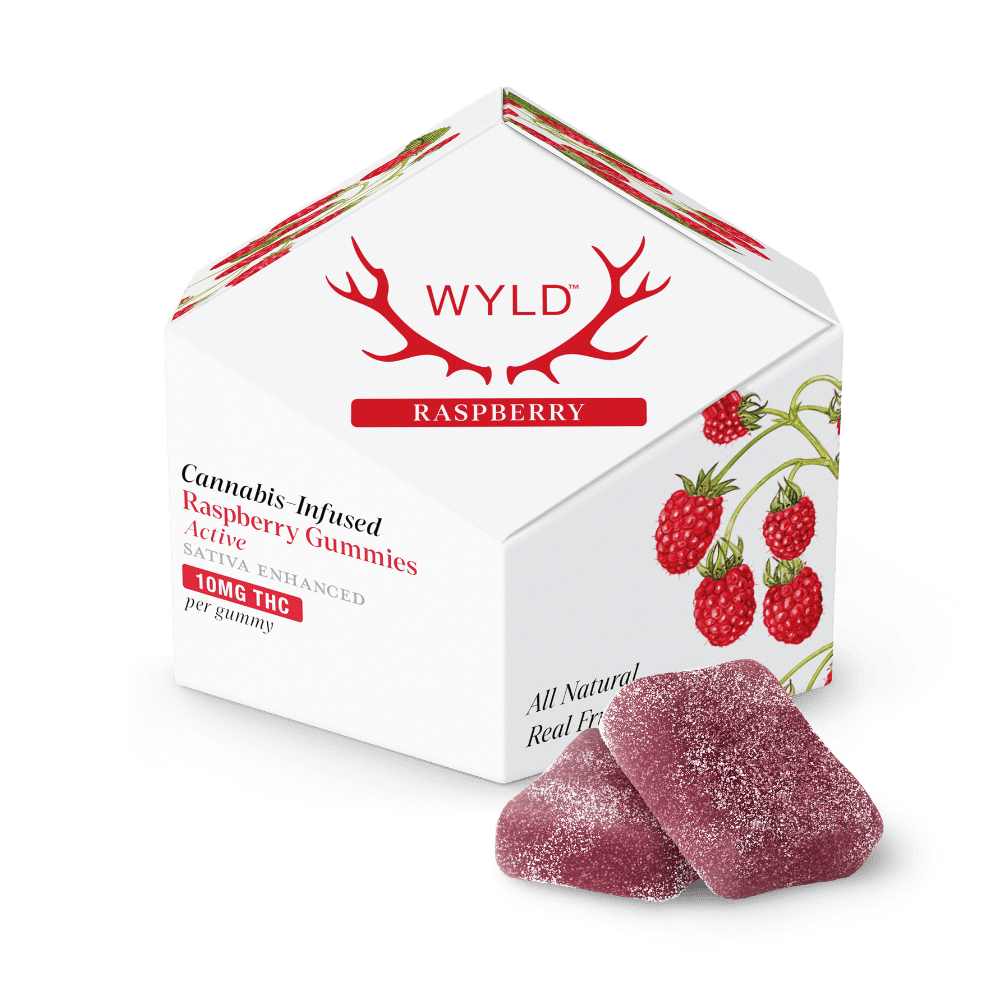
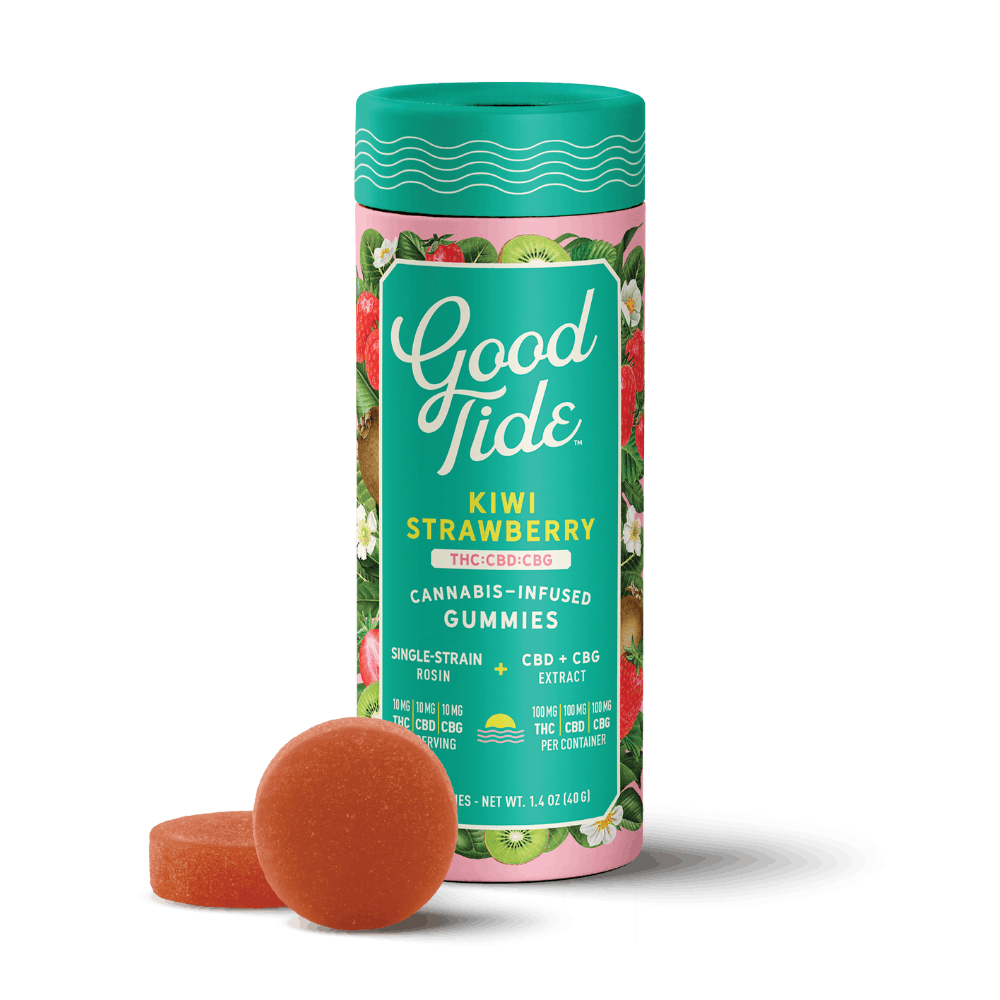
$32after tax
Co-op City's cooperative housing environment makes discretion a practical priority — shared hallways, close-set buildings, and community rules make odor-producing formats less convenient. Edibles produce no smoke, no vapor, and no lingering aroma, which makes them a natural fit for daily life in the 10475 towers. Combined with their long-lasting effect, which suits a home-based evening routine, edibles align well with the neighborhood's unhurried, domestic character.
Most edibles absorbed through the digestive system take between 30 minutes and two hours to produce noticeable effects, with considerable variation based on individual metabolism, body composition, and whether the edible was consumed on an empty or full stomach. Nano-emulsified products and lozenges absorbed sublingually or buccally can act more quickly, sometimes within 15 to 30 minutes. First-time or returning consumers should allow the full two-hour window before drawing any conclusions about whether a serving was sufficient.
New York's adult-use market offers single-serving products as low as 2.5 mg THC, which is widely regarded as the most appropriate starting point for anyone new to edibles or returning after a long break. A 5 mg serving is a common standard dose, though even that can produce unexpectedly strong effects in individuals with low tolerance. The guiding principle across the licensed industry is to start low and go slow — there is no advantage to exceeding a comfortable dose, and the delayed onset of edibles makes overconsumption a real risk without patience.
A full-spectrum edible is made with an extract that retains the original cultivar's full range of cannabinoids and terpenes alongside THC, including trace amounts of other minor cannabinoids and aromatic compounds. Many consumers describe the resulting effect as more nuanced and textured — sometimes referred to as the entourage effect. An isolate-based edible uses pure THC or CBD extracted in isolation, delivering a cleaner but arguably simpler experience. For Co-op City residents looking for complexity in their evening routine, full-spectrum or broad-spectrum options are generally worth exploring.
Yes. ZenZest Cannabis Dispensary offers free same-day delivery on qualifying orders over $100 to more than 80 New York ZIP codes, and 10475 is among the eligible areas. Licensed delivery ensures the product you receive is fully compliant, lab-tested, and properly packaged — the same standards that apply to in-store purchases. Residents can browse ZenZest's edible menu online, review cannabinoid content and product details, and place an order without leaving their building.
Yes. All adult-use cannabis products sold through New York State-licensed retailers must pass third-party laboratory testing and carry verified cannabinoid content on their labeling. This is one of the most meaningful distinctions between licensed dispensary products and unlicensed alternatives — consumers can trust that a package labeled 10 mg THC per serving has been independently verified to contain that amount, within state-mandated tolerance ranges. Certificates of analysis are typically available through the retailer or manufacturer's website.
Yes, and the selection is growing. Balanced THC:CBD products — commonly in 1:1 ratios — are available at most licensed New York dispensaries, including in gummy and chocolate formats. Many consumers find that CBD modulates the intensity of THC's effects, producing a more grounded experience that some describe as less likely to feel overwhelming. For Co-op City residents new to the category or those who found high-THC products uncomfortable in the past, a balanced-ratio edible is a considered starting point worth discussing with a dispensary staff member.
Licensed edibles should be stored in their original child-resistant packaging, away from direct heat and sunlight. A cool, dark location — a kitchen cabinet or a drawer away from the stove — is ideal for most gummy and chocolate products. Humidity should be kept moderate; Co-op City's indoor heating during Bronx winters can dry out the air considerably, so edibles stored for longer periods benefit from a sealed container. Proper storage preserves both potency and flavor, and always keeps products inaccessible to minors.
For a settled, calm evening experience, look for edibles made from cultivars or extracts high in myrcene, linalool, or beta-caryophyllene. Myrcene, one of the most common cannabis terpenes, is associated with a grounding, body-forward quality. Linalool, also found in lavender, carries a floral, tranquil character. Beta-caryophyllene, which also appears in black pepper and cloves, interacts with the endocannabinoid system in a distinctive way and is often found in evening-oriented formulations. Full-spectrum products will note terpene profiles on their certificates of analysis.
Yes, and it is worth understanding before your first session. Consuming an edible on an empty stomach typically accelerates absorption, meaning effects may arrive sooner and feel more pronounced. Eating an edible after a full meal, particularly one with fat content, can slow absorption and may actually increase the bioavailability of fat-soluble cannabinoids like THC. For beginners in Co-op City trying their first licensed edible, consuming after a light meal is often recommended — it moderates the onset curve and makes the experience more predictable and manageable.
Pick your store
We'll show pricing, deals, and delivery zones for the store you pick. You can switch any time from the header.