On sale· 20% OFF
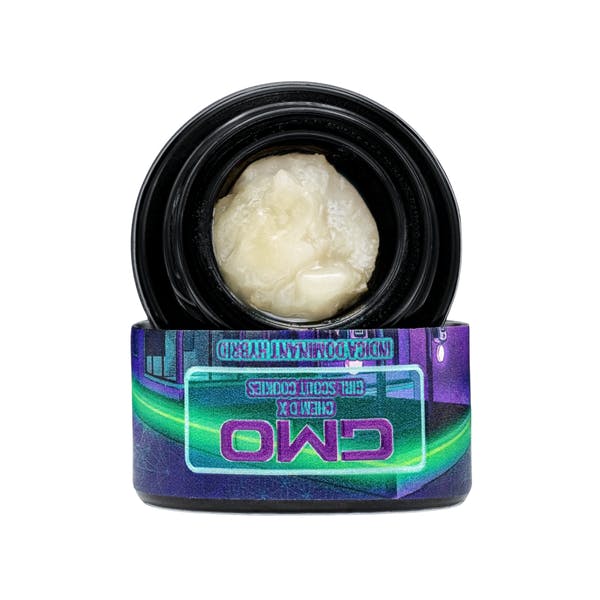
THC 70.7%Indica-Hybrid
UmamiiUmamii | Live Rosin Jar | GMO · 2g
$80.00$100.00
$93after tax

weeddispensarynearme.com
You must be 21 years or older to enter. By entering, you confirm you’re of legal age in your state to purchase cannabis.
For use only by adults 21+ • Keep out of reach of children
Clifton, Staten Island's east-shore corridor — where Bay Street meets the salt air off Upper New York Bay and Vanderbilt Avenue anchors a quietly evolving neighborhood — has developed a discerning appetite for solventless cannabis concentrates. Rosin, pressed from flower or hash without a drop of chemical extraction, fits the sensibility of a community that values craft, transparency, and a clean finish over mass-market shortcuts.
About Rosin
Rosin occupies a singular position in the New York licensed cannabis market precisely because of what it lacks: solvents. Unlike butane hash oil or propane-extracted concentrates, rosin is produced entirely through the application of heat and pressure — a process that preserves the full terpene and cannabinoid profile of the source material without introducing residual chemicals into the final product. The result is a concentrate that reads, on paper and in the body, as one of the most faithful representations of the original cultivar available to adult-use consumers. New York's Office of Cannabis Management licenses a growing roster of processors who produce rosin in several distinct formats. Flower rosin, pressed directly from dried and cured cannabis, offers accessible entry pricing and approachable viscosity. Bubble hash rosin — sometimes labeled ice water hash rosin — begins with a mechanical separation process that isolates trichome heads before the press, yielding a product with greater terpene density and a more complex aromatic profile. Full-melt or six-star-grade hash rosin represents the apex of the category, commanding premium price points and near-complete terpene expression. Badder, jam, and cold-cure rosin are further refinements achieved through controlled temperature manipulation after the press, each offering different textures and release profiles. For consumers navigating New York dispensary shelves in 2024 and 2025, the licensed market has matured considerably. State-compliant lab testing means every unit carries a verified cannabinoid panel and — increasingly — terpene percentages, giving shoppers real data to guide their selections. The shift toward rosin among experienced concentrate consumers reflects a broader interest in what the industry calls "live" or "fresh-frozen" inputs, where plants harvested at peak terpene content are immediately frozen to lock in volatile aromatic compounds before processing.
Rosin for Clifton shoppers
Clifton sits at a particular intersection of Staten Island geography and culture that makes solventless concentrates an unexpectedly natural fit. The neighborhood's east-shore position along Upper New York Bay means residents carry a certain relationship with the outdoors — the waterfront, the kill van kull views from the higher streets above Vanderbilt Avenue, the open-air commute on the Staten Island Ferry that lands many Clifton residents in Lower Manhattan before nine in the morning. People here tend to be deliberate about what they consume, in large part because the pace of the neighborhood, quieter than the North Shore's more commercial corridors and less suburban than the island's interior, allows for it. The adult-use consumer in Clifton skews toward someone who has done the research. Bay Street's gradual evolution — independent food businesses, small-batch retail, a general preference for provenance over brand noise — mirrors exactly the mindset that gravitates toward rosin over distillate-filled vape cartridges. A concentrate with a documented cultivar lineage, a named processor, and a visible terpene percentage feels at home here in the same way that a wine with a named vineyard and vintage does. Seasonality matters on the east shore. Winter months bring sharp, wet wind off the bay, making at-home sessions the dominant consumption pattern from November through March. Rosin's desktop-dab format suits this well — a quality e-rig or dab setup at home in the 10304 or 10305 ZIP codes makes the most of a concentrate format that genuinely rewards slower, more intentional use. Warmer months open up the neighborhood's outdoor spaces, where discreet, portable consumption shifts some demand toward rosin-infused pre-rolls and infused blunts that local licensed retailers increasingly carry.
What to look for
Selecting a rosin in a licensed New York dispensary requires a slightly different framework than shopping for flower or edibles. The first variable to examine is the starting material. Flower rosin will typically display higher THC percentages on the label — often in the 60–75 percent range — but that figure can be somewhat misleading; the terpene content, which drives the aromatic and experiential character of the product, is frequently richer in hash rosin made from quality bubble hash. When a lab panel lists total terpenes above four or five percent, that is a meaningful signal about the complexity of what you are purchasing. Terpene profile is the second and arguably more important consideration. Myrcene-forward rosins tend toward what experienced consumers describe as a heavier, more grounding effect; limonene and terpinolene profiles present a brighter, more uplifting character; caryophyllene adds a peppery, resinous depth that many find balancing. None of these are medical claims — they are aromatic and anecdotal markers that help experienced consumers calibrate their selections. For someone commuting via the ferry from Clifton to Manhattan and returning in the evening, a myrcene-dominant, indica-leaning rosin may fit end-of-day use better than a terpinolene-heavy sativa-forward option that suits a weekend afternoon. Format trade-offs are worth considering for east-shore shoppers specifically. A cold-cure badder is workable at room temperature and easy to portion with a dab tool; a fresh-press rosin may be more fluid, requiring refrigeration to maintain texture. Sauce-style rosins tend to separate into a terpene-rich liquid fraction and a crystalline THCA component, which some consumers find appealing and others find fussy to handle. As a general orientation for anyone new to concentrates: start with a very small portion — the "start low, go slow" principle is especially relevant in a category where potency is substantially higher than flower.
Why ZenZest for rosin in Clifton
ZenZest Cannabis Dispensary on Forest Avenue — Staten Island's premier licensed adult-use retailer — sits approximately 4.1 miles from Clifton's Bay Street and Vanderbilt Avenue corridor, making it the nearest state-licensed option for residents in the 10304 and 10305 ZIP codes seeking a curated rosin selection. ZenZest Staten Island, located at 2343 Forest Ave, maintains a concentrate case that reflects the seriousness with which New York's licensed market has embraced solventless products, with staff trained to walk shoppers through terpene panels and processing methods rather than defaulting to generic recommendations. For Clifton residents who prefer not to make the drive, ZenZest offers free same-day delivery on orders over one hundred dollars to more than eighty New York ZIP codes — a coverage area that includes Clifton and the surrounding east-shore neighborhoods. Rosin's premium price point means that a single quality purchase often meets the delivery threshold without requiring additional items, making this one of the more practical delivery categories in the entire concentrate segment. Orders can be placed through ZenZest's platform, and the same-day window is well-suited to the neighborhood's working-commuter demographic.
ZenZest Staten Island · 2343 Forest Ave, Staten Island, NY 10303 · 4.1 miles from Clifton.
$93after tax
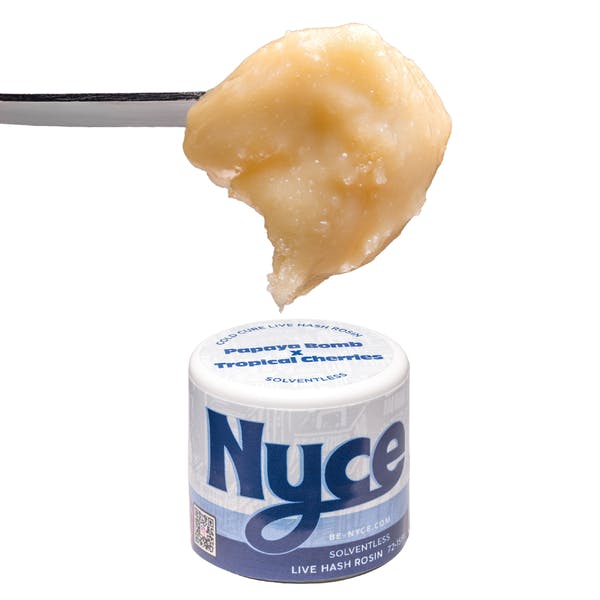
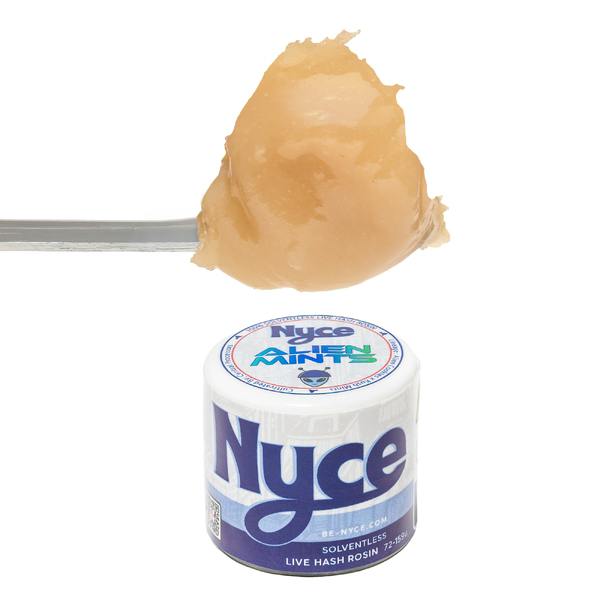
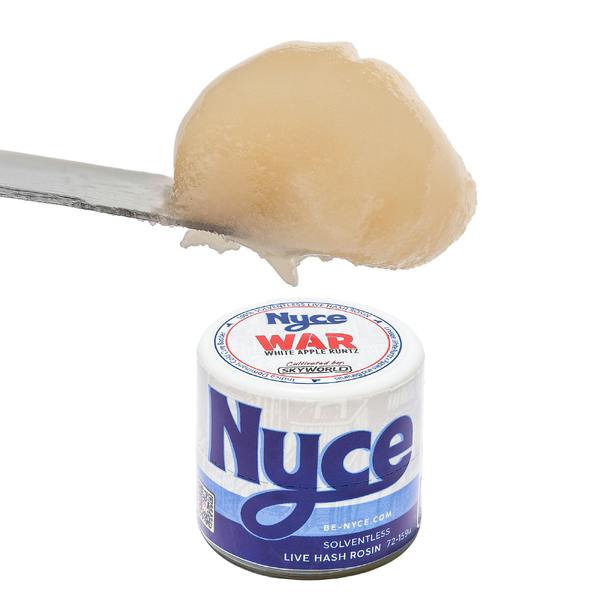
Rosin is produced exclusively through heat and pressure applied to cannabis flower or hash — no butane, propane, ethanol, or CO2 enters the process at any stage. For Clifton consumers who are already thoughtful about food provenance along the Bay Street corridor, the transparency of the process is part of the appeal. New York's licensed dispensary products all carry lab testing, but solventless production eliminates the variable of residual solvents entirely, leaving only plant-derived compounds in the final concentrate.
Hash rosin begins with ice-water-extracted trichome heads rather than whole flower, which concentrates the aromatic compounds before a single gram of pressure is applied. The result is typically richer in terpenes and often described as smoother in vapor quality. For a first-time buyer in the 10304 or 10305 ZIP codes, flower rosin is a sensible starting point — it is more accessible in price and still a significant step above solvent-extracted options. Hash rosin is worth the premium once you have a baseline sense of the category.
Myrcene is the terpene most commonly associated with heavier, more relaxing aromatic profiles and appears frequently in indica-leaning cultivars. Linalool, a floral compound, and beta-caryophyllene, which presents as peppery and resinous, are secondary markers worth noting on concentrate panels. These are aromatic descriptors, not medical guidance — but they give experienced consumers a consistent vocabulary for navigating the shelves at ZenZest Staten Island after a long ferry commute from Lower Manhattan.
Rosin is sensitive to both heat and moisture. Cold-cure badder and fresh-press rosin should be stored in airtight silicone or glass containers in a refrigerator or cool, dark cabinet. During Clifton's summer months, when bay humidity can work its way into apartments and homes along the east shore, refrigeration is particularly advisable to prevent texture changes and terpene degradation. Allow the product to come to room temperature before use to restore workable consistency without applying direct heat.
Yes. ZenZest Cannabis Dispensary offers free same-day delivery on orders over one hundred dollars to more than eighty New York ZIP codes, which includes Clifton's 10304 and 10305 ZIP codes. Rosin's premium pricing means a single quality gram or a two-gram purchase typically reaches the delivery threshold. Delivery is to verified adult-use customers aged 21 and older, consistent with New York state adult-use regulations.
A traditional dab rig with a quartz banger or an electronic nail device offers the most controlled temperature experience and is generally preferred by experienced concentrate consumers. For those in Clifton who are not ready to invest in a full dab setup, rosin can be layered into a bowl of ground flower or incorporated into a hand-rolled joint — commonly called "twaxing." Rosin-infused pre-rolls available at licensed New York dispensaries offer a ready-made version of this format without any additional equipment.
Rosin typically tests in the 60–80 percent total cannabinoid range, compared to the 18–28 percent range common for premium New York flower. This difference is significant, and the "start low, go slow" principle applies directly — a portion the size of a small grain of rice is an appropriate starting point for someone new to concentrates. The higher potency also means that a single gram of quality rosin offers a substantially greater number of individual servings than a gram of flower.
New York's licensed processing sector has expanded meaningfully since 2023, and licensed dispensaries including ZenZest Staten Island carry products from state-licensed processors who operate under OCM oversight. Staff at the Forest Avenue location are a practical resource for identifying which processors currently have stock, as rosin availability shifts with harvest cycles and small-batch production runs. Asking specifically about the batch date and starting material type — flower versus hash — helps identify the freshest and most aromatic options available.
Yes, and texture is one of the most practically important variables when shopping the concentrate case. Cold-cure badder has a soft, whipped consistency that is easy to portion at room temperature. Fresh-press rosin is more fluid and often served in a small jar; it benefits from refrigeration to hold shape. Sauce-style rosin separates into a terpene-rich liquid layer and a crystalline THCA component, which appeals to consumers who want to use each fraction independently. For Clifton residents who want the simplest daily handling, cold-cure badder is usually the most user-friendly format.
Rosin is, in many respects, one of the more approachable entries into the concentrate category for an experienced flower consumer — primarily because its aromatic profile is closer to the source plant than many solvent-extracted alternatives. That said, the potency difference is not trivial, and new concentrate users consistently benefit from beginning with a portion well below what feels intuitive. New York's adult-use dispensaries are staffed to assist with exactly this kind of calibration conversation, and ZenZest Staten Island's team can help a flower-to-concentrate transition feel measured rather than abrupt.
Pick your store
We'll show pricing, deals, and delivery zones for the store you pick. You can switch any time from the header.