
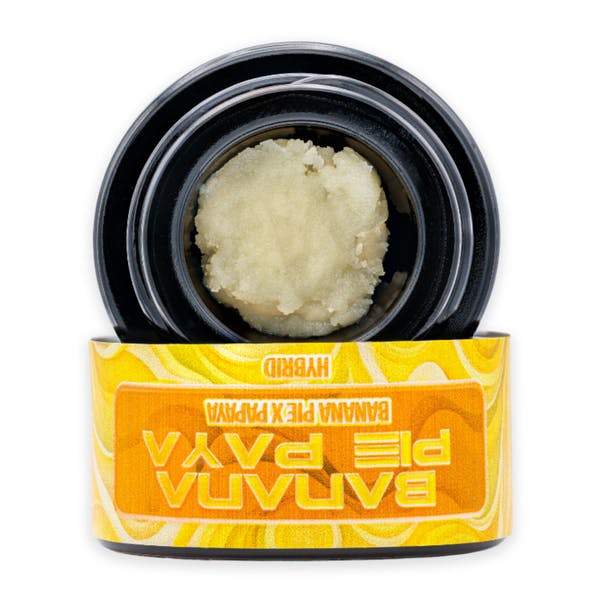
Bronx · Rosin
Best Rosin in Castle Hill, Bronx
Castle Hill, where Bruckner Boulevard meets the rhythm of Westchester Avenue, has quietly become one of the Bronx's most discerning neighborhoods for adult-use cannabis. Rosin — solventless, full-spectrum, and pressed with precision — is the concentrate that serious enthusiasts here reach for first. Here is what to know before you shop.
About Rosin
Rosin occupies a singular position in the New York licensed cannabis market. Unlike hydrocarbon extracts that rely on butane or propane as a solvent, rosin is produced entirely through heat and pressure, leaving behind a concentrate that carries the plant's original terpene and cannabinoid profile with remarkable fidelity. The result is a product that experienced consumers often describe as the most honest expression of a cultivar available in concentrate form. New York's Office of Cannabis Management requires all adult-use products sold through licensed dispensaries to pass rigorous testing for residual solvents, heavy metals, pesticides, and microbial contaminants. For rosin, the solvent-free nature of production already eliminates one major testing category from concern, which is part of the reason why enthusiasts who care about ingredient transparency tend to gravitate toward it. What remains is a certificate of analysis focused on potency, terpenes, and microbials — a cleaner readout for a cleaner product. Format-wise, rosin arrives in several distinct textures depending on post-press handling: fresh-press rosin is collected immediately and tends toward a saucy, pourable consistency; cold-cure rosin is rested at low temperatures to develop a budder or batter texture; and live rosin is made from fresh-frozen flower, preserving a terpene complexity that rivals the aroma of the living plant. Each format suits a slightly different consumption style, from dabbing on a quartz banger to loading into a purpose-built rosin vaporizer. In a licensed New York dispensary, you will typically find rosin sold in half-gram and full-gram jars, with prices that reflect the labor-intensive production process. Expect premium positioning on the shelf — this is not the entry-level concentrate category, and shoppers who approach it as such tend to be disappointed by the price point before they understand the craft involved.
Rosin for Castle Hill shoppers
Castle Hill carries the energy of a neighborhood always in motion. Westchester Avenue is a commercial spine where bodegas, Dominican kitchens, and transit stops create a daytime density that softens only late in the evening. Bruckner Boulevard marks the neighborhood's edge with the low industrial hum of expressway traffic, while Castle Hill Avenue itself threads through residential blocks where three-family homes sit close together and summer evenings spill out onto stoops and small front yards. For adults 21 and over who live and unwind here, rosin's appeal fits naturally into the after-work rhythm of the neighborhood. Someone commuting back from Midtown or the South Bronx on the 6 train, stepping off near Westchester Avenue, wants a product that delivers a full, nuanced experience without the harshness associated with lower-quality extracts. Rosin's smooth, terpene-forward vapor or dab profile suits that unwinding occasion well — a single small dab in the evening carries considerably more per milligram than a pre-roll, meaning less is needed to achieve the desired effect. The ZIP codes 10472 and 10473 also encompass pockets near Pugsley Creek Park and the waterfront, where warm-weather evenings draw residents outdoors. Rosin's compact, jar-based format travels well — a gram of concentrate weighs almost nothing and requires only a portable device, making it a practical choice for those who want discretion and portability alongside potency. As with all concentrates, first-time rosin users are encouraged to start low and go slow, as the potency profile differs significantly from flower.
What to look for
Selecting a quality rosin begins with reading the certificate of analysis, which any licensed New York dispensary is required to make available. The first thing to examine is the terpene panel. High-quality rosin will show a robust and varied terpene profile — look for totals often exceeding two or three percent by weight, with named compounds such as myrcene, limonene, caryophyllene, linalool, or terpinolene depending on the cultivar. These terpenes are not merely aromatic markers; they interact with cannabinoids in ways that shape the character of the experience, a phenomenon often discussed as the entourage effect. THC potency in rosin typically ranges from the high fifties to the mid-eighties on a percentage basis depending on the starting material and the press technique. Higher THC does not automatically indicate a superior product — a well-rounded terpene profile at sixty-five percent THC will often deliver a richer experience than a stripped-down extract testing at eighty percent. Shoppers on Castle Hill Avenue who are newer to concentrates may find that mid-range potency rosin with a strong terpene panel is a more satisfying starting point than chasing the highest number on the label. Consider the texture and intended use method as well. Cold-cure budder-style rosin is forgiving to work with and loads easily onto a dab tool or into a rosin-specific cartridge system. Live rosin sauce is more fluid and better suited to experienced dabbers comfortable with a rig and torch setup. For residents with a casual evening-use mindset — perhaps after a long shift or before a quiet weekend — cold-cure or fresh-press rosin in a small, half-gram jar offers the most approachable entry point into solventless concentrates without requiring specialized equipment.
Why ZenZest for rosin in Castle Hill
ZenZest Cannabis Dispensary serves Castle Hill and the surrounding Bronx neighborhoods through its Queens location at 272-06 Union Tpke in Bellerose — approximately 9.4 miles from the heart of Castle Hill, a manageable trip by car via the Throgs Neck Bridge approach or easily mapped via Queens-bound surface routes. The store carries a curated selection of licensed New York rosin, with staff who can walk shoppers through certificates of analysis, cultivar backgrounds, and texture differences between cold-cure, fresh-press, and live rosin formats. For residents in ZIP codes 10472 and 10473 who prefer to shop from home, ZenZest offers free same-day delivery on qualifying orders over $100, serving more than eighty New York ZIP codes. Ordering online allows Castle Hill shoppers to browse the full rosin menu at their own pace, compare terpene panels side by side, and have product arrive the same day without navigating expressway traffic. Adult-use purchases require age verification at the door or upon delivery — 21 and over only.
ZenZest Queens · 272-06 Union Tpke, Bellerose, NY 11004 · 9.4 miles from Castle Hill.
Live rosin for Castle Hill
Full rosin menu →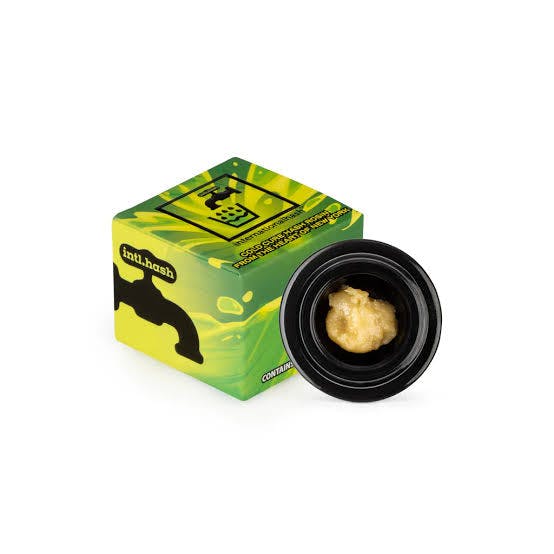
THC 75.73%Hybrid
INTERNATIONAL HASHInternational Hash | Cold Cure Hash Rosin | Grapefruit Hybrid · 1g
$66.37
$75after tax
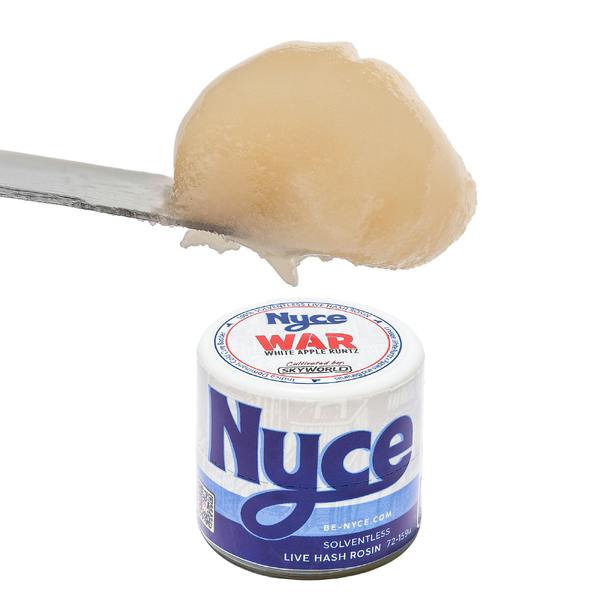
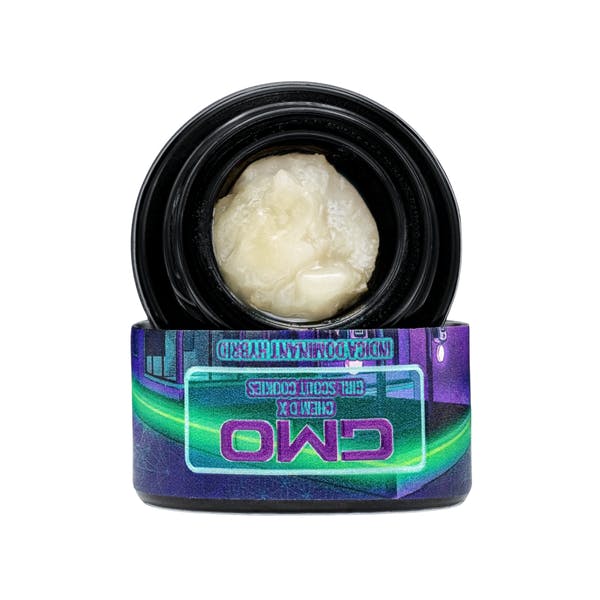
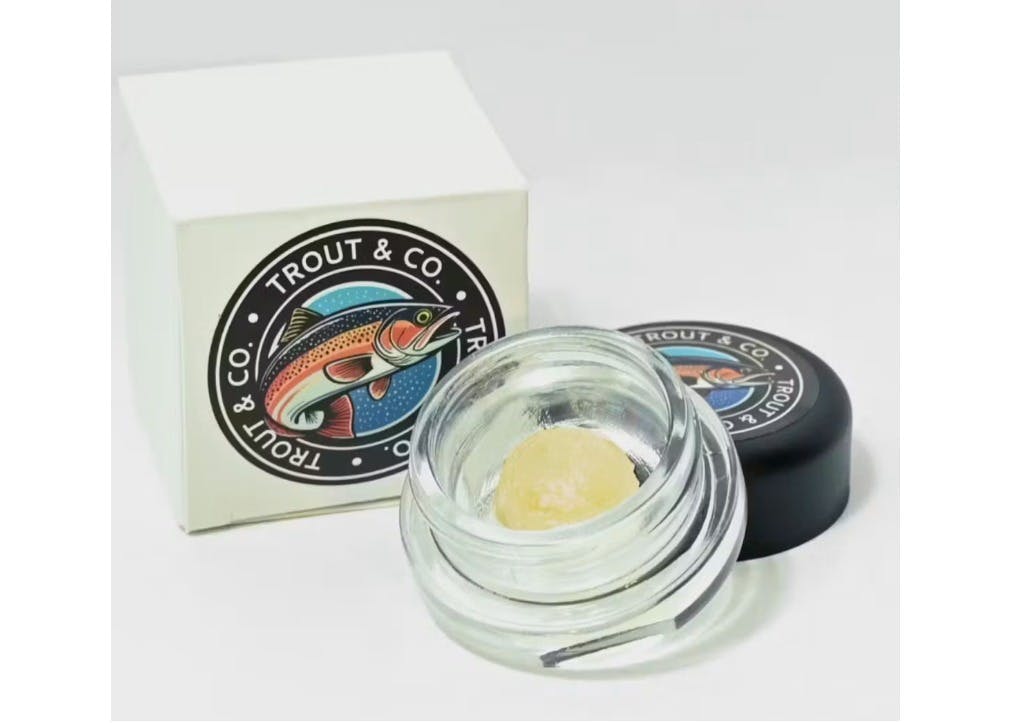
THC 77.52%Hybrid
Trout & Co.Trout & Co. | Super Funk | Live Rosin Private Reserve · 1g
$88.50
$100after tax
Rosin in Castle Hill — answers
What exactly is rosin and how does it differ from other concentrates sold in New York dispensaries?+
Rosin is a solventless cannabis concentrate produced by applying heat and pressure to flower, hash, or kief. Unlike BHO or CO2 extracts, no chemical solvent is introduced during production, which means there are no residual solvents to test for or worry about. The trade-off is yield — rosin takes more starting material to produce than solvent-based extracts, which is reflected in its price. In licensed New York dispensaries, rosin sits firmly in the premium concentrate tier alongside live resin and cured resin badders.
Is rosin significantly stronger than flower, and what should Castle Hill residents new to concentrates know before trying it?+
Yes, rosin is considerably more potent per unit than cannabis flower. Where premium flower in New York might test between twenty and thirty percent THC, rosin typically ranges from the upper fifties to the mid-eighties. For adults in Castle Hill who are new to concentrates, the consistent guidance from cannabis educators is to start low and go slow — a portion no larger than a grain of rice is an appropriate first dab. Effects from concentrates also tend to onset faster than flower, so waiting before redosing is strongly advised.
What is live rosin, and is it worth the higher price compared to regular rosin?+
Live rosin is made from fresh-frozen cannabis — flower that is frozen immediately after harvest rather than dried and cured. Freezing the plant material preserves volatile terpenes that would otherwise degrade during the drying process. The result is a concentrate with a notably brighter, more complex aroma and flavor than rosin made from cured flower. Whether the premium price is worth it depends on personal preference, but for terpene-forward shoppers on Westchester Avenue who prioritize flavor and nuance over raw potency, live rosin is frequently cited as the most expressive product on the concentrate shelf.
What terpenes should I look for in a rosin if I want something well-suited to evening relaxation after commuting home to the 10472 ZIP code?+
For a calming evening profile, look for rosin with elevated myrcene — a terpene associated with a heavier, more sedating character — alongside linalool, which appears in lavender and is often linked to a soothing quality. Caryophyllene, a spicy and peppery compound, is another common choice for evening use and is the only terpene known to interact directly with the endocannabinoid system's CB2 receptors. The certificate of analysis at any licensed New York dispensary will list these compounds by percentage, allowing you to make an informed choice.
How should I store rosin once I bring it home to an apartment in Castle Hill?+
Rosin is sensitive to heat, light, and air exposure. For short-term storage of a few days to a couple of weeks, keeping the sealed jar in a cool, dark drawer away from any heat source — including radiators common in Bronx apartment buildings — is sufficient. For longer-term storage, the refrigerator works well provided the jar is airtight and allowed to return to room temperature before opening, which prevents condensation from forming inside the container. Live rosin benefits most from refrigeration given its higher terpene content and more delicate consistency.
Can I consume rosin without a dab rig? What devices work with rosin in a Bronx apartment setting?+
A traditional dab rig with a quartz banger and torch is the most common consumption method, but it is far from the only one. Electronic dab devices — often called e-nails or e-rigs — eliminate the torch and offer precise temperature control, which many experienced users prefer for preserving terpene character. Some users also load rosin onto a bowl of flower as a supplement. Purpose-built rosin vaporizers that accept cold-cure or fresh-press textures offer a discreet, compact option that is well-suited to apartment living where open flames may be a concern.
How does the solventless nature of rosin affect what I see on the certificate of analysis at a licensed NY dispensary?+
Because no solvent is used in rosin production, the residual solvent section of the certificate of analysis is either absent or returns non-detected results across the board. This simplifies the transparency picture for shoppers: the COA for rosin focuses primarily on cannabinoid potency, terpene panel, heavy metals, pesticides, and microbial contaminants. Licensed New York operators are required to test for all of these categories, and rosin's clean production process means the solvent line item is one fewer thing to scrutinize.
What is the difference between cold-cure and fresh-press rosin textures, and which is easier to work with for someone near Bruckner Boulevard picking up their first jar?+
Fresh-press rosin is collected directly after pressing and has a saucy, semi-liquid consistency, especially at room temperature. Cold-cure rosin is rested at controlled low temperatures after pressing, which encourages the fats and waxes to reincorporate and creates a stable, budder-like texture that holds its shape on a dab tool. For a first-time concentrate shopper, cold-cure budder-style rosin is generally the more forgiving format — it loads predictably, doses more precisely, and does not require the same technique as working with a runny sauce.
Is rosin available for delivery to Castle Hill ZIP codes 10472 and 10473 from a licensed dispensary?+
Yes. Several licensed New York dispensaries, including ZenZest Cannabis Dispensary, offer adult-use delivery to Bronx neighborhoods. ZenZest provides free same-day delivery on orders over $100 to more than eighty New York ZIP codes. Orders are placed online and require age verification upon delivery — all customers must be 21 or older. Delivery allows Castle Hill residents to browse rosin options, review certificates of analysis, and compare terpene panels without making the trip out to a physical store location.
How do I know if a rosin product I am buying from a New York dispensary is genuinely high quality and not simply marketed as premium?+
The most reliable indicator is the certificate of analysis from a licensed third-party testing laboratory, which must accompany every legal New York cannabis product. For rosin, look for a terpene total that reflects genuine complexity — a broad panel with multiple named compounds rather than a single dominant terpene. Cross-reference the stated cultivar with known terpene profiles to see if the rosin's numbers are consistent with what the plant typically produces. Well-informed dispensary staff should be able to discuss the extraction source, the pressing temperature used, and whether the material was fresh-frozen or cured before pressing.