
Brooklyn · Rosin
Best Rosin in Brooklyn Heights, Brooklyn
Brooklyn Heights — with its landmarked brownstones, the Promenade's unbroken view of Lower Manhattan, and the quiet sophistication of Montague Street — deserves a concentrate that matches its standard. Rosin, the solventless extract that relies on heat and pressure alone, has become the preferred choice for discerning adults in this 11201 ZIP who want purity without compromise.
About Rosin
Rosin occupies a singular position in New York's licensed adult-use cannabis market. Unlike hydrocarbon or CO₂ concentrates, rosin is produced without chemical solvents — flower, hash, or kief is simply pressed between heated plates, and the resulting oil is collected as a finished extract. The process preserves a remarkably complete terpene profile, which is precisely why enthusiasts who have spent years exploring fine wine, single-origin coffee, or aged spirits tend to migrate toward rosin once they discover it. New York's Office of Cannabis Management licenses a growing number of processors who produce rosin under strict quality and testing standards. Every product that reaches a licensed dispensary shelf has been tested for residual solvents (none, by definition, for true rosin), pesticides, heavy metals, and cannabinoid potency. That regulatory framework gives consumers in the state a meaningful baseline of trust — the label reflects what is actually in the package. Within the concentrate category, rosin exists across several formats. Fresh-press rosin is extracted from freshly harvested, never-dried cannabis and retains the most volatile terpenes, often presenting a sauce-like consistency with visible crystalline structures suspended in oil. Cured rosin, made from dried and cured flower, tends toward a budder or badder texture and carries a slightly more mellow, rounded aroma. Hash rosin — pressed from ice-water-extracted bubble hash — is regarded as the premium tier: cleaner flavor, smoother vapor, and a clarity of effect that concentrate enthusiasts consistently rank above all other formats. For adults who are new to concentrates, the start-low, go-slow principle is especially important here. Rosin is considerably more potent by weight than flower, and a very small amount — a rice-grain-sized portion on a quartz banger or in a purpose-built vaporizer — is the appropriate starting point for anyone building familiarity with the format.
Rosin for Brooklyn Heights shoppers
Brooklyn Heights is one of New York City's most storied residential neighborhoods, and the people who live and work here tend to approach leisure with the same intentionality they bring to everything else. The Promenade, that beloved esplanade suspended above the Brooklyn-Queens Expressway, offers a contemplative setting where the Manhattan skyline unfolds across the East River — a view that invites a certain quality of presence. For the resident or visitor who incorporates cannabis into an evening walk along that path, rosin's clean, terpene-forward profile aligns well with the desire for clarity rather than sedation. Montague Street, the neighborhood's main commercial artery, pulses with a quiet weekday energy: professionals heading to the Fulton Ferry landing, families returning from Brooklyn Bridge Park, and a consistent stream of commuters moving through the 2, 3, 4, and 5 trains at Borough Hall. The 11201 ZIP is defined by these rhythms — long work weeks punctuated by considered downtime. Rosin suits this lifestyle because it is efficient, discreet when used at home, and rewarding in small quantities, making it well-matched to someone who wants a meaningful experience without carving out a significant block of time. The neighborhood's proximity to the Brooklyn Bridge and the waterfront also speaks to rosin's seasonal appeal. Spring and fall evenings on the Promenade are among the finest in all of New York City — cool air, the scent of river water, and a skyline that never loses its drama. A quality hash rosin consumed at home before that walk rewards the experience without overwhelming it, precisely because the terpene complexity in a well-made extract rewards slow attention.
What to look for
When evaluating rosin in a licensed New York dispensary, the first marker of quality is the source material. Hash rosin pressed from full-melt bubble hash will consistently outperform flower rosin in smoothness and flavor resolution. Look for producers who specify the ice-water extraction process and note the micron rating of the bags used — 70 to 90 micron is the sweet spot for the cleanest, most terpene-rich yield. The color of the finished product is also telling: a pale golden to amber translucency generally indicates a carefully controlled pressing temperature, while dark brown or green hues can signal excessive heat or lower-grade input material. Terpenes are the most important variable to understand when selecting a rosin. Myrcene, common in indica-leaning cultivars, contributes an earthy, slightly musky quality and is often associated with a physically relaxing effect profile. Limonene, prominent in many sativa-leaning plants, carries bright citrus notes and tends to support a more uplifted, social mood. Caryophyllene, the only terpene that also acts as a dietary cannabinoid, delivers a subtle spice and is often found in cultivars that balance mental clarity with physical ease. For Brooklyn Heights residents whose use occasions trend toward evening decompression or weekend creativity, cultivars emphasizing limonene and caryophyllene are frequently well-suited. Format matters as much as cultivar. A quartz banger and a torch setup offers the most direct, flavorful experience but requires equipment and a degree of technique. Electronic dab devices — sometimes called e-rigs or desktop vaporizers — deliver greater temperature precision and are quieter in both operation and vapor output, an advantage for apartment dwellers in a dense residential neighborhood like this one. Start with the lowest effective temperature setting, typically in the 450 to 520 degree Fahrenheit range, and allow the terpenes to express themselves before moving higher.
Why ZenZest for rosin in Brooklyn Heights
ZenZest Cannabis Dispensary serves Brooklyn Heights residents through its Staten Island location at 2343 Forest Ave, Staten Island, NY 10303 — approximately 9.8 miles away — and through its same-day delivery program, which covers more than 80 New York ZIP codes, including 11201. For a neighborhood where parking is scarce and time is genuinely valued, the delivery option is not a convenience but a considered solution. Orders over $100 qualify for free same-day delivery, making it straightforward to stock up on rosin alongside any other adult-use items without leaving the neighborhood. ZenZest curates its concentrate selection with an eye toward the licensed New York producers doing the most careful work with solventless extraction. The staff is trained to discuss terpene profiles, consistency differences between fresh-press and cured rosin, and the appropriate equipment for a given product — a level of product knowledge that reflects the same editorial care that Brooklyn Heights residents bring to their other buying decisions. Whether you visit in person or place an order from the Promenade, ZenZest offers a purchasing experience proportionate to the quality of the product itself.
ZenZest Staten Island · 2343 Forest Ave, Staten Island, NY 10303 · 9.8 miles from Brooklyn Heights.
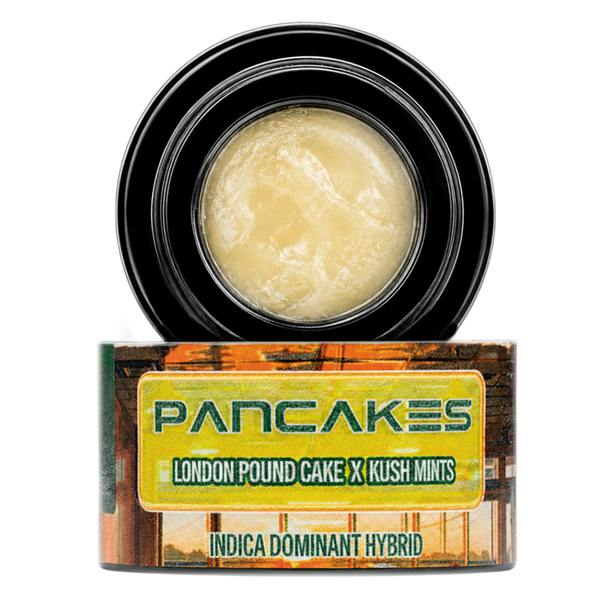
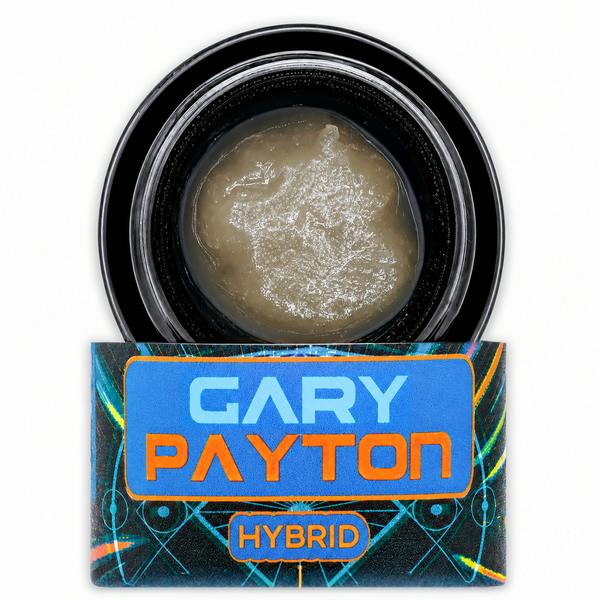
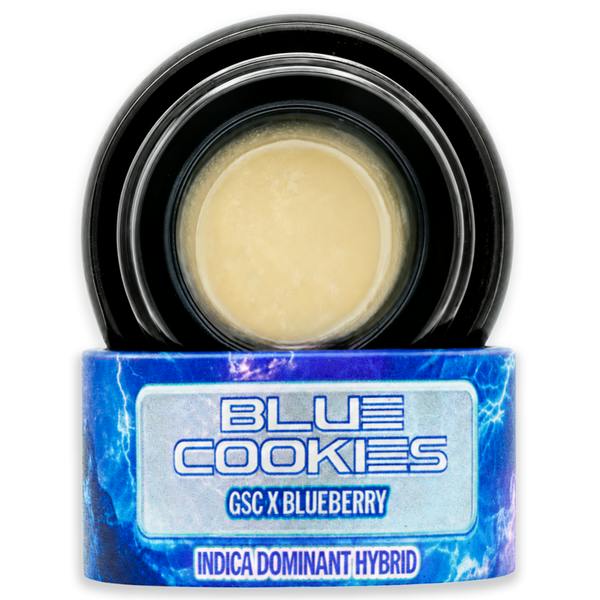
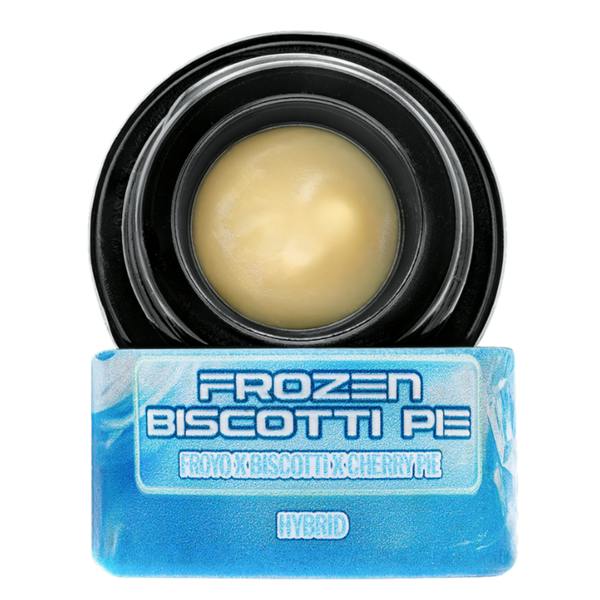
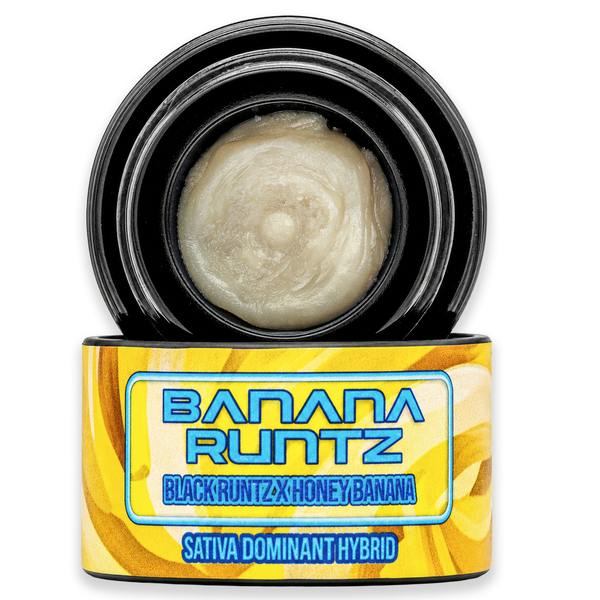
Live rosin for Brooklyn Heights
Full rosin menu →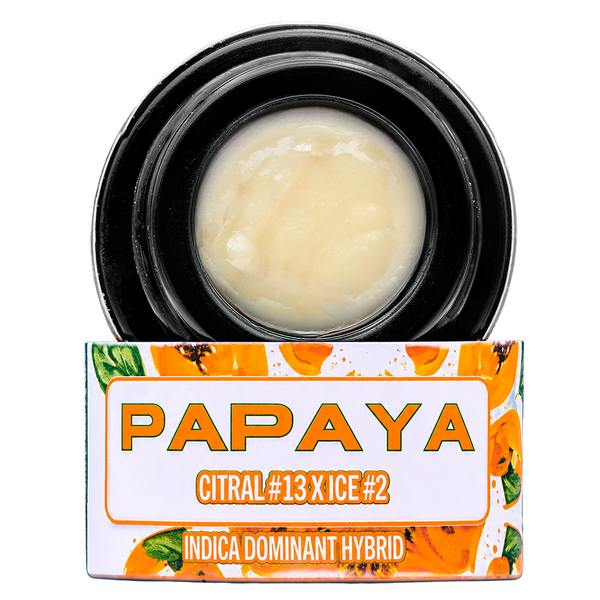
Rosin in Brooklyn Heights — answers
What exactly makes rosin a solventless concentrate, and why does that matter for consumers in Brooklyn Heights?+
Rosin is produced exclusively through the application of heat and pressure — no hydrocarbons, ethanol, or CO₂ are introduced at any stage of extraction. The practical consequence is that there are no residual solvents to test for or worry about. For the discerning consumer in Brooklyn Heights, who approaches quality goods with the same critical attention they bring to a bottle of natural wine or a single-origin espresso, solventless production is not a marketing term but a meaningful difference in what ends up in the product. New York licensed processors are required to test for residuals regardless, but rosin simply does not generate them.
How does rosin differ from live resin, which I also see on dispensary menus?+
The primary distinction is production method and preservation approach. Live resin is made using a hydrocarbon solvent, typically butane or propane, applied to freshly frozen cannabis — preserving volatile terpenes through freezing rather than through solventless pressing. The result is also highly terpene-rich, but the presence of a solvent in the process means residual solvent testing is mandatory and trace amounts may remain within regulated limits. Rosin, by contrast, introduces no solvent at any point. Both are legitimate, high-quality concentrate formats; the preference between them is largely philosophical and flavor-specific rather than one being categorically superior.
I live in a Brooklyn Heights apartment — what is the most practical way to consume rosin without drawing attention?+
Electronic dab devices, sometimes marketed as e-rigs or portable electronic vaporizers designed for concentrates, are the most apartment-friendly option. They operate without an open flame, heat to precise temperatures quickly, and produce a cleaner, less lingering vapor compared to traditional torch-and-banger setups. At lower temperature settings, the vapor is relatively light. Proper ventilation and a carbon-filter air purifier help manage any residual aroma. Rosin can also be layered into a dry-herb vaporizer bowl beneath a small amount of ground flower, a technique that reduces the visibility of concentrate use further.
What THC percentage range should I expect to see on rosin products at a licensed New York dispensary?+
Well-made hash rosin typically registers between 65 and 82 percent total THC on licensed product labels in New York. Flower rosin tends to land slightly lower, often in the 55 to 70 percent range, depending on the potency of the source material. These figures are considerably higher than cured flower, which averages 18 to 28 percent in the current licensed market. First-time concentrate users in 11201 should treat these numbers as a signal to begin with the smallest practical portion — a piece roughly the size of a grain of rice — and allow adequate time before reassessing.
What terpenes should I look for in a rosin if I want something suited to a quiet evening walk along the Promenade?+
For a contemplative, unhurried occasion like an evening on the Brooklyn Heights Promenade, cultivars emphasizing myrcene and linalool tend to produce a gentle, grounded experience without the mental acceleration some users associate with limonene-dominant profiles. Beta-caryophyllene is another valuable addition for evening use — it contributes a subtle spice and is associated with a balanced sense of ease. Ask the dispensary staff which available rosins emphasize these terpene combinations, and request to see the certificate of analysis, which licensed New York products must have on file.
Can ZenZest deliver rosin to my address in the 11201 ZIP code in Brooklyn Heights?+
Yes. ZenZest Cannabis Dispensary's same-day delivery program covers more than 80 New York ZIP codes, and 11201 is among the eligible areas. Orders that meet or exceed the $100 threshold qualify for free same-day delivery. For residents in a neighborhood where parking constraints and a busy schedule make in-store visits inconvenient, this is a practical and discreet option. Delivery operates in compliance with all New York adult-use cannabis regulations, including age verification at the point of handoff — a valid government-issued ID confirming age 21 or older is required.
Is fresh-press rosin or cured rosin a better choice for someone new to concentrates?+
For a newcomer to concentrates, cured rosin is often the more forgiving starting point. Its terpene profile is slightly mellower than fresh-press, the consistency — typically a budder or badder — is easier to handle and portion with a dab tool, and the overall sensory experience is somewhat less intense. Fresh-press rosin, made from recently harvested cannabis that has not gone through a drying-and-curing cycle, preserves more volatile aromatic compounds and tends toward a more complex, layered flavor. It is a rewarding step for those who have developed some familiarity with concentrates and want to explore the category further.
How should I store rosin purchased from a licensed dispensary in my Brooklyn Heights apartment?+
Rosin is sensitive to both heat and light, both of which can degrade terpene content and alter consistency over time. The best approach for apartment storage is an airtight, non-stick silicone or glass container kept in a cool, dark environment — a kitchen drawer away from the stove or a cabinet that does not receive direct sunlight. For longer-term storage, the refrigerator works well, though the product should be allowed to return to room temperature before use to avoid handling difficulties. Avoid the freezer unless the storage period exceeds several months, as repeated freeze-thaw cycles can affect texture and flavor.
How does rosin fit into the broader New York adult-use licensed market — is it widely available?+
Rosin availability in New York's licensed adult-use market has expanded considerably as the state's licensing framework matures and more processors receive production approvals. It remains a premium category, typically priced above pre-rolls or flower, and the selection varies meaningfully between retailers. Not every licensed dispensary carries a deep rosin assortment, which makes it worth identifying a retailer — whether in-store or via delivery — that prioritizes concentrate curation. Availability of hash rosin specifically, which represents the highest tier of solventless production, is more limited but steadily growing as NY-licensed extract facilities scale up operations.
Are there any landmarks or occasions in Brooklyn Heights that rosin is particularly well-suited for?+
Rosin's format — consumed at home, in small and deliberate portions, without the drawn-out ritual of rolling or packing a bowl — makes it well-matched to the considered leisure pace of Brooklyn Heights. An evening at home before a late dinner on Montague Street, a Saturday morning before walking across the Brooklyn Bridge, or a quiet hour on a residential stoop with a view of the harbor are all occasions where a small amount of a carefully selected rosin complements rather than overwhelms the experience. The neighborhood's architectural beauty and sensory richness reward a measured, attentive approach to any leisure activity, and rosin, used responsibly, fits that register naturally.