
Brooklyn · Concentrates
Best Concentrates in Brighton Beach, Brooklyn
Brighton Beach — the stretch of boardwalk and boulevard that locals know as Little Odessa — has quietly cultivated a discerning adult cannabis culture since New York's licensed market matured. For the 11235 resident who already navigates the world's finest cured fish, imported spirits, and slow-smoked meats, cannabis concentrates represent a natural next category: precise, potent, and built for those who prefer quality over volume.
About Concentrates
Cannabis concentrates are extracted cannabis products — ranging from live resin and rosin to wax, shatter, budder, and distillate — that strip the plant material away and leave behind a far more potent expression of cannabinoids and terpenes. Where a premium flower might register 20–28% THC, a quality concentrate can reach 70–90%, which means the margin between a measured, pleasurable session and an overwhelming one narrows considerably. That is not a warning so much as an invitation to slow down and pay attention — the same discipline a good cook brings to reduction sauces. New York's licensed adult-use market, regulated under the Office of Cannabis Management (OCM), has brought meaningful quality controls to the concentrate shelf. Every product sold through a licensed dispensary must carry a certificate of analysis (COA), confirming cannabinoid percentages, terpene profiles, and the absence of residual solvents, pesticides, and heavy metals. For a category where production method matters enormously, that third-party testing is not a formality — it is the foundation of informed purchasing. Concentrates broadly split into two production families: solvent-based and solventless. Solvent-based products — BHO (butane hash oil), CO₂ oil, and distillate — use chemical extraction to isolate cannabinoids and can achieve very high THC levels. Solventless products — ice water hash, rosin, and dry-sift — use only mechanical force and temperature, preserving a fuller terpene spectrum that many enthusiasts describe as truer to the original cultivar. Neither is objectively superior; they serve different moments and different palates. Formats matter, too. Dabbable concentrates require a rig or e-nail and some practice. Cartridges filled with distillate or live resin oil slot into a standard 510-thread battery and are effectively pocket-sized. Concentrate capsules exist for those who want a measured, discreet oral experience. The New York licensed market now carries all of these formats, and the breadth continues to expand as more craft producers gain OCM approval.
Concentrates for Brighton Beach shoppers
Brighton Beach Avenue runs beneath the elevated B and Q train tracks like a covered market — Russian bakeries, Georgian wine shops, and Ukrainian deli counters shoulder to shoulder for a dozen city blocks. The neighborhood's residents tend to be experienced, opinionated consumers who are not easily impressed by packaging or marketing. That cultural baseline translates directly to how concentrates fit here: people in 11235 are accustomed to evaluating quality by taste, aroma, and effect rather than by label design. The waterfront element shapes use occasions in ways that differ from inland Brooklyn neighborhoods. The Riegelmann Boardwalk, stretching from Brighton Beach Avenue toward Coney Island, is a social corridor across all seasons — a site for long winter walks, summer evening gatherings, and the kind of unhurried outdoor time that pairs well with a small, precise inhalation from a concentrate vaporizer rather than a full flower session. Wind off the Atlantic makes anything combustion-based less practical; a sealed cartridge or a covered portable e-rig is simply more functional on the water's edge. Commuters riding the B or Q into Midtown Manhattan face a 45-to-55-minute train ride each way — long enough that how one arrives home matters. A single measured draw from a live resin cartridge, taken before or after that commute, is the kind of calibrated choice that concentrate formats make possible. The neighborhood's dense residential footprint — mid-rise co-ops and larger apartment buildings — also makes low-odor formats especially considerate, and concentrates, particularly vaporized ones, produce far less ambient scent than traditional flower.
What to look for
When evaluating concentrates on a licensed New York dispensary shelf, the COA is your first document of interest. Look specifically at the terpene panel, not just total THC. Terpenes — the aromatic compounds that define a cultivar's character — survive the extraction process to varying degrees depending on method. Live resin is harvested from flash-frozen fresh plant material, preserving a broad terpene signature. Cured resin comes from dried and cured flower and tends toward a more concentrated, narrower terpene profile. Rosin, pressed without solvents, often retains the fullest spectrum. For the Brighton Beach consumer accustomed to complex flavor — fermented foods, aged cheeses, smoked fish — terpene nuance is likely to register and matter. Myrcene brings an earthy, almost herbal depth. Limonene skews citrus-bright. Caryophyllene offers a spiced, almost peppery warmth that some find particularly grounding in the colder months when Atlantic winds push through the boardwalk. Look for concentrates where the top three terpenes are listed individually with percentages, rather than a single aggregate number — that granularity signals a producer paying attention. On potency, a measured approach is simply practical. Adult-use guidelines universally emphasize starting low and going slow, and concentrates make that advice structurally important: the milligram difference between a pleasant experience and an uncomfortable one is smaller than with flower. For newcomers to the format, a distillate or live resin cartridge with a 510-thread battery gives the most control — one short draw, a fifteen-minute interval, then an honest assessment before continuing. For experienced consumers exploring solventless options, a small quantity of fresh-press rosin on an e-nail set at a lower temperature — around 450–500°F — tends to preserve flavor without degrading the terpene profile.
Why ZenZest for concentrates in Brighton Beach
ZenZest Cannabis Dispensary operates two licensed New York locations, and for Brighton Beach residents in ZIP code 11235, the nearest is ZenZest Staten Island at 2343 Forest Ave, Staten Island, NY 10303 — approximately 10.6 miles from the neighborhood. The store carries a curated concentrate selection spanning cartridges, live resin, rosin, and distillate formats from OCM-licensed producers, with staff who can walk shoppers through COA documentation and terpene profiles on request. For those who prefer to shop from Brighton Beach Avenue rather than travel, ZenZest offers free same-day delivery on orders over $100 to more than 80 eligible New York ZIP codes, with 11235 among them. The delivery model suits the neighborhood's rhythm: order in the afternoon, receive at your co-op or house address before evening. The selection available online mirrors the in-store inventory, and each product listing includes the relevant lab data, so the due diligence a thoughtful consumer would perform in person is equally available at home.
ZenZest Staten Island · 2343 Forest Ave, Staten Island, NY 10303 · 10.6 miles from Brighton Beach.
Live concentrates for Brighton Beach
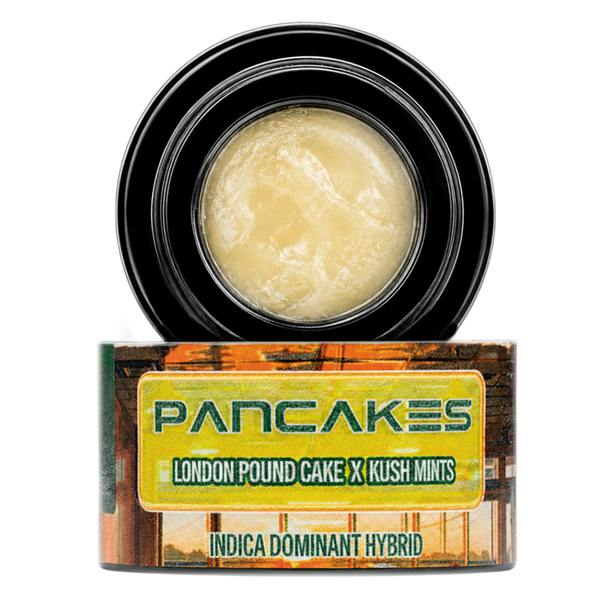
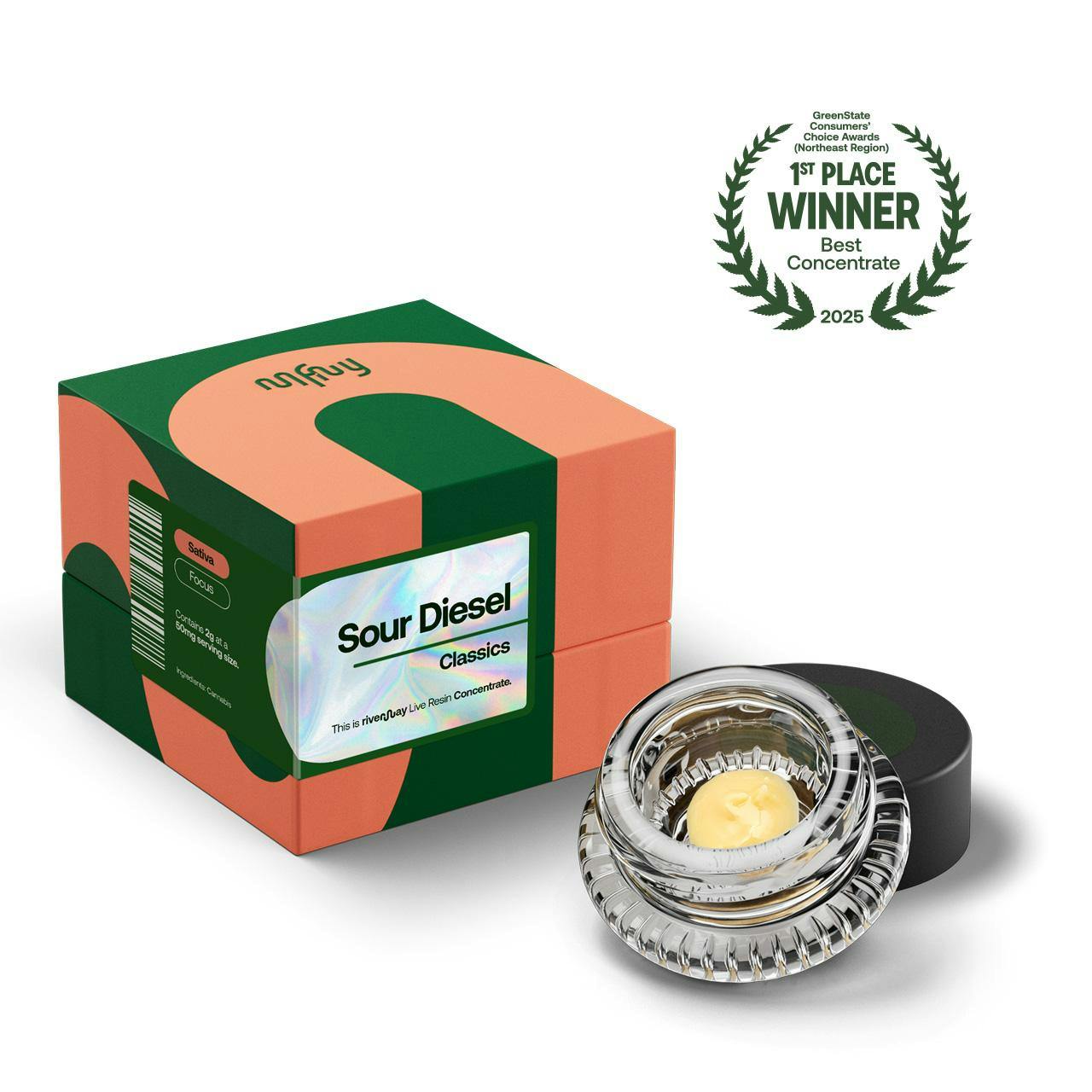
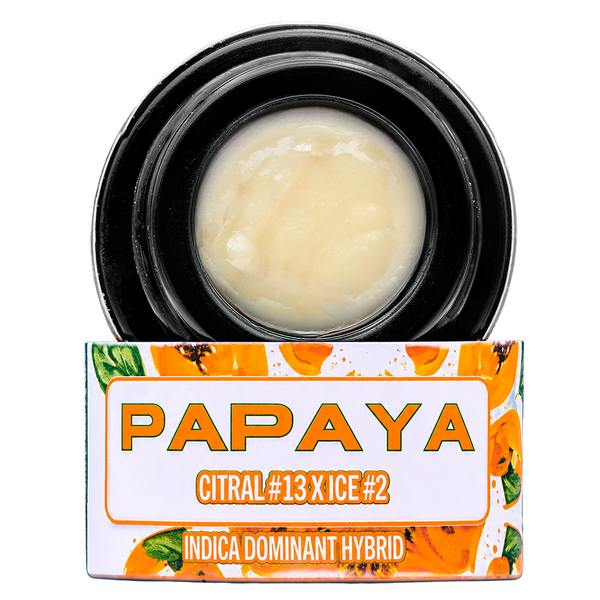
Full concentrates menu →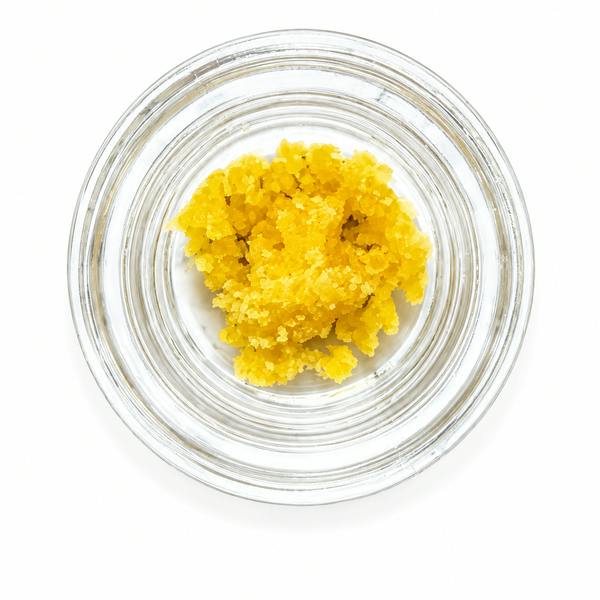
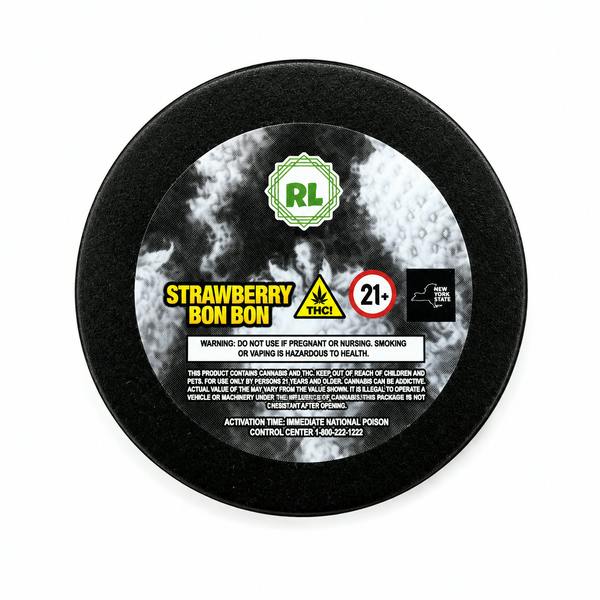
THC 84.77%Hybrid
Mac PharmsReal Life Botanicals - Concentrate - Strawberry Bon Bon · 1g
$32.74
$37after tax

Concentrates in Brighton Beach — answers
What types of cannabis concentrates are available at licensed New York dispensaries serving Brighton Beach?+
Licensed New York dispensaries carry a broad range of concentrates, including live resin, cured resin, rosin, wax, shatter, budder, distillate cartridges, and live resin cartridges. The specific inventory varies by dispensary, but OCM licensing requires all products to carry third-party certificates of analysis. For residents in 11235, delivery-eligible dispensaries like ZenZest extend access to the full licensed concentrate shelf without requiring an in-person trip to a physical location.
How do solventless concentrates like rosin differ from solvent-based options like live resin BHO?+
Solventless concentrates — rosin, ice water hash, dry-sift — are produced using only mechanical pressure and temperature, leaving no residual solvent in the final product. Solvent-based concentrates, such as butane hash oil (BHO) or CO₂ extracts, use chemical agents that are then purged from the product. Both undergo residual solvent testing under New York's licensed market requirements. The practical difference for consumers is often one of terpene preservation and flavor complexity, with many solventless products described as more nuanced in aroma and taste.
Is dabbing the only way to consume cannabis concentrates in Brooklyn?+
No. While a dab rig or e-nail is the traditional format for consuming wax, rosin, or shatter, concentrate consumers have several other options. Vape cartridges filled with distillate or live resin oil connect to a 510-thread battery and require no additional equipment. Some consumers add small amounts of concentrate on top of a flower bowl — a practice sometimes called 'bowl topping.' Concentrate capsules provide a measured oral format. For Brighton Beach residents in apartment buildings, cartridges and capsules are particularly practical given their low odor profile.
What temperature should I use when dabbing concentrates to preserve terpenes?+
Lower temperatures generally preserve more of the terpene profile. Most experienced consumers recommend e-nail or e-rig temperatures in the 450–550°F range for flavor-forward sessions, as higher temperatures — above 600°F — can degrade delicate terpene compounds and produce a harsher vapor. For rosin and live resin in particular, a lower-temperature approach tends to allow the nuance of the terpene profile to come through. This is general guidance; every product's optimal temperature can vary based on its specific cannabinoid and terpene composition.
Why do concentrates have such high THC percentages compared to flower?+
Cannabis flower contains THC primarily in glandular trichomes on the plant's surface. Concentrates isolate and collect those trichomes or extract the cannabinoids directly, removing all plant material — stems, leaves, cellulose — that dilutes potency in whole flower. A cultivar with 25% THC in flower form might yield a concentrate in the 70–85% THC range depending on the extraction method and the efficiency of the process. This concentration effect is why general guidance consistently recommends starting with a very small amount and waiting before taking more.
How does Brighton Beach's Atlantic climate affect which concentrate format makes the most sense outdoors?+
The waterfront location of Brighton Beach means persistent coastal wind, particularly from autumn through early spring. Open-flame torches used in traditional dabbing are impractical in those conditions, and flower rolled in paper burns unevenly. Sealed concentrate cartridges with a battery-powered device are far more wind-resistant and require no external ignition source. Portable e-rigs with enclosed chambers also perform reasonably well outdoors. For the Riegelmann Boardwalk in particular, a cartridge is the most functionally reliable format.
What terpenes should Brighton Beach concentrate shoppers pay attention to during colder months?+
During Brighton Beach's cooler seasons — and the neighborhood's winters are genuinely brisk, with Atlantic-facing exposure — many consumers find concentrates higher in caryophyllene and myrcene align well with the season. Caryophyllene carries a warm, spiced quality and also interacts with CB2 receptors in a way that some find grounding. Myrcene tends toward earthy, herbal depth. Limonene-forward concentrates skew brighter and more uplifting. None of these represent medical guidance — they are flavor and experience profiles to explore based on personal preference.
Is same-day concentrate delivery available to ZIP code 11235 in Brighton Beach?+
Yes. ZenZest Cannabis Dispensary offers free same-day delivery on orders over $100 to more than 80 New York ZIP codes, including 11235. This covers the full concentrate category — cartridges, live resin, rosin, wax, and distillate formats among them. Orders can be placed through ZenZest's licensed platform, and each product listing includes the associated certificate of analysis so shoppers can review lab data before purchasing. Delivery brings the licensed dispensary experience to the building's front door, which is particularly convenient for the neighborhood's dense residential stock.
How do I read a certificate of analysis (COA) for a cannabis concentrate in New York?+
A COA from a New York OCM-licensed product will include a cannabinoid panel showing THC, THCA, CBD, and minor cannabinoid percentages; a terpene panel listing individual compounds with percentages; a pesticide screen; a residual solvent screen (critical for solvent-based concentrates); heavy metal testing; and microbial testing. For concentrates specifically, prioritize the residual solvent panel — it confirms that extraction solvents have been adequately purged. The terpene panel gives you the flavor and experience data. The THC total gives you the potency context.
Are concentrate cartridges compatible with any battery, or do I need a specific device?+
Most legal market concentrate cartridges in New York use a 510-thread connection, which is the industry standard. Any 510-thread battery will accept these cartridges. Variables between batteries include voltage output and whether they offer adjustable temperature settings — a variable-voltage battery allows more control over the vapor temperature, which can affect both flavor and vapor density. Some proprietary cartridge formats — notably pod systems — require their own brand-specific battery and are not 510-compatible. Check the cartridge packaging or product listing before purchasing a battery separately.