
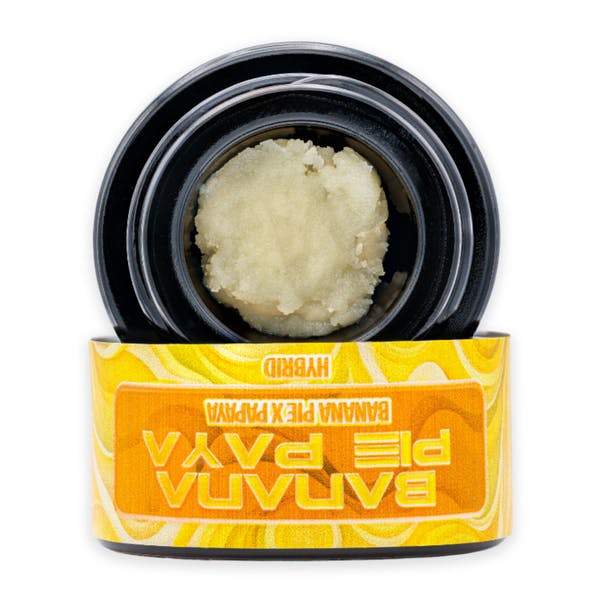
Bronx · Rosin
Best Rosin in Belmont, Bronx
Belmont, the Bronx's storied Little Italy anchored by Arthur Avenue and 187th Street, has long rewarded those who seek out the finest things. For the neighborhood's discerning adult cannabis shoppers, solventless rosin represents that same commitment to craft — a concentrate pressed from flower and ice water hash with no chemical solvents, delivering flavor and potency in a format worthy of the avenue.
About Rosin
Rosin occupies a singular place in the concentrate market, and its appeal is straightforward once you understand the process. Unlike BHO or distillate, rosin is made entirely through heat and pressure — either applied directly to cured flower (flower rosin) or to bubble hash and dry-sift hash (hash rosin). No butane, no CO2, no residual solvents. The result is a full-spectrum extract that preserves the plant's original terpene profile with a fidelity that processed concentrates rarely achieve. For shoppers accustomed to evaluating quality at the source — the way one might select aged parmigiano from a trusted importer on Arthur Avenue rather than a supermarket shelf — rosin rewards exactly that level of attention. New York's licensed adult-use market has matured considerably, and rosin is now among the more rigorously tracked categories at compliant retailers. Every batch sold through a licensed New York dispensary must carry a Certificate of Analysis confirming cannabinoid percentages and the absence of residual solvents, pesticides, and heavy metals. This regulatory framework gives Bronx shoppers purchasing through licensed channels a meaningful assurance that no unlicensed operation can match. When you see a rosin jar on a legal dispensary's shelf, you know it has cleared New York's testing requirements. Formats within the rosin category vary. Fresh-press rosin is processed immediately after harvest and tends to carry a wetter, more pliable consistency and an almost overwhelmingly bright terpene expression. Cold-cure rosin is rested at low temperatures until it achieves a badder or butter consistency — smoother to handle and slightly mellower in aroma. Live rosin is made from fresh-frozen plant material rather than dried and cured flower, which preserves the most volatile terpene fractions for a profile that tilts closer to the living plant. Each format commands a different price point and appeals to a different kind of palate. THC percentages in rosin typically range from the mid-50s into the low 80s, depending on the starting material and the producer's technique. Those numbers are a starting point, not a finish line. The terpene profile — the ratio of myrcene to limonene to caryophyllene and so on — shapes how the concentrate actually feels and interacts with the body. Any buyer who has learned to read a wine list or an olive oil label can develop the same eye for reading a rosin COA.
Rosin for Belmont shoppers
Belmont is not a neighborhood that moves quickly in the wrong sense. It has its own rhythm — the morning bread deliveries to the Arthur Avenue Retail Market, the slow Sunday dinners that stretch into evening, the particular pride of a community that has preserved its identity against decades of change. That unhurried confidence translates naturally to the rosin buyer's mindset, which favors deliberation over impulse. Rosin is not a format for someone who wants to grab something cheap and familiar. It rewards those willing to slow down, read a label, and appreciate the difference between a cold-cure badder and a live rosin jam. The 10458 ZIP code runs along the western edge of Bronx Park, and many residents here have a daily commute that involves the B or D train down to Midtown or beyond. Rosin's high concentration means that a small amount goes a long way — a practical virtue for a commuter neighborhood where a modest evening session after a long ride home is a common use occasion. Rather than consuming a larger volume of flower, a practiced rosin user can achieve a precise, measured effect with a fraction of the material. Season also matters in Belmont. Winters on 187th Street can be genuinely cold, and flower-forward inhalation methods carry different appeal in February than in late September. Rosin's concentrate format lends itself to indoor sessions — a dab rig at home, a small electronic vaporizer that handles concentrates — which suits the neighborhood's tendency to gather indoors around food, family, and conversation during the colder months. In warmer weather, portable concentrate pens loaded with rosin offer a cleaner option for the Bronx Park promenade or a bench on Fordham Road.
What to look for
When evaluating rosin in a licensed New York dispensary, the COA is your first stop. Look at the total terpene percentage alongside the cannabinoid panel. A rosin with a robust terpene percentage — say, two percent or higher — will typically offer a more expressive, nuanced experience than one where those figures are minimal. Pay attention to which terpenes dominate. Myrcene-heavy rosins tend toward an earthy, relaxed character. Limonene-forward profiles skew brighter and more uplifting. Caryophyllene adds a spicy depth and is the only terpene known to bind to CB2 receptors directly. Terpinolene and ocimene are common in sativa-leaning cultivars and often signal a more cerebral expression. Format trade-offs are worth understanding before you commit to a jar. Flower rosin is the most accessible entry point price-wise, and while it is excellent, the starting material limits the ceiling on flavor complexity. Bubble hash rosin — sometimes labeled as 73-micron or 90-micron, referring to the filter used in the ice water extraction — is made from concentrated trichome heads and therefore delivers a cleaner, more refined profile. Live rosin, pressed from fresh-frozen material, is the pinnacle of the solventless category and priced accordingly. For a Belmont shopper investing in rosin for the first time, bubble hash rosin in a cold-cure badder consistency represents an excellent balance of quality and value. Storage matters with any concentrate, but rosin is particularly sensitive to heat. In the summer months, when Bronx apartments can run warm, storing rosin in a small airtight jar in the refrigerator preserves terpene integrity. Allow it to return to room temperature before handling. As with any high-potency cannabis product, the standard guidance applies: start with a very small amount, allow time for effects to develop, and adjust on subsequent sessions rather than in the moment.
Why ZenZest for rosin in Belmont
ZenZest Cannabis Dispensary maintains a curated selection of New York-licensed rosin products at its Queens location at 272-06 Union Tpke, Bellerose — approximately 11.9 miles from Belmont's Arthur Avenue corridor. For shoppers in the 10458 ZIP code who prefer to browse in person, the Queens store offers a staff-guided experience where rosin formats, COAs, and producer backgrounds can all be discussed at the counter with the same care one brings to any considered purchase. For those who prefer not to make the trip, ZenZest offers free same-day delivery on orders over one hundred dollars to more than eighty New York ZIP codes, and Belmont's 10458 is among the eligible areas. Orders are placed through the ZenZest platform and arrive the same day, meaning a specific cold-cure rosin or live rosin selection can be on your shelf in Belmont without the commute. Given rosin's premium price point, the one-hundred-dollar threshold for free delivery is typically met with a single quality jar and a complementary item — making the economics sensible for anyone building a proper concentrate rotation.
ZenZest Queens · 272-06 Union Tpke, Bellerose, NY 11004 · 11.9 miles from Belmont.
Live rosin for Belmont
Full rosin menu →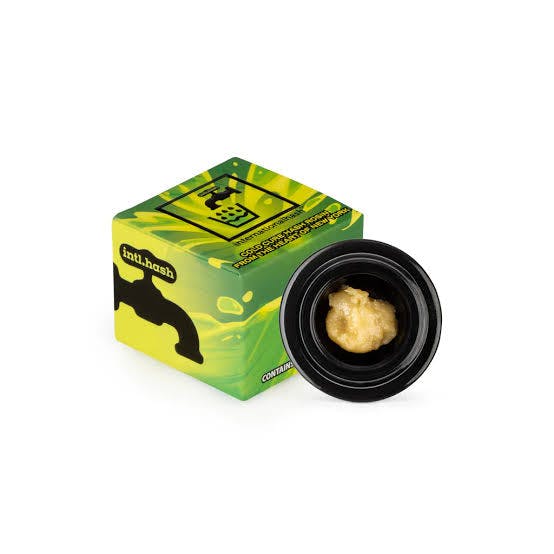
THC 75.74%Hybrid
INTERNATIONAL HASHInternational Hash | Cold Cure Hash Rosin | Grapefruit Hybrid · 1g
$66.37
$75after tax
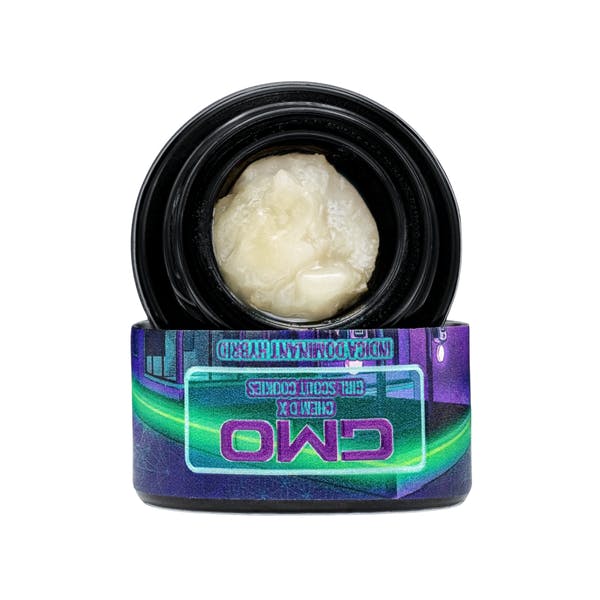
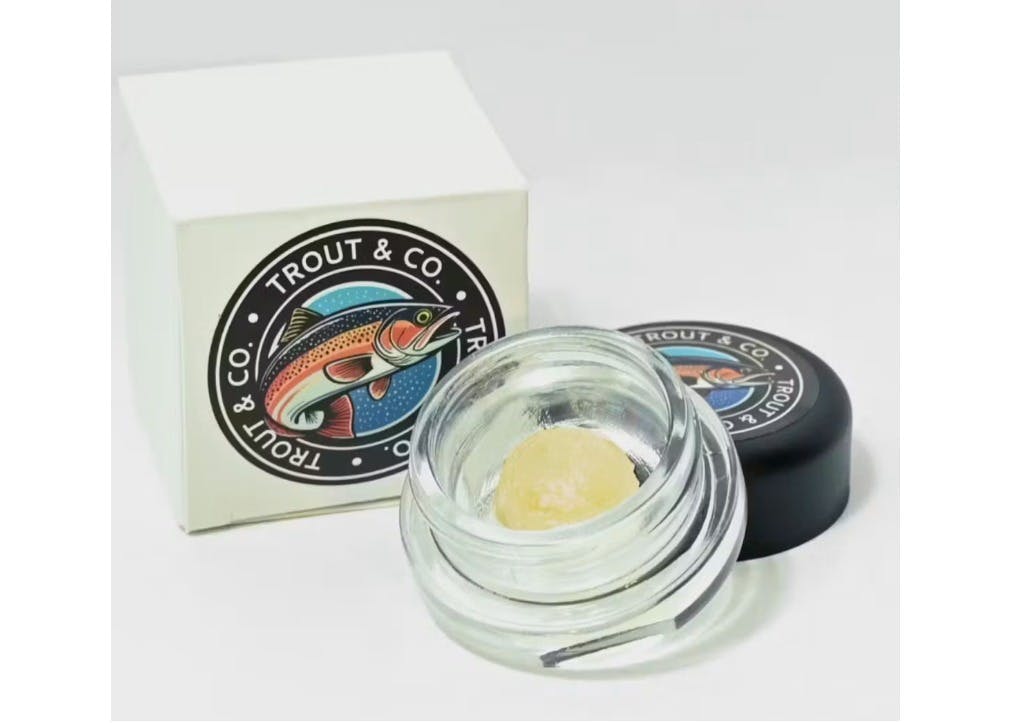
THC 77.52%Hybrid
Trout & Co.Trout & Co. | Super Funk | Live Rosin Private Reserve · 1g
$88.50
$100after tax
Rosin in Belmont — answers
What makes rosin different from other concentrates sold at licensed New York dispensaries?+
Rosin is a solventless concentrate, meaning no chemical extraction agents — such as butane or CO2 — are used in its production. Heat and pressure are applied to cannabis flower or hash, and the resulting oil is collected. This distinguishes it from BHO, distillate, or CO2 oil, all of which use solvents that must later be purged. The absence of solvents is why rosin is considered a cleaner, more terroir-expressive format by concentrate enthusiasts, and why every compliant New York batch still requires a full COA confirming safety and cannabinoid content.
Is rosin significantly stronger than cannabis flower? What should a Belmont shopper new to concentrates expect?+
Yes, rosin is substantially more potent than cured flower on a per-weight basis. While flower typically tests between fifteen and thirty percent THC, rosin commonly ranges from the mid-fifties into the low eighties. For someone new to concentrates, this difference is meaningful. The guidance followed by experienced users — start with a very small amount, a fraction of what you might use with flower, and wait to understand the effect before adding more — is especially relevant here. Rosin's terpene richness also makes the experience qualitatively different, not just more intense.
What equipment do I need to use rosin at home in my Belmont apartment?+
The most common method is a dab rig paired with a quartz banger and a small torch, which allows precise temperature control and preserves the terpene profile. Low-temperature dabbing — roughly 450 to 550 degrees Fahrenheit — is widely recommended for flavor-forward rosin. Electronic nails and portable e-rigs offer a more controlled and less equipment-intensive alternative. For rosin specifically, some producers package their product in a consistency suitable for concentrate-compatible vaporizer cartridges, though live rosin pens are a distinct product category from jarred rosin.
How should I store rosin during Bronx summers when apartments get warm?+
Terpenes are volatile and degrade with heat, so storage conditions matter more with rosin than with most other cannabis formats. An airtight silicone or glass jar kept in a cool, dark location is the baseline. During warmer months — and Belmont summers can bring genuine heat to enclosed apartments — refrigerator storage is a reasonable step. Allow the rosin to reach room temperature before opening the jar to avoid condensation forming on the product. Proper storage preserves both flavor and potency over weeks or months.
What is the difference between live rosin and regular hash rosin, and is the price difference justified?+
Hash rosin is pressed from bubble hash made with dried and cured cannabis. Live rosin starts with fresh-frozen plant material — harvested and immediately frozen to preserve the terpene content that would otherwise diminish during drying and curing. The result is a terpene profile that reflects the living plant more closely, with greater aromatic complexity and a flavor that experienced users describe as distinctly brighter and more complete. Whether the price premium is justified depends on your palate and priorities. For a first concentrate purchase, hash rosin is an excellent and more accessible entry point.
Can ZenZest deliver rosin to my address near Arthur Avenue in the 10458 ZIP code?+
Yes, Belmont's 10458 ZIP code is within ZenZest's same-day delivery coverage area, which spans more than eighty New York ZIP codes. Free same-day delivery is available on orders over one hundred dollars placed through the ZenZest platform. Given that quality rosin — particularly live rosin or premium hash rosin — is typically priced at a level that makes reaching that threshold straightforward with a single jar and one additional item, the delivery option is practical for most shoppers in the neighborhood.
What terpenes should I look for in rosin if I want something suited to a relaxing evening after a long commute home?+
For a winding-down occasion after a lengthy commute — common among Belmont residents who travel to Midtown or Downtown Manhattan on the B or D line — myrcene-dominant rosins are frequently cited by experienced consumers as leaning toward a settled, body-relaxed character. Linalool, also associated with lavender, has a calming reputation. Beta-caryophyllene adds depth without stimulation. Profiles led by limonene or terpinolene tend to run brighter and more alert. Reading the terpene panel on the COA, which licensed New York dispensaries can provide, helps match a cultivar to your intended occasion.
Are there any New York state regulations specific to rosin that I should be aware of as a consumer?+
All rosin sold through New York's licensed adult-use market must pass testing for cannabinoid content, residual solvents (even though solventless rosin should have none), pesticides, heavy metals, and microbial contaminants. Products must carry proper labeling including the universal cannabis symbol, a QR code linking to the COA, and THC content by weight. Purchasing through a licensed dispensary guarantees you access to this documentation. Possession limits for concentrates in New York follow the same adult-use framework — individuals 21 and older may possess up to five grams of concentrated cannabis.
How does cold-cure rosin differ in texture and use from fresh-press rosin?+
Fresh-press rosin is collected directly after pressing while still warm and tends to have a fluid, sappy consistency. It is prized for its immediate terpene intensity but can be slightly harder to handle and is more temperature-sensitive. Cold-cure rosin is rested at low temperatures — typically below 60 degrees Fahrenheit — for a period of days, which allows it to transform into a softer, more workable badder or butter texture. Cold-cure is often preferred by everyday users because it is easier to scoop and portion, and the resting process rounds out some of the sharper aromatic notes into something more cohesive and complex.
Is rosin a good option for cannabis shoppers near 187th Street who are transitioning away from flower?+
Rosin can be a natural step for flower consumers who want to explore concentrates without moving entirely to processed or distillate-based products. Because rosin preserves the terpene and minor cannabinoid profile of its source material, the experience retains a recognizable, plant-forward quality that some distillate or isolate products lack. The main adjustments are to quantity — much less is needed per session — and to the equipment involved, which is more involved than a pipe or a rolling paper. For a considered, step-by-step transition, starting with flower rosin before moving to hash or live rosin allows you to calibrate without overcommitting.