On sale· 20% OFF
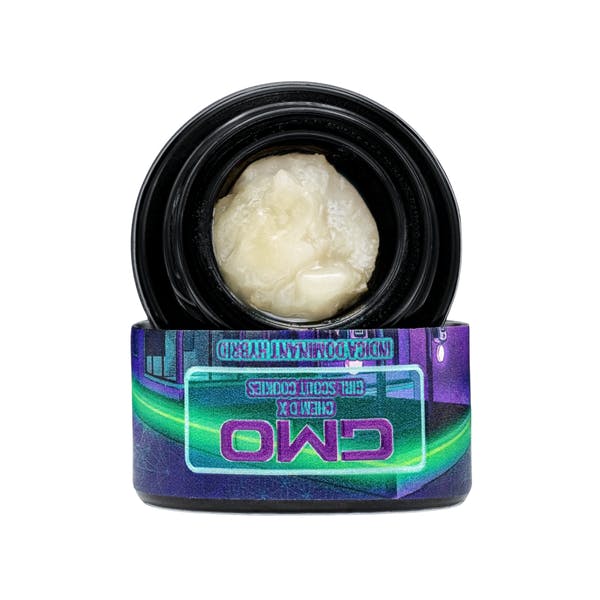
THC 70.7%Indica-Hybrid
UmamiiUmamii | Live Rosin Jar | GMO · 2g
$80.00$100.00
$93after tax

weeddispensarynearme.com
You must be 21 years or older to enter. By entering, you confirm you’re of legal age in your state to purchase cannabis.
For use only by adults 21+ • Keep out of reach of children
Bedford-Stuyvesant's brownstone-lined blocks and the steady rhythm of Nostrand Avenue have long rewarded those who seek quality over convenience. Rosin — solventless, terpene-rich, and pressed from premium flower or hash — belongs naturally in a neighborhood that has always understood the difference between something well-made and something merely available. This guide navigates the best rosin options for Bed-Stuy's discerning adult cannabis consumers.
About Rosin
Rosin stands apart in the crowded New York concentrate market because it requires no chemical solvents in its production. Heat and pressure are applied to cannabis flower, dry sift, or bubble hash, yielding a full-spectrum extract that preserves the plant's original terpene and cannabinoid profile with exceptional fidelity. The result is a product that serious cannabis consumers often describe as the most honest expression of a given cultivar — what you taste and feel reflects the source material directly, without the masking or alteration that hydrocarbon or CO2 extraction can introduce. New York's adult-use licensing framework, governed by the Office of Cannabis Management, mandates that all concentrate products sold through licensed dispensaries carry a certificate of analysis confirming potency and the absence of residual solvents, pesticides, and heavy metals. For rosin, that last panel is largely a formality — solventless production means there is nothing synthetic to test for — but the transparency remains valuable. Shoppers at licensed New York retailers can scan batch QR codes and read third-party lab results before purchasing, a level of accountability that illicit-market products cannot match. Rosin comes in several distinct textures depending on post-press handling: fresh-press rosin retains a wet, oily consistency and intensely aromatic profile; rosin that is cold-cured over days or weeks develops a badder or budder texture with a mellower, rounder nose; and live rosin — pressed from freshly frozen, uncured flower — commands a premium for its extraordinary terpene expression. Hash rosin, made from bubble hash rather than flower, typically delivers higher cannabinoid concentrations and a cleaner, more refined finish. Understanding these distinctions allows shoppers to choose products aligned with their preferences and experience levels rather than defaulting to whichever label catches the eye. Because rosin is a concentrate, potency ranges broadly — flower-pressed rosin may land between 65 and 75 percent total cannabinoids, while premium hash rosin can exceed 80 percent. New York regulations require clear potency labeling, so reading the panel carefully before purchase is always worthwhile, particularly for those newer to concentrates. The general guidance of starting low and going slow applies here more than in almost any other cannabis category.
Rosin for Bedford-Stuyvesant shoppers
Bedford-Stuyvesant is a neighborhood that does not rush. The grand brownstones along Decatur Street and Hancock Street, the Saturday morning farmers market energy near Fulton Street, the easy walk from the A and C trains at Utica Avenue — Bed-Stuy operates at a pace that rewards patience and craftsmanship. Rosin fits that ethos precisely. It is a concentrate that demands attention during production and rewards attention during consumption, making it a natural fit for a community that has long supported independent artisans, specialty food producers, and small-batch everything. The neighborhood's ZIP codes — 11216 and 11221 — encompass a remarkably diverse adult population, from longtime residents whose families have anchored these blocks for generations to a newer creative class drawn by the architectural character and proximity to Manhattan via the J, Z, and G lines. Both groups tend to value authenticity and transparency in the products they choose. Rosin, with its nothing-hidden production method and traceable supply chain through licensed New York retailers, aligns well with those values. Seasonally, Bed-Stuy's climate shapes consumption patterns in ways worth considering. Brooklyn winters are genuine — the wind that cuts down Nostrand Avenue in January is unforgiving — and concentrate consumers who prefer a brief, controlled session at home before stepping out will find rosin's efficiency appealing. In summer, when the neighborhood's stoops and community gardens come alive, lower-temperature dabbing at home before an evening outdoors can offer a measured, terpene-forward experience without the prolonged commitment of a slower method. Year-round, rosin suits the Bed-Stuy consumer who wants quality, brevity, and transparency in equal measure.
What to look for
Evaluating rosin begins with terpene profile rather than THC percentage. The most useful question is not how potent a batch is but what it smells like and how those aromatic compounds are likely to shape the overall experience. Myrcene-dominant rosins — earthy, herbal, sometimes faintly tropical — tend toward a heavier, more relaxing character. Limonene-forward expressions carry a bright citrus quality often associated with more elevated, social moods. Caryophyllene, which binds to CB2 receptors in a manner distinct from other terpenes, contributes a peppery, almost spiced depth. Licensed New York dispensaries are required to carry COA documentation, so asking a budtender to pull terpene data for a specific batch is entirely reasonable and encouraged. Texture and consistency are practical guides to production quality. A fresh-press rosin in a small glass jar should appear glossy and slightly oily — if it looks dull, oxidized, or has separated significantly, storage conditions may have been suboptimal. Cold-cured badder should be smooth and uniform, not gritty. Live rosin typically commands the highest price point on any dispensary menu, and for good reason: the logistics of preserving freshly harvested, never-dried cannabis before pressing are demanding, and the terpene payoff is significant. For Bed-Stuy consumers on a considered budget, flower rosin from a well-regarded New York cultivar can deliver exceptional value without the live-rosin premium. For those new to concentrates, a low-temperature dab rig or an electronic device designed for concentrates makes the entry point more approachable than a traditional rig. Starting with a small amount — a portion roughly the size of a grain of rice — and waiting to understand the effect before adding more is the responsible baseline. Experienced consumers may explore higher-temperature expressions to unlock different terpene and cannabinoid fractions, but there is no universal correct temperature, only personal preference refined over time.
Why ZenZest for rosin in Bedford-Stuyvesant
ZenZest Cannabis Dispensary's nearest physical location to Bedford-Stuyvesant is ZenZest Staten Island, situated at 2343 Forest Ave, Staten Island, NY 10303 — approximately 11.9 miles from the heart of Bed-Stuy. The store carries a curated selection of New York-licensed concentrates, including solventless rosin options from cultivators operating within the state's regulatory framework. Staff are trained to discuss COA data, terpene profiles, and format differences in the kind of unhurried, knowledgeable manner that a category as nuanced as rosin genuinely requires. For Bed-Stuy residents who prefer not to make the cross-borough trip, ZenZest offers free same-day delivery on qualifying orders over $100 to more than 80 New York ZIP codes, and both 11216 and 11221 fall within that delivery footprint. Ordering through ZenZest's platform means receiving licensed, lab-tested product at your brownstone door — traceable from cultivator to consumer, and handled by a team that takes product integrity as seriously as you do.
ZenZest Staten Island · 2343 Forest Ave, Staten Island, NY 10303 · 11.9 miles from Bedford-Stuyvesant.
$93after tax
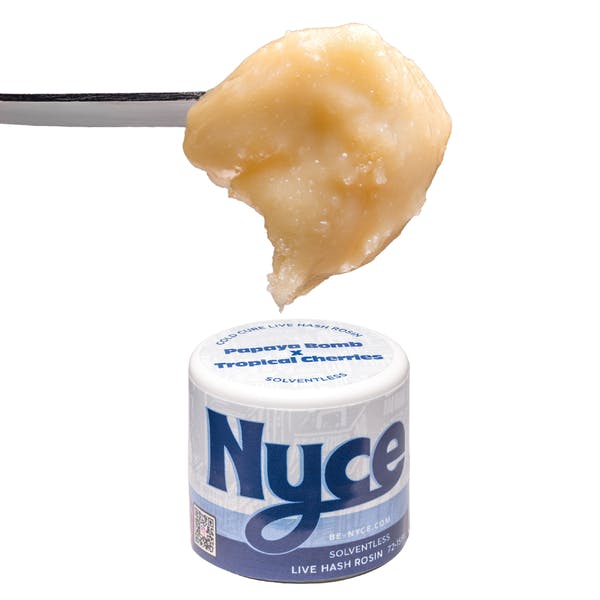
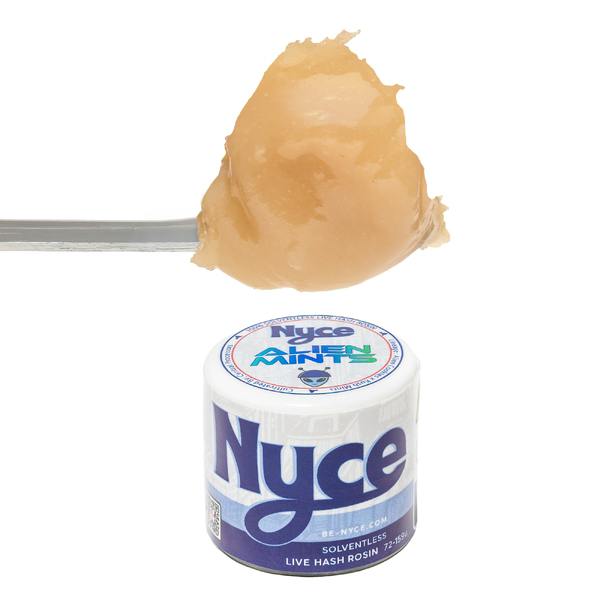
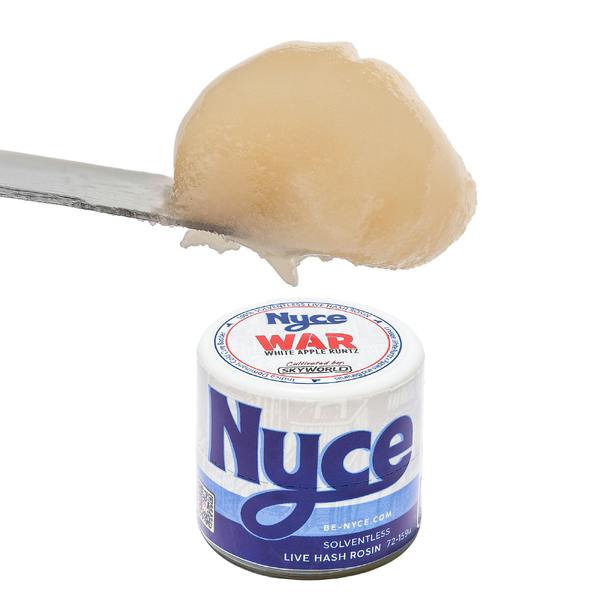
Rosin is produced exclusively through heat and mechanical pressure, with no chemical solvents involved at any stage. This distinguishes it from BHO, live resin, and distillate, all of which rely on hydrocarbon or CO2 extraction. The practical consequence is that rosin's terpene and cannabinoid profile reflects the source material with minimal alteration. For Bed-Stuy shoppers who prioritize transparency and full-spectrum expression, rosin is often considered the most uncompromising concentrate option available through New York's licensed market.
Live rosin is pressed from cannabis that was frozen immediately after harvest, preserving volatile terpenes that would otherwise degrade during the drying and curing process. Regular rosin — whether flower or hash rosin — is made from dried and cured material. The terpene profile of live rosin is typically more complex and aromatic. Whether the premium is worth it depends on how much terpene fidelity matters to you personally. For consumers on Fulton Street who treat concentrate purchases the way they might treat a bottle of single-origin olive oil, live rosin is often the answer.
Rosin is sensitive to heat, light, and air exposure, all of which accelerate terpene degradation and cannabinoid oxidation. Store rosin in the sealed glass or silicone container it arrives in, placed in a cool, dark location — a cabinet away from the stove or radiator works well in a Bed-Stuy brownstone. For longer-term storage, a dedicated small refrigerator compartment is appropriate, though allowing refrigerated rosin to return to room temperature before opening reduces condensation. Consuming rosin within a few weeks of purchase generally ensures the terpene profile is as the producer intended.
Traditional rosin consumption uses a dab rig — a water pipe fitted with a quartz or titanium banger that is heated to temperature — but this setup has a meaningful learning curve. Electronic dab devices, sometimes called e-rigs or electronic nails, maintain consistent low temperatures and are considerably more forgiving for those new to concentrates. Both options are available from licensed accessories retailers in New York. For Bed-Stuy consumers who want the cleanest flavor expression, low-temperature dabbing between 450 and 550 degrees Fahrenheit is generally recommended, though personal preference varies.
Yes. Flower rosin typically carries lower total cannabinoid percentages than hash rosin — often in the 65 to 72 percent range — making it a more measured entry point relative to live hash rosin, which can exceed 80 percent. Beyond potency, some licensed New York producers offer rosin-infused pre-rolls or rosin-topped flower in jars, which blend the full-spectrum quality of solventless extraction with the slower onset of combustible formats. Starting low and going slow remains the consistent guidance for any consumer exploring concentrates for the first time.
A COA for rosin will typically include a potency panel showing total THC, total CBD, and sometimes minor cannabinoids such as CBG or CBC. It will also show a residual solvents panel — which for rosin should read non-detected across all analytes — along with pesticide and heavy metals screens. The terpene panel, when included, lists individual compounds by percentage and is the most useful tool for predicting how a rosin will smell and what kind of experience it may produce. Any licensed dispensary in New York, including ZenZest, can provide or reference COA documentation for products on their menu.
Temperature matters more for rosin than for most other cannabis formats. During Bed-Stuy's cold winter months, rosin stored in a bag or jacket pocket can firm up noticeably, which is not harmful but can make it harder to portion. In summer heat, softer or fresh-press rosin can become quite runny if left in a warm environment. Planning purchases to match the season — opting for a firmer cold-cured badder in summer and being mindful of storage indoors during winter — keeps the product in optimal condition from purchase through consumption.
Terpene associations are not universal and vary by individual, but certain profiles are broadly discussed in connection with more alert, social moods. Limonene — citrusy and bright — and alpha-pinene — sharp, resinous, forest-like — appear frequently in rosins derived from cultivars commonly associated with a more energetic character. Ocimene, a floral and slightly sweet terpene, appears in some daytime-leaning profiles as well. Reviewing the terpene panel on a COA and discussing it with a ZenZest budtender before purchasing is a practical way to narrow selections aligned with an evening on a Bed-Stuy stoop or a weekend in Tompkins Park.
Yes. Both ZIP codes — 11216 and 11221, which together cover the core of Bedford-Stuyvesant — fall within ZenZest's same-day delivery zone. Orders over $100 qualify for free delivery, and ZenZest's delivery carries only licensed, lab-tested product in compliant packaging. Delivery is available to adults 21 and older with valid identification verified at the door. Scheduling a delivery is a practical option for Bed-Stuy residents who prefer to browse the full concentrate menu from home before committing to a selection.
Four questions cover the essential ground: What is the source material — flower, dry sift, or bubble hash? What is the post-press texture and why — fresh-press, cold-cured, or whipped? Can I see the terpene panel on the COA? And what THC percentage range does this batch carry? A knowledgeable budtender should answer all four without hesitation and be able to cross-reference the answers with your stated preferences. If any of these questions are met with uncertainty, that itself is useful information about the depth of product knowledge available at that particular counter.
Pick your store
We'll show pricing, deals, and delivery zones for the store you pick. You can switch any time from the header.