
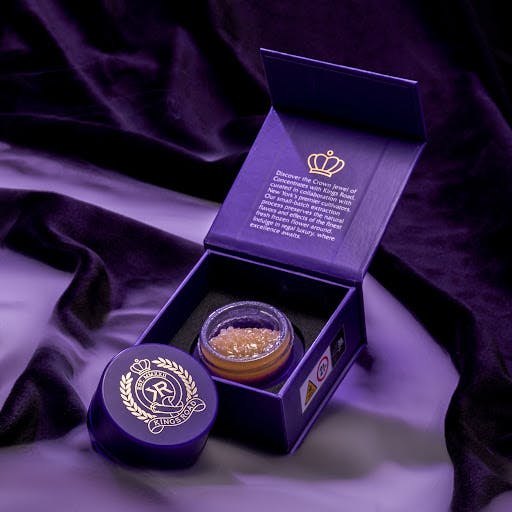
Brooklyn · Concentrates
Best Concentrates in Bedford-Stuyvesant, Brooklyn
Bedford-Stuyvesant's brownstone-lined blocks and the steady rhythm of Nostrand Avenue set the stage for a discerning cannabis category: concentrates. For adult-use shoppers in ZIP codes 11216 and 11221, this format offers precision, potency, and a refined ritual that aligns with Bed-Stuy's evolving, culturally rich character.
About Concentrates
Concentrates occupy the upper tier of the New York adult-use cannabis market — not because they are merely potent, but because they reward knowledge. Produced through extraction processes that isolate cannabinoids and terpenes from the plant material, concentrates arrive in several distinct forms: live resin, rosin, distillate, wax, shatter, budder, and sauce, each with its own texture, flavor profile, and consumption ritual. Under New York's adult-use licensing framework, all concentrates sold through licensed dispensaries must pass rigorous testing for residual solvents, pesticides, and accurate cannabinoid labeling, giving consumers a level of transparency that the legacy market never could. The extraction method matters enormously to the final product. Solvent-based concentrates — those made with butane, propane, or CO₂ — tend to produce high yields with clean separation of compounds. Solventless options, particularly live rosin pressed from fresh-frozen flower, have become the connoisseur's choice: no chemical residue, and a terpene expression that reads closer to the living plant. New York's licensed producers have invested heavily in solventless lines, reflecting both consumer demand and the state's regulatory emphasis on clean products. For first-time concentrate shoppers, the potency range can be striking. Where a premium flower might test at 22–28% THC, a quality concentrate can register between 60–90% total cannabinoids. This is precisely why New York's public-health guidance — and any responsible retailer — reinforces a start-low, go-slow approach. A small amount goes a considerable distance, and the onset when dabbing or using a concentrate pen is faster and more pronounced than with flower. The category also splits cleanly by format convenience. Cartridges and all-in-one vape pens bring concentrates into an approachable, portable format that requires no additional hardware. Dab-ready concentrates — wax, shatter, live rosin — require a dab rig or e-rig and reward the enthusiast willing to invest in the setup. Understanding which end of that spectrum fits your lifestyle is the first decision any Bed-Stuy shopper should make.
Concentrates for Bedford-Stuyvesant shoppers
Bedford-Stuyvesant carries a particular energy — creative, community-rooted, and increasingly cosmopolitan without having surrendered its identity. The blocks radiating off Fulton Street and Nostrand Avenue are home to artists, architects, freelancers, and longtime Brooklyn residents who share a taste for things made with craft and intention. Concentrates, at their best, are exactly that: the result of careful extraction, quality sourcing, and a commitment to the full expression of the cannabis plant. The category fits the neighborhood's aesthetic sensibility in a way that mass-market pre-rolls simply do not. Practically speaking, Bed-Stuy shoppers navigate a mix of commutes. The A and C trains running through the neighborhood connect residents to Manhattan quickly, while many work remotely from the parlor floors of those signature brownstones. For the home-based professional, a solventless live rosin used through a quality e-rig at the end of the workday offers a deliberate, ritual-forward experience — a clear boundary between focus and rest. For those heading into the city or to weekend events, a lab-tested concentrate cartridge in 11216 or 11221 is a discreet, weather-resilient option that a humid Brooklyn August or a raw February evening on Nostrand won't compromise the way a pre-roll might. The neighborhood's cultural density also means concentrates are often shared among informed groups — house gatherings in restored brownstones, roof sessions, studio visits. In these contexts, the flavor complexity of a high-quality live resin or rosin becomes part of the conversation rather than background to it. Terpene-forward concentrates that express specific cultivar profiles give enthusiasts something to discuss, compare, and appreciate, much like a well-chosen bottle of natural wine brought to a dinner on Hancock Street.
What to look for
Selecting a concentrate begins with understanding terpenes, because they govern flavor and the nuanced character of the experience in ways that THC percentage alone cannot. For concentrates, look closely at the terpene panel on the lab report. Myrcene contributes an earthy, relaxing base; limonene adds citrus brightness and tends toward an uplifting quality; caryophyllene brings a peppery depth that many find grounding. Live resin and live rosin — both made from fresh-frozen plant material — preserve the broadest terpene range and represent the most accurate expression of the original cultivar. If a concentrate's label lists only THC percentage without a terpene breakdown, treat that as a flag and ask your budtender for the full certificate of analysis. Format trade-offs deserve careful thought. Cartridges and disposable vape pens offer maximum portability and dose discretion — useful for anyone moving through the neighborhood or commuting — but they often use distillate as the base oil, which may have terpenes reintroduced after extraction rather than preserved through the process itself. That does not make them inferior, but it does make them different. Rosin cartridges, increasingly available from New York licensed producers, close that gap by using solventless oil. For the home user setting up a dedicated ritual, a gram of live rosin or a high-quality sauce in a jar rewards the additional hardware investment many times over in flavor and complexity. Potency guidance is straightforward: concentrates in the 70–85% THC range are not equivalent to flower in the same percentage, and experienced flower consumers are often surprised by the difference. Start with a very small quantity — rice-grain sized or less for dabbable formats — and allow a full fifteen minutes before reassessing. New York's licensed dispensaries are well-positioned to walk you through these distinctions without pressure.
Why ZenZest for concentrates in Bedford-Stuyvesant
ZenZest Cannabis Dispensary serves Bedford-Stuyvesant shoppers through its Staten Island location at 2343 Forest Ave, Staten Island, NY 10303 — approximately 11.9 miles from the heart of Bed-Stuy, accessible via the Verrazzano corridor. The store maintains a curated concentrate selection that spans vape-ready formats, solvent-based extracts, and premium solventless options from New York State licensed producers, with staff prepared to walk through lab data and format differences without rushing the conversation. For shoppers in ZIP codes 11216 and 11221 who prefer not to make the trip, ZenZest's same-day delivery is available on qualifying orders over $100, covering more than 80 New York ZIP codes including this area. Ordering through the ZenZest platform means the same licensed, lab-tested concentrate inventory available in-store arrives at your Bed-Stuy brownstone on your schedule — a meaningful convenience for a category where product selection and freshness both matter.
ZenZest Staten Island · 2343 Forest Ave, Staten Island, NY 10303 · 11.9 miles from Bedford-Stuyvesant.
Live concentrates for Bedford-Stuyvesant
Full concentrates menu →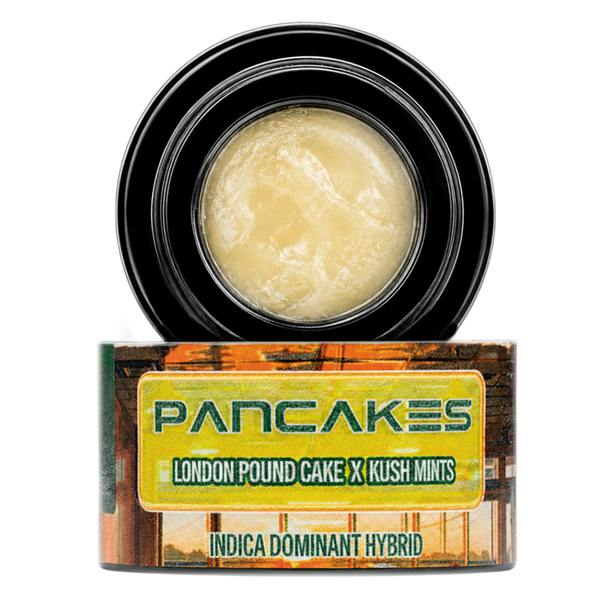
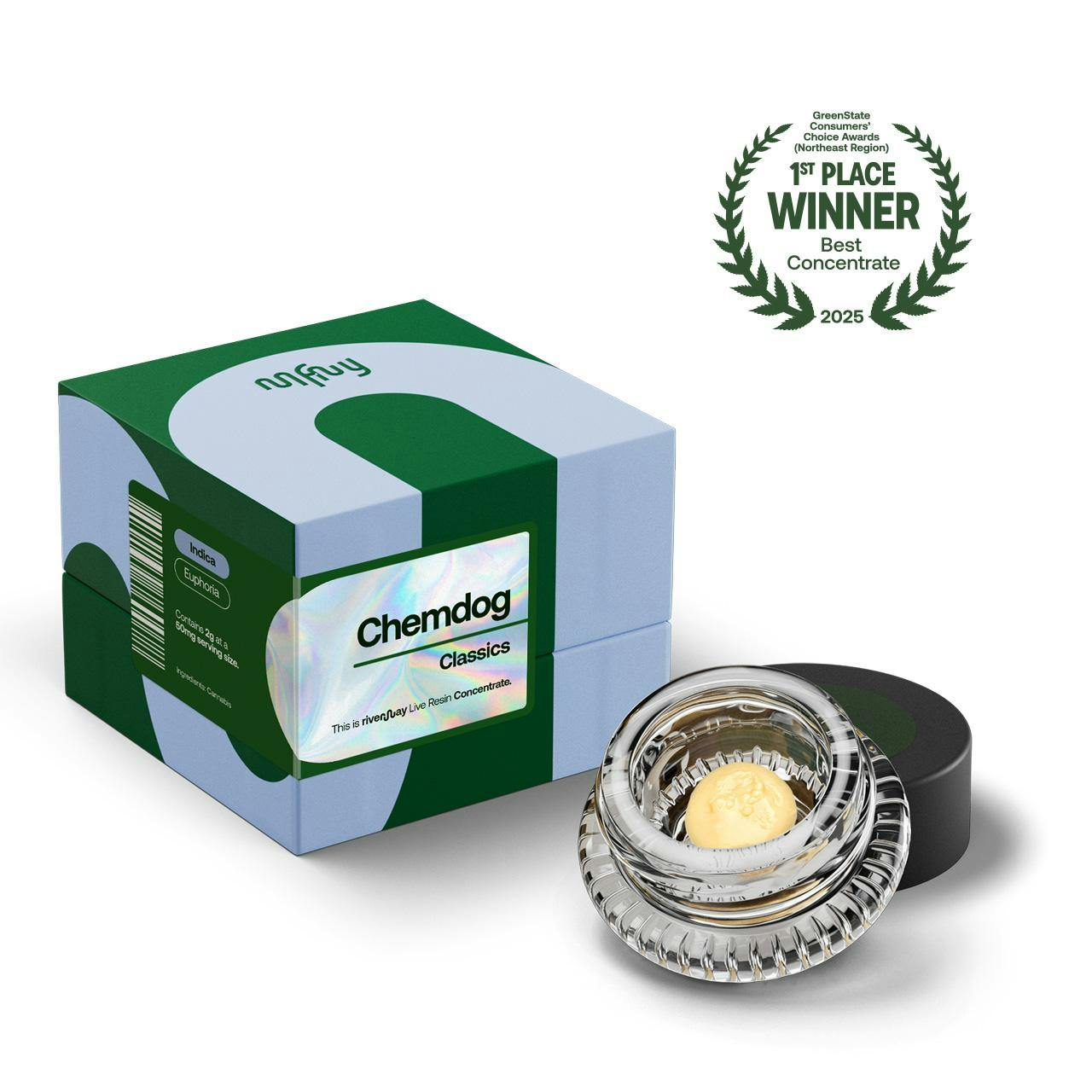
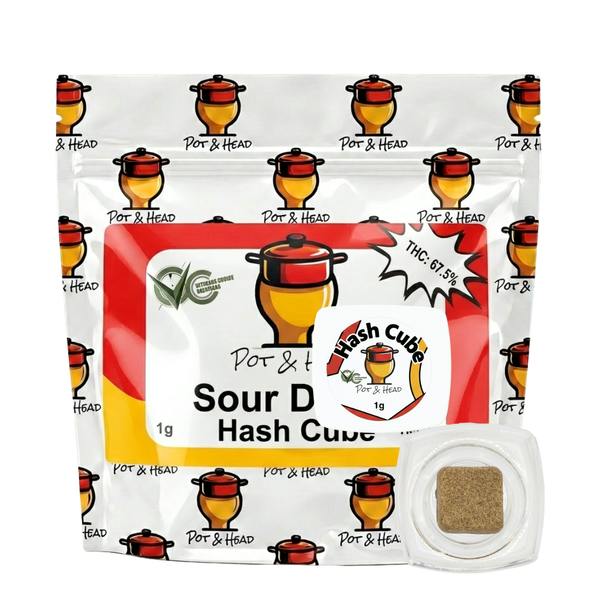
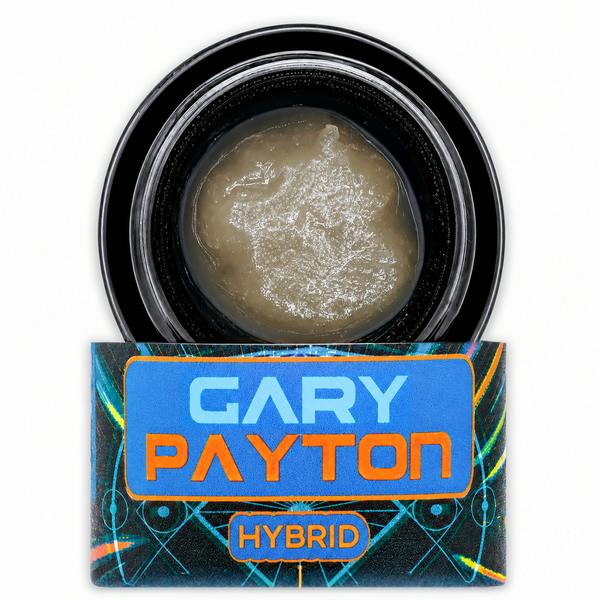
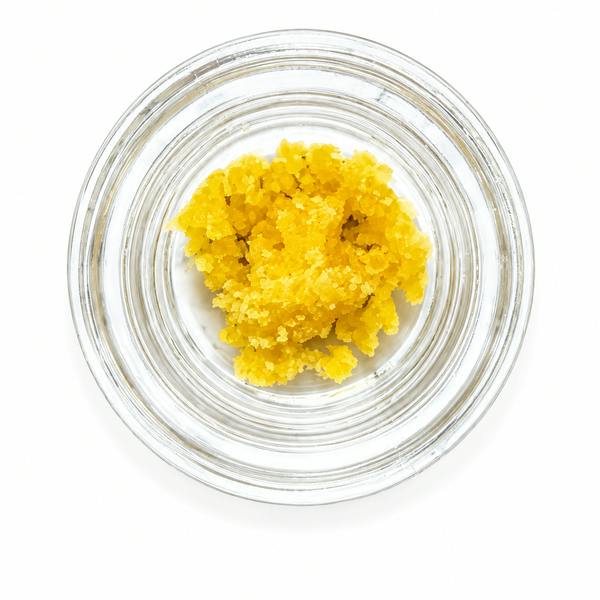
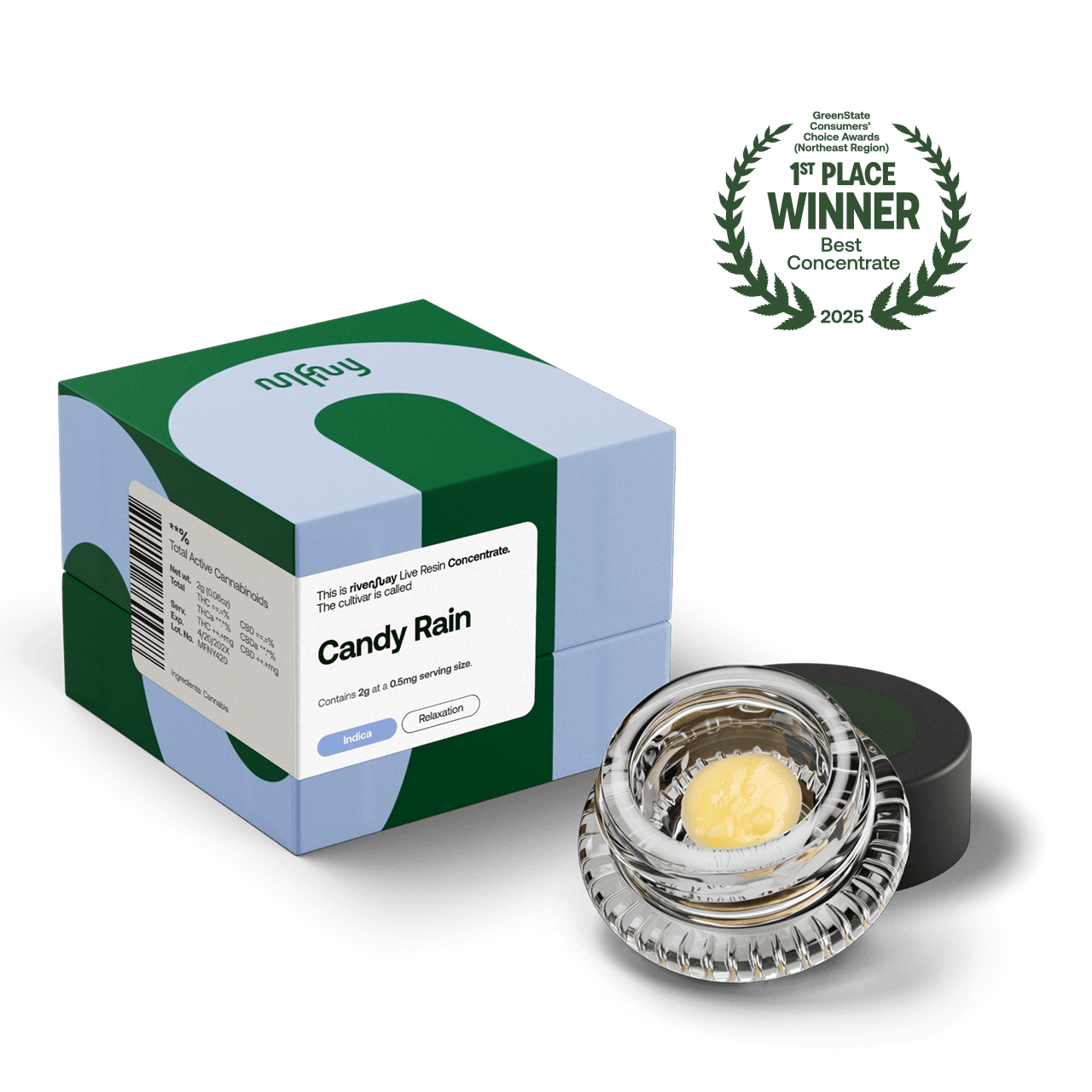
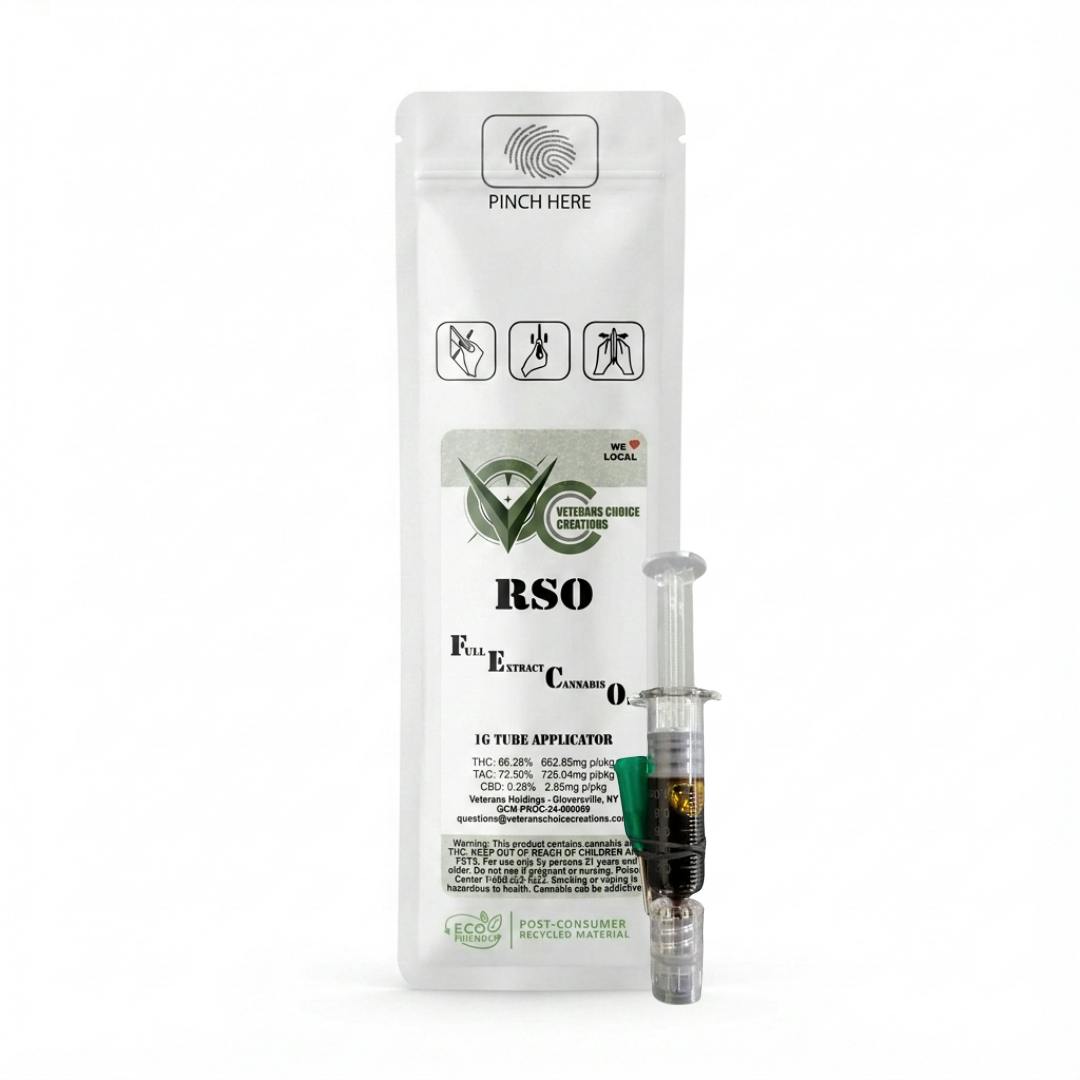
THC 66.28%·CBD 0.13%Hybrid
Veteran's Choice CreationsVETERANS CHOICE CREATIONS | 1G | RSO - FECO (FULL EXTRACT CANNABIS OIL) · 1g
$39.82
$45after tax
Concentrates in Bedford-Stuyvesant — answers
What is the difference between live resin and live rosin, and which is better for a Bed-Stuy connoisseur?+
Live resin is produced using solvents — typically butane or propane — applied to fresh-frozen cannabis, then purged to leave behind a terpene-rich concentrate. Live rosin skips solvents entirely, using heat and pressure to press oil from fresh-frozen material. Both preserve a fuller terpene profile than concentrates made from dried flower. For shoppers in Bed-Stuy who value craft and process transparency — much the way the neighborhood values authentic food and art — live rosin tends to align most closely with that sensibility, though premium live resin from licensed New York producers is equally legitimate and often more affordable.
Are concentrates available for adult-use purchase in New York without a medical card?+
Yes. New York's adult-use cannabis market, open to individuals 21 and older, includes concentrates sold through licensed dispensaries. No medical card or physician consultation is required. You will need a valid government-issued ID confirming you are 21 or older at the point of purchase or delivery. All concentrates sold through licensed New York dispensaries must meet state testing standards for safety and accurate labeling, which is a meaningful distinction from unregulated products.
Do I need special equipment to use concentrates purchased in Bed-Stuy?+
It depends on the format. Concentrate cartridges require only a compatible 510-thread battery, which is widely available and inexpensive. All-in-one disposable vape pens require nothing additional. Dab-ready concentrates — wax, shatter, rosin, sauce — require a dab rig with a quartz banger and a torch, or an electronic rig (e-rig), which offers more temperature control and is generally preferred by flavor-focused enthusiasts. If you are new to concentrates, starting with a cartridge or disposable before investing in dab hardware is a reasonable approach.
How should a first-time concentrate user in ZIP code 11216 or 11221 approach potency?+
New York's public health guidance and responsible retailers both emphasize a start-low, go-slow approach for concentrates, given their significantly higher cannabinoid concentration compared to flower. For dabbable formats, begin with a quantity no larger than a grain of rice. For vape cartridges, a single short draw and a fifteen-minute observation period before continuing is a sound practice. The onset from inhaled concentrates is faster than edibles but can still be more pronounced than expected for those accustomed to flower. There is no clinical prescription here — only practical caution.
What terpenes should I look for in a concentrate if I want a calming evening experience after a long commute from Manhattan?+
Terpenes associated with a more settling, relaxing character include myrcene — earthy and herbaceous, common in indica-leaning cultivars — and linalool, a floral compound found in some cannabis strains that is also present in lavender. Beta-caryophyllene, which carries a spicy, peppery note and is the only terpene known to interact with the body's endocannabinoid receptors directly, also appears frequently in cultivars that enthusiasts describe as grounding. Ask to see the terpene panel on any concentrate's certificate of analysis at the point of purchase. Note that this is general flavor and cultivar guidance, not a medical claim.
Can I get concentrates delivered to my brownstone in Bedford-Stuyvesant?+
Yes. Licensed cannabis delivery in New York is available through qualifying dispensaries. ZenZest Cannabis Dispensary offers same-day delivery on orders over $100 to more than 80 New York ZIP codes, which includes addresses in Bed-Stuy's 11216 and 11221 ZIP codes. Orders are fulfilled from licensed inventory, meaning every concentrate delivered meets the same testing and labeling standards as in-store purchases. Delivery is limited to adults 21 and older with valid ID verification at the door.
How do concentrate cartridges hold up in Brooklyn's summer humidity and winter cold?+
Climate resilience is one of the practical advantages of concentrate cartridges for Bed-Stuy residents navigating Brooklyn's seasons. The oil inside a sealed cartridge is far less affected by humidity than flower or a pre-roll. In cold weather, some thicker oils — particularly those with higher terpene content — may become viscous and pull harder; warming the cartridge briefly in your hand for thirty seconds typically resolves this. Avoid storing cartridges in direct sunlight or in a car during summer, as prolonged heat can degrade both the oil and the hardware. A cool, dark indoor location on Nostrand or Fulton preserves quality best.
What distinguishes a high-quality concentrate from a lower-quality product on the New York licensed market?+
Three indicators matter most. First, the certificate of analysis: a reputable licensed product will show a full terpene panel alongside cannabinoid percentages, and residual solvent levels below New York's allowable thresholds. Second, texture and color — quality dabbable concentrates should be consistent in texture without visible separation or unusual discoloration, which can indicate unstable extraction or improper storage. Third, source transparency: concentrate packaging that identifies the cultivar, the grower, and the extraction method gives you information to make a meaningful comparison. Distillate-based cartridges with added botanical terpenes are not inferior, but they are a different product from live rosin — and the label should make that clear.
Are solventless concentrates significantly more expensive, and is the premium worth it for a Bed-Stuy shopper?+
Solventless concentrates — particularly live rosin — are generally priced at a premium over solvent-based extracts and distillate cartridges, reflecting the labor-intensive process and lower yields. In New York's licensed market, that premium typically ranges from 20–50% depending on the producer and format. Whether it is worth it depends on how you are using the product. For a home-use ritual where flavor and full-spectrum terpene expression are priorities, many enthusiasts find the difference significant. For convenient, on-the-go vape use around Bed-Stuy, a quality live resin or even a well-made distillate cartridge may serve the context equally well.
How is New York's licensing framework for concentrates different from what was available before the adult-use market opened?+
The most material difference is third-party laboratory testing and transparent labeling. All concentrates sold through New York's licensed adult-use dispensaries must be tested by a state-approved laboratory and display accurate cannabinoid percentages, terpene content where applicable, and residual solvent levels confirming they fall within allowable limits. Products must also carry batch tracking information that ties back to a licensed cultivator or processor. This infrastructure was entirely absent from unregulated channels, where potency claims were unverified and solvent purity was unknown. For Bed-Stuy shoppers, buying from a licensed dispensary or through licensed delivery is the clearest way to access that transparency.