
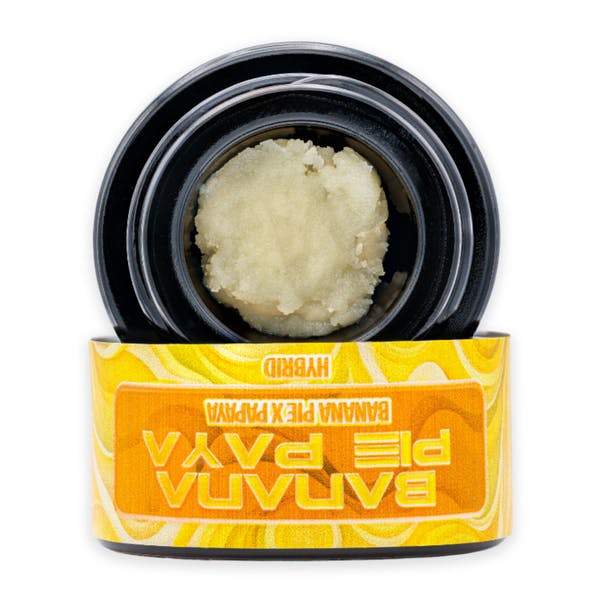
Queens · Rosin
Best Rosin in Bayside, Queens
Bayside, Queens has long cultivated a reputation for discerning taste — from the bistros lining Bell Boulevard to the quiet Saturday mornings along the Crocheron Park waterfront. That same sensibility is now extending to cannabis concentrate culture, where solventless rosin has emerged as the category of choice for adults who prioritize purity, craft, and traceability in every purchase.
About Rosin
Rosin occupies a singular position in the New York licensed cannabis market. Unlike hydrocarbon or CO2 extracts, rosin is produced entirely without chemical solvents — fresh or dried flower, hash, or kief is subjected to calibrated heat and pressure, yielding a translucent, terpene-rich concentrate that retains the plant's original aromatic and cannabinoid profile with remarkable fidelity. The result is a product that concentrate enthusiasts often describe as the closest thing to consuming the living plant itself. New York's Office of Cannabis Management licenses a growing roster of processors authorized to produce and sell rosin, meaning consumers shopping through licensed dispensaries can now access lab-tested, properly labeled rosin with full cannabinoid and terpene panel disclosure. Certificates of Analysis — commonly called COAs — are the baseline expectation at any reputable retailer, and they allow a buyer to verify potency, confirm the absence of residual solvents (which, in true rosin, should read at zero), and understand the terpene makeup before committing to a purchase. Formats vary considerably. Fresh-press rosin is produced from recently harvested, uncured flower and tends to carry the most volatile, bright terpene expression — often citrus-forward or floral. Cured rosin, made from dried and aged flower, typically presents a deeper, earthier profile. Rosin badder and rosin jam are whipped or agitated to specific textures that many users find easier to handle on a dab tool. Hash rosin — the premium tier — is pressed from ice-water hash and commands higher prices due to the additional labor and starting-material quality required. For adult-use shoppers in Queens County, all of these formats are now accessible through licensed channels, and the price-to-quality ratio has improved substantially as the state's licensed supply chain matures.
Rosin for Bayside shoppers
Bayside is one of Queens' most established residential enclaves, anchored by the rhythm of Bell Boulevard's restaurants and the Long Island Rail Road's Port Washington Branch — a commute corridor that deposits residents into Midtown Manhattan in roughly thirty-five minutes. The neighborhood's ZIP codes (11360, 11361, and 11364) cover a range of housing stock from bayfront co-ops near Little Neck Bay to the quieter, tree-lined blocks stretching toward Crocheron Park, and that diversity is reflected in the adults who are increasingly exploring the licensed cannabis market here. For the Bayside shopper, rosin aligns particularly well with the neighborhood's measured, quality-over-quantity sensibility. The category rewards patience — starting low and going slow is especially relevant with concentrates, which can deliver significantly more cannabinoids per session than flower — and it tends to attract consumers who have already spent time with cannabis and are ready to explore something more refined. The long winters along the North Shore of Queens make solventless concentrates a natural companion for evenings spent indoors, while the neighborhood's proximity to Crocheron Park and the Little Neck Bay shoreline suggests warm-weather occasions where a small, discreet dab device fits comfortably into an afternoon off. The Northern Boulevard corridor also connects Bayside to broader Queens commerce, and residents accustomed to sourcing quality goods — whether from the neighborhood's Korean and Japanese dining establishments or its independent specialty retailers — bring comparable expectations to their cannabis purchases. Rosin, as a category, meets that expectation: it is inherently artisanal, process-dependent, and impossible to fake at the quality tier.
What to look for
When evaluating rosin at a licensed New York dispensary, the COA is your first reference point. Look for a total terpene percentage on the panel — anything above two percent is generally expressive, and above four percent signals exceptional starting material and processing care. The specific terpenes matter as much as the total. Myrcene tends toward relaxing, earthy character; limonene reads as bright and uplifting; caryophyllene carries a peppery warmth that some consumers find grounding; terpinolene and ocimene are associated with more energetic, cerebral profiles. Understanding these building blocks helps a buyer select a rosin that suits their intended use occasion rather than relying on broad indica or sativa labels, which carry limited scientific weight at the concentrate level. THC potency in rosin typically ranges from the high sixties to the low eighties in percentage terms, and occasionally higher in premium hash rosin. This is substantially more concentrated than flower, which generally tests between fifteen and thirty percent THC. New consumers and those returning to cannabis after a long absence should approach rosin with particular intention — start low, go slow is the appropriate framework, and small amounts applied to a quality dab device or electronic vaporizer at moderate temperatures will preserve the terpene character far better than high-heat applications. For Bayside shoppers specifically, texture is a practical consideration. Bayside winters are genuinely cold, and rosin — particularly fresh-press varieties — can become brittle and difficult to handle at low temperatures. Rosin badder or rosin jam maintains a more workable consistency in cooler environments, making it a sensible choice for consumers who store their concentrates in a cool space or travel with them on the Port Washington Line commute. In warmer months, sauce-consistency rosins stored in a cool, dark location perform well. Always prioritize opaque or UV-protective packaging when available, as light degradation is one of the primary enemies of terpene quality over time.
Why ZenZest for rosin in Bayside
ZenZest Cannabis Dispensary operates a Queens location at 272-06 Union Turnpike in Bellerose, approximately 3.7 miles from central Bayside — a straightforward drive west on Northern Boulevard or a brief trip via the local road network. The store carries a curated selection of licensed New York concentrates, including solventless rosin across multiple formats and price points, with staff trained to walk adult-use shoppers through COA interpretation and texture differences before any purchase is made. The environment is deliberate and unhurried, which suits the category well. For Bayside residents who prefer not to make the drive, ZenZest offers free same-day delivery on orders over $100, with service extending across more than eighty New York ZIP codes — including 11360, 11361, and 11364. Rosin, given its compact size and premium positioning, frequently reaches that threshold as part of a well-considered order. Delivery brings licensed, lab-tested product directly to a Bayside address with the same product access available in-store, making ZenZest a practical and premium option for this neighborhood.
ZenZest Queens · 272-06 Union Tpke, Bellerose, NY 11004 · 3.7 miles from Bayside.
Live rosin for Bayside
Full rosin menu →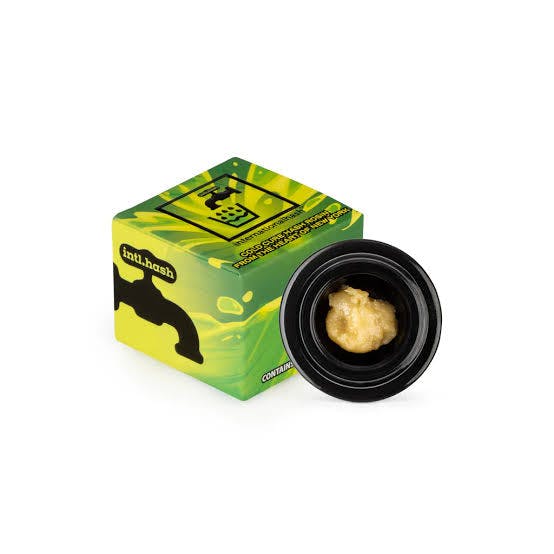
THC 75.73%Hybrid
INTERNATIONAL HASHInternational Hash | Cold Cure Hash Rosin | Grapefruit Hybrid · 1g
$66.37
$75after tax
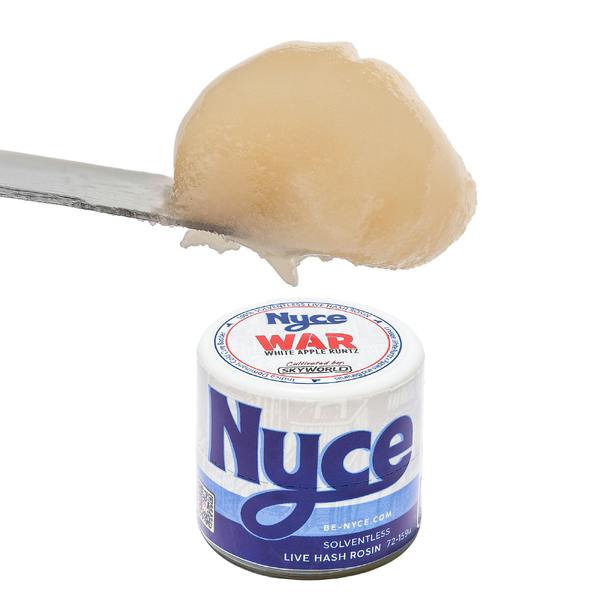
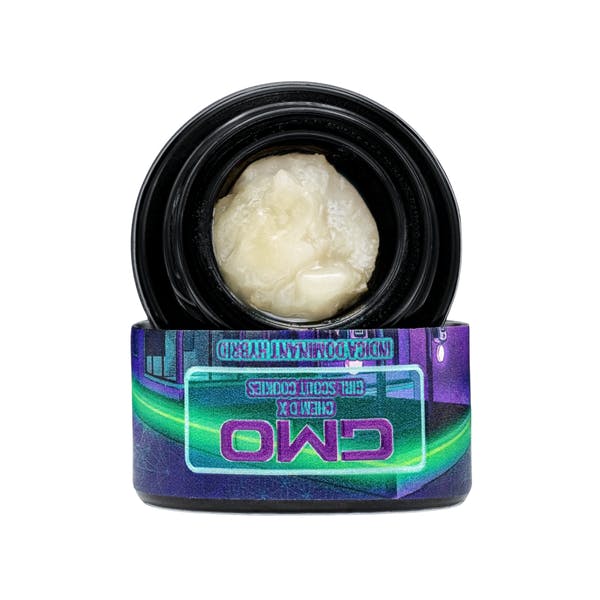
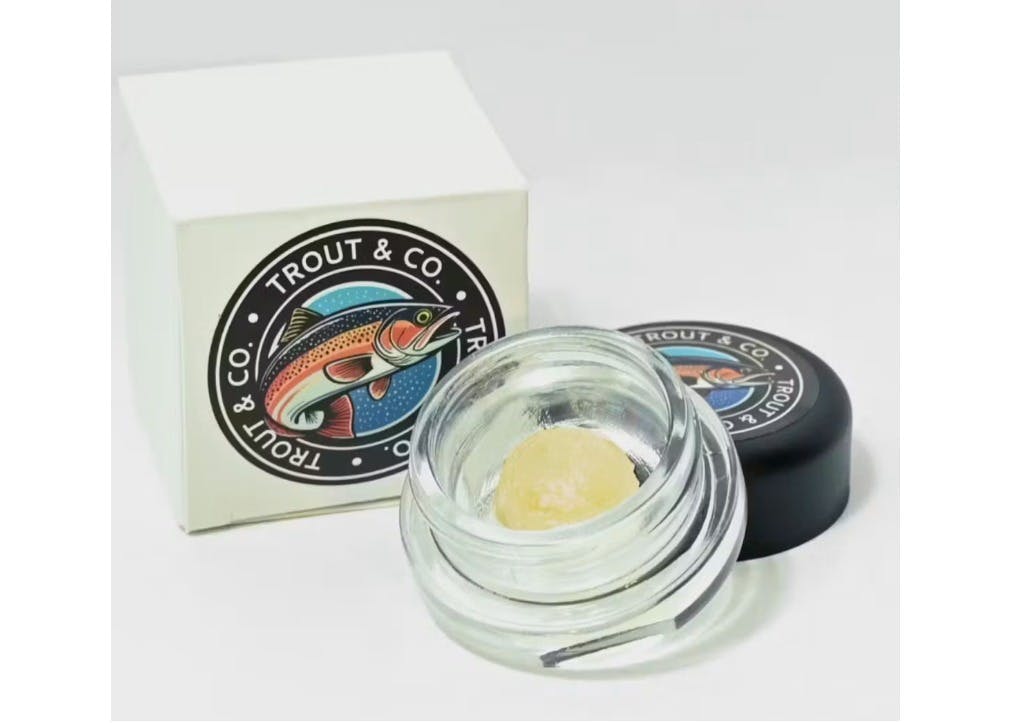
THC 77.52%Hybrid
Trout & Co.Trout & Co. | Super Funk | Live Rosin Private Reserve · 1g
$88.50
$100after tax
Rosin in Bayside — answers
What makes rosin different from other cannabis concentrates available at New York dispensaries?+
Rosin is the only major concentrate category produced entirely without chemical solvents. Heat and pressure are the only processing agents, which means a finished rosin carries no residual solvents by definition — a claim that cannot be made for butane hash oil, propane hash oil, or most CO2 extracts. For Bayside shoppers who prioritize clean-label, traceable products, rosin occupies the top of the purity hierarchy among New York licensed concentrates. A COA from a licensed processor will confirm zero residual solvents.
How does hash rosin differ from flower rosin, and is the price difference worth it in Queens County?+
Flower rosin is pressed directly from dried cannabis flower or trim, while hash rosin begins with ice-water hash — itself an additional extraction step that concentrates trichomes before any heat or pressure is applied. The result is a cleaner, more terpene-dense product with a higher proportion of cannabinoids relative to plant waxes and lipids. Hash rosin commands a meaningful price premium in the licensed New York market. For discerning Bayside consumers already accustomed to paying for quality in other categories, hash rosin typically justifies that premium in taste clarity and overall expression.
What temperature should I use when dabbing rosin at home?+
Temperature management is one of the most important variables in the rosin experience. Lower temperatures — generally in the 450 to 550 degree Fahrenheit range on a quartz banger or electronic dab device — preserve the volatile terpenes responsible for aroma and flavor nuance. Higher temperatures combust rather than vaporize, producing a harsher result and destroying much of the terpene character that distinguishes a quality rosin from a generic concentrate. Electronic dab devices with precise temperature control are widely available and are a worthwhile investment for anyone committing seriously to the rosin category. Start low, go slow applies here as well.
Does cold winter weather in Bayside affect how I should store or handle rosin?+
Yes, notably. Rosin — particularly fresh-press and live rosin varieties — becomes more brittle and glass-like at cold temperatures, which can make it difficult to scoop cleanly with a dab tool. If you store concentrates in a cool space or carry them during a winter commute on the Port Washington Line, a badder or jam consistency rosin will remain more pliable and workable than a sauce or shatter-like fresh-press. Regardless of texture, store rosin in an airtight, opaque container away from light and heat to preserve terpene integrity over time.
Is rosin appropriate for someone who is relatively new to cannabis concentrates?+
Rosin can be a good entry point into concentrates because its flavor profile tends to be clean and recognizable — it reads as an intensified version of the flower it was pressed from, without the chemical aftertaste that some consumers notice in solvent-based extracts. That said, concentrate potency is substantially higher than flower, with rosin typically testing between 65 and 82 percent THC. New concentrate consumers should begin with very small amounts, use a low-temperature device, and allow adequate time to assess the effect before consuming more. Starting low and going slow is the appropriate and responsible framework.
What terpenes should a Bayside shopper look for if they want a rosin suited to relaxing evenings at home?+
Myrcene is the terpene most commonly associated with a relaxing, body-centered character and is frequently found in higher concentrations in indica-leaning cultivars. Linalool — a floral, slightly lavender-adjacent terpene — also appears in some rosin panels and is associated with calm effects. Caryophyllene, which carries a warm, peppery note and is the only terpene that also interacts with cannabinoid receptors directly, rounds out a profile that many consumers find well-suited to quieter, indoor occasions. Ask your budtender at a licensed dispensary to pull the COA terpene panel before you purchase.
Can I get rosin delivered to my Bayside address through a licensed New York dispensary?+
Yes. ZenZest Cannabis Dispensary delivers to all three Bayside ZIP codes — 11360, 11361, and 11364 — as part of its same-day delivery service covering more than eighty New York ZIP codes. Orders over $100 qualify for free delivery. Rosin is compact and premium-priced, which means a focused order can reach that threshold comfortably. All delivered products are licensed, lab-tested, and properly sealed in compliance with New York adult-use regulations. Delivery is available to adults 21 and older with valid government-issued identification.
How do I read a rosin COA, and why does it matter when shopping in New York?+
A Certificate of Analysis is a third-party laboratory report confirming the potency, terpene content, and safety profile of a specific cannabis product lot. For rosin, the most important sections are: total THC and total cannabinoid potency (expressed as a percentage), the terpene panel (individual terpenes listed by percentage), and the residual solvent screen (which should read non-detected or ND across all categories for true rosin). Licensed New York dispensaries are required to carry products from state-licensed processors that have submitted to this testing. Reviewing a COA before purchase allows a Bayside shopper to make an informed, taste-specific decision rather than relying solely on marketing language.
What is live rosin, and how does it differ from the standard rosin sold at Queens dispensaries?+
Live rosin is produced from fresh-frozen cannabis — plants harvested and immediately frozen rather than dried and cured. This process preserves a broader spectrum of volatile terpenes, particularly the lighter, more aromatic compounds that evaporate during conventional drying. The result is a rosin with a more vivid, complex aroma and flavor profile than its cured-flower counterpart. Live rosin typically occupies the highest price tier in the solventless category within the licensed New York market and is best suited for consumers who prioritize aromatic complexity and are comfortable working with a more perishable, delicate product.
Are there particular cultivars or strain profiles that tend to produce exceptional rosin, and what should I ask for at the dispensary?+
Cultivars with dense, resinous trichome structures and naturally high terpene expression tend to produce the most compelling rosin. Strains with lineage rooted in classic Kush, Gelato, or MAC genetics frequently appear in licensed New York rosin offerings for this reason. When speaking with staff at a licensed dispensary, ask which cultivar the rosin was pressed from, what the terpene percentage reads on the COA, and whether the processor is known for solventless specialization. A budtender at a quality licensed store should be able to answer all three questions confidently before you make a purchase decision.