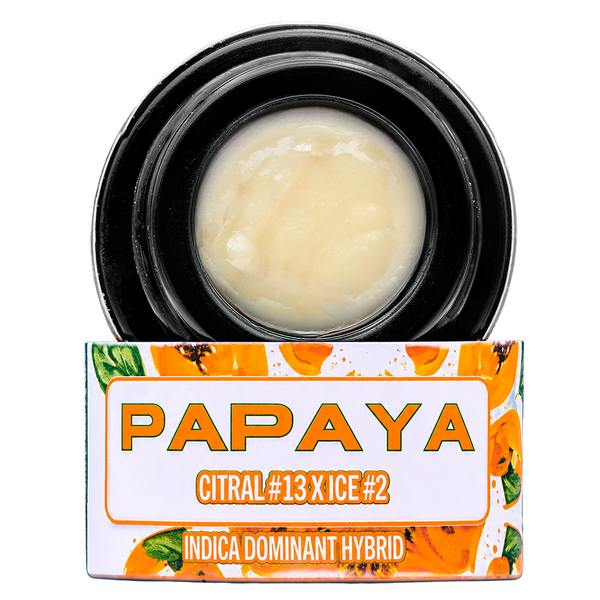
On sale· 20% OFF
THC 81.28%·CBD 0.26%Indica-Hybrid
UmamiiUmamii | Live Rosin Jar | Papaya · 2g
$80.70$100.88
$94after tax

weeddispensarynearme.com
You must be 21 years or older to enter. By entering, you confirm you’re of legal age in your state to purchase cannabis.
For use only by adults 21+ • Keep out of reach of children
Bay Ridge, Brooklyn's most architecturally grounded neighborhood, sits where 3rd Avenue's neighborhood commerce meets the soaring cables of the Verrazzano-Narrows Bridge. For adult cannabis consumers in 11209 who appreciate craft above convention, solventless rosin has emerged as the category worth knowing — a concentrate defined by pressure, heat, and an uncompromising respect for the plant.
About Rosin
Rosin is the purest expression of what modern cannabis extraction can achieve without introducing a single foreign solvent into the process. Produced by applying calibrated heat and hydraulic pressure to cannabis flower, hash, or kief, rosin captures the full-spectrum resin of the plant — terpenes, cannabinoids, and minor compounds intact — and yields a product that ranges in texture from a glistening, sap-like pull-and-snap to a creamy, butter-consistency badder. The absence of residual solvents is not merely a marketing distinction; it is a meaningful quality indicator for the discerning consumer who wants to know exactly what is in the product and nothing more. In the New York licensed market, rosin occupies the upper tier of the concentrate category. Because the process demands high-quality starting material and considerable craft, pricing reflects that investment. Licensed dispensaries in the state carry rosin sourced from cultivators who have received Adult-Use Conditional Cultivation or standard OCM licensure, meaning every product on the legal shelf has passed state-mandated testing for potency, residual contaminants, and microbial safety. That regulatory framework matters: the concentrate market was, for years, one of the murkiest in unlicensed commerce, and the licensed channel represents a genuine consumer protection. Rosin typically appears in the New York market in several formats. Live rosin — made from flash-frozen, freshly harvested cannabis — preserves volatile terpene profiles that cured-flower rosin cannot always replicate. Hash rosin, pressed from bubble hash or dry-sift starting material, is widely regarded as the apex of the category, offering refined complexity and exceptional cleanliness. Vape cartridges filled with rosin oil are also available for consumers who prefer inhalation without a dab rig. Each format carries its own trade-offs in flavor intensity, onset speed, and required equipment, all of which are worth understanding before purchase.
Rosin for Bay Ridge shoppers
Bay Ridge carries a particular sensibility: this is a neighborhood where longevity matters, where the same families have run the same blocks along 5th Avenue for generations, and where a new establishment earns trust by demonstrating quality rather than novelty. That ethos translates naturally to the rosin consumer profile. Concentrate enthusiasts who seek out solventless products are, broadly speaking, people who have spent time with cannabis, developed palate preferences, and arrived at rosin through deliberate exploration rather than impulse. The Verrazzano-Narrows Bridge frames Bay Ridge's southwestern edge as a constant visual reference — a piece of precision engineering whose beauty is a direct function of its structural integrity. There is an apt metaphor there for rosin: a product whose appeal is entirely dependent on the care taken at every stage of production. Residents of 11209 who commute over that bridge into Staten Island or who catch the B63 or R train into Manhattan understand the value of something that performs reliably, without complication. Seasonally, Bay Ridge's proximity to the harbor means winters carry a particular dampness, and the neighborhood's tree-lined residential blocks can feel genuinely hushed on a cold evening. Rosin, with its rich terpene expression and relatively modest volume requirements — a small amount goes a considerable way — suits both the measured indoor evening and the unhurried weekend afternoon on a brownstone stoop when warmer months arrive. The 3rd Avenue corridor's independent restaurant and wine-bar scene also reflects a community that values provenance and craft, making rosin a conceptually coherent fit.
What to look for
When evaluating rosin in the New York licensed market, three variables deserve close attention: starting material quality, terpene profile, and texture as an indicator of process. Starting material is the foundation. Rosin pressed from top-tier, hand-selected flower or from meticulously washed bubble hash will consistently outperform product made from trim or lower-grade inputs. Ask your budtender about the cultivar and, where available, the hash-making process — six-star bubble hash starting material is widely considered the gold standard for hash rosin. Terpenes are the primary driver of experiential differentiation in rosin, even more than THC percentage. Myrcene-dominant profiles tend toward earthy, relaxing character; limonene and terpinolene bring brightness and energy; caryophyllene offers a spiced, grounding quality; and pinene contributes clarity. For Bay Ridge consumers who might be unwinding after a commute or settling into a quiet residential evening, a rosin with a balanced terpene profile — rather than one chasing peak THC numbers — will often deliver a more satisfying result. The general principle of starting with a modest amount and assessing response before consuming further is sound practice for any concentrate, given the category's potency relative to flower. Texture signals process integrity. A properly made live rosin badder should be consistent, neither excessively greasy nor crumbly. A pull-and-snap consistency in a cured rosin indicates proper moisture content and storage. Rosin that appears separated, with visible oil pooling, may have been stored improperly or made under inconsistent pressure and temperature. In the licensed New York channel, packaging includes lot numbers and testing certificates — do not hesitate to consult the COA (Certificate of Analysis) for terpene breakdown and potency before committing to a product.
Why ZenZest for rosin in Bay Ridge
For Bay Ridge residents in 11209 seeking licensed, quality-vetted rosin, ZenZest Cannabis Dispensary's Staten Island location at 2343 Forest Ave — approximately 6.5 miles from the neighborhood via the Verrazzano-Narrows Bridge — represents the nearest full-service option. ZenZest curates its concentrate shelf with an emphasis on licensed, tested products, and the staff approach concentrate education with the same seriousness that the category demands. Whether a consumer is purchasing their first rosin or refining a long-standing preference, the in-store experience is calibrated to inform rather than overwhelm. For those who prefer not to make the crossing, ZenZest extends free same-day delivery on orders over $100 to more than 80 New York ZIP codes, and 11209 is included in that delivery footprint. Rosin, given its packaging requirements and the precision involved in its production, is a category where having a reliable licensed source matters considerably. Ordering through ZenZest ensures every product arrives with full chain-of-custody documentation and state-compliant labeling — the assurance that the licensed market was built to provide.
ZenZest Staten Island · 2343 Forest Ave, Staten Island, NY 10303 · 6.5 miles from Bay Ridge.
$94after tax
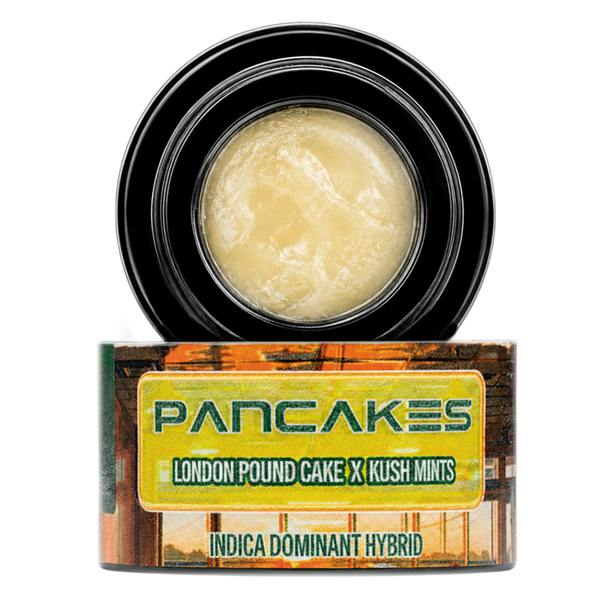
$99after tax

$99after tax
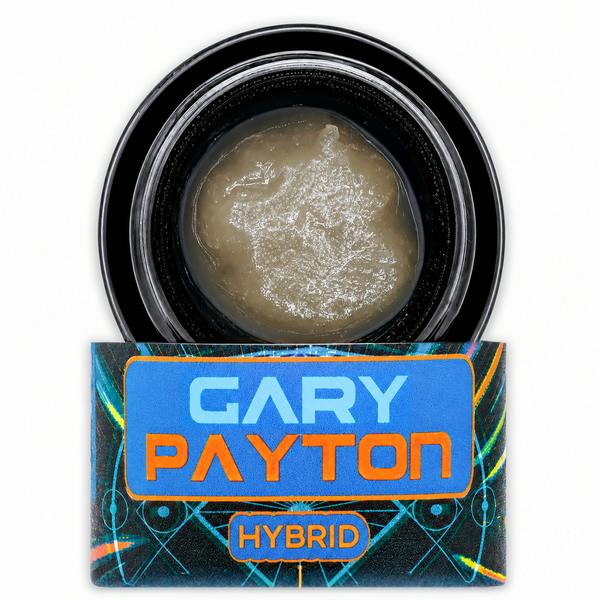
$93after tax
Rosin is produced without any chemical solvents — no butane, ethanol, or CO2 is introduced during extraction. Heat and pressure alone are used to press resin from cannabis flower, kief, or bubble hash. The result is a full-spectrum concentrate that retains the plant's natural terpene and cannabinoid profile without residual solvent concerns. In the New York licensed market, all concentrates undergo state-mandated testing, but rosin's solventless nature makes it a preferred choice for consumers who prioritize ingredient simplicity and process transparency.
Rosin is a rewarding category for those ready to move beyond flower, but it is not typically the first step for someone entirely new to cannabis. Concentrates are meaningfully more potent than flower by volume, and the general principle of starting with a very small amount and waiting to assess the effect before consuming further applies here more than in most other formats. For Bay Ridge consumers curious about concentrates, speaking with a knowledgeable budtender at a licensed dispensary — either in store or via delivery — is the most reliable way to find an entry point suited to your experience level.
The most common method for consuming rosin is a dab rig — a water pipe fitted with a quartz, titanium, or ceramic nail that is heated before the rosin is applied. Electronic dab devices, often called e-rigs, offer more temperature precision and are popular among flavor-focused consumers. Rosin can also be added to flower in a bowl or joint to increase potency. For consumers who prefer not to use a rig, some New York dispensaries carry rosin-filled vape cartridges, which require only a compatible battery and produce vapor rather than smoke.
Rosin is sensitive to heat, light, and air exposure. Proper storage in a cool, dark environment — ideally a refrigerator set between 35 and 45 degrees Fahrenheit — preserves terpene integrity and prevents texture degradation. If refrigerating, allow the product to return to room temperature before opening the container to prevent condensation from contacting the product. Most licensed New York packaging for rosin uses airtight, opaque or amber-glass containers for exactly this reason. Bay Ridge residents who live in south-facing apartments or houses without climate control during summer months should pay particular attention to temperature management.
Live rosin is pressed from cannabis that was flash-frozen immediately after harvest, preserving the full range of volatile terpenes that begin to degrade during the drying and curing process. The result tends to be more aromatic and expressively flavored. Cured rosin is pressed from dried, cured flower or hash and offers a more concentrated, sometimes more muted terpene profile with its own distinct character. Live rosin typically commands a higher price point. For consumers prioritizing peak terpene complexity and are willing to invest accordingly, live rosin is generally the recommendation. For those exploring the category at a more accessible price, cured flower or hash rosin remains an excellent product.
Terpenes are the aromatic compounds responsible for cannabis's scent and flavor, and they also contribute meaningfully to the character of the overall experience. A Certificate of Analysis from a licensed New York testing lab will list terpenes by percentage. Common ones to note include myrcene (earthy, relaxing), limonene (citrus, uplifting), caryophyllene (spiced, grounding), and pinene (fresh, clarifying). In a rosin, because the solventless process preserves these compounds more completely than solvent-based extraction, terpene percentage and diversity are particularly reliable guides to what the experience will be like.
Yes. ZenZest Cannabis Dispensary offers free same-day delivery on orders exceeding $100 to more than 80 New York ZIP codes, and Bay Ridge's 11209 ZIP code is within the eligible delivery area. Delivery from the Staten Island store at 2343 Forest Ave covers the route across the Verrazzano corridor efficiently. All deliveries are compliant with New York State adult-use regulations, meaning the driver will verify identification at the door and the product will arrive in state-licensed, properly labeled packaging. Orders can be placed through ZenZest's platform and are subject to availability of specific concentrate products.
Rosin products in the New York licensed market typically test between 65 and 85 percent total cannabinoids, with some premium hash rosin products reaching slightly higher depending on starting material and process. THC percentage alone, however, is an incomplete guide in this category. A rosin with a rich, complex terpene profile at 72 percent THC will often deliver a more nuanced experience than one with higher THC and minimal terpene presence. New consumers to concentrates should approach the higher end of the potency range with particular caution and prioritize starting with a minimal amount.
The price premium for rosin reflects the demands of the production process. Because no solvent is used, the yield from pressing is lower than solvent-based extraction, meaning more starting material is required to produce the same volume of finished product. When hash rosin is the goal, the process includes an additional step: washing cannabis flower to produce bubble hash before pressing. This adds labor, water, filtration equipment, and time to the workflow. Licensed New York producers also absorb testing, compliance, and licensing costs. The combination of material efficiency losses and skilled craft labor accounts for rosin's position at the upper end of the concentrate price tier.
Rosin-based vape cartridges are available in the New York licensed market and represent a meaningful middle ground for consumers who want the solventless profile of rosin in a more portable and low-barrier format. These cartridges contain rosin that has been processed minimally to achieve the viscosity required for a cartridge, typically without adding cutting agents like those found in conventional distillate carts. The trade-off is some reduction in terpene complexity relative to a fresh rosin dabbed at low temperature. For Bay Ridge commuters or consumers prioritizing discretion and convenience, a rosin cartridge is a credible option worth discussing with a dispensary representative.
Pick your store
We'll show pricing, deals, and delivery zones for the store you pick. You can switch any time from the header.