
Suffolk County · Tinctures
Best Tinctures in Babylon, Suffolk County
Babylon Village sits at the edge of the Great South Bay, where Deer Park Avenue meets the quieter rhythms of Argyle Lake and Montauk Highway carries commuters toward the city or out toward the East End. For adults 21 and older navigating that particular pace of life, cannabis tinctures have become a discreet, measured way to incorporate plant-based wellness into an already considered routine.
About Tinctures
Tinctures occupy a distinct and often underappreciated corner of the licensed New York cannabis market. Unlike flower or vape cartridges, a tincture is a concentrated liquid extract — typically cannabis oil or an alcohol-based infusion — dispensed by a small dropper. The format rewards patience and intention, qualities that suit shoppers who approach their purchases the way they might approach a well-curated wine list: with curiosity, not impulse. New York's adult-use program, governed by the Office of Cannabis Management, requires all licensed tincture products to carry standardized labeling that discloses total THC and CBD milligrams per milliliter. This transparency is meaningful. A shopper can walk into a licensed dispensary on Long Island, read that a particular tincture contains 5 mg of THC per 1 mL serving, and make a genuinely informed decision — something the pre-legalization gray market never offered. Always apply the general principle of starting low and going slow, especially with any new tincture formulation, since sublingual onset can occur within 15 to 45 minutes, while effects from swallowed oil may take longer. The product range available through New York's licensed retailers has expanded meaningfully since MRTA-compliant dispensaries began opening. Consumers can now find full-spectrum tinctures that preserve the plant's native cannabinoid and terpene profile, broad-spectrum options that remove detectable THC while retaining other compounds, and CBD-dominant or 1:1 THC-to-CBD ratios suited to those seeking a more tempered experience. MCT coconut oil and hemp seed oil are the most common carrier oils you will encounter; both are flavorless enough not to distract from the botanical character of the extract itself. For Suffolk County residents, licensed access continues to expand. Products sold through compliant New York retailers are tested by state-approved laboratories for potency, pesticides, residual solvents, and microbial contaminants — a baseline assurance that matters when you are selecting something you plan to hold under your tongue.
Tinctures for Babylon shoppers
Babylon Village in ZIP code 11702 carries the particular sensibility of a Long Island town that has learned to be two things at once: a commuter hub with a direct LIRR line to Penn Station, and a genuinely unhurried waterfront community where Argyle Lake reflects the late afternoon light and the Montauk Highway corridor hums with local commerce rather than tourism noise. Deer Park Avenue anchors the village's retail and dining life, giving the neighborhood a walkable downtown feel unusual for suburban Suffolk County. That duality — the morning train, the evening walk along the lake — maps naturally onto why tinctures resonate with Babylon residents. The format is portable without announcing itself. A small glass dropper bottle fits in a jacket pocket or a bag without the odor or social visibility of flower. For the professional who commutes into the city several days a week and wants to decompress on the return trip home, or for the resident who enjoys an evening walk along the Argyle Lake path, a tincture offers a calibrated experience that does not require preparation, a pipe, or a vape battery. Seasonal considerations matter here as well. Suffolk County winters are genuinely cold and damp, and Babylon's proximity to the bay means that wind chill along the waterfront can be significant from November through March. Tinctures sidestep the cold-weather inconveniences of flower — no lighter that refuses to ignite in the wind, no cartridge that underperforms in low temperatures. Summer along the South Shore brings a different energy, one suited to the measured, social qualities a well-chosen 1:1 formulation can offer during an outdoor gathering near the water.
What to look for
Selecting a tincture from a New York licensed dispensary requires attention to a handful of key variables. The first is the cannabinoid ratio. A THC-dominant tincture — say, 10:1 THC to CBD — will produce a more pronounced psychoactive profile; a 1:1 ratio introduces CBD's moderating influence and is often preferred by those newer to cannabis or sensitive to THC's more stimulating qualities. Pure CBD tinctures, derived from hemp under the federal definition, occupy a separate regulatory category but are frequently stocked alongside cannabis-derived options at licensed retailers. Terpenes are the aromatic compounds that define a cannabis cultivar's character, and in full-spectrum tinctures they survive the extraction process in meaningful quantities. Myrcene, common in indica-leaning cultivars, carries an earthy, musky quality and is associated with a more relaxing sensory profile. Limonene, bright and citrus-forward, appears in sativa-leaning and hybrid extracts and tends toward an uplifting character. Linalool, floral and slightly lavender-adjacent, is found in cultivars often described as calming. Reading the terpene panel on a tincture's certificate of analysis — which licensed New York dispensaries can provide — gives you a more nuanced picture than THC percentage alone. For Babylon shoppers specifically, consider the context in which you will most likely use the product. If the primary occasion is unwinding after a Long Island Rail Road commute — perhaps 50 to 60 minutes from Penn Station to Babylon station — a sublingual tincture taken shortly before boarding may suit the timeline well, given that sublingual absorption can begin within 15 to 45 minutes. If you are selecting something for weekend evenings near the waterfront, a slightly higher-milligram full-spectrum option with a myrcene-forward profile might reward a more deliberate, relaxed approach. Potency ranges in the New York licensed market typically span from 2 mg to 10 mg per serving; new consumers should begin at the lower end.
Why ZenZest for tinctures in Babylon
ZenZest Cannabis Dispensary serves the Babylon area through its Queens location at 272-06 Union Tpke, Bellerose, NY 11004, approximately 20.7 miles from the heart of Babylon Village. For Suffolk County residents willing to make the drive west along the Southern State Parkway or Sunrise Highway, ZenZest's Queens store offers a curated selection of New York licensed cannabis products — including a rotating tincture menu that reflects the state's expanding cultivar and formulation landscape. The staff approach product guidance with the same measured, informative tone that tincture consumers tend to appreciate: unhurried, specific, and attentive to individual experience levels. While same-day delivery through ZenZest is not currently available for the 11702 ZIP code, the Queens store remains the most accessible ZenZest location for Babylon-area shoppers. Planning a visit around an existing westbound errand — a trip into Queens or a stop near the Nassau-Suffolk border — makes the journey efficient. Checking the ZenZest online menu before traveling ensures you can confirm tincture availability, review potency information, and arrive prepared to make a considered purchase.
ZenZest Queens · 272-06 Union Tpke, Bellerose, NY 11004 · 20.7 miles from Babylon.
Live tinctures for Babylon
Full tinctures menu →
THC 0.93%Indica
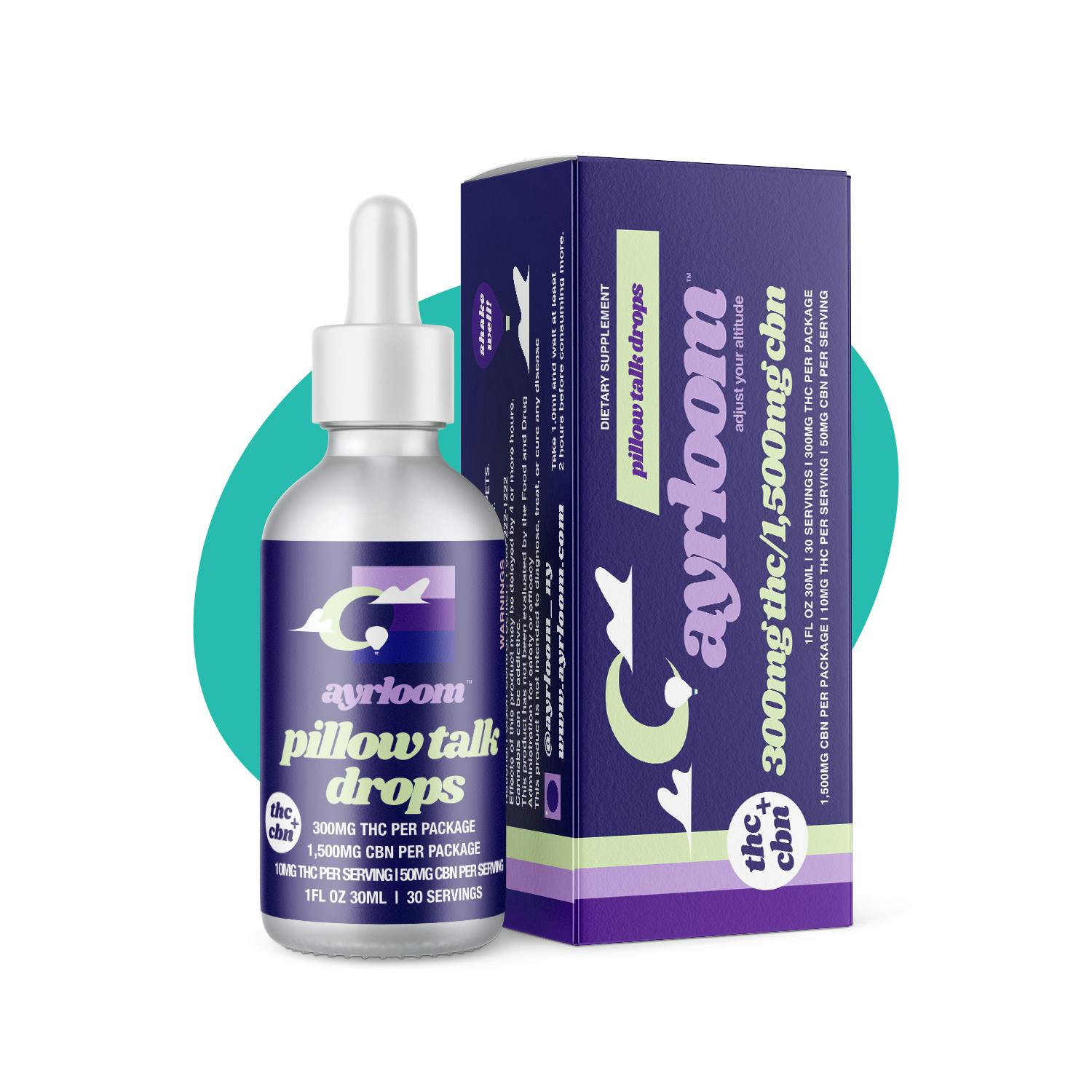
ayrloomAyrloom | Pillow Talk Drops | 1:5 | 300MG THC : 1500MG CBN · .1g
$44.25
$50after tax
THC 0.53%·CBD 1.61%Hybrid
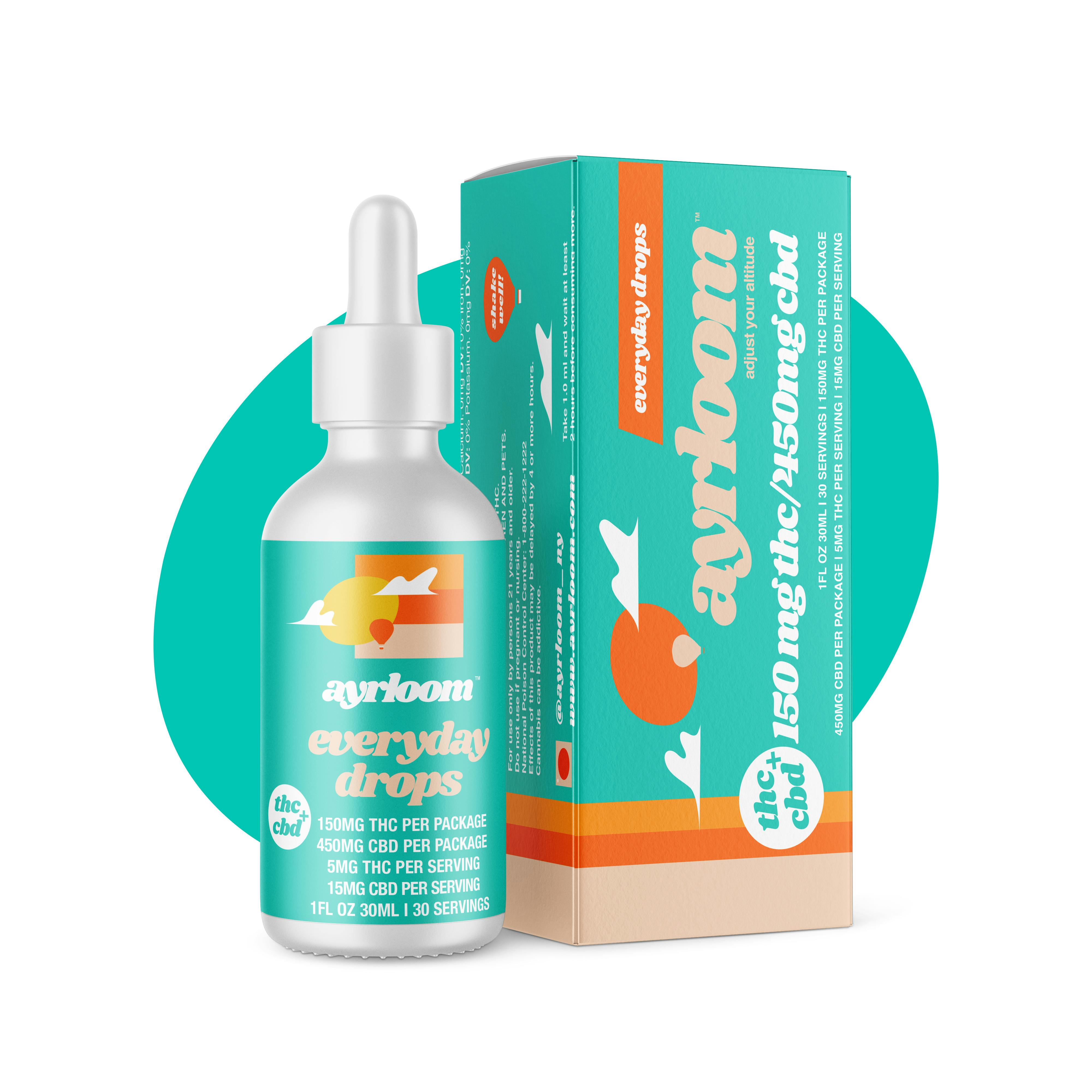
ayrloomayrloom | Low Dose Everyday Drops | 1:3 | 150MG THC : 450MG CBD · .1g
$30.00
$34after tax
Tinctures in Babylon — answers
What makes tinctures a practical choice for Babylon commuters on the LIRR?+
The Babylon LIRR branch runs a direct line to Penn Station, making the commute one of the more reliable on Long Island — roughly 50 to 60 minutes on a typical express service. A sublingual tincture, taken under the tongue, can begin to produce effects within 15 to 45 minutes depending on the individual and the formulation. For adults 21 and older who want to transition from a demanding workday to a relaxed evening in the village, the timing and the discretion of the format are genuinely useful. No odor, no visible paraphernalia, and a predictable onset window suit the commuter's schedule in a way that flower or edibles often do not.
How do I read the label on a New York licensed cannabis tincture?+
New York's Office of Cannabis Management requires licensed tinctures to display total THC and CBD content in milligrams per milliliter, as well as per full package. You will also see a serving size recommendation — typically 1 mL — and a total volume, commonly 30 mL per bottle. The label must include the licensed producer's name, a batch number, and a QR code or reference to the product's certificate of analysis. That certificate, available from your dispensary or the producer's website, will show the full cannabinoid panel and terpene profile. Always cross-reference the label with the COA before purchasing a new product.
What is the difference between a full-spectrum and a broad-spectrum tincture?+
A full-spectrum cannabis tincture retains the plant's complete cannabinoid and terpene profile as it existed in the original cultivar, including THC, CBD, CBG, CBN, and various aromatic terpenes. Broad-spectrum products go through an additional refinement step to remove detectable THC while preserving the remaining compounds. The practical distinction matters for consumers with professional or personal reasons to avoid THC entirely, or for those who find THC-dominant formulations too activating. For most adult-use shoppers in Babylon selecting a licensed New York product, full-spectrum tinctures offer the most nuanced sensory and experiential profile available in the category.
Can I use a cannabis tincture outdoors, for example near Argyle Lake?+
New York State law prohibits consuming cannabis in any form in areas where tobacco smoking is prohibited, which includes most public parks, playgrounds, and public sidewalks. Argyle Lake Park, as a public space in Babylon Village, would fall under these restrictions. Tinctures are consumed orally or sublingually rather than by inhalation, and while they are less conspicuous than smoked or vaped products, the legal standard applies to consumption broadly. Adults 21 and older may consume on private property or in licensed consumption lounges where they exist. Review current New York State OCM guidelines and local Babylon Village ordinances before consuming in any outdoor or semi-public setting.
How does cold weather along the South Shore affect tincture products?+
Cannabis tinctures stored in MCT coconut oil or hemp seed oil can thicken or become slightly viscous in cold temperatures — a purely physical change that does not degrade the product's potency or safety. If you have stored a tincture in a cold car or kept it in a bag during a winter evening near Babylon's waterfront, allow it to return to room temperature before using the dropper. Most glass dropper bottles function normally once the oil warms slightly. Alcohol-based tinctures are less susceptible to cold-weather viscosity changes than oil-based formulations. Store all tinctures away from direct light and extreme temperature fluctuations for best shelf stability.
What terpenes should I look for if I want a tincture suited to winding down in the evening?+
Several terpenes commonly found in New York licensed cannabis products are associated with a more relaxing sensory profile in full-spectrum tinctures. Myrcene, earthy and slightly musky, is among the most prevalent terpenes in indica-leaning cultivars and is frequently cited in connection with sedating effects. Linalool, with its floral and lavender-like aroma, appears in cultivars often described as calming. Beta-caryophyllene, a spicy and peppery terpene, is unique in also interacting with the body's CB2 receptors and may contribute to physical ease. Ask your dispensary budtender to pull the COA for any tincture you are considering and review which terpenes appear in the highest concentrations.
Is there a meaningful difference between taking a tincture sublingually versus swallowing it directly?+
Yes, and the difference primarily involves onset time and duration. Placing a tincture dose under the tongue and holding it for 60 to 90 seconds allows cannabinoids to absorb through the mucous membranes directly into the bloodstream, typically producing effects within 15 to 45 minutes. Swallowing the oil instead routes it through the digestive system, which extends onset to 45 minutes to two hours — similar to an edible — and may produce a longer-lasting effect as the liver metabolizes THC into its more potent metabolite. For predictability and timing control, most experienced tincture users prefer the sublingual method. New consumers should start with a low dose regardless of the administration route.
Are all cannabis tinctures sold in New York dispensaries laboratory tested?+
Yes. Under New York's adult-use cannabis regulations, all licensed cannabis products — including tinctures — must be tested by an OCM-approved independent laboratory before they can be sold. Testing covers potency (cannabinoid concentrations), pesticides, residual solvents, heavy metals, and microbial contaminants. Products that fail any required test cannot be sold through the licensed retail channel. This mandatory testing regime is one of the most meaningful distinctions between licensed dispensaries and any unlicensed source. When you purchase a tincture from a New York licensed retailer, you are purchasing a product with a documented and publicly accessible quality record.
How does a 1:1 THC-to-CBD tincture compare to a THC-dominant formulation for someone new to cannabis?+
A 1:1 ratio tincture introduces CBD alongside THC at equal milligram concentrations. Research and widespread consumer experience suggest that CBD may modulate some of THC's more activating qualities — particularly anxiety or rapid heartbeat that some first-time users find uncomfortable at higher doses. For someone new to cannabis tinctures in Babylon, a 1:1 formulation at a low starting dose, such as 2.5 mg THC and 2.5 mg CBD per serving, offers a more gradual introduction to the category. THC-dominant tinctures are not inherently inappropriate for beginners, but they require more careful dose management. Always apply the start low, go slow principle and allow adequate time before considering an additional dose.
What should I ask the staff at a licensed dispensary when selecting a tincture for the first time?+
Arrive prepared to discuss a few specifics: your experience level with cannabis generally, whether you have any sensitivity to THC, your intended use occasion and timing, and whether you have a preference for full-spectrum versus broad-spectrum. Ask the budtender to share the certificate of analysis for any tincture you are considering — a knowledgeable staff member at a licensed New York dispensary should be able to walk you through the potency panel and dominant terpenes without difficulty. Also confirm the carrier oil, since some consumers have dietary preferences around MCT coconut oil versus hemp seed oil. The more context you provide, the more precisely the staff can guide you toward a formulation suited to your needs.