
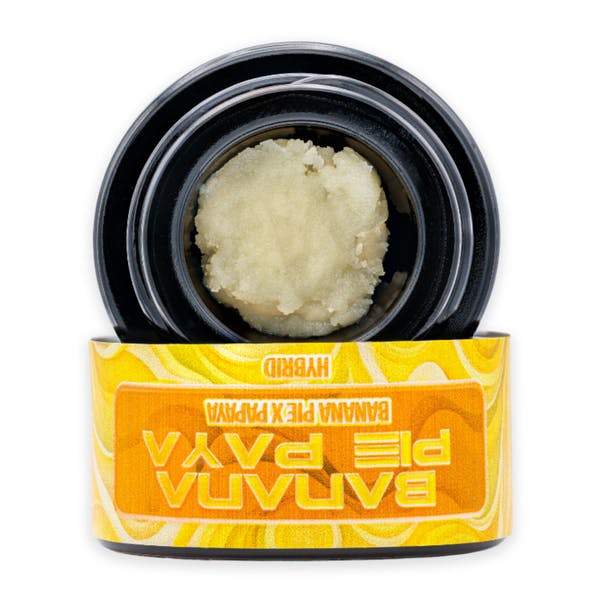
Suffolk County · Rosin
Best Rosin in Babylon, Suffolk County
Babylon village, tucked along the South Shore of Suffolk County at ZIP 11702, carries a quiet confidence — tree-lined blocks near Argyle Lake, the steady rhythm of Montauk Highway, and a community that values craft over convenience. For adult-use cannabis consumers 21 and older who share that sensibility, solventless rosin has become the concentrate of choice: pure, expressive, and made without a single drop of chemical extraction.
About Rosin
Rosin is a solventless cannabis concentrate produced by applying precise combinations of heat and pressure to flower, dry-sift kief, or bubble hash. Because no hydrocarbon solvents — butane, propane, ethanol — enter the process at any point, the resulting extract preserves an unusually complete terpene and cannabinoid profile. What reaches the consumer is essentially a full-spectrum snapshot of the plant at its peak, captured in a golden, translucent material that ranges in texture from a pourable sap to a stable, workable badder or a crumbly, granular sugar. New York's licensed adult-use market, regulated by the Office of Cannabis Management, requires that every concentrate sold in a state-licensed dispensary carry a verified certificate of analysis showing cannabinoid potency and confirming the absence of residual solvents, pesticides, and heavy metals. For rosin specifically, that last checkpoint is almost a formality — the process itself eliminates solvent residue by design — but the testing requirement ensures that the input material, the flower or hash pressed to create it, also meets strict purity standards. Shoppers in Suffolk County can therefore buy rosin with confidence, knowing that licensed product has cleared multiple regulatory hurdles before hitting a display case. The category has expanded considerably over the past two years. Live rosin, pressed from fresh-frozen plant material rather than dried and cured flower, delivers a particularly vivid terpene expression because volatile aromatic compounds are preserved from the moment of harvest. Hash rosin, pressed from ice-water-extracted bubble hash, is widely regarded as the most refined tier of the category: the labor-intensive upstream process removes plant waxes and lipids, and the resulting press yields a product with exceptional clarity and flavor. Both formats are now routinely available through New York's licensed retail channel, giving discerning consumers on the South Shore access to the same quality tier found in mature markets like California or Colorado. Potency in rosin concentrates generally falls between 65 and 85 percent total THC, though live and hash rosin sometimes test lower on the THC scale precisely because more minor cannabinoids and terpenes have been retained. For consumers new to concentrates, the standard guidance applies: start with a very small amount, allow adequate time to assess effect before adding more, and choose consumption methods — a dab rig, a purpose-built concentrate vaporizer, or a small amount topped onto flower in a pipe or joint — that match your comfort level.
Rosin for Babylon shoppers
Babylon village moves at its own measured pace. On a Saturday morning, the perimeter path around Argyle Lake fills with walkers and cyclists who appreciate the neighborhood's unusual combination of suburban calm and genuine waterfront access. Deer Park Avenue anchors the commercial heart of the village, where independent businesses have held their ground against the homogenization that has overtaken so many Long Island main streets. Montauk Highway threads through on its way toward the Hamptons, carrying both commuters and weekend travelers who recognize that Babylon occupies a genuine sweet spot — close enough to the city, grounded enough to feel like home. That temperament maps neatly onto the rosin category. Babylon's adult-use cannabis consumer tends to be a deliberate buyer — someone who reads a certificate of analysis, prefers to understand what cultivar was pressed and why, and is unlikely to be swayed by flashy packaging alone. Rosin rewards exactly that disposition. Because the extract is produced without chemical intervention, the flavor differences between a Papaya Bomb live rosin and a Jealousy hash rosin are immediate and unmistakable; the product is transparent in a way that heavily processed concentrates are not. Seasonally, the South Shore climate reinforces the case for quality concentrates. Long Island summers can push humidity into ranges that accelerate terpene degradation in stored flower; a properly sealed jar of rosin, kept at cool room temperature or briefly refrigerated, maintains its profile more reliably over weeks. Conversely, the cooler months from October through March — when afternoon light fades early over Argyle Lake and the village settles into an evening quiet — create exactly the unhurried home setting in which a concentrate vaporizer or a small, deliberate dab session makes complete sense.
What to look for
Selecting a rosin in a licensed New York dispensary begins with understanding the input material. Hash rosin commands a premium and earns it: the upstream bubble-hash process filters plant material through a series of progressively finer mesh screens, stripping away everything except resin heads. What gets pressed is already highly refined, and the resulting rosin tends toward lighter color, smoother texture, and a terpene profile that reads as clean and precise. Live rosin, by contrast, offers a more exuberant aromatic character — the fresh-frozen starting material retains high concentrations of monoterpenes that would otherwise volatilize during the drying process. Neither is objectively superior; they serve different preferences. Terpenes are your primary navigation tool when choosing between products at similar price points. Myrcene-forward profiles — earthy, slightly tropical, associated with cultivars like OG Kush lineages — tend to produce a physically relaxing character. Cultivars high in limonene and beta-caryophyllene read brighter on the palate and may suit afternoon or early-evening occasions more comfortably. Terpinolene, common in Jack Herer and related cultivars, contributes a piney, almost floral note and is associated with a more alert effect. Any licensed dispensary staff member should be able to point you to a COA with terpene percentages, not just THC totals. For Babylon residents who commute into the city via the Long Island Rail Road — Babylon station sits right in the village — format practicality matters. A concentrate vaporizer loaded with a small amount of rosin is discreet, portable, and produces negligible odor compared to combustion. Rosin also performs exceptionally well when used to supplement flower: a small amount worked into the bowl of a pipe or onto a rolling paper before adding ground flower increases intensity noticeably without requiring dedicated dabbing equipment. Whatever method you choose, the standard guidance holds — start with a minimal amount and assess before proceeding, particularly if you are newer to concentrates.
Why ZenZest for rosin in Babylon
For adult-use consumers in Babylon, ZIP 11702, the nearest licensed ZenZest Cannabis Dispensary location is ZenZest Queens, situated at 272-06 Union Tpke in Bellerose, NY 11004 — approximately 20.7 miles from the village center. The Queens store carries a curated selection of licensed New York concentrates, including solventless rosin in multiple formats and input-material tiers, with staff prepared to walk shoppers through current COA data and cultivar sourcing. While same-day delivery is not currently available to the 11702 ZIP code, the drive along the Southern State Parkway toward Queens is straightforward, and planning a visit allows for the kind of unhurried, in-person consultation that rosin — a category where nuance matters — genuinely rewards. ZenZest's editorial approach to curation means the concentrate case is stocked with intention rather than volume, making it well worth the trip for Suffolk County shoppers who want to treat a rosin purchase the way Babylon residents tend to treat most decisions: deliberately, and with an eye for quality.
ZenZest Queens · 272-06 Union Tpke, Bellerose, NY 11004 · 20.7 miles from Babylon.
Live rosin for Babylon
Full rosin menu →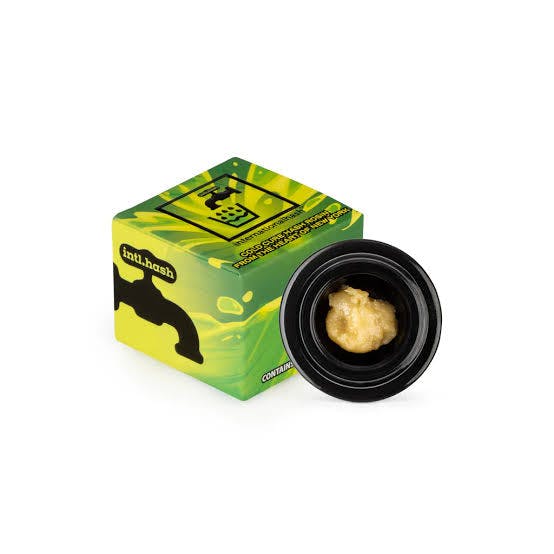
THC 75.73%Hybrid
INTERNATIONAL HASHInternational Hash | Cold Cure Hash Rosin | Grapefruit Hybrid · 1g
$66.37
$75after tax
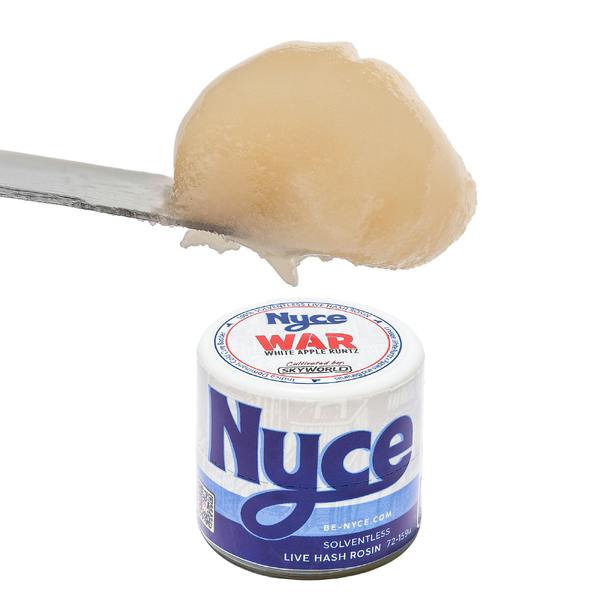
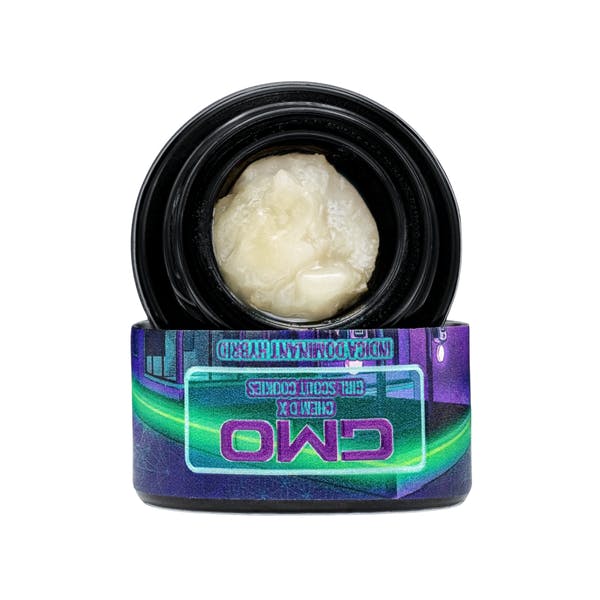
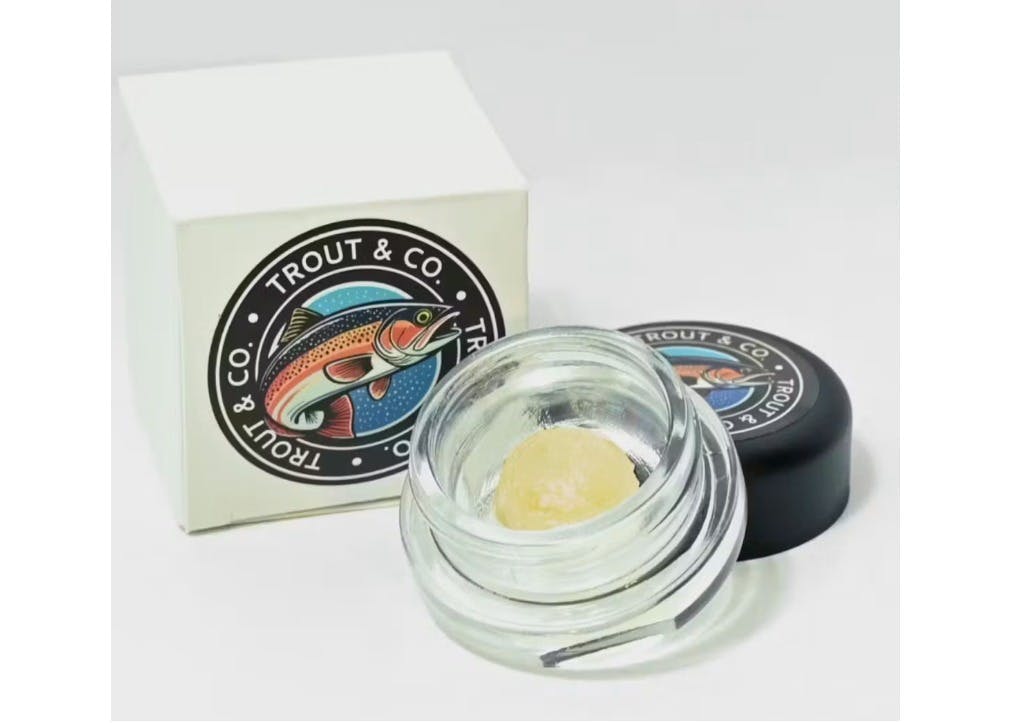
THC 77.52%Hybrid
Trout & Co.Trout & Co. | Super Funk | Live Rosin Private Reserve · 1g
$88.50
$100after tax
Rosin in Babylon — answers
What exactly is rosin, and how is it different from other concentrates sold in New York dispensaries?+
Rosin is a solventless concentrate made by pressing cannabis plant material — flower, kief, or ice-water-extracted hash — under controlled heat and pressure. Unlike BHO, distillate, or live resin, no hydrocarbon or chemical solvent enters the process at any point. The result is a full-spectrum extract that preserves a wide range of cannabinoids and terpenes. New York's licensed dispensaries carry both solvent-based and solventless concentrates; rosin occupies the premium, purity-focused end of that spectrum, and every batch sold in a licensed store must carry a state-required certificate of analysis.
Is hash rosin meaningfully different from flower rosin, and is the price difference justified?+
Hash rosin begins with bubble hash — an ice-water extraction that isolates resin glands from plant material before any pressing occurs. Removing plant waxes and lipids upstream produces a cleaner, often lighter-colored rosin with a more refined terpene expression. Flower rosin presses whole or ground bud directly and is more accessible in price, with a somewhat earthier, fuller-plant character. For Babylon consumers who prioritize flavor clarity and smoothness and are comfortable with a higher per-gram cost, hash rosin is generally worth the premium. For occasional concentrate users, quality flower rosin is an entirely satisfying entry point.
What does 'live rosin' mean, and how does the Long Island climate affect how I should store it?+
Live rosin is pressed from fresh-frozen cannabis — plant material harvested and immediately frozen rather than dried and cured. Freezing preserves volatile monoterpenes that evaporate during conventional drying, giving live rosin a brighter, more aromatic profile than cured-input rosin. On Long Island, where summer humidity can be high and home temperatures fluctuate seasonally, proper storage matters. Keep rosin in its sealed, child-resistant container in a cool, dark space; a brief stay in the refrigerator is acceptable but avoid repeated temperature cycling, which can alter texture. Consume within a reasonable window after opening for best flavor.
What consumption methods work best for rosin, especially for someone without a dedicated dab rig?+
A temperature-controlled concentrate vaporizer is the most accessible option for consumers who do not own a dab rig — devices designed for concentrates heat rosin to precise temperatures that preserve terpenes without combustion. A glass dab rig with a quartz banger is the traditional method and delivers excellent flavor at low temperatures. For those who prefer not to invest in new hardware, adding a small amount of rosin to flower in a pipe bowl or onto a rolling paper before packing is practical and effective. Whatever method you use, start with a very small amount; concentrate potency is substantially higher than flower on a per-inhalation basis.
How do I read a certificate of analysis for rosin, and what numbers should I prioritize?+
A COA for rosin will show total THC (typically 65 to 85 percent in licensed New York product), total CBD, and often a terpene panel listing individual compounds by percentage. For rosin, the terpene panel is as important as the THC figure — it tells you what the product will taste like and offers a useful signal about effect character. Also check the residual solvent panel (should show non-detected across all categories) and confirm the batch tested below action limits for pesticides and heavy metals. Licensed New York dispensary staff can pull up the COA for any concentrate in the case on request.
Which terpenes should I look for if I want a rosin suited to unwinding after a Long Island Rail Road commute from Penn Station?+
Myrcene is the terpene most consistently associated with physical relaxation; it appears prominently in Kush-lineage cultivars and many indica-leaning hybrids. Beta-caryophyllene, which has a peppery, woody note, is another profile element often cited in relation to tension relief. Linalool, a floral terpene also found in lavender, appears at lower concentrations in some rosin and contributes a calming character. Look for a COA showing myrcene at or above 0.5 percent total weight, with caryophyllene as a supporting compound. Babylon's LIRR commuters who want to decompress at home after an evening train will generally find these profiles well-suited to that occasion.
Is solventless rosin safer than other concentrates from a regulatory standpoint in New York?+
All concentrates sold in New York licensed dispensaries — solventless or otherwise — must pass the same OCM-mandated testing for residual solvents, pesticides, heavy metals, and microbials. From a regulatory standpoint, rosin is not treated differently than other concentrate formats. Its practical advantage is that solvent contamination is structurally impossible in a solventless process, meaning that particular panel of the COA is, in effect, a built-in pass. The more meaningful safety distinction in New York is simply licensed versus unlicensed product; purchasing from a licensed dispensary guarantees third-party testing that unlicensed sources cannot provide.
What THC potency range should a first-time concentrate user in Babylon expect, and how should they approach it?+
Licensed rosin in New York typically tests between 65 and 85 percent total THC, compared to 20 to 30 percent for most flower. This difference is substantial, and the standard guidance for all new concentrate users is to begin with a very small amount — a portion smaller than a grain of rice on a vaporizer or dab tool — and allow at least 15 to 20 minutes to assess the effect fully before considering any additional amount. There is no medical claim being made here; this is simply general harm-reduction framing consistent with how experienced concentrate consumers and licensed dispensary staff routinely advise new users in New York.
Can I find limited-run or small-batch rosin through New York's licensed market, and what should I look for on the label?+
Yes. New York's licensed concentrate market includes a growing number of craft producers — often licensed processors working with a single source farm — who release small-batch rosin runs tied to specific harvests or cultivars. On the label and accompanying COA, look for the cultivar name, the input-material type (flower, hash, or live), the harvest or press date, and the batch number. A dated batch matters for rosin because terpenes degrade over time; newer batches generally offer a more vibrant profile. Dispensary staff at stores like ZenZest Queens can advise on which current inventory represents the most recent press dates.
Are there seasonal considerations for rosin shopping in Suffolk County, given Babylon's coastal proximity and weather patterns?+
Suffolk County's South Shore experiences genuine seasonal humidity swings — summers near Great South Bay can push indoor relative humidity high enough to affect how stored cannabis products behave. For rosin, this primarily matters in storage rather than at the point of purchase: a sealed, licensed-dispensary jar is inert, but once opened, rosin exposed to repeated humid air can absorb moisture and degrade in texture and flavor. In cooler months, the dry winter air of a heated Long Island home is actually closer to ideal storage conditions. Year-round, a sealed opaque container kept away from heat sources and direct light is the straightforward solution regardless of season.