
Queens · Rosin
Best Rosin in Astoria, Queens
Astoria's culinary confidence and creative energy — stretching from the tavernas of 30th Avenue to the bluffs of Astoria Park — have long shaped a neighborhood that prizes craft over convenience. That same sensibility is driving a quiet but notable turn toward rosin, the solventless cannabis concentrate that rewards patience, process, and a discerning palate. For adults 21 and older exploring the category in Queens County, here is what to know.
About Rosin
Rosin occupies a distinct corner of the New York licensed cannabis market — one defined by what it deliberately leaves out. Unlike hydrocarbon extracts that rely on butane or propane to strip cannabinoids and terpenes from plant material, rosin is produced entirely through heat and pressure. The result is a full-spectrum concentrate that retains the fat-soluble compounds, minor cannabinoids, and aromatic terpene profiles closest to the living plant. No residual solvents, no chemical post-processing — just mechanical force applied with precision. Within the broader concentrate category, rosin comes in several distinct textures. Fresh-press rosin is collected immediately after extraction and carries a wet, saucy consistency with exceptionally vibrant terpene expression. Cold-cure rosin is whipped or left to set at low temperatures, yielding a budder or batter texture that is easier to handle on a dab tool. Hash rosin — considered the prestige tier — begins with ice-water-extracted bubble hash as its starting material, producing a cleaner, more refined product with higher cannabinoid density than flower rosin pressed directly from dried bud. New York's Office of Cannabis Management licenses dispensaries to carry concentrates from in-state cultivators and processors, meaning the rosin available on local shelves reflects genuine regional genetics and terroir. Consumers can expect to see products from upstate and Long Island operations working with cold-water hash techniques. Batch dates, input strain, and micron screen size used during hash production are all markers of transparency worth noting on any label. Potency in licensed rosin products typically ranges from roughly 60 percent to over 80 percent total cannabinoids, with terpene content frequently in the two-to-six percent range — meaningfully higher than most vape cartridges. For adults new to concentrates, New York regulators echo the broader harm-reduction consensus: start low, go slow, and allow sufficient time between sessions to assess effects.
Rosin for Astoria shoppers
Astoria is not a neighborhood that settles for the generic. The stretch of 30th Avenue between Steinway Street and 38th Street is lined with family-run Greek bakeries, specialty importers, and restaurants that source ingredients with the same rigor a serious cook brings to olive oil or wine. It is a community where provenance and process are understood as markers of quality, not marketing — a cultural disposition that maps naturally onto solventless cannabis concentrates. The neighborhood's ZIP codes — 11102, 11103, 11105, and 11106 — span a mix of working professionals, artists, and longtime residents who share a daily reality: the N and W trains running under Broadway and 31st Street, the wind off the East River at Astoria Park on a January morning, rooftop gatherings in the warm months with sightlines toward the midtown skyline. Rosin's versatility fits neatly into that rhythm. A small dab from a portable e-rig before an evening walk through Socrates Sculpture Park offers a compact, controllable experience without the cumulative session that a bowl or joint might require. Cold-cure batter stored in a small glass jar travels discreetly and maintains consistency even in summer heat. Astoria's proximity to Long Island City and the broader Queens creative economy also means a significant share of residents work in industries — film production, architecture, design — where sensory acuity and creative focus are professional assets. The terpene-forward character of quality rosin appeals to consumers who are curious about the aromatic and experiential nuances of individual cannabis strains rather than simply seeking undifferentiated potency.
What to look for
Choosing rosin well means reading the label as you would a wine back label — looking past the headline number toward the details that actually predict experience. The input material matters most: hash rosin made from six-star bubble hash or full-melt ice-water hash will outperform flower rosin in both clarity and terpene fidelity. Look for the micron size referenced on the packaging; 73- to 90-micron screens are commonly associated with the cleanest, most resinous trichome heads. Terpenes are the functional compass of the category. Myrcene-dominant rosin — often present in heavy indica-leaning cultivars — tends to carry an earthy, herbal character and is associated with a more settled, body-forward experience. Terpinolene and ocimene profiles, more common in certain sativa-leaning strains, produce floral and citrus-forward aromatics. Caryophyllene, a peppery sesquiterpene that also interacts with CB2 receptors, appears across a wide range of cultivars and is worth noting for those interested in the entourage nuances of full-spectrum products. For Astoria consumers accustomed to layered flavors — whether from a plate of taramosalata or a well-made Greek wine — the terpene conversation will feel familiar rather than esoteric. Format trade-offs are worth considering practically. A dab rig with a quartz banger offers the most temperature-precise experience and preserves volatile terpenes at lower temperatures, but it requires setup. Portable electronic rigs have improved substantially and suit the Astoria commuter who wants concentrate-tier quality without a full apparatus at home. Some licensed New York dispensaries also carry rosin-infused pre-rolls for consumers who prefer inhalation but are not yet ready to invest in dabbing equipment — a reasonable middle step into the category.
Why ZenZest for rosin in Astoria
ZenZest Cannabis Dispensary — one of the few licensed operators with a genuine Queens presence — operates its Queens location at 272-06 Union Tpke in Bellerose, approximately 11.4 miles from central Astoria along the Union Turnpike corridor. The store carries a curated selection of New York licensed concentrates, including solventless and rosin-tier products sourced from in-state producers. Staff are trained to walk first-time concentrate buyers through texture, input material, and terpene profiles without pressure, reflecting the dispensary's editorial approach to the floor. For Astoria residents who prefer not to make the trip east into Queens County, ZenZest offers free same-day delivery on orders over $100 across more than 80 eligible New York ZIP codes — a threshold that a single quality rosin jar and a secondary product can comfortably reach. Orders placed through the ZenZest platform arrive in discreet packaging and are fulfilled by licensed delivery agents. Adults 21 and older in the 11102, 11103, 11105, and 11106 ZIP codes should confirm delivery eligibility at checkout, as coverage is subject to operational capacity on any given day.
ZenZest Queens · 272-06 Union Tpke, Bellerose, NY 11004 · 11.4 miles from Astoria.
Live rosin for Astoria
Full rosin menu →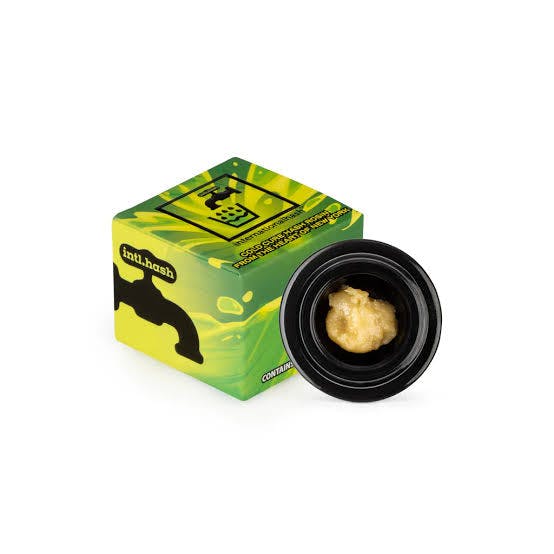
THC 75.73%Hybrid
INTERNATIONAL HASHInternational Hash | Cold Cure Hash Rosin | Grapefruit Hybrid · 1g
$66.37
$75after tax
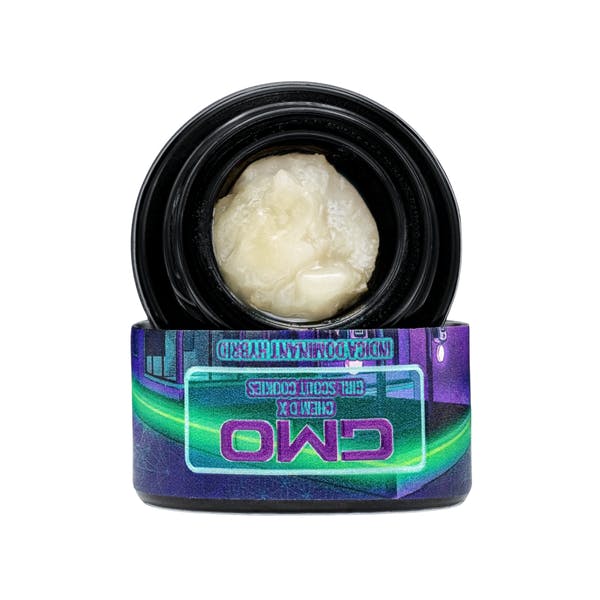
THC 77.52%Hybrid
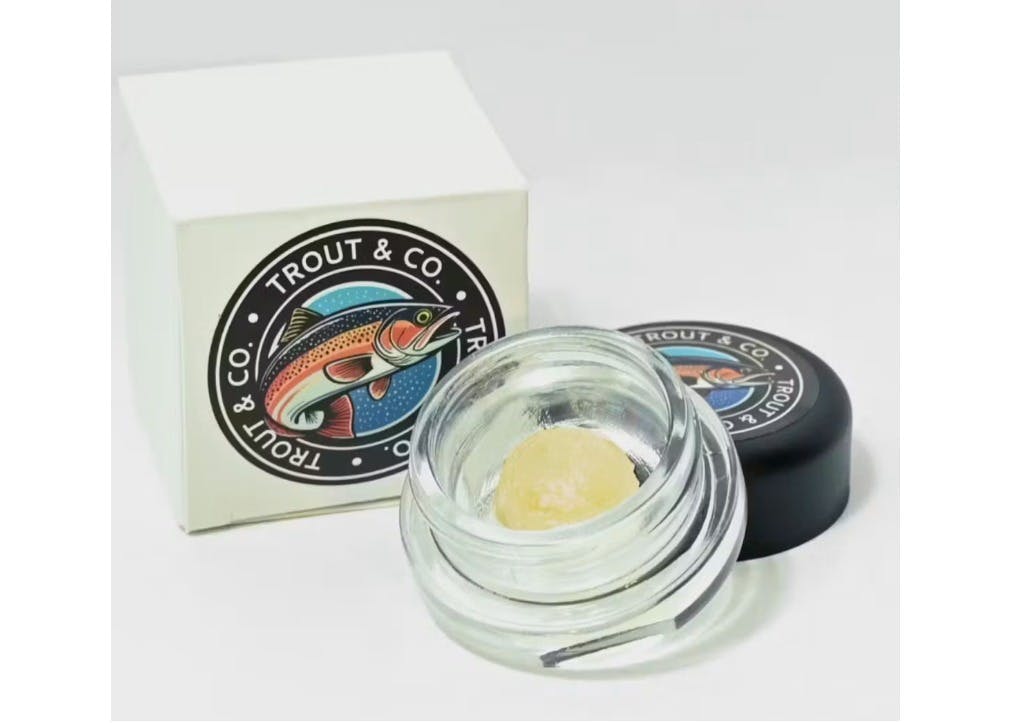
Trout & Co.Trout & Co. | Super Funk | Live Rosin Private Reserve · 1g
$88.50
$100after tax
Rosin in Astoria — answers
What makes rosin different from other concentrates sold at New York licensed dispensaries?+
Rosin is produced without chemical solvents — heat and pressure are the only inputs. This distinguishes it from BHO (butane hash oil) or CO2 extracts that require post-processing to remove residual solvents. New York's licensed market carries both solvent and solventless categories, and rosin sits at the premium end of the solventless tier. For Astoria consumers who already read ingredient labels carefully, the clean-input story of rosin tends to resonate immediately.
Is hash rosin meaningfully better than flower rosin, or is the price difference mostly marketing?+
The difference is substantive. Flower rosin is pressed directly from dried cannabis flower, which contains plant waxes, lipids, and chlorophyll alongside the resin. Hash rosin begins with isolated trichome heads collected through an ice-water wash — a labor-intensive process that removes most of that plant material before pressing. The result is a more refined, translucent product with higher cannabinoid and terpene density. The price premium reflects genuine additional processing time and lower overall yield per pound of starting material.
What temperature should I dab rosin at if I want to preserve the terpene profile?+
Low-temperature dabbing — generally in the 450°F to 550°F range on a quartz banger — is the consensus approach for preserving volatile terpenes in rosin. Higher temperatures above 600°F combust some of those aromatics and can produce a harsher, less nuanced vapor. This guidance applies to adults using licensed products; individual hardware varies, so starting at the lower end of your device's range and adjusting upward is prudent. Electronic rigs with temperature precision remove most of the guesswork.
Can I add rosin to a joint or bowl if I am not ready to invest in a dab rig?+
Yes — this is a common entry point for adults in Astoria who are curious about the concentrate category but do not yet own dabbing equipment. A small amount of cold-cure or batter-texture rosin can be spread inside a rolling paper before adding flower, or placed atop a bowl. The caveat is that rosin melts at relatively low temperatures, so bowl placement matters — placing it underneath flower rather than directly exposed to the lighter flame helps prevent waste. Rosin-infused pre-rolls from licensed New York producers are another ready-made option.
How should I store rosin purchased from a Queens dispensary to keep it fresh through Astoria's summer heat?+
Rosin is sensitive to both heat and light. Unopened jars should be kept in a cool, dark location — a cabinet or drawer away from the stove or direct sunlight. For longer-term storage, a refrigerator set above freezing works well; just allow the jar to return to room temperature before opening to prevent condensation from introducing moisture. During Astoria's humid July and August weeks, this matters more than it might in winter. Most licensed New York products include a best-by or packaged-on date that provides a useful freshness reference.
What terpene profiles pair well with an evening walk through Astoria Park or along the East River waterfront?+
This is inherently personal, but many adults who prefer an outdoor, ambient experience lean toward rosin profiles high in limonene or terpinolene — bright, citrus-forward or floral aromatics that tend to feel energetically lighter. Caryophyllene-forward rosins, with their spiced, woody character, are popular for more contemplative settings. Myrcene-dominant options, by contrast, tend toward a settled physical feeling that suits time at home more than active outdoor movement. Terpene content is increasingly listed on New York licensed product labels.
Is rosin a good category for someone transitioning from Greek coffee-shop culture — where ritual matters — into cannabis?+
The parallel is apt. Preparing a proper dab of high-quality rosin involves a degree of ritual — warming the banger, timing the cool-down, using a carb cap to retain vapor — that rewards attention and slows the experience down. For adults in Astoria who already find meaning in the process of a slow briki coffee or a carefully poured wine, the format has an appeal beyond the product itself. That said, start low with any concentrate; potency is significantly higher than flower, and small amounts go considerably further than intuition might suggest.
Does ZenZest deliver rosin to Astoria ZIP codes like 11102 or 11106?+
ZenZest offers free same-day delivery on orders over $100 across more than 80 New York ZIP codes, and Astoria's primary ZIP codes — 11102, 11103, 11105, and 11106 — fall within the service area. Delivery is available to adults 21 and older with valid ID presented at the door. Rosin, like all concentrate products, is included in the deliverable inventory. Confirming your specific ZIP code at checkout is recommended, as delivery capacity can vary by day and time.
How does rosin compare to a vape cartridge for someone commuting on the N or W train through Astoria-Ditmars Boulevard?+
These are genuinely different formats serving different moments. A vape cartridge is designed for on-the-go discretion — low odor, compact, and draw-activated. Rosin requires hardware (at minimum a portable e-rig or dab pen loaded with concentrate) and produces more noticeable vapor and aroma. Most Astoria commuters using rosin treat it as an at-home or at-destination format rather than a transit one. Rosin-compatible dab pens do exist and are far more portable than a full rig, but they still require more deliberate setup than a standard vape cartridge.
What should I ask a budtender at ZenZest Queens when shopping for rosin for the first time?+
Four questions cover the essential ground: What is the input material — flower rosin or hash rosin? What strain or cultivar was used, and what is the dominant terpene profile? What is the packaged-on or batch date, since freshness matters significantly in this category? And what texture is the current batch — sauce, batter, or live rosin — so you know what to expect when you open the jar? A knowledgeable budtender should answer all four without hesitation. If a product's provenance cannot be traced to a licensed New York cultivator or processor, that is a flag worth noting.