On sale· 20% OFF
THC 70.7%Indica-Hybrid
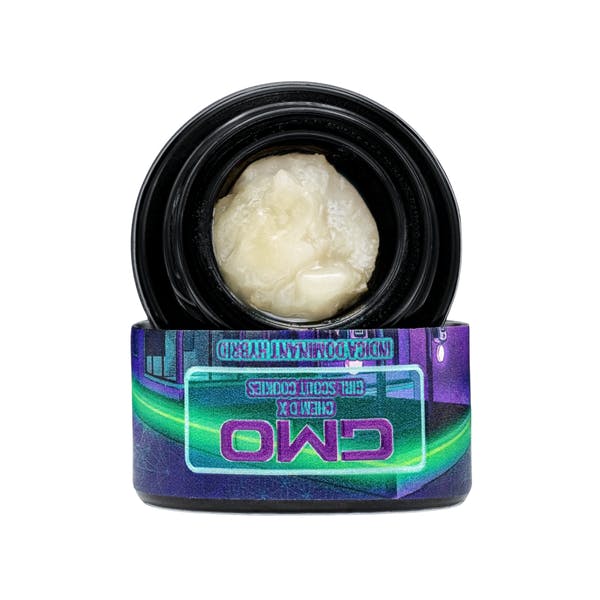
UmamiiUmamii | Live Rosin Jar | GMO · 2g
$80.00$100.00
$93after tax

weeddispensarynearme.com
You must be 21 years or older to enter. By entering, you confirm you’re of legal age in your state to purchase cannabis.
For use only by adults 21+ • Keep out of reach of children
Annadale, tucked along Amboy Road in Staten Island's southern quietude, has developed a discerning palate for solventless cannabis concentrates. Rosin — pressed from flower or hash without a single drop of chemical solvent — suits this neighborhood's unhurried, quality-over-quantity character. For adults 21 and older seeking the purest expression of the cannabis plant, Annadale's proximity to licensed New York dispensaries makes exceptional rosin more accessible than ever.
About Rosin
Rosin occupies a rare position in the New York adult-use market: it is simultaneously the most artisanal and the most technically demanding concentrate a licensed dispensary can carry. Unlike BHO or distillate, rosin is produced entirely through heat and pressure — no solvents, no residual chemicals, no post-processing purge required. What emerges is a translucent, amber-to-gold substance whose flavor profile mirrors the source material with startling fidelity. For consumers who have spent years navigating the fragmented illicit market, encountering a properly pressed live rosin for the first time can feel like a revelation. New York's licensed adult-use framework, governed by the Office of Cannabis Management, mandates rigorous third-party testing for all concentrate products. Every batch sold through a licensed retailer arrives with a certificate of analysis confirming potency, terpene content, and the absence of pesticides, heavy metals, and residual solvents. That last point is particularly meaningful for rosin, since its entire identity rests on solventless production — a licensed COA simply confirms what the craft already promises. Within the concentrate category, rosin bifurcates into several distinct forms. Flower rosin is pressed directly from dried, cured cannabis and tends toward slightly higher viscosity. Live rosin — pressed from freshly frozen material or high-quality ice-water hash — preserves a broader terpene spectrum and commands a premium price point accordingly. Hash rosin, derived from bubble hash or dry sift, represents the apex of the craft: multiple wash cycles refine the trichome heads before a final press yields a product of extraordinary purity and depth. Each variant has a legitimate place in a thoughtful concentrate routine. Potency in New York-licensed rosin typically ranges from 65 to 85 percent total cannabinoids, occasionally higher in premium single-source batches. That range is meaningful context for newer concentrate consumers: rosin is potent, and the general principle of starting with a very small amount and waiting to assess effects applies with particular force here.
Rosin for Annadale shoppers
Annadale carries a tempo that feels distinct even within Staten Island's already unhurried southern neighborhoods. Amboy Road threads through a corridor of family businesses, modest strip centers, and long-established households. Annadale Road bends toward quieter residential blocks where front porches and backyard gardens are genuine features, not architectural afterthoughts. Blue Heron Park — a 148-acre preserve of freshwater wetlands and wooded trails less than two miles from the heart of the neighborhood — frames the area's relationship with the natural world in concrete, accessible terms. That grounding in nature translates, for many adult cannabis consumers, into a preference for products that feel close to the plant. Rosin fits that preference with unusual precision. Its solventless production is a process residents with an interest in clean ingredients tend to find immediately legible: heat, pressure, plant material, nothing else. For the contingent of Annadale adults who approach their food, wine, or craft beer with similar editorial instincts — reading labels, asking about sourcing, preferring the traceable to the generic — rosin represents cannabis consumption on those same terms. The neighborhood's commuter profile also shapes how rosin gets used. Many Annadale residents make the run toward the Staten Island Expressway or catch the Staten Island Railway at the Annadale station for the longer haul to Saint George and the ferry. Evening returns tend to be purposeful — dinner, family, quiet. A small amount of high-quality rosin, used responsibly at home after the day is done, suits that rhythm in a way that, say, a high-volume pre-roll session might not. The emphasis here is on intentional, measured consumption of something worth paying attention to.
What to look for
Shopping for rosin in a licensed New York dispensary rewards preparation. The first variable to examine is the source material tier. Flower rosin is the most accessible entry point and works well for consumers still calibrating their relationship with concentrates. Live rosin and hash rosin, produced from frozen-fresh material or refined bubble hash respectively, carry more expressive terpene profiles and generally smoother vapor at lower temperatures — a meaningful advantage if you plan to use a quartz-banger rig or an electronic dab device set below 500°F. Terpenes deserve real attention here in a way they might not with a casual flower purchase. Because rosin preserves the plant's volatile aromatic compounds with minimal heat degradation during production, the terpene percentages on a rosin COA are genuinely predictive of the experience. Myrcene-forward profiles tend toward a heavier, more sedating character. Limonene and terpinolene expressions lean brighter and more cerebral. Caryophyllene adds a peppery, grounding note. For Annadale shoppers who might use rosin at the end of an evening at home near Blue Heron Park's stillness, a myrcene or linalool-dominant profile may suit the occasion; those who want to remain engaged and observant might gravitate toward a pinene-rich batch. Format trade-offs matter at the point of purchase as well. Rosin sold in glass jars at cooler temperatures retains its consistency and terpene integrity longer than the same product stored warm. Ask your budtender about storage conditions and check the harvest or press date where available. THC potency figures between 68 and 80 percent are common in quality New York-licensed rosin; figures above 85 percent in a solventless product warrant a second look at the COA to ensure terpene content hasn't been sacrificed for headline numbers. Always start with a portion no larger than a grain of rice and allow ample time before considering more.
Why ZenZest for rosin in Annadale
ZenZest Cannabis Dispensary's Staten Island location at 2343 Forest Ave — approximately 5.9 miles from Annadale's Amboy Road corridor — carries a curated concentrate selection drawn from New York's licensed cultivators and processors. The store's staff approaches the concentrate counter with the same editorial discipline that distinguishes premium solventless products from commodity options: sourcing matters, batch transparency matters, and the conversation between a knowledgeable associate and a first-time rosin buyer is treated as part of the service, not an obstacle to throughput. For Annadale residents who prefer not to make the drive toward Forest Avenue on any given evening, ZenZest offers free same-day delivery on qualifying orders over $100 to more than 80 New York ZIP codes, including 10312. That means a carefully selected jar of live rosin — cold-packed, properly labeled with its full COA information — can arrive at an Annadale address without the trip. Adult-use customers 21 and older can browse available concentrate inventory, review lab data, and place orders directly through ZenZest's platform for a delivery experience that matches the quality of the product itself.
ZenZest Staten Island · 2343 Forest Ave, Staten Island, NY 10303 · 5.9 miles from Annadale.
$93after tax
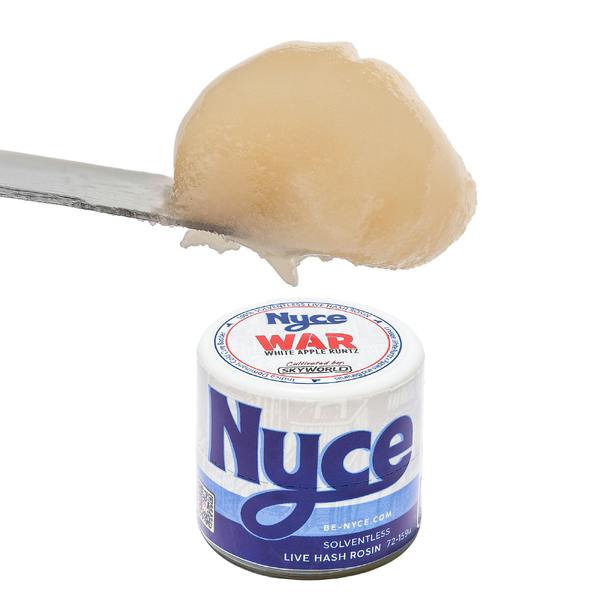
Rosin is produced exclusively through heat and pressure — no hydrocarbon solvents, no CO2 extraction, no post-processing purge. Every other major concentrate category, from BHO to distillate, involves a solvent at some stage. Because New York's Office of Cannabis Management requires third-party testing for residual solvents on all licensed products, rosin's COA will simply confirm what the process already guarantees: a clean, solventless result. For Annadale shoppers accustomed to scrutinizing ingredient lists, that distinction is meaningful and immediately verifiable.
Flower rosin is pressed directly from dried, cured cannabis. It is the most accessible format and typically the most affordable. Live rosin begins with freshly frozen plant material, preserving a wider terpene spectrum before the press. Hash rosin adds another layer of refinement: ice-water extraction yields bubble hash, which is then pressed for a product with exceptional purity. Each tier produces a distinct sensory profile and price point. For a first purchase, flower rosin is a sensible starting point; live or hash rosin rewards the consumer who has already established preferences.
Rosin is sensitive to heat, light, and oxygen. The standard recommendation from licensed producers is to store it in its sealed glass container inside a cool, dark place — a kitchen drawer away from the stove or, better, a small dedicated refrigerator compartment. Cold temperatures slow terpene degradation and maintain consistency. If you retrieve refrigerated rosin for use, allow the sealed jar to come to room temperature briefly before opening to avoid condensation forming on the surface of the product. Properly stored, most New York-licensed rosin retains its character for several months.
At minimum, a consumer needs a small glass or silicone dab tool to portion the rosin, a dab rig or e-rig with a quartz banger, and a torch if using a conventional setup. Electronic rigs with precise temperature control are increasingly popular because they remove the guesswork from heat management — lower temperatures between 450 and 550°F tend to preserve terpene expression while higher temperatures produce larger vapor volume with less flavor nuance. Vaporizer devices compatible with concentrates are also an option for consumers who prefer a more discreet, portable format.
Most New York-licensed rosin products fall between 65 and 85 percent total cannabinoids, with premium live rosin and hash rosin batches sometimes reaching the higher end of that range. Unlike flower, where a 25 percent THC figure represents a strong product, concentrate potency figures require recalibration of intuition. A portion equivalent to a grain of rice — typically between 0.05 and 0.1 grams — is a sensible starting point for adults new to concentrates. The general principle of starting low and going slowly applies with particular importance in this category.
Terpenes are aromatic compounds that contribute meaningfully to the character of a cannabis experience beyond the effects of cannabinoids alone. Because rosin preserves terpenes with minimal processing heat, the percentages listed on a COA are genuinely indicative. For quiet evening use at home in Annadale — perhaps after a walk through Blue Heron Park's wetland trails — myrcene-dominant or linalool-rich profiles tend toward a grounding, unhurried quality. Limonene and terpinolene profiles lean more energetic. Caryophyllene offers a middle ground with a distinctly peppery aromatic note that many consumers find approachable.
Rosin and all other cannabis concentrates are available to adults 21 and older under New York's adult-use program without a medical card. Purchases must be made through a licensed dispensary. The Office of Cannabis Management oversees licensing and product testing statewide. When buying at a licensed retailer, you will be asked to present a valid government-issued ID confirming age. Purchasing from unlicensed sources remains illegal and carries none of the product-safety guarantees that New York's licensed market provides.
Yes. ZenZest Cannabis Dispensary offers free same-day delivery to more than 80 New York ZIP codes, and 10312 — which covers Annadale — is among the eligible areas. Orders must meet the $100 minimum to qualify for free same-day delivery. Concentrate products including rosin are available through the delivery platform. All deliveries comply with New York adult-use regulations, meaning a valid ID confirming age 21 or older will be required at the door upon receipt of the order.
A COA for licensed New York rosin will include potency figures — total THC, total CBD, and sometimes a terpene breakdown — alongside panels for pesticides, heavy metals, microbials, and residual solvents. For rosin, the residual solvent panel should return non-detectable results across all compounds, confirming the solventless process. Terpene percentages above one percent total suggest a more expressive aromatic profile. Potency figures should be read in context: high THC alone does not indicate quality. A rosin with 72 percent THC and a rich terpene profile will often outperform a 84 percent product stripped of aromatic complexity.
Several markers separate exceptional rosin from commodity product. Clarity and color are initial indicators: light amber to gold hues suggest careful low-temperature pressing that preserves terpenes without burning plant material. Smell is equally telling — a premium rosin should carry a vivid, specific aromatic signature rather than a flat or generic cannabis odor. Batch transparency matters: single-source batches with named cultivars and press dates signal producer accountability. Finally, the terpene percentage on the COA should be meaningful — a total terpene figure above two percent in a quality live or hash rosin is a reasonable benchmark worth seeking.
Pick your store
We'll show pricing, deals, and delivery zones for the store you pick. You can switch any time from the header.